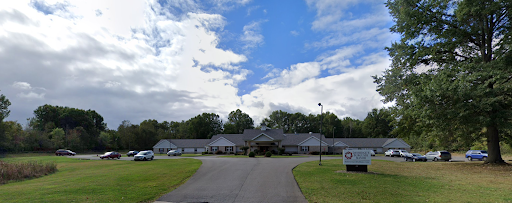
31 Maranatha Drive, Youngstown, OH 44505
For more information about senior living options: (866) 208-4318
Overall Review of Danridges Burgundi Manor
Pros
 The staff is awesome and very helpful when you need it.
- They resolve issues quickly, making residents feel safe.
- The place has cleaned up a lot, and housekeeping and maintenance are doing a great job.
- The administration, nurses, and aides are very involved with residents' care and needs, and they are on top of it.
- The food is good.
- It is a small, comfortable, and clean facility with accommodating care staff.
- The activity department and skilled rehabilitation are strong.
- The place is described as a family where everyone looks out for one another.
Cons
 The place is disgusting and horrific.
- The facility is described as being full of drug activity and extreme behaviors.
- The staff are rude, ignore visitors, and treat residents like prisoners.
- Residents are neglected, not bathed for days, and cannot reach anyone for help.
- There is no hot water and reports of theft by staff undermine trust.
- The facility is accused of racism toward white residents and of lying to families.
- During the COVID-19 crisis, safety procedures were not communicated and staff were not forthcoming.
- Some reviewers say the facility should be shut down due to ongoing neglect and poor care.
Review
Danridge's Burgundi Manor in Youngstown is best suited for families seeking a small, homey setting where staff familiarity, responsiveness, and personal attention shape daily life. The setting clearly serves residents who need moderate assistance and value robust rehabilitative services, with therapy and daily activities anchored by a team that residents and families feel they can trust. In practice, the strongest appeal is a sense of community, staff and caregivers who know residents by name and are quick to respond when needs arise. For families prioritizing warmth, good meals, and a manageable, intimate footprint, this is a practical match.
However, this is not the choice for those demanding unwavering consistency or pristine safety records. Alternatives should be considered if reliability and transparent governance are essential, or if there is heightened concern about overall care quality and oversight. Several reviews raise red flags about neglect, staffing gaps, and communication lapses, and at least one account cites allegations of abuse and harassment. Prospective residents with serious safety anxieties or complex care needs might be better served elsewhere, where there is stronger staffing buffers and clearer accountability.
On the positive side, the strongest pros are tangible: a comfortable, clean environment in a small facility, attentive care staff, and effective physical therapy and activity programming. Multiple accounts highlight engaged nurses, aides, and recreation staff who participate in residents’ lives and respond to concerns. Families note real improvements in daily routines, and the dining experience is described as better than average. In practice, these elements translate into meaningful quality-of-life gains for residents who respond to a hands-on approach and who value a relational model of care.
Yet the list of cons is substantial and cannot be ignored. Reputationally, the facility is dogged by reports of rude staff, delays in assistance, and instances of neglect, some reviews describe patients not being bathed or moved promptly, and others allege disrespectful or discriminatory treatment. The most troubling voices accuse leadership of mismanagement, inconsistent communication, and even safety concerns. Accusations of drug activity in the building, short-staffing, and plans to downsize color the overall picture, leaving serious questions about reliability and day-to-day oversight. Taken together, these voices suggest a facility that can be excellent in the right moments but that also exposes residents to significant risk if oversight slips.
How the positives offset the negatives depends on risk tolerance and the resident’s needs. If consistent access to compassionate staff and tangible rehabilitation benefits are paramount, the good days can justify a trial, provided there is active, ongoing oversight by family or trusted advocates. The small size enables quicker problem resolution and more personalized attention, a meaningful offset to occasional staffing gaps. However, when concerns about neglect, abuse, or unsafe conditions surface in even a few reviews, that offset diminishes noticeably. The decision hinges on whether the resident can thrive within a tightly knit, supervised setting or whether a larger, more transparent operation with stronger external accountability is required.
To move forward decisively, prospective families should demand concrete, observable criteria: a current care plan with clear oversight for evenings and weekends; direct conversations with the most consistent staff members and the administrator; and verifiable references from current residents or families. Request recent inspection records and inspect the facility focusing on housekeeping, maintenance, and the rehab gym. If the environment feels calm, well-maintained, and staffed by a team that demonstrates reliable problem-solving during a visit, this facility can be a solid choice for those who value connection and hands-on care. If not, pursuing alternatives without hesitation is prudent.
 62 resident community capacity
 Skilled Nursing Facility
 Air-conditioning
 Beauty salon
 Cable or satellite TV
 Computer center
 Dining room
 Fitness room
 Fully furnished
 Gaming room
 Garden
 Housekeeping services
 Kitchenette
 Move-in coordination
 Outdoor space
 Private bathrooms
 Restaurant-style dining
 Small library
 Telephone
 Wellness center
 Wi-Fi/high-speed internet available
 Community operated transportation
 12-16 hour nursing
 24-hour call system
 Activities of daily living assistance
 Assistance with bathing
 Assistance with dressing
 Assistance with transfers
 Diabetes diet
 Medication management
 Mental wellness program
 Special dietary restrictions
 Concierge services
 Planned day trips




 Comprehensive Guide to Blood Pressure Charts for Older Adults: Understanding Normal and High Readings by Age
 Financing Long-Term Nursing Home Care Through Social Security: A Thorough Exploration
 Essential Knowledge on Pneumonia in Older Adults