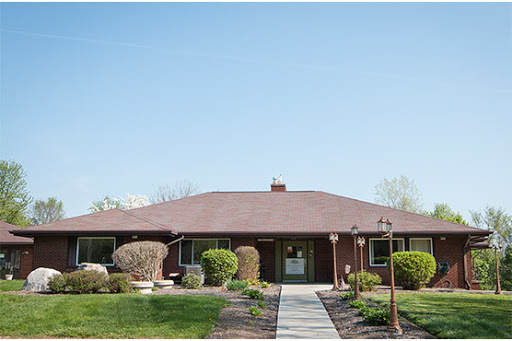
456 Seasons Road, Stow, OH 44224
For more information about senior living options: (866) 208-4318
Overall Review of Seasons Nursing And Rehab
Pros
 The facility demonstrates extensive knowledge of care and deep respect for patients, with warmth extended to visitors.
- The level of care and attention to detail is highly impressive, and reviewers would highly recommend the facility.
- The staff are friendly and the therapy team is wonderful.
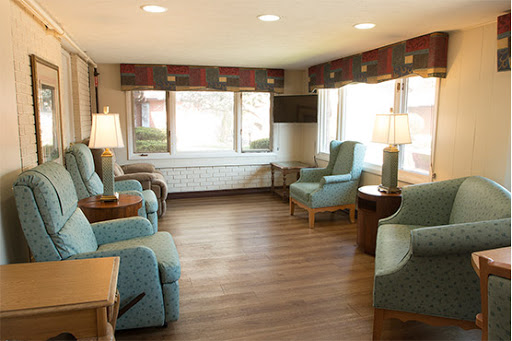
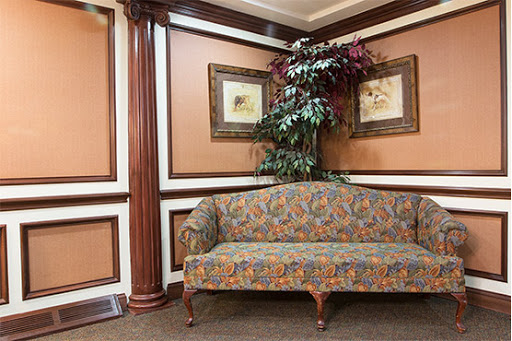
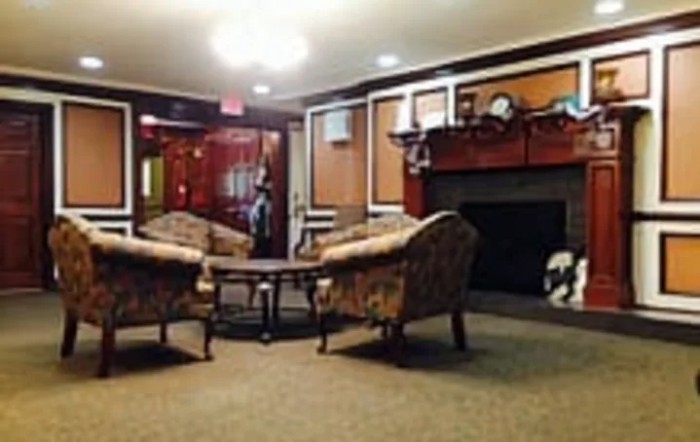
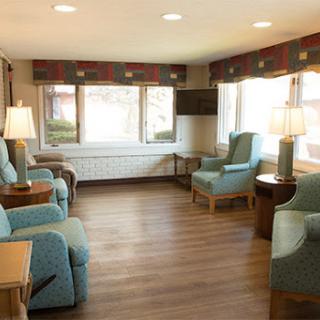
- Seasons Nursing and Rehab is described as a caring and wonderful home-like setting.
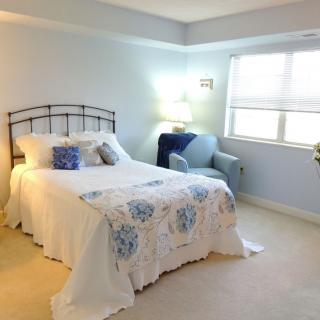
- Residents enjoy private rooms with amenities such as a big TV, contributing to comfort and satisfaction.
- The staff are friendly, pleasant, and provide high-quality nursing care.
Cons
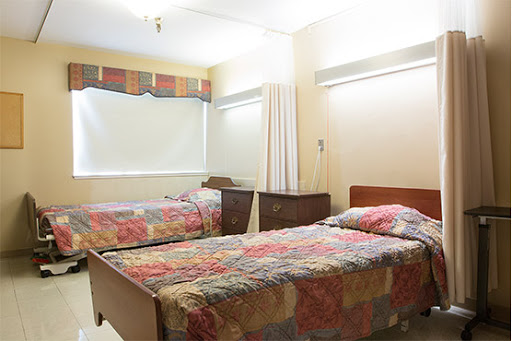
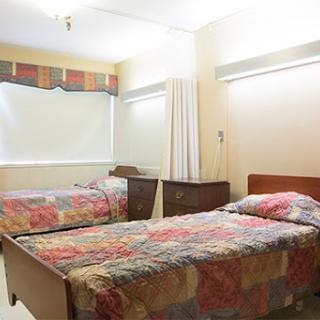
 The reviewer found the double rooms to be very small and lacking furnishings, which did not appeal to them.
- They noted that no furnishings could be placed in the rooms, which was a drawback.
Review
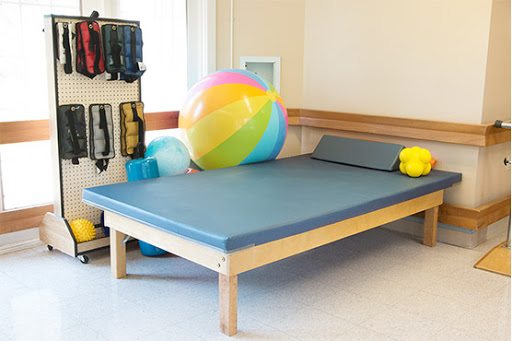
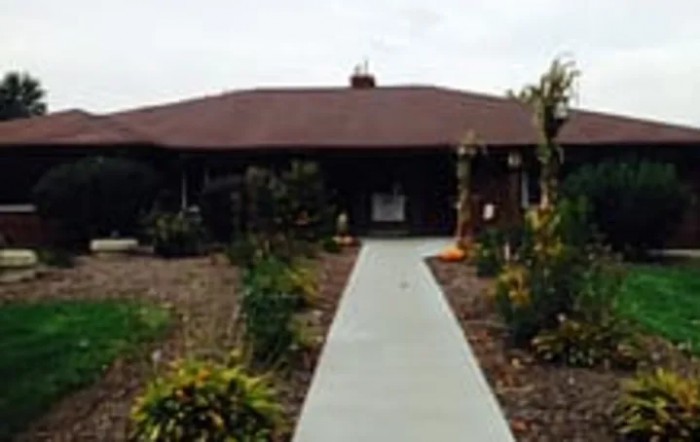
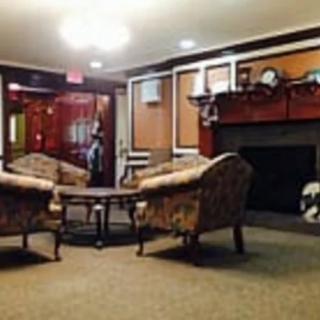
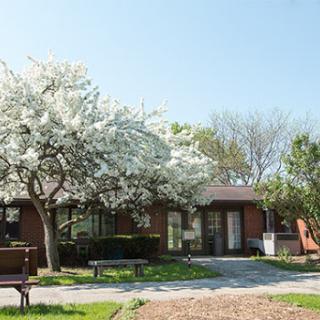
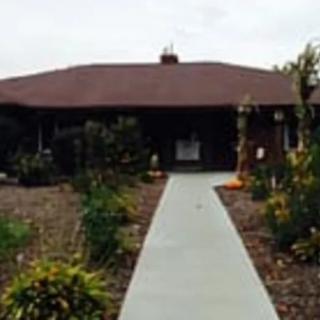
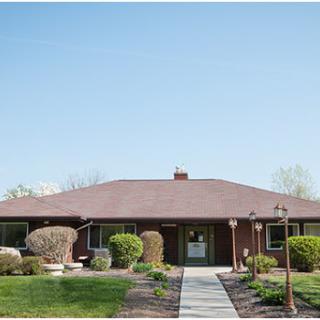
Seasons Nursing and Rehab in Stow, Ohio is best suited for families seeking a caregiving environment where staff knowledge, respect for residents, and genuine warmth drive daily life, and where double-occupancy rooms are acceptable. The community leans into a home-like farmhouse vibe that many residents and families find comforting, rather than a clinical, impersonal setting. Those who prioritize hands-on attention, a strong therapy program, and easy visitor access will discover a reliable partner in Seasons. The blend of attentive caregivers and a welcoming atmosphere makes it a solid fit for residents who value rapport with staff and a sense of belonging.
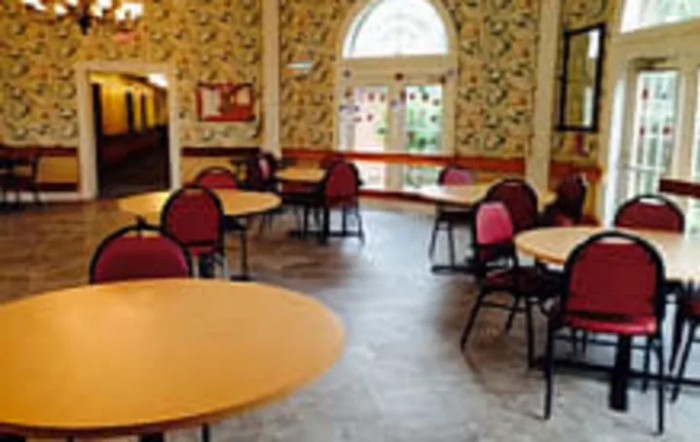
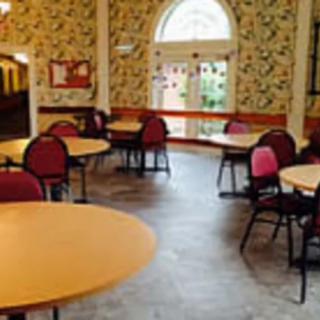
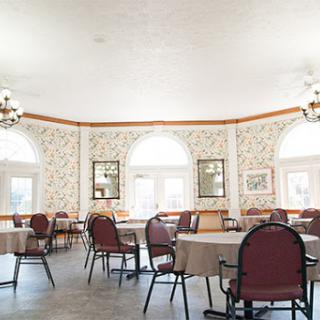
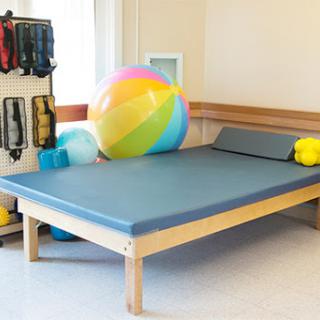
Pros consistently highlight the human touch: staff described as friendly, with a wonderful therapy team and a high level of care and attention to detail. Reviews praise knowledge of care and deep respect for residents, along with warmth shown to visitors. The therapy program is singled out as a standout feature, supporting mobility, recovery, and activity engagement across the stay. Dining earns positive notes as well, with reports of good meals that help anchor the home-like experience. Taken together, these strengths create daily life that feels competent, reassuring, and emotionally supportive for both residents and families.
Yet, the practical downside centers on space and layout. The facility operates with double rooms, and one account notes the rooms are small and difficult to furnish. The old farmhouse aesthetic, while comforting to some, can feel dated or less modern to others who expect contemporary design and private space. A subset of reviews expresses dissatisfaction tied to room size or lack of personalization opportunities, complicating choices for residents who prize privacy, decorating freedom, or a more spacious feel. For families seeking private accommodations or more expansive living areas, alternatives will be more appealing.
Balancing the strengths with the space constraints, the caregiving quality and relational warmth often offset the drawbacks for residents who place a premium on staff competence and consistent interaction. When care teams are knowledgeable and respectful, and therapy sessions are frequent and effective, daily life remains meaningful even without private rooms. A home-like setting and welcoming policy toward visitors further soften the trade-offs, helping families feel confident about ongoing support. Positive dining experiences and a family-friendly environment reinforce overall comfort, contributing to satisfaction as long as privacy and space are not non-negotiables.
With these realities in mind, certain buyers should consider alternatives. Those who cannot tolerate small double rooms or who want guaranteed private accommodations with more personal space will likely prefer other options in the area. Families prioritizing a modern, updated facility or a design-forward environment may also want to compare with communities offering larger private rooms and more conventional assisted-living layouts. It is prudent to evaluate multiple facilities to determine which balance of care quality, space, and ambiance best matches the resident’s personality and medical needs.
Practical next steps involve a targeted tour and candid conversations with leadership about room configurations, length of stay, and what is included in the monthly rate. Speak with the therapy team and the care manager to understand how individualized plans are created and adjusted, and request a dining observation or menu sample to gauge the food experience beyond anecdotes. If privacy is a priority, explicitly request a private-room option or a floor plan that maximizes personal space. When these expectations align with Seasons’ strengths in care quality and warmth, it stands as a strong, reliable choice for families navigating the assisted-living decision.
 50 resident community capacity
 Skilled Nursing Facility
 Beauty salon
 Cable or satellite TV
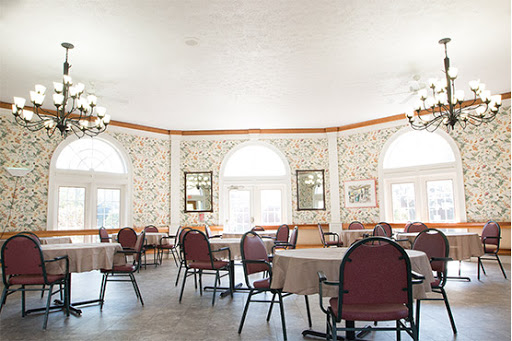
 Dining room
 Fully furnished
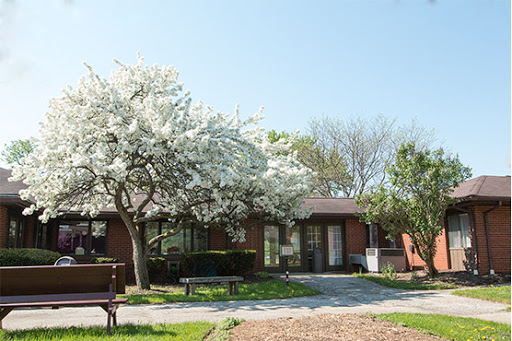
 Garden
 Housekeeping services
 Kitchenette
 Move-in coordination
 Outdoor space
 Restaurant-style dining
 Small library
 Telephone
 Wi-Fi/high-speed internet available
 Akron-Canton Regional (20 miles away)
 24-hour call system
 Activities of daily living assistance
 Assistance with bathing
 Assistance with dressing
 Assistance with transfers
 Diabetes diet
 Medication management
 Mental wellness program
 Special dietary restrictions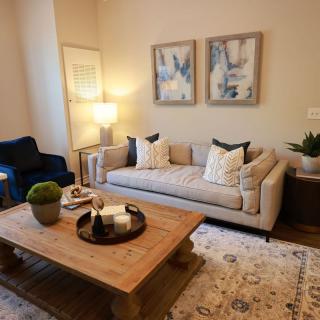







 Comprehensive Insights and Practical Strategies to Help Older Adults Avoid Falls
 6 Crucial Ways an Elder Law Attorney Assists Families
 Navigating the Tax Landscape of Caregiving: Credits, Deductions, and Beyond