For more information about senior living options: (866) 208-4318
3.4 from 33 reviews
5 stars
19
4 stars
1
3 stars
0
2 stars
1
1 stars
12
Presidential Center Costs & Pricing
The cost of residing in the Presidential Center is set at $5,500 per month for a private room, which positions it competitively within the broader market of Union County and the state of Ohio. In comparison, Union County's average monthly rate for similar accommodations is significantly higher at $8,523, indicating a premium pricing strategy often associated with specialized care or amenities that may not be available elsewhere. Conversely, Ohio's statewide average for private rooms stands at a more accessible $4,771 per month. This data illustrates that while the Presidential Center is pricier than the state average, it offers an attractive alternative to the higher costs found within Union County itself. Such insights can help prospective residents and their families make informed decisions based on their financial planning and care preferences.
Floor plans
Presidential Center
Union County
Ohio
Private
$5,500
$8,523
$4,771
Skilled Nursing Facilities with a similar price nearby
Residents and families describe staff both as compassionate caregivers and as rude or understaffed.
Many reviewers praise staff for being kind, dedicated, compassionate, and going above and beyond to support residents and families. Several other reviews describe problems like rude or snotty interactions, missed medication, and insufficient help for the number of patients. A few reviewers directly connect staffing levels to care outcomes, including reported delays and safety concerns.
common7 reviews mention this
Rehabilitation results vary widely
Rehab and therapy experiences range from impressive recovery support to a very poor short stay.
Some residents describe a rehab stay where therapy was helpful, including praise for the therapy department and progress after falls or surgery. Other reviewers say rehab was disappointing, describing a lack of benefit, poor care during recovery, or serious issues while receiving therapy. One review also says therapy was stopped even though it was expected to continue.
common4 reviews mention this
Dining receives both praise and complaints
Dining feedback includes both consistently positive food comments and concerns about meal quality.
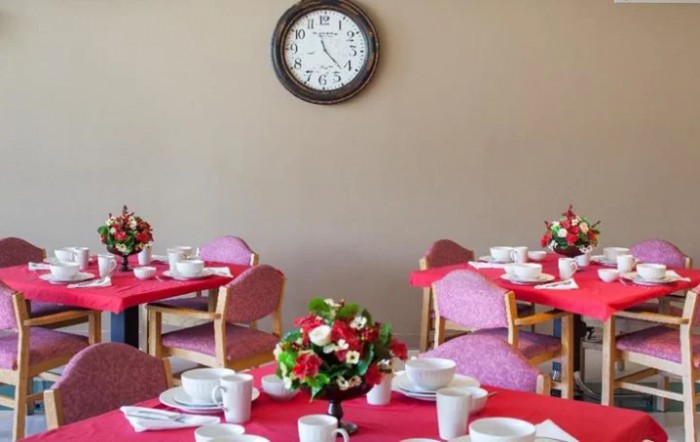
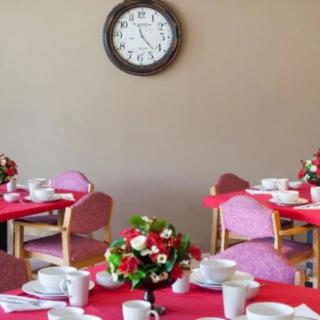
A few reviewers call the food delicious or amazing, and one says a resident loved the meals. Another review complains that food was horrible and often cold, adding that the menu and choices did not match expectations. The community also offers restaurant-style dining and includes dining-room options like special diet support.
common3 reviews mention this
Activities are commonly mentioned
Residents can expect scheduled activities, though experiences differ by reviewer.
Some reviewers specifically mention there are always activities to participate in and describe daily engagement options. Another reviewer highlights special events recognizing veterans, indicating programming beyond day-to-day routines. While reviews do not describe every activity in detail, the overall theme is that activities are part of life at the facility.
caveat3 reviews mention this
Communication and visit access are concerns
Several families report difficulty reaching staff or restrictions that limit visitation.
One review says loved ones were blocked from visiting and frames it as a serious issue during a family member’s care. Another reviewer reports trouble getting answers from the front desk and social services, including unanswered phone calls. A separate review also mentions privacy and says they could not visit without being asked identifying information.
caveat2 reviews mention this
Billing and affordability feel stressful
Pricing and billing experiences can feel stressful for families.
One reviewer describes legal threats related to payment despite making monthly payments, calling the situation harassing for an elderly family member. Another reviewer frames the facility as part of government-provided care for people who cannot afford care independently. For private pay, the listing shows pricing that is below the county average but above the state level, which can help explain why affordability may be a point families weigh carefully.
How we summarize
Counts show how many written reviews mention each theme; a review can touch several themes, and only frequently mentioned themes are displayed.
Features
Housing
99 resident community capacity
Types of Care
Skilled Nursing Facility
Amenities
Air-conditioning
Beauty salon
Cable or satellite TV
Computer center
Dining room
Fitness room
Fully furnished
Gaming room
Garden
Housekeeping services
Kitchenette
Move-in coordination
Outdoor space
Private bathrooms
Restaurant-style dining
Small library
Telephone
Wellness center
Wi-Fi/high-speed internet available
Transportation
Community operated transportation
Transportation arrangement
Transportation arrangement (non-medical)
Transportation to doctors appointments
Care Services
12-16 hour nursing
24-hour call system
24-hour supervision
Activities of daily living assistance
Assistance with bathing
Assistance with dressing
Assistance with transfers
Diabetes diet
Meal preparation and service
Medication management
Mental wellness program
Special dietary restrictions
Dining
Diabetes diet
Special dietary restrictions
Activities
Community-sponsored activities
Concierge services
Fitness programs
Planned day trips
Resident-run activities
Scheduled daily activities
Nearby Places of Interest
Restaurants
Perkins Restaurant and Bakery (0.3 miles)
Steak 'n Shake (0.4 miles)
Bob Evans (0.4 miles)
KFC (0.4 miles)
Chipotle Mexican Grill (0.5 miles)
Panda Express (0.6 miles)
Hong Kong Buffet (0.7 miles)
Places of Worship
Kenneth E Durtsche Rev (0.4 miles)
CenterPoint Church (0.7 miles)
Marion Christian Center (1 miles)
Marion Kensington Place (1.3 miles)
MVA Children's Ministry (1.7 miles)
Jehovah's Witnesses (2.3 miles)
Voice-Hope Pregnancy Center (2.5 miles)
Physicians
Professional Eye Care (0.5 miles)
Dr Michael J. Hayes, MD (1.7 miles)
Family Vision Care (2.2 miles)
Omsc (2.3 miles)
Ashok Dhiren Gandhi, MD (2.3 miles)
Marion Area Neurological Consulting (2.3 miles)
OhioHealth Physician Group Primary Care Marion (2.3 miles)
The cost of residing in the Presidential Center is set at $5,500 per month for a private room, which positions it competitively within the broader market of Union County and the state of Ohio. In comparison, Union County's average monthly rate for similar accommodations is significantly higher at $8,523, indicating a premium pricing strategy often associated with specialized care or amenities that may not be available elsewhere. Conversely, Ohio's statewide average for private rooms stands at a more accessible $4,771 per month. This data illustrates that while the Presidential Center is pricier than the state average, it offers an attractive alternative to the higher costs found within Union County itself. Such insights can help prospective residents and their families make informed decisions based on their financial planning and care preferences.
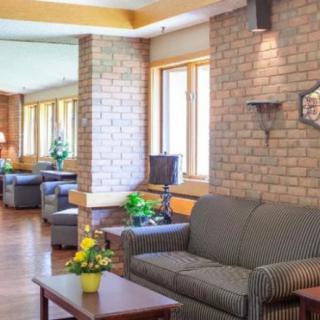
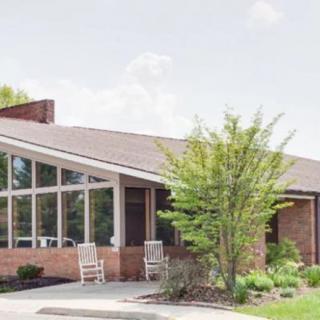
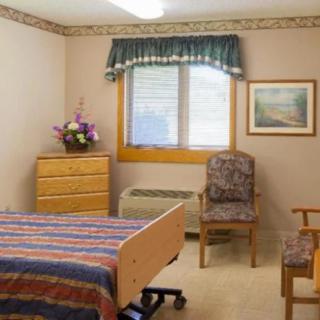
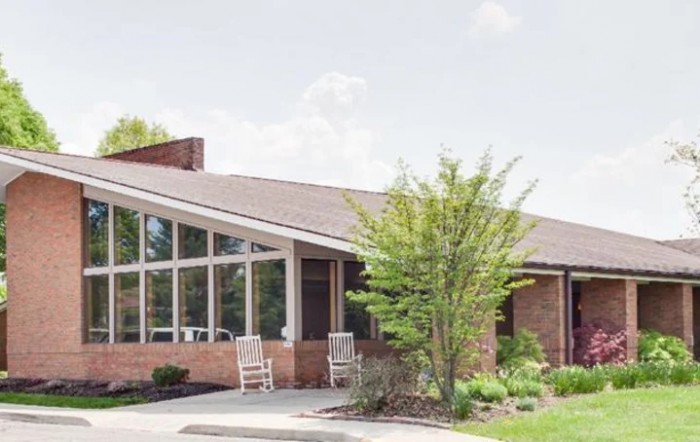
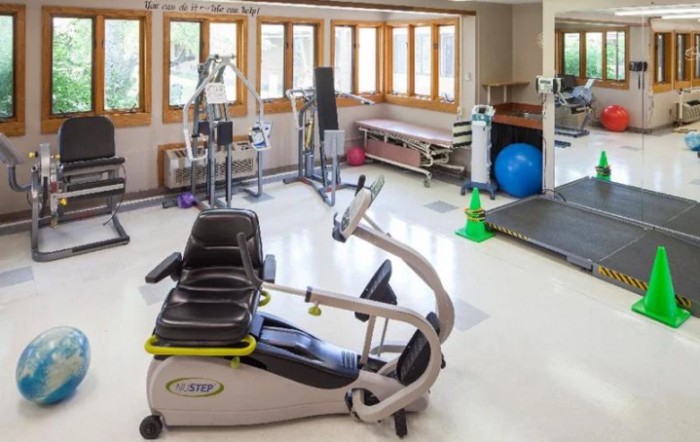
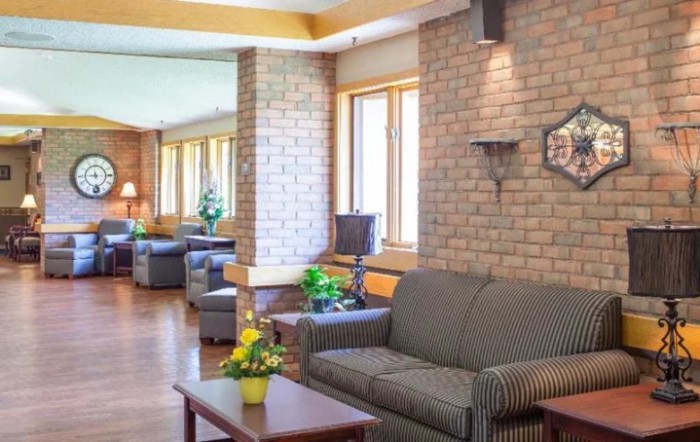
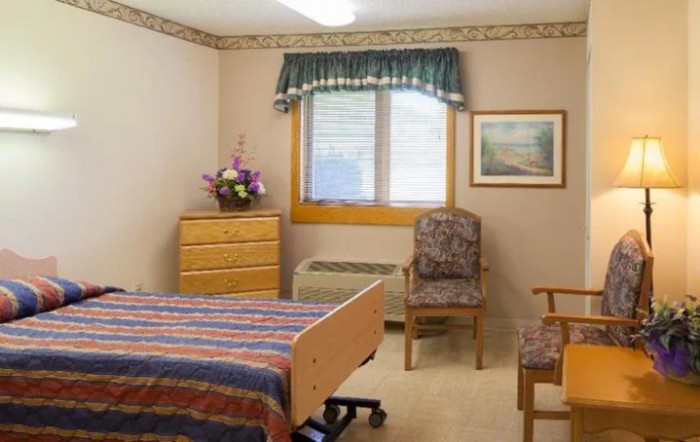
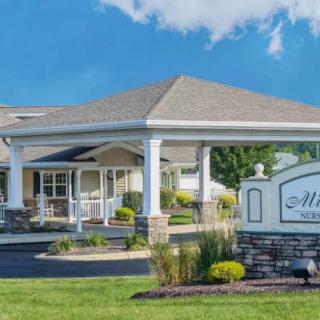
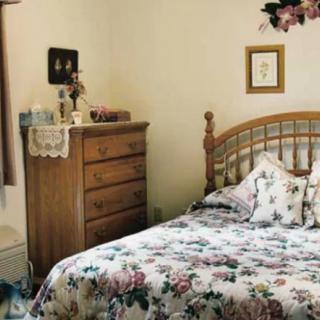
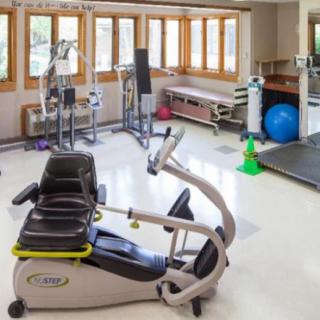
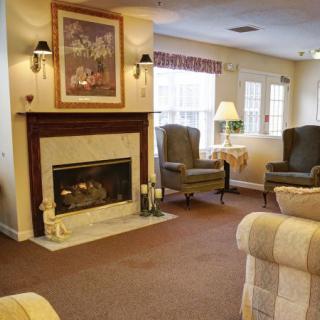
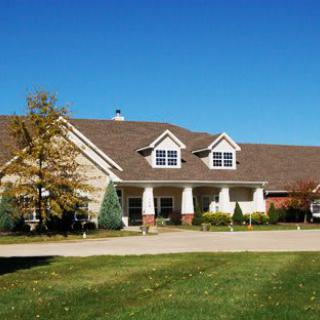
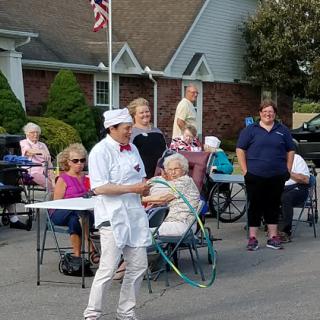
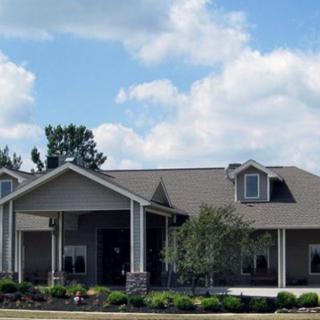
Presidential Center on seniors.fyi includes 5 photos including images showing interior, windows, living room, brick wall, bedroom, painting, dining, architecture, and more.
Nearby Communities
Kingston Residence Of Marion
Marion, OH
4.9 from 59 reviews
$1,840 to $3,670 / month
Open, light-filled design with attentive staff and abundant amenities.
Brownstone Terrace
Marion, OH
4.3 from 3 reviews
Diabetic care; devotional services; meals provided; active community.
DeWolfe Place
Marion, OH
4.6 from 102 reviews
$2,280 to $4,530 / month
Friendly, attentive staff and a warm, home-like atmosphere with engaging activities and dining options.
Villas at Center Park
Marion, OH
4.8 from 6 reviews
Comprehensive basic care (meals, medication management) with Wi-Fi and a convenient location.
Primrose Retirement Community Of Marion
Marion, OH
4.4 from 17 reviews
Beautiful, welcoming community with spacious apartments and friendly staff.
Brookdale Marion
Marion, OH
4.1 from 29 reviews
$2,945 to $3,195 / month
Friendly staff, clean environment, and engaging daytime activities.
The Wyndmoor of Marion
Marion, OH
4 from 8 reviews
Specialized memory care with 24/7 supervision and tailored programming.
Orchard Park Assisted Living
Bucyrus, OH
4.6 from 47 reviews
$3,730 to $5,020 / month
Friendly, caring staff and a home-like community with engaging activities.
Caregiving for an aging parent entails emotional and financial responsibilities accompanied by significant tax implications, including potential benefits from claiming them as dependents and deductions for medical expenses and caregiving costs. Caregivers must understand eligibility requirements, maintain thorough documentation, and consider consulting a tax professional to navigate these complexities effectively.
Low-impact exercises are vital for seniors as they promote health, independence, and social interaction while reducing joint strain. These adaptable activities, guided by healthcare professionals, enhance strength, flexibility, and emotional well-being.
The guide details the tax deductibility of in-home healthcare expenses according to IRS guidelines, differentiating between medically necessary services and non-medical assistance, while emphasizing the need for proper documentation and itemization requirements. It also highlights state-level variations, the importance of record-keeping, and encourages seeking professional tax help to understand evolving regulations.
Exercise Equipment, Rehabilitation, Physical Therapy, and Fitness
Get PricingAsk A QuestionSchedule A TourContact Senior Advisor
By clicking submit, you agree to our Partner's Terms of Use. You
also consent to receive calls and texts, which may be autodialed, from our Partner. Your consent is not a condition to
using our Partner's service. Please visit our Partner's Privacy Policy for information about their privacy practices.

 99 resident community capacity
 Skilled Nursing Facility
 Air-conditioning
 Beauty salon
 Cable or satellite TV
 Computer center
 Dining room
 Fitness room
 Fully furnished
 Gaming room
 Garden
 Housekeeping services
 Kitchenette
 Move-in coordination
 Outdoor space
 Private bathrooms
 Restaurant-style dining
 Small library
 Telephone
 Wellness center
 Wi-Fi/high-speed internet available
 Community operated transportation
 12-16 hour nursing
 24-hour call system
 Activities of daily living assistance
 Assistance with bathing
 Assistance with dressing
 Assistance with transfers
 Diabetes diet
 Medication management
 Mental wellness program
 Special dietary restrictions
 Concierge services
 Planned day trips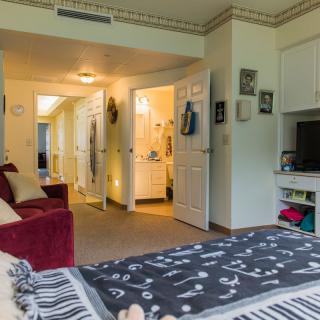
 Open, light-filled design with attentive staff and abundant amenities.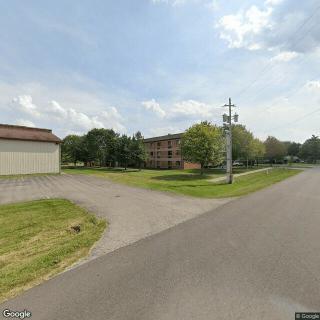

 Navigating the Tax Landscape of Caregiving: Credits, Deductions, and Beyond
 Highly Beneficial Low-Impact Exercises for Senior Living Residents
 Is In-Home Healthcare Tax Deductible? Your Comprehensive Guide