
195 Executive Drive, Marion, OH 43302
For more information about senior living options: (866) 208-4318
Marion Manor Nursing Home Costs & Pricing
Marion Manor Nursing Home offers private room accommodations at a competitive rate of $4,350 per month, significantly lower than the average cost in Union County, which stands at $8,523. This pricing also remains favorable when compared to the broader state average in Ohio, where private room costs are approximately $4,771. The affordability of Marion Manor makes it an appealing option for families seeking quality nursing home care without overstretching their financial resources. By maintaining lower monthly costs while ensuring essential services and support are met, Marion Manor positions itself as a valuable choice within the local healthcare landscape.
| Floor plans | Marion Manor Nursing Home | Union County | Ohio |
|---|---|---|---|
| Private | $4,350 | $8,523 | $4,771 |
Skilled Nursing Facilities with a similar price nearby
-
from -$480 / mo
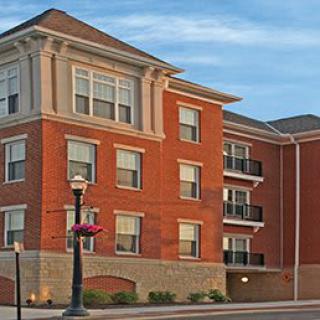
Ohio Living Sarah Moore
$3,870 to $5,400 / month18.9 miles away -
from -$620 / mo
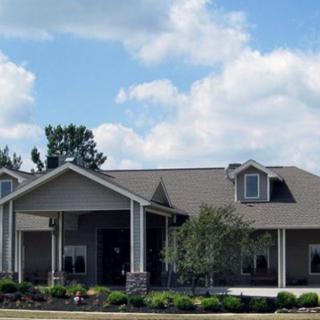
Orchard Park Assisted Living
$3,730 to $5,020 / month16.8 miles away
Overall Review of Marion Manor Nursing Home
Pros
 The staff were welcoming and friendly.
- The med carts were well organized and everything was labeled.
- The report sheets were updated and neat.
- The STNAs treated residents like family and had good relationships with them.
- The food was great and tasted like homemade cooking.
- The double rooms were spacious, and the building was clean and well maintained.
- The atmosphere was bright and cheery with friendly staff.
Cons
 The facility needs updating and maintenance.
- The furnishings in the rooms are uncomfortable.
- The food is unappetizing.
- The facility has an unpleasant odor.
- The administrator is accused of lying and not following through on promises.
- The building is old and could use a refresh.
- There are serious concerns that neglect occurred and that procedures and protocols were not followed in connection with a patient's transfer and death.
Review
Marion Manor Nursing Home is best suited for families seeking a small, intimate setting where staff know residents well and care tends to feel personalized. The strongest case lies with those who value immediate attention, consistent nursing support, and a homey, non-clinical atmosphere over modern décor. In this environment, double rooms can be surprisingly spacious, housekeeping is steady, and the team often demonstrates genuine warmth and familiarity with residents. For rehab after a stroke or similar needs, the care can be reliably attentive, with timely med passes and a sense that aides treat residents like family. This is not a glossy, resort-like facility, but it delivers dependable, hands-on care from seasoned staff in a compact footprint.
That said, certain families should seriously weigh alternatives. Prospective residents who insist on a modern, updated facility with current décor, contemporary furnishings, and a pristine odor-free milieu may misjudge the vibe here. The building is older, and maintenance or refreshes are not uniform; some reviews flag uncomfortable furnishings and an unpleasant smell as pervasive drawbacks. Administratively, concerns have been raised about transparency and follow-through, which matters to families seeking rock-solid reliability and clear accountability. For those prioritizing hospital-grade design, cutting-edge rehab equipment, or exceptionally formalized governance, exploring other options is prudent.
The core strengths, staff relationships with residents, low workload per shift, and quick response times, often offset many of the building’s shortcomings. A long-tenured, stable team can make a dramatic difference in day-to-day experience, with aides who communicate well and know residents’ routines. In practice, this translates to short wait times, consistent care, and a sense that individual needs are acknowledged promptly. On a travel-nurse perspective, the facility also stands out for organized med carts, current report sheets, and a culture where staff collaboration contributes to smooth, predictable care. When care is the priority, these human factors carry considerable weight.
However, the drawbacks are not trivial. The facility’s age translates into dated interiors and maintenance challenges that can erode comfort. Food, while described as high-quality by some, is not universally praised, and at least one reviewer notes meals as unappetizing, underscoring that culinary satisfaction may swing with kitchen staff and day. Gatekeeping concerns, an administrator accused of breaking promises and questions about whether procedures were followed in serious family-involved situations, cast a shadow on overall trust and long-term planning. There is also a highly cautionary narrative about hospice placement and rapid decline after transfer, which understandably gives pause to families contemplating end-of-life or palliative trajectories.
From a practical decision-making standpoint, visits should focus on how the facility handles rehab pathways, daily rhythm, and what truly matters to loved ones. Observe interactions between staff and residents, verify staffing levels during peak hours, and inquire about room options beyond the standard double. Taste the meals when possible, noting whether flavors and textures align with expectations, and assess cleanliness beyond surface appearances. Seek candid answers about administrative follow-through, and request recent examples of how concerns were resolved. If a modern ambiance, transparent administration, and rigorous oversight are non-negotiables, this is a place to compare against alternatives.
Bottom line: Marion Manor delivers dependable, compassionate daily care in a small, family-style setting that many families will value, especially when human connection and timely attention are the priority. It serves well for rehab and ongoing assistance where staff continuity matters, and where a resident can appreciate a quieter, more intimate environment in exchange for an older building and occasional comfort compromises. For families prioritizing modern facilities, pristine aesthetics, or ironclad administrative certainty, alternatives should be pursued. Conduct a direct comparison with other local options, tour with a list of non-negotiables, and weigh whether the strength of long-tenured, personable care outweighs the drawbacks of age, odor, or perceived governance concerns. The right choice hinges on aligning the setting with the resident’s comfort needs and the family’s tolerance for ongoing maintenance and administrative transparency.
 92 resident community capacity
 Skilled Nursing Facility
 Air-conditioning
 Beauty salon
 Cable or satellite TV
 Computer center
 Dining room
 Fitness room
 Fully furnished
 Gaming room
 Garden
 Housekeeping services
 Kitchenette
 Move-in coordination
 Outdoor space
 Private bathrooms
 Restaurant-style dining
 Small library
 Telephone
 Wellness center
 Wi-Fi/high-speed internet available
 Community operated transportation
 12-16 hour nursing
 24-hour call system
 Activities of daily living assistance
 Assistance with bathing
 Assistance with dressing
 Assistance with transfers
 Diabetes diet
 Medication management
 Mental wellness program
 Special dietary restrictions
 Concierge services
 Planned day trips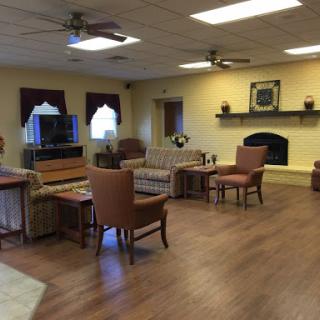



 Exploring the World of Home Health Nurses: Qualifications, Roles, and Hiring Tips
 Navigating Medicare Coverage for In-Home Care Services
 In-Home Care Costs in 2025: A Detailed State-by-State Exploration