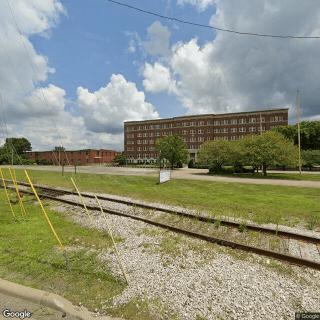
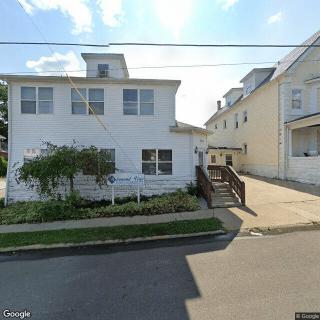
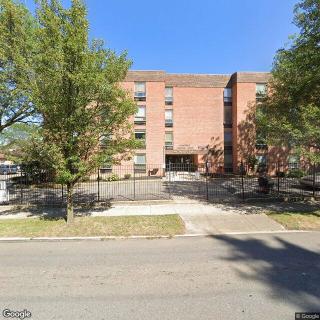
Arbors At Mifflin

Save

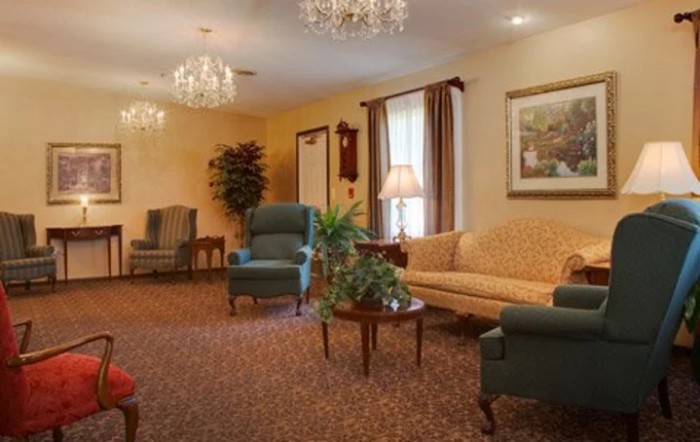
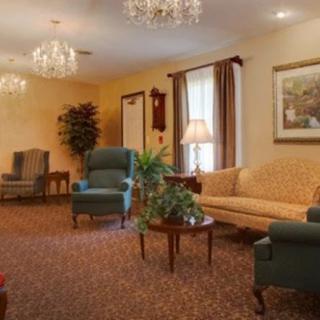
  • Interior

    A cozy living room interior with elegant lighting and classic furniture.
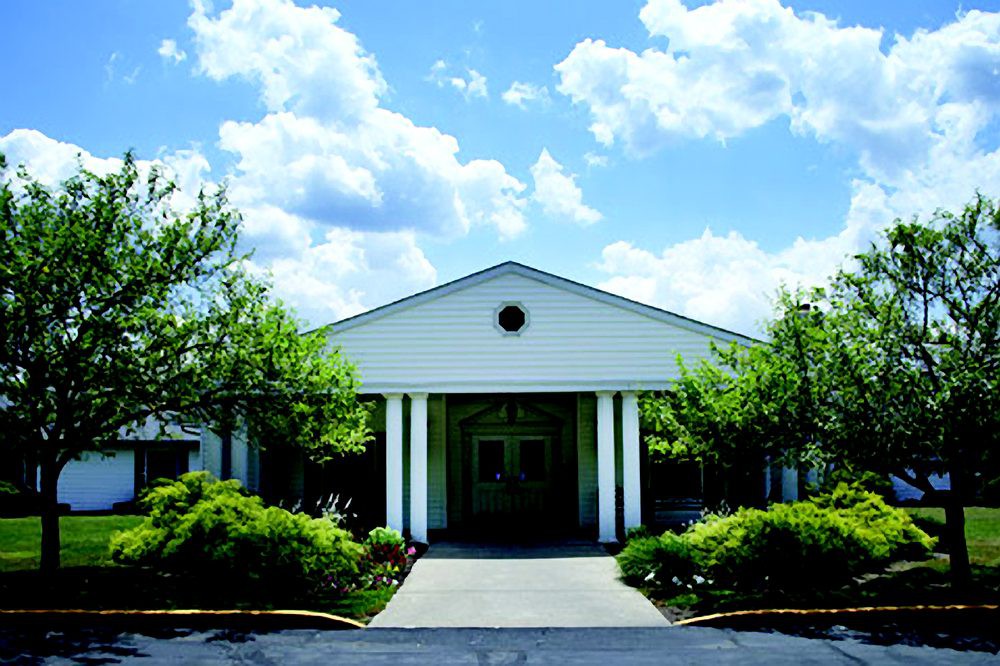
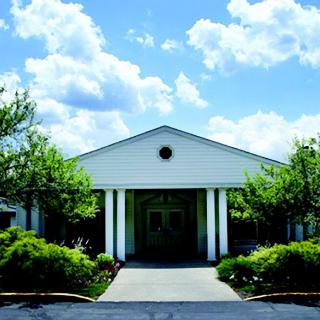
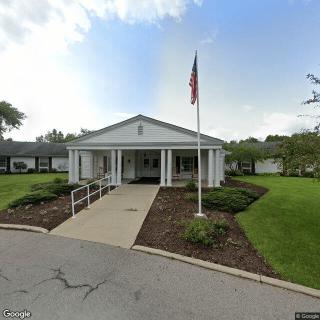
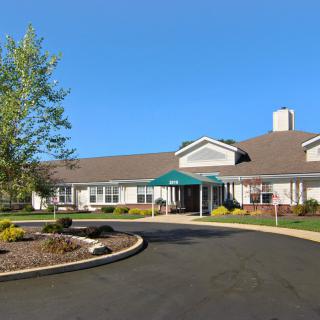
  • Building

    A building entrance with white columns and lush greenery under a partly cloudy sky.
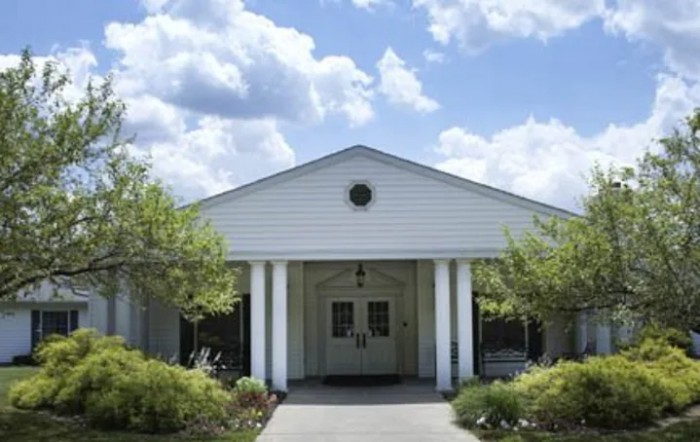
  • Architecture

    A building with a columned entrance surrounded by landscaped gardens under a partly cloudy sky.
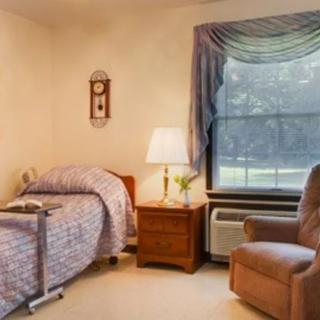
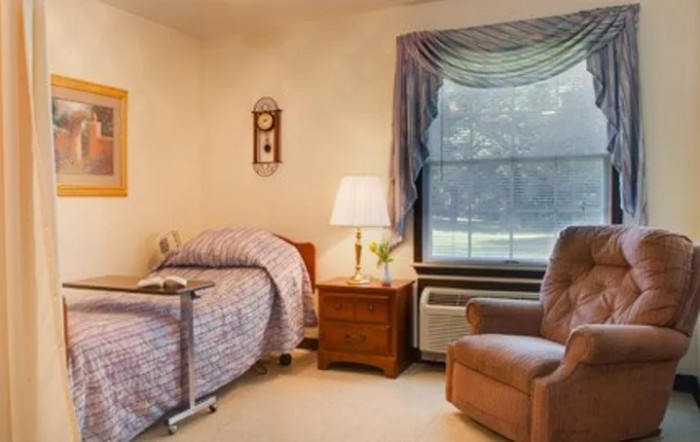
  • Bedroom

    A cozy bedroom with a single bed, bedside table, lamp, and an armchair near a large window.
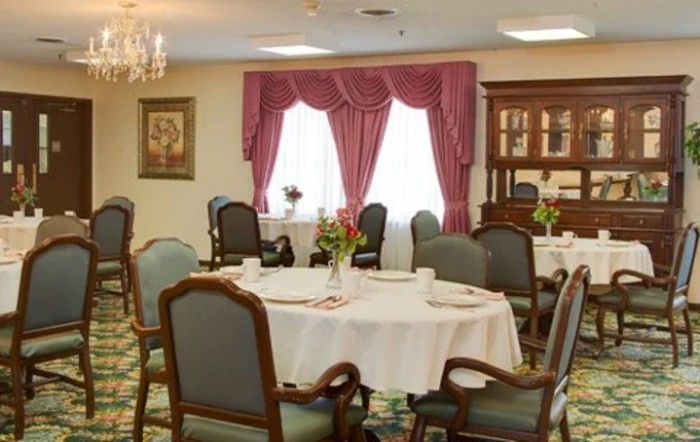
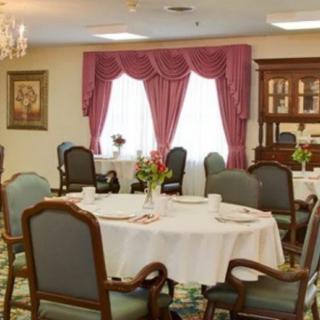
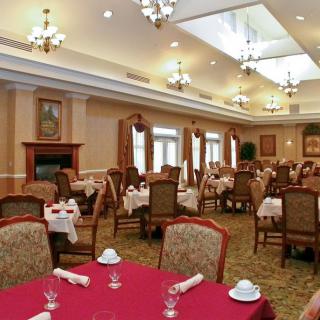
  • Dining

    A cozy dining room with elegantly set tables and floral decorations.
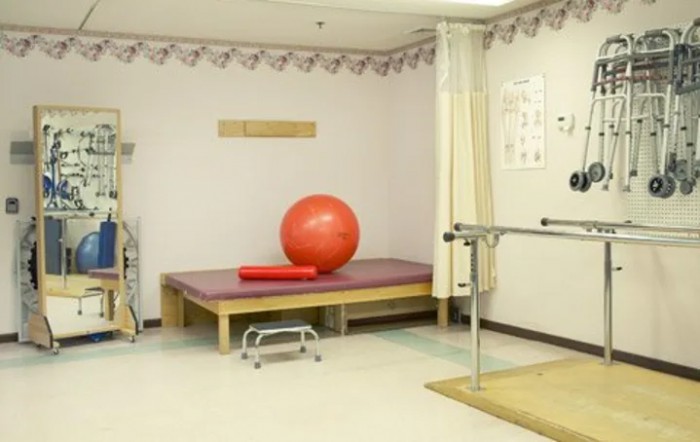
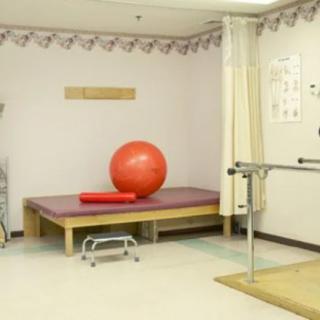
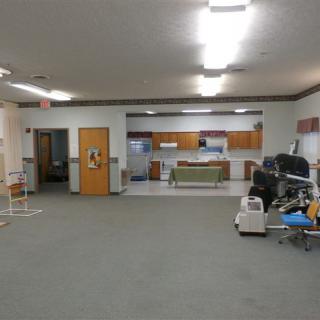
  • Rehabilitation

    A physical therapy room equipped with an exercise ball, mat, and parallel bars for rehabilitation exercises.

Arbors At Mifflin

1600 Crider Road, Mansfield, OH 44903

For more information about senior living options: (844) 490-3973

3.9 from 59 reviews
5 stars
39
4 stars
4
3 stars
1
2 stars
0
1 stars
15

Skilled Nursing Facility

Overall Review of Arbors At Mifflin

Pros

  • pro The nursing staff engage the residents and genuinely care for those in their charge.
  • pro The Arbors at Mifflin staff have been responsive, caring, and helpful.
  • pro The staff are friendly, approachable, and willing to help when asked.
  • pro They were always attentive to residents and checked in on them often, even in the middle of the night.
  • pro The facility felt welcoming, with clean rooms and a comfortable atmosphere.
  • pro Residents have received patient, compassionate care that helped them gain strength to go home.
  • pro The staff offered empathy and support to families during difficult times, sitting with them and sharing in their sorrow.

Cons

  • pro The facility is dismal and understaffed, resulting in inappropriate patient care.
  • pro A resident was left wet in bed all night after urinating, without timely assistance.
  • pro Beds are trough-shaped and not flat, which prevents residents from getting up on their own.
  • pro It is described as not suitable for rehabilitation, more like a place to die.
  • pro A broken call button, lack of water, and very poor or low-quality meals are reported.
  • pro Families are urged not to send loved ones there; staff are accused of lying about care plans and not following them.
  • pro There are claims of staff arguing in front of patients and families, with little empathy from leadership.
  • pro Residents are left unattended for long periods, with missed alarms, and delayed responses to medical needs.
  • pro The facility is described as dirty and poorly maintained, with multiple state-regulator concerns and calls for shutdown.

Review

The collection of reviews about Arbors at Mifflin presents a facility that inspires sharply divergent impressions. Across many voices, the place is described as a real mix of care highs and care lows, with some families praising the staff and rehabilitation results, while others condemn safety lapses, neglect, and a culture of miscommunication. The accounts span short rehab stays and longer placements, and they repeatedly return to questions of staffing levels, adherence to care plans, the quality of meals and amenities, and the human warmth that families depend on in difficult moments.

Several reviews center on a father's abrupt, disappointing experience after a hospital discharge. One account describes a January 2025 admission for a kidney and blood infection, followed by a visit on the first day of that stay in which the facility felt " dismal." The family felt the rehab plan - supposed to guide a brief, focused stay - was not being followed, and the patient reported that staff would not "do anything with him." A nurse was consulted and reportedly confirmed the rehab plan but offered a troubling anecdote: the resident had "an accident" and was able to change his own clothes, yet the prior night he had wet the bed and remained unclean until morning. The bed's configuration - described as not flat but "trough-shaped" to supposedly reduce falls - appeared to the family as a barrier to self-repositioning, rather than a safety feature that supported mobility. The overall impression was of a facility struggling with resources and overwhelmed by demand, and the family left with the sense that their loved one was not being treated with the urgent, attentive care they expected from a rehabilitative setting.

Beyond this initial family experience, other reviewers report a frightening range of lapses in basic patient safety and daily care. In one case, a brother-in-law's stay was marred by a broken call button, little access to water, and meals served on disposable and unattractive ware due to a kitchen remodel. The food itself was described as awful, with one reviewer noting a "tin taste" in Mac and cheese - an example some families view as emblematic of broader neglect and cost-cutting. The callous sentiment from that reviewer - "Don't send your loved ones here!" - reflects a deep fear that cost-saving measures have overshadowed patient comfort and dignity.

Several stories escalate into outright alarm. A particularly emphatic review urged action by the state, labeling the facility a "rat trap" and calling for shutdown. Other accounts described staff conflicts in public view, alleged violations of patient privacy (HIPAA breaches), and a perceived lack of alignment between staff behavior and care plans. One reviewer, transitioning from professional experience in health care, called for family to remove loved ones from the facility, citing filthy rooms, lies told by staff, and a violent dispute among staff witnessed by residents and families. The same account emphasizes that despite repeated mandated reporting, the facility has continued to fall short in core responsibilities, including consistent communication with families and adherence to individualized care plans.

Not all feedback is negative, however. Several reviewers relay markedly positive experiences, highlighting staff members who were described as responsive, caring, and approachable. Some residents recount being welcomed warmly on arrival and feeling supported during rehabilitation. A recurring compliment centers on nursing staff who engage residents and genuinely care for their charge, with particular praise for staff who checked in during the night and offered companionship during a resident's death, sitting with the family and sharing in their grief. In another thread, a resident who underwent physical therapy reports that therapists were patient and encouraging, helping them rebuild strength so that they could return home. There are also notes of appreciation for specific individuals, such as a staff member named Luke, of whom one reviewer wrote that he was "amazing," alongside general praise for the "very nice workers" who helped the reviewer navigate the facility.

Even when rehabilitation outcomes are mixed, several accounts emphasize the social and emotional dimensions of care. A resident who anticipated returning home soon described a transition process that felt smooth, with supportive nursing and therapy staff enabling progress and independence. Others recount the sense of community fostered by the staff, who were described as "kind and helpful" and willing to go the extra mile to ensure residents felt seen and valued. For some families, this combination of kindness, attentiveness, and clear communication translated into a meaningful, if imperfect, recovery story in which rehabilitation services genuinely contributed to improved function and a successful discharge.

Taken as a whole, the reviews sketch a facility whose strengths and weaknesses coexist in a tense balance. On the positive side, some residents and families describe compassionate caregivers, effective rehabilitation services, and staff who make an effort to connect with patients and their families, sometimes even during the most difficult moments. On the negative side, persistent concerns about staffing shortages, inconsistent adherence to care plans, safety and hygiene lapses, subpar meals, and incidents that provoke fear and distrust among families stand out repeatedly. The contrast between these experiences is stark, suggesting a facility that can deliver high-quality, person-centered care in some contexts while faltering dramatically in others.

For families considering Arbors at Mifflin, the picture that emerges is nuanced and situational. Some encounters convey genuine relief and gratitude for dedicated staff and tangible improvements in a loved one's function and well-being; others warn of dangerous gaps in safety, communication, and daily care that can escalate quickly and have lasting emotional impact. If you have a loved one there, the prudent approach is to engage early and often: request clear, written care plans; verify call-bell accessibility and promptness of response; monitor meals and hydration; and keep meticulous notes about any concerns. When concerns arise, escalate them through formal channels and consider independent oversight or state resources to assess quality of care. In short, the facility appears capable of delivering compassionate, effective rehabilitation in some cases, while in others serious deficiencies require timely attention and intervention.

Features

Housing

  • 99 resident community capacity 99 resident community capacity

Types of Care

  • Skilled Nursing Facility Skilled Nursing FacilitySkilled Nursing Facilities are crucial for seniors as they provide round-the-clock medical care, rehabilitation services, and assistance with daily activities. These facilities ensure that seniors receive the specialized care they need to maintain their health and well-being as they age.

Amenities

  • Air-conditioning Air-conditioningAir conditioning is important for seniors as they are more vulnerable to heat-related illnesses and may have underlying health conditions that make it difficult for them to regulate their body temperature. It helps to keep them comfortable, safe, and healthy in hot weather.
  • Beauty salon Beauty salonBeauty salons are important for seniors because they provide a space for them to feel pampered, socialize, and maintain their personal grooming and hygiene. Regular visits to a beauty salon can help boost seniors' self-esteem and overall well-being.
  • Cable or satellite TV Cable or satellite TVCable or satellite TV is important for seniors because it provides entertainment, news, and companionship, helping to combat loneliness and boredom. It also offers a wide range of programming options tailored to different interests and preferences.
  • Computer center Computer centerA computer center is essential for seniors as it provides access to technology, communication tools, and resources that can enhance their daily lives. It allows them to stay connected with loved ones, engage in online activities, and learn new skills, ultimately promoting socialization and mental stimulation.
  • Dining room Dining roomDining rooms are important for seniors as they provide a space for socialization, connection, and nutritious meals. They offer opportunities for residents to bond over shared meals, foster a sense of community, and promote healthy eating habits. Dining rooms also ensure that seniors have access to well-balanced meals tailored to their dietary needs and preferences.
  • Fitness room Fitness roomHaving a fitness room in a senior living community is essential for seniors to stay active, maintain their physical health, and improve their overall well-being. Regular exercise can help prevent falls, reduce the risk of chronic diseases, and promote mental sharpness. It also provides social opportunities for residents to connect with others and enjoy a sense of community.
  • Fully furnished Fully furnishedFully furnished senior living communities are important for seniors because they provide convenience, comfort, and a hassle-free moving experience. Seniors can easily settle into their new living space without the stress of having to buy and move furniture. This allows them to focus on enjoying their new home and community.
  • Gaming room Gaming roomGaming rooms are important for seniors as they provide a fun and engaging environment for socializing, cognitive stimulation, and physical activity. Games can improve memory, problem-solving skills, and overall mental well-being while fostering friendships and reducing feelings of isolation.
  • Garden GardenGardens are important for seniors as they provide a peaceful and therapeutic environment for relaxation, physical activity, and socialization. Being in nature has been shown to reduce stress, improve mood, and promote overall well-being. Gardens also offer opportunities for seniors to engage in gardening activities, which can improve mobility, flexibility, and cognitive function. Additionally, gardens create a sense of community and connection with others who share a passion for plants and outdoor spaces.
  • Housekeeping services Housekeeping servicesHousekeeping services are important for seniors because they help maintain a clean and safe living environment, promote independence, and reduce the risk of accidents or illnesses. Additionally, having assistance with household chores can alleviate physical strain and allow seniors to focus on other aspects of their well-being.
  • Kitchenette KitchenetteKitchenettes are important for seniors living in senior living communities because they provide the convenience and independence of being able to prepare simple meals and snacks in the comfort of their own living space. This can help promote a sense of autonomy and well-being for seniors, allowing them to maintain some level of control over their dietary choices and daily routines.
  • Move-in coordination Move-in coordinationMove-in coordination is important for seniors because it helps ease the transition into their new living environment. It ensures that all logistics, such as packing, organizing movers, and setting up utilities are taken care of, allowing seniors to focus on settling in and adjusting to their new home. Having a smooth move-in process can alleviate stress and anxiety, making the transition smoother and more enjoyable for seniors.
  • Outdoor space Outdoor spaceOutdoor spaces are important for seniors as they provide opportunities for physical activity, social interaction, exposure to natural light and fresh air, and a sense of connection to nature. Having access to outdoor spaces can improve overall well-being and quality of life for older adults living in senior communities.
  • Private bathrooms Private bathroomsPrivate bathrooms are important for seniors in senior living communities because they provide independence, dignity, and comfort. Having a private bathroom allows seniors to maintain their personal hygiene routines without the need for assistance, promoting a sense of autonomy and privacy. Additionally, private bathrooms help prevent the spread of infections and provide a safe and clean environment for seniors to navigate safely.
  • Restaurant-style dining Restaurant-style diningRestaurant-style dining is important for seniors because it allows them to enjoy delicious, nutritious meals in a social and upscale setting. This enhances their dining experience, promotes healthy eating habits, and fosters socialization with fellow residents, ultimately contributing to their overall well-being and quality of life.
  • Small library Small librarySmall libraries are important for seniors as they provide access to a variety of reading materials, including books, newspapers, and magazines. This can help stimulate their minds, keep them engaged, and provide a sense of community through book clubs and other social activities. Additionally, reading has been shown to improve cognitive function and overall mental well-being in older adults.
  • Telephone TelephoneTelephones are important for seniors as they provide a lifeline for communication with loved ones, emergency services, and healthcare providers. They offer a sense of security and independence, enabling seniors to stay connected and access assistance when needed.
  • Wellness center Wellness centerWellness centers are important for seniors because they offer a variety of programs and services that promote physical, mental, and emotional well-being. These centers provide opportunities for exercise, socialization, education, and relaxation, helping seniors maintain their overall health and quality of life.
  • Wi-Fi/high-speed internet available Wi-Fi/high-speed internet availableWi-Fi/high-speed internet is important for seniors to stay connected with loved ones, access online resources, and participate in virtual activities to combat feelings of loneliness and isolation. It also allows them to easily manage healthcare needs, access entertainment, and engage in lifelong learning opportunities.

Transportation

  • Community operated transportation Community operated transportationCommunity operated transportation is crucial for seniors as it provides them with the means to access essential services, social activities, and medical appointments. It allows seniors to maintain their independence and quality of life by ensuring they can participate in activities outside of their homes. Additionally, community-operated transportation services offer a safe and reliable way for seniors to travel without having to rely on family or friends for assistance.
  • Transportation arrangement Transportation arrangementTransportation arrangements are crucial for seniors as they may face challenges with driving, mobility, or access to public transportation. Having reliable transportation services ensures that seniors can easily attend appointments, social activities, and maintain their independence and quality of life.
  • Transportation arrangement (non-medical) Transportation arrangement (non-medical)Transportation arrangements are essential for seniors as they provide access to essential services, activities, and social interactions outside the home. This service helps maintain independence, mobility, and overall well-being for seniors who may have limited transportation options.
  • Transportation to doctors appointments Transportation to doctors appointmentsTransportation to doctors appointments is crucial for seniors as it ensures they have access to necessary medical care and support, promoting their health and well-being. It allows them to receive timely treatment, monitor existing conditions, and address any new health concerns efficiently. Additionally, transportation services can help seniors maintain their independence and quality of life by enabling them to stay connected with their healthcare providers.

Care Services

  • 12-16 hour nursing 12-16 hour nursing12-16 hour nursing care is crucial for seniors in order to ensure around-the-clock monitoring, timely medication administration, and prompt response to any health concerns or emergencies. This level of care helps to promote the overall well-being and safety of seniors living in senior living communities.
  • 24-hour call system 24-hour call system24-hour call systems are important for seniors because they provide peace of mind and immediate assistance in case of emergencies. This technology ensures that help is always available, promoting safety and security for elderly individuals living alone or in assisted living facilities.
  • 24-hour supervision 24-hour supervision24-hour supervision is important for seniors to ensure their safety, well-being, and access to immediate assistance in case of emergencies or health issues. This constant support provides peace of mind for both seniors and their loved ones, allowing them to age in place with dignity and security.
  • Activities of daily living assistance Activities of daily living assistanceActivities of daily living assistance are important for seniors because they provide essential support with tasks such as eating, bathing, dressing, and mobility. This assistance helps seniors maintain their independence, dignity, and overall quality of life as they age.
  • Assistance with bathing Assistance with bathingAssistance with bathing is crucial for seniors as it helps maintain personal hygiene, prevents infections, and ensures their overall well-being and comfort. It also provides a sense of dignity and independence for seniors who may struggle with this task on their own.
  • Assistance with dressing Assistance with dressingAssistance with dressing is important for seniors because it helps maintain their independence, promotes personal hygiene, prevents accidents and injuries, and improves overall quality of life. This service ensures that seniors can continue to dress comfortably and confidently, despite any physical limitations they may have.
  • Assistance with transfers Assistance with transfersAssistance with transfers is crucial for seniors as it helps prevent falls and injuries, maintains their independence, and ensures they can safely navigate their living environment. It also provides peace of mind for both seniors and their loved ones.
  • Diabetes diet Diabetes dietA diabetes diet is crucial for seniors as it helps manage blood sugar levels, reduce risks of complications, and improve overall health and well-being. By following a balanced and nutritious diet tailored to their specific needs, seniors can better control their diabetes and enhance their quality of life.
  • Meal preparation and service Meal preparation and serviceMeal preparation and service are crucial for seniors as they may have limited mobility or energy to cook nutritious meals. Having access to healthy and convenient food options can ensure they are getting the proper nutrition needed to maintain their overall health and well-being.
  • Medication management Medication managementMedication management is crucial for seniors to ensure they are taking the right medications at the correct dosages and times. This helps prevent adverse drug interactions, reduces the risk of medication errors, and promotes overall health and well-being. Proactive management also allows for adjustments as needed based on changing health conditions or new prescriptions.
  • Mental wellness program Mental wellness programMental wellness programs are essential for seniors as they promote cognitive stimulation, emotional support, and social engagement. These programs help prevent isolation, depression, and cognitive decline, ultimately enhancing the overall quality of life for older adults.
  • Special dietary restrictions Special dietary restrictionsSpecial dietary restrictions are important for seniors because age-related changes in metabolism and health conditions can make it difficult for their bodies to process certain foods. By following a diet tailored to their specific needs, seniors can maintain their overall health and well-being, manage chronic conditions, and reduce the risk of complications such as malnutrition or food interactions with medications.

Dining

  • Diabetes diet Diabetes dietA diabetes diet is crucial for seniors as it helps manage blood sugar levels, reduce risks of complications, and improve overall health and well-being. By following a balanced and nutritious diet tailored to their specific needs, seniors can better control their diabetes and enhance their quality of life.
  • Special dietary restrictions Special dietary restrictionsSpecial dietary restrictions are important for seniors because age-related changes in metabolism and health conditions can make it difficult for their bodies to process certain foods. By following a diet tailored to their specific needs, seniors can maintain their overall health and well-being, manage chronic conditions, and reduce the risk of complications such as malnutrition or food interactions with medications.

Activities

  • Community-sponsored activities Community-sponsored activitiesCommunity-sponsored activities are important for seniors as they provide opportunities for social interaction, mental stimulation, and physical activity. These activities can help improve overall well-being, combat loneliness and isolation, and promote a sense of belonging and purpose among older adults.
  • Concierge services Concierge servicesConcierge services are essential for seniors as they provide assistance with daily tasks and errands, enhance their quality of life by offering convenience and personalized care, and promote a sense of safety and security.
  • Fitness programs Fitness programsFitness programs are crucial for seniors as they help improve strength, flexibility, balance, and overall well-being. Staying active can reduce the risk of chronic diseases, improve mental health, and enhance quality of life in older adults.
  • Planned day trips Planned day tripsPlanned day trips are important for seniors because they offer opportunities for socialization, mental stimulation, and physical activity. They provide a change of scenery and help seniors stay engaged and connected to their community, promoting overall well-being and quality of life.
  • Resident-run activities Resident-run activitiesResident-run activities are important for seniors as they encourage social interaction, creativity, and a sense of autonomy. These activities empower seniors to stay engaged and active in their community while fostering meaningful connections with their peers.
  • Scheduled daily activities Scheduled daily activitiesScheduled daily activities are important for seniors because they provide structure, socialization, mental stimulation, and physical activity. Engaging in regular activities can improve overall well-being and quality of life for seniors living in a community setting.

Description

The Arbors At Mifflin in Mansfield, OH offers a comfortable and comprehensive assisted living community for seniors. Residents can enjoy a variety of amenities designed to enhance their daily lives, including a beauty salon for grooming needs, access to cable or satellite TV for entertainment, and community-operated transportation for convenient travel. A computer center is available for residents to stay connected, while a fully furnished living space provides comfort and convenience.

For recreational activities, the community offers a gaming room and small library for leisurely pursuits. Residents can also take advantage of the outdoor space and garden areas to connect with nature. Daily housekeeping services ensure that living spaces are kept clean and tidy. Private bathrooms provide residents with privacy and independence.

Meals are served in a restaurant-style dining setting, with special dietary restrictions accommodated. A kitchenette is available for those who wish to prepare their own meals. Additionally, wellness is prioritized with the presence of a fitness room and wellness center on-site.

Care services at Arbors At Mifflin include a 24-hour call system for emergencies and 24-hour supervision to ensure the safety of residents. Trained staff members assist residents with activities of daily living such as bathing, dressing, and transfers. Medication management is provided along with assistance in managing diabetes diets.

Transportation arrangements are made both non-medical purposes as well as transportation to doctors' appointments. Move-in coordination is offered to ease the transition into the community.

Residents can enjoy various activities organized by the community including fitness programs, scheduled daily activities, planned day trips, and resident-run activities. Concierge services are available to assist residents in accessing local resources.

With convenient access to nearby cafes, pharmacies, physicians' offices, restaurants, places of worship, and hospitals, Arbors At Mifflin ensures that residents have easy access to essential services within close proximity. Overall, this assisted living community offers a supportive environment where seniors can thrive and enjoy a fulfilling lifestyle.

Videos

Nearby Places of Interest

Physicians

  • Granson Alfred MD (0.2 miles)
  • Madison Family Practice (2.7 miles)
  • Dr Peter.Roemer's Office (4.1 miles)
  • Allergy & Asthma Clinics of Ohio (4.1 miles)
  • Richland Pediatrics (4.1 miles)
  • North Central Ohio Clinic (4.1 miles)
  • Mid-Ohio Neurosurgical Care (4.2 miles)

Restaurants

  • Wendy's (1.1 miles)
  • China Town (2.7 miles)
  • Hudson and Essex (3.5 miles)
  • The Phoenix Brewing Company (3.5 miles)
  • Uncle John's Place (3.7 miles)
  • Park 116 (3.8 miles)
  • Mansfield Family Restaurants (4.7 miles)

Cafes

  • Tim Hortons (1.2 miles)
  • Open Door Cafe (5.6 miles)
  • Starbucks (6.7 miles)

Places of Worship

  • Stewart Road Church of God (1.4 miles)
  • Foursquare Gospel Church (3.3 miles)
  • Apostolic Church of Christ (3.5 miles)
  • First United Methodist Church (3.6 miles)
  • St Luke's Lutheran Church (4.1 miles)
  • Impulse Student Ministries (5 miles)
  • Church of God (5.1 miles)

Hospitals

  • Kindred Healthcare (4.4 miles)
  • Medcentral Health System (4.4 miles)
  • Kindred Hospital Central Ohio (4.4 miles)

Pharmacies

  • Medicine Shoppe (4.6 miles)
  • Good Neighbor Pharmacy (4.6 miles)
  • CVS Pharmacy (5.3 miles)
  • Walgreens (5.4 miles)
  • Rite Aid (5.5 miles)
  • CVS Pharmacy (6.4 miles)
  • Kroger Pharmacy (6.7 miles)

Transportation

  • U-Haul Neighborhood Dealer (5.1 miles)

Parks

  • Gilliom-Cherp Nature Park (6.7 miles)

Frequently Asked Questions

Where is Arbors At Mifflin?
What photos are available for Arbors At Mifflin in Mansfield, Ohio?

Nearby Communities

Skilled Nursing Facility in Nearby Cities

Related Resources

  • uber for seniorsSeniors and Modern Transportation: Exploring Uber, Lyft, and Other Ride-Hailing Options
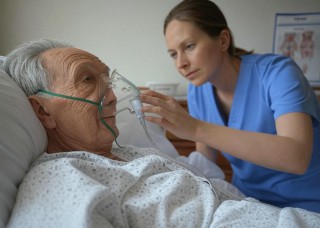
    Seniors benefit from ride-hailing services like Uber and Lyft, which provide convenient and accessible transportation options that promote independence and social engagement, while addressing mobility challenges. These platforms have adapted to meet senior needs with user-friendly features and safety measures, although costs can be a concern; community programs may help subsidize rides for older adults.

  • who qualifies for home health care servicesComprehensive Guide to Qualifying for Home Health Care Services

    The guide outlines the eligibility criteria for home health care services, emphasizing clinical requirements, insurance options, and application processes. It distinguishes between Medicare's strict and Medicaid's flexible qualifications while addressing challenges families may face in securing necessary care at home.

  • what is elder abusePowerful Realities of Elder Abuse and the Most Effective Ways to Report It
    Elder abuse affects many older adults worldwide and includes physical, emotional, neglectful, and financial harm, with about one in six individuals over 60 experiencing abuse annually. Prevention and intervention strategies focus on awareness, support for caregivers, and mandatory reporting, while recovery necessitates comprehensive support for both physical and emotional needs.