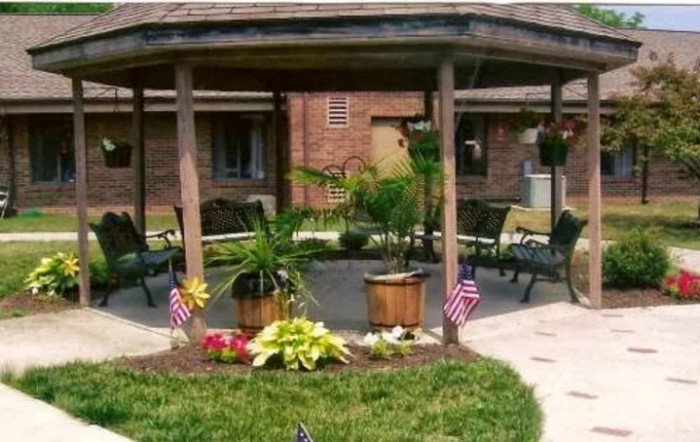
804 South Mumaugh Road, Lima, OH 45804
For more information about senior living options: (866) 208-4318
Overall Review of Lost Creek Health Care And Rehabilitation Center
Pros
 The workers here have a lot of heart and have been Covid-free since the pandemic started.
- The physical and occupational therapists at Lost Creek are a marvelous and wonderful group of people.
- The nursing staff are knowledgeable about medications and take time to explain them to residents.
- Housekeeping keeps rooms clean and supplies replenished, with warm and friendly dedication to residents’ well-being.
- Management is a great group of people who take time to explain how things are done.
- The facility is described as a gem with the best therapy around, and the staff are overly accommodating, making families feel like royalty.
- Residents report being treated kindly, respectfully, and honestly during their stay.
Cons
 The staff department heads are rude and abusive.
- The facility never evaluated the resident's condition, delaying physical therapy for three months.
- The room had ten broken items, unfinished painting, blood-stained curtains, and poor housekeeping.
- Maintenance and social worker staff yelled from day one about the resident's room restrictions.
- The staff are mostly female and bond together against residents.
- The local ombudsman was biased and dismissed complaints because she was friends with the social worker.
- The kitchen routinely gave the resident milk with no cereal.
- The facility wasted three months of Medicaid payments with no therapy.
- The resident's health condition worsened after the hospital.
- The facility deserves zero stars and should be avoided.
Review
Lost Creek Health Care and Rehabilitation Center in Lima, Ohio is best suited for seniors who prioritize vigorous rehabilitation and therapy and have family members ready to oversee care and advocate for timely services. The strongest argument for this community lies in its therapy teams; several residents praise the physical and occupational therapists as skilled, dedicated professionals who can drive meaningful recovery. Nursing staff are repeatedly described as knowledgeable about medications and capable of explaining how each drug works. When these therapeutic strengths align with attentive nursing and consistent housekeeping, the facility can deliver real rehab gains and bedside support that make a measurable difference in short-term recovery.
That said, families should explicitly consider alternatives if reliability and daily living conditions are nonnegotiable. The reviews reveal a pattern of care gaps that can derail progress, including slow or insufficient nurse responses, noisy environments at night, and inconsistent communication about resident needs. Several accounts describe rooms with maintenance issues, unclean spaces, and equipment problems that undermine comfort and safety. Billing and scheduling tensions also surface in the anecdotes, suggesting a need for families to push for clear, documented processes. For anyone seeking a consistently quiet, well-maintained setting with predictable responsiveness, other facilities may offer a more stable daily experience.
The positives here, high-quality therapists, proactive medication discussion by nurses, and generally reliable housekeeping, can offset some shortcomings when rehab is the central goal. The therapy staff’s expertise appears to create real momentum for residents preparing for surgery or recovering from acute events, and the benefit of a team that clearly cares about medical details should not be dismissed. Where these strengths are present, residents often report progress, more confidence in regaining independence, and a sense of being personally attended to during critical rehab windows. This indicates that for the right resident, especially one with family oversight, the care trajectory can still be favorable.
However, the cons consistently cited cannot be dismissed. Repeated reports of rude or dismissive staff, and episodes where residents waited long for pain relief or assistance, signal a breakdown in day-to-day reliability. The mix of experiences with room maintenance, noise, and decor contributes to an atmosphere that can feel unsettled or disheartening, particularly for those who value predictable routines and a calm, respectful milieu. Financial and administrative frictions, such as difficulties with payments, unclear processes, and inconsistent record-keeping, compound the practical challenges of daily life in the facility. Taken together, these issues create a risk profile that may erode trust and limit the rehab gains if not actively managed.
In practical terms, families weighing this community should test the waters before committing. Investigate whether therapy schedules are stable and accessible, confirm call-back times for nursing needs, and request a walk-through that includes a room with functioning fixtures and clean surroundings. Ask for a transparent overview of how medication management is coordinated across shifts, and observe how staff interact with residents to gauge genuine engagement versus task-focused care. If choosing Lost Creek, insist on a defined care plan with a dedicated point person for rehabilitation and a documented escalation path for any concerns. The facility’s rehab strengths can deliver meaningful outcomes, but only when the operational gaps are actively addressed and monitored.
Overall, Lost Creek Health Care and Rehabilitation Center presents a mixed value proposition. For families whose priority is robust, well-delivered therapy and who can tolerate a variable day-to-day environment, the facility offers undeniable upside. For others, especially those who require consistently responsive care, clean and quiet living spaces, and airtight administrative reliability, the risks highlighted by residents and family members suggest caution. In the current climate, this community is best pursued with clear expectations, stringent oversight, and a plan for ongoing family involvement. If those conditions cannot be met, exploring alternatives with broader consensus around daily care quality and fewer reliability concerns is strongly advised.
 70 resident community capacity
 Skilled Nursing Facility
 Air-conditioning
 Beauty salon
 Cable or satellite TV
 Computer center
 Dining room
 Fitness room
 Fully furnished
 Gaming room
 Garden
 Housekeeping services
 Kitchenette
 Move-in coordination
 Outdoor space
 Private bathrooms
 Restaurant-style dining
 Small library
 Telephone
 Wellness center
 Wi-Fi/high-speed internet available
 Community operated transportation
 12-16 hour nursing
 24-hour call system
 Activities of daily living assistance
 Assistance with bathing
 Assistance with dressing
 Assistance with transfers
 Diabetes diet
 Medication management
 Mental wellness program
 Special dietary restrictions
 Concierge services
 Planned day trips

 Navigating Medicare Coverage for In-Home Care Services
 In-Home Care Costs in 2025: A Detailed State-by-State Exploration
 Understanding Home Health Care: A Comprehensive Guide