
395 Harding Street, Defiance, OH 43512
For more information about senior living options: (866) 208-4318
Overall Review of Twin Rivers Center
Pros
 The experience was great, with no wait, and the staff were amazing from check-in to check-out.
- The staff are very friendly and the atmosphere is clean.
- The environment is great.
- Twin Rivers Center had an accommodating staff and beautiful facilities.
- The place is friendly and warm from the moment you walk in; the staff are helpful and responsive.
- The staff are very nice and friendly.
- The staff are some of the most caring people in any rehabilitation center in Ohio.
- The building is beautiful and the staff are wonderful.
- The team at SKLD Defiance is compassionate and caring.
- The team at SKLD Defiance is working to get residents home quickly and safely.
Cons
 In one case, insulin was not given when needed, and breakfast options were limited to French toast drowning in syrup, oatmeal with brown sugar, and orange juice.
- They still didn't receive insulin or pills until almost noon.
- The reviewer would not recommend the facility, especially for people with special needs, and suggested finding somewhere that would provide better care.
- The hallways smelled like urine.
- The food was cold and barely cooked.
- Residents' personal hygiene was not given top priority.
- Some staff seemed to treat working with residents as a hassle.
- The majority of staff were perceived as not caring.
Review
Twin Rivers Center in Defiance, OH is best suited for families seeking a practical, dignity-focused rehabilitation pathway after hospitalization, with the goal of returning a loved one home quickly and peacefully. This community excels for residents who respond to a warm, hands-on culture where staff are engaged, approachable, and genuinely committed to progress. It works well for those who prize a clean, home-like atmosphere, bright spaces, and friendly daily interactions that ease the transition from hospital to daily living. It is a strong fit for post-surgical recovery, amputee care, and other transitions where a proactive rehab plan and discharge-focused mindset matter most. Those needing highly regimented medical oversight around the clock or specialized, complex nursing requirements may want to consider alternatives.
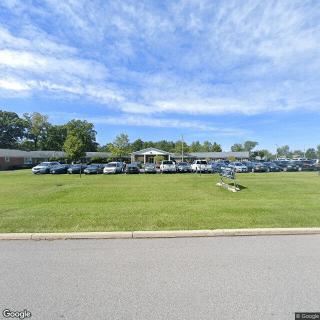
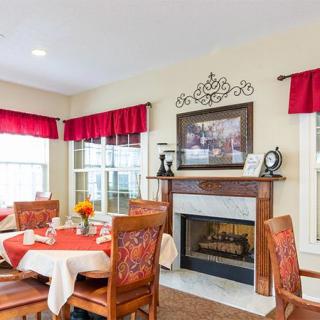
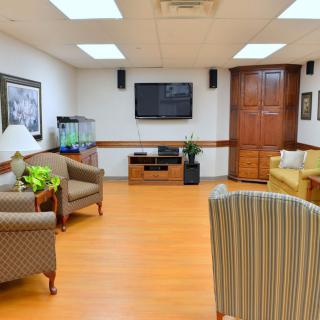
The core strength is the caregiving team. Reviews consistently describe staff as friendly, compassionate, and deeply attentive to residents’ needs, with a palpable emphasis on getting people back home safely. The rehab emphasis is clear: caregivers are patient, proactive, and oriented toward tangible progress, mechanisms families can see in daily routines and discharge planning. The environment reinforces the positives, clean facilities, welcoming common areas, and rooms with views that reduce stress and encourage participation in activities. Dining is frequently highlighted as a plus, with accounts of homemade touches and attentive service contributing to overall comfort and morale. Taken together, these elements create a setting where residents feel valued and families gain confidence in the care trajectory.
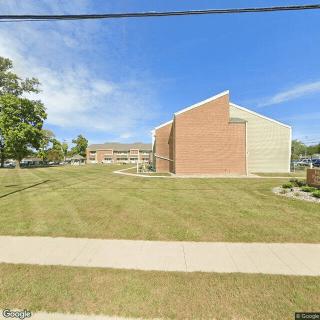
Communication and the operational tempo emerge as another clear advantage. Families report prompt responses, straightforward tours, and steady guidance through the discharge process, which reduces uncertainty during a stressful time. The facility’s design and landscaping, along with well-maintained rooms, contribute to a sense of well-being that aligns with recovery goals. The combination of eager staff, a clear focus on getting residents home, and a pleasant, organized environment often translates into smoother stays, fewer delays, and a more collaborative experience for families navigating the rehab journey.
Yet, a minority of experiences underscore real concerns about consistency and basic care tasks. One admission after secondary amputation described delays in insulin and other medications, highlighting a gap in timely medical administration that understandably undermines trust in the care plan. Another account mentioned odors in hallways, meals arriving cold, and a perception that personal hygiene and nursing attentiveness were not consistently prioritized. While these issues do not define every resident’s experience, they reveal potential variability in day-to-day operations. Such episodes merit careful verification during any tour, particularly for residents with explicit medical or daily living needs.
Despite these caveats, the positive experiences carry substantial weight for many families. The strong rehab orientation paired with a genuinely caring staff creates a meaningful buffer against the occasional misstep, especially for those prioritizing emotional warmth, active discharge planning, and a setting that fosters social engagement and dignity. The reality is that Twin Rivers Center often delivers on the most practical needs: progress toward independence, quicker transitions home, and a supportive, comforting environment that reduces stress for residents and families alike. The decision hinges on aligning these strengths with the nonnegotiables of care quality, safety, and consistency.
For families considering Twin Rivers Center, the wisest course is a focused, tactile inquiry process. Seek specifics on nurse-to-resident ratios, especially during peak hours; ask how insulin and other critical meds are supervised and what the typical response time is if a dose is missed; probe meal quality and temperature controls, plus options if appetite fluctuates. Request an opportunity to observe care on a busy shift and to speak with current residents about daily hygiene and support. If the answers reinforce reliable, proactive care, rapid, homeward-focused rehabilitation, and a genuinely warm environment, Twin Rivers Center stands out as a robust, well-rounded option. If the priority is unwavering medical rigidity, perfectly consistent medication timing, and flawless cleanliness at every moment, it may be prudent to explore alternatives with a more tightly regulated model.
 93 resident community capacity
 Skilled Nursing Facility
 Air-conditioning
 Beauty salon
 Cable or satellite TV
 Computer center
 Dining room
 Fitness room
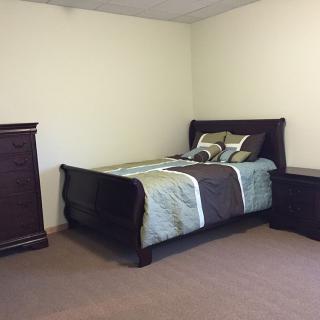
 Fully furnished
 Gaming room
 Garden
 Housekeeping services
 Kitchenette
 Move-in coordination
 Outdoor space
 Private bathrooms
 Restaurant-style dining
 Small library
 Telephone
 Wellness center
 Wi-Fi/high-speed internet available
 Community operated transportation
 12-16 hour nursing
 24-hour call system
 Activities of daily living assistance
 Assistance with bathing
 Assistance with dressing
 Assistance with transfers
 Diabetes diet
 Medication management
 Mental wellness program
 Special dietary restrictions
 Concierge services
 Planned day trips

 Understanding the Nuances of Palliative Care and Hospice: A Comprehensive Exploration
 Fecal Incontinence in Older Adults: A Comprehensive Guide
 Recognizing the Journey: Understanding and Navigating Anticipatory Grief