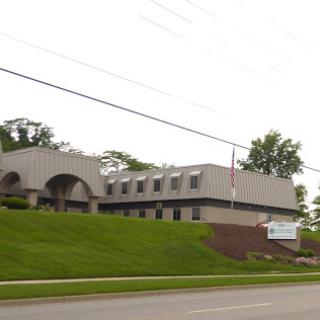
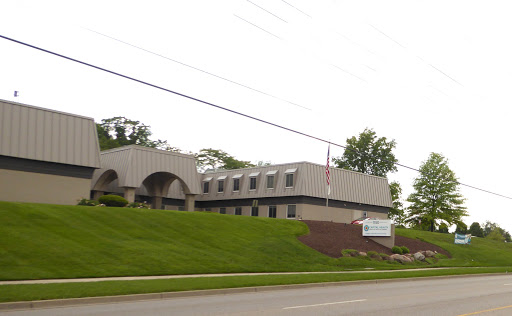
1150 West Dorothy Lane, Kettering, OH 45409
To contact a resident: (937) 293-1152
For more information about senior living options: (866) 208-4318
Overall Review of The Oaks Of West Kettering
Cons
 They have had items stolen from their room four times in the last four months, including money.
- Personal belongings have been going through on a regular basis.
- They have complaints, but nothing has been done yet.
- They are very angry and disappointed that no action has been taken to stop this abuse.
- They may report this to the state if no action is taken.
- Being robbed four times is unsatisfactory.
Review
The Oaks of West Kettering is best suited for seniors who want a conventional assisted-living option in the Kettering area and can tolerate ongoing questions about security and service responsiveness. In practice, the strongest appeal lies in the familiarity of a standard program, rooms, meals, and routine care, without claiming anything beyond the basics. Yet the credibility of those offerings hinges on safety and reliable oversight, and the current feedback undercuts that premise. Residents’ reports of repeated concerns about personal security and staff responsiveness cast a long shadow over what otherwise might be a straightforward choice.
Those who should clearly consider alternatives are families that place a premium on protecting personal belongings, transparent incident handling, and proactive management. If any resident keeps cash, jewelry, or other small valuables, or if family members require timely, credible action when problems arise, the reviews point to a misalignment with those expectations. For any household unwilling to settle for reactive, unclear responses or to accept the possibility of ongoing unresolved issues, other local options with demonstrable security measures and robust incident management deserve serious scrutiny.
Two reviews, strikingly similar, describe a troubling pattern: items stolen from residents’ rooms, including money, on multiple occasions over a four-month period; belongings rummaged regularly; complaints filed yet no action taken; a clear warning that the situation could be ignored or escalated. The repetition signals something more systemic than an isolated incident, and the absence of visible accountability, no documented investigations, no remediation, no reassurance to other residents, significantly weakens the trust required to feel secure living there. This is more than an inconvenience; it calls into question the fundamental safety culture of the community.
With security so compromised, the potential advantages of any standard assisted-living program are overshadowed. Even if the facility delivers routine care tasks, social activities, housekeeping, and meals, those positives are eclipsed by the fear of theft and the perceived lack of a credible corrective plan. The reviews do not present a countervailing set of strengths that would offset these concerns; rather, they amplify risk and erode confidence in staff accountability. In practical terms, peace of mind, an essential element of senior living, diminishes when residents feel personal belongings are not safeguarded and complaints carry no dependable consequence.
From a decision-making standpoint, the emphasis should be on verifying security and process, not on assuming the best. Families are urged to conduct a rigorous on-site evaluation focusing on security measures and responsiveness. Request incident logs and talk with current residents about day-to-day protections, staff conduct, and how quickly concerns are acknowledged and resolved. Probe the specifics of physical safeguards, locks, surveillance, secure storage, and how housekeeping interacts with room safety. Demand a clear chain of accountability for theft, with explicit timelines for investigation and remediation. If responses to these inquiries remain vague or defensive, that is a clear signal to look elsewhere.
In the end, the prudent path is to weigh stronger alternatives with proven safety records against the undeniable concerns raised here. If The Oaks remains in consideration, secure concrete commitments: an immediate review of security protocols, a transparent incident-response plan, and measurable improvement milestones with independent oversight if possible. Otherwise, prioritize communities that offer verifiable safety assurances, proactive staff training, and a demonstrable track record of rapid, concrete action when problems arise. Security and trust are non-negotiable; when they are in doubt, moving toward options with clearer protection for residents’ belongings and more reliable oversight is the responsible choice.
 118 resident community capacity
 Skilled Nursing Facility
 Air-conditioning
 Beauty salon
 Cable or satellite TV
 Computer center
 Dining room
 Fitness room
 Fully furnished
 Gaming room
 Garden
 Housekeeping services
 Kitchenette
 Move-in coordination
 Outdoor space
 Private bathrooms
 Restaurant-style dining
 Small library
 Telephone
 Wellness center
 Wi-Fi/high-speed internet available
 James M Cox Dayton International (14 miles away)
 Community operated transportation
 12-16 hour nursing
 24-hour call system
 Activities of daily living assistance
 Assistance with bathing
 Assistance with dressing
 Assistance with transfers
 Diabetes diet
 Medication management
 Mental wellness program
 Special dietary restrictions
 Concierge services
 Planned day trips
 Great access to healthcare and local amenities.




 California's Form 602A: An In-Depth Examination of Senior Care Assessment
 Comprehensive Look at Senior Blood Pressure Charts: Normal and Elevated Levels by Age
 Top Canine Companions for Older Adults