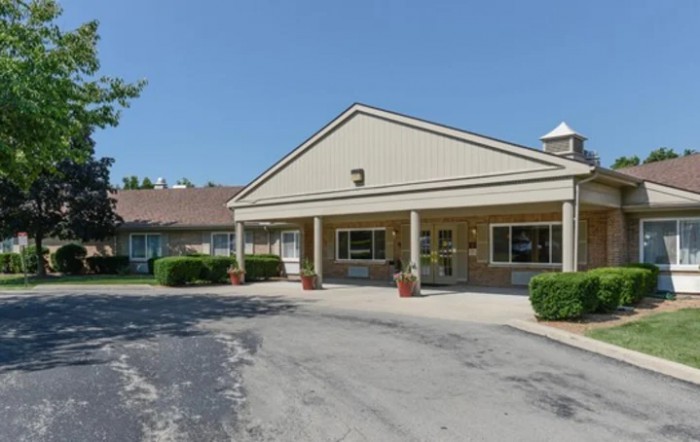
3313 Wilmington Pike, Kettering, OH 45429
For more information about senior living options: (866) 208-4318
Overall Review of Heartland Of Kettering
Pros
 He received nothing but the best of care possible.
- The staff who cared for him spoke highly of him.
- A staff member stayed with him at his final moments, which meant a lot to the family.
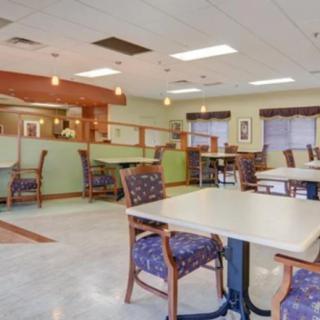
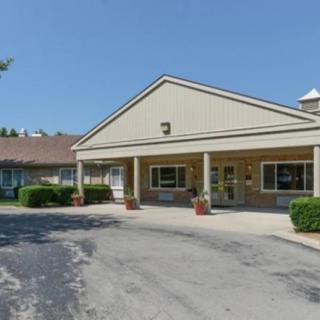
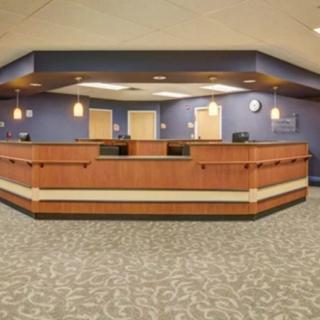
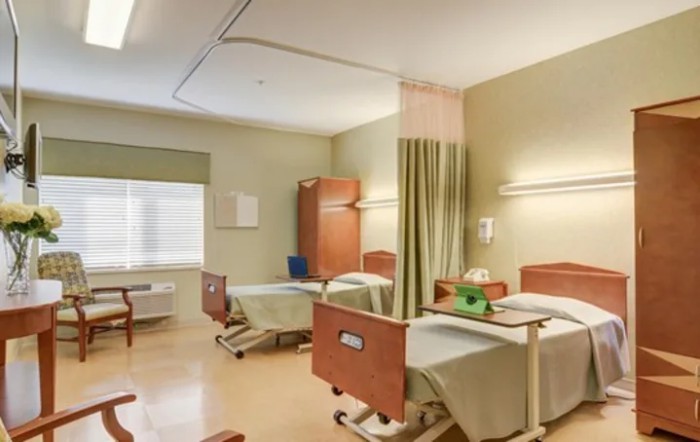
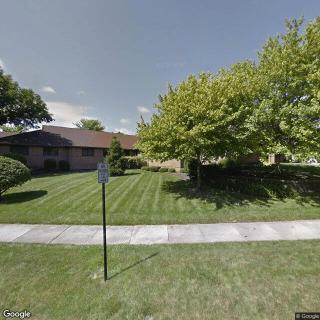
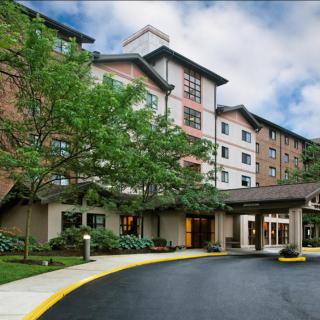
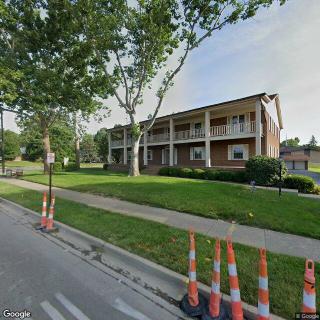
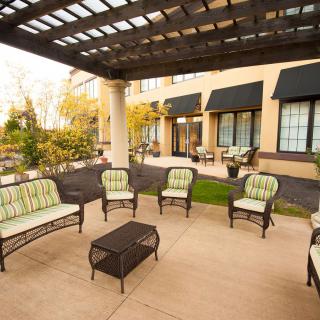
- The facility was well laid out and well maintained.
- The residents all seemed to be in the best of spirit.
- The staff were very friendly and took time with each resident.
- The food was very healthy and served hot.
- All of the residents were well groomed.
Cons
 The facility is severely understaffed.
- The staff were rude and overly rough on elderly patients.
- They were inattentive.
- Staff left the immobile dad naked on the toilet for over an hour.
- Basic hygiene was not routinely performed.
- They discarded cold, uneaten food, leaving him hungry.
- Basic human care was not implemented at the facility.
- The food was lousy.
- The reviewer would not recommend this place for long-term nursing care nor for physical therapy.
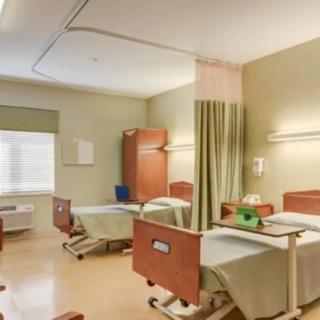
- The rooms were fairly small.
Review
Heartland Of Kettering is best suited for seniors whose families prize genuine, hands-on caregiving and a community where staff interactions can translate into meaningful daily moments. The brightest notes come from demonstrations of real compassion, including one resident’s end-of-life moment when a dedicated staff member remained beside the family as the person took their last breath, signaling that care can rise to the occasion in intimate, difficult times. For residents who respond well to routine, personal attention, and a reasonably well-kept environment, this community can deliver a steady, albeit imperfect, caregiving baseline.
Yet this is not a universal fit. The most consequential caveat is staffing: multiple accounts describe severe understaffing, rude attitudes, and inattentiveness, with vivid examples of basic hygiene lapses and delayed assistance that erode dignity. For seniors needing vigilant supervision, consistent reminders, or robust help with activities of daily living, alternatives with higher staffing ratios and stronger training are worth pursuing. In addition, the absence of a dedicated Alzheimer’s unit, coupled with reports of small rooms and uneven quality of meals, suggests that residents with memory challenges or those who prize larger accommodations might find better matches elsewhere.
On the upside, the facility’s design and upkeep can support a workable daily routine when staff are engaged. A visitor described the layout as well maintained, grounds in regular repair, and a dining service that delivers hot meals promptly. Medications were handled with care, and staff who interacted with residents were patient and attentive, implying that the best days here reflect capable teams who invest time in each person. In the right moments, residents appear well-groomed and engaged, which demonstrates how the community can shine when operations run with sufficient staffing and a steady culture of respect.
However, the main cons stubbornly persist in the experience of others. Reports describe an immobile resident left sitting naked on a toilet for over an hour, with no immediate help or supplies, and food left unattended and then discarded, revealing patterns that jeopardize safety and dignity. When a phone is placed out of reach, critical family contact can feel blocked at the moment of greatest need. These episodes are not mere anecdotes but markers of gaps in supervision and accountability that families will want to probe before committing, underscoring the risk that good care can be inconsistent and heavily shift-dependent.
Memory care and space considerations matter for incoming residents. The lack of a separate building for Alzheimer’s patients means there is no specialized unit, which can leave memory-impaired individuals without the tailored environment some families require. Small rooms further limit privacy and comfort, and while some reviews praise timely service and well-groomed residents, others describe a dinner quality problem. Prospective buyers should insist on seeing consistent attention across shifts, verify the availability of cognitive support, and compare with facilities that offer memory-care-focused units, larger accommodations, and more predictable dining quality.
Overall, Heartland Of Kettering presents a mixed but real option for families who can anchor decisions to ongoing oversight and direct conversations with staff and administrators. For those who require unwavering staffing, higher hygiene standards, robust dementia care, and consistently strong dining experiences, alternatives should be on the shortlist. Before choosing, arrange multiple on-site visits at different times, speak with current residents and families, request performance data on response times and staffing levels, and assess whether the administration demonstrates a clear plan to address past concerns. When those checks align with the positive moments already observed, kind, engaged caregivers and a clean, functional environment, Heartland Of Kettering can be a practical, workable home, but only with careful, proactive management and vigilant ongoing oversight.
 115 resident community capacity
 Skilled Nursing Facility
 Air-conditioning
 Beauty salon
 Cable or satellite TV
 Computer center
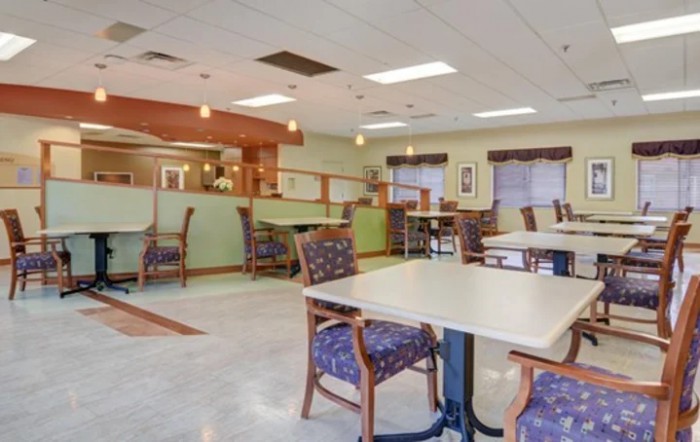
 Dining room
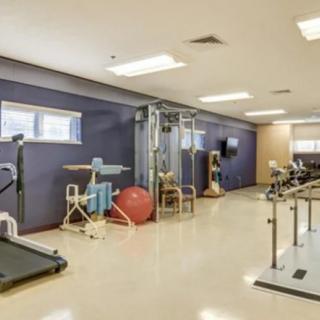
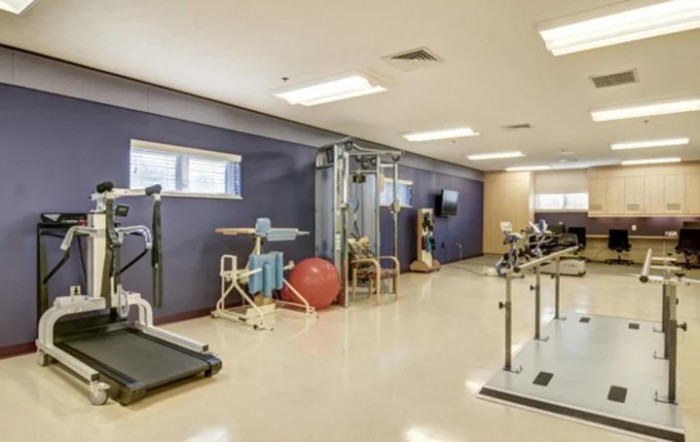
 Fitness room
 Fully furnished
 Gaming room
 Garden
 Housekeeping services
 Kitchenette
 Move-in coordination
 Outdoor space
 Private bathrooms
 Restaurant-style dining
 Small library
 Telephone
 Wellness center
 Wi-Fi/high-speed internet available
 James M Cox Dayton International (15 miles away)
 Community operated transportation
 12-16 hour nursing
 24-hour call system
 Activities of daily living assistance
 Assistance with bathing
 Assistance with dressing
 Assistance with transfers
 Diabetes diet
 Medication management
 Mental wellness program
 Special dietary restrictions
 Concierge services
 Planned day trips
 6 Crucial Ways an Elder Law Attorney Assists Families
 Navigating the Tax Landscape of Caregiving: Credits, Deductions, and Beyond
 Highly Beneficial Low-Impact Exercises for Senior Living Residents