For more information about senior living options: (866) 208-4318
3.5 from 77 reviews
5 stars
38
4 stars
9
3 stars
4
2 stars
3
1 stars
23
Overall Review of Mount Washington Care Center
caveat15 reviews mention this
Cleanliness draws strong reactions
Cleanliness concerns show up alongside residents’ reports of a consistently clean building.
Several reviews describe the facility as dirty or not well maintained, including complaints about dusty rooms, smells, and pests. A smaller set of reviews contrasts that by describing the building as immaculately clean and rooms cleaned regularly. Because reports split both ways, cleanliness appears to be a recurring point families weigh carefully when considering care here.
caveat16 reviews mention this
Staffing and care delivery vary
Residents and families describe major differences in how care is delivered day to day.
Some reviews criticize care delivery, citing issues like missed bathing, delayed or missing medication, problems following care plans, and not responding to calls for help. Other reviews say nurses and aides are caring and attentive, with enough support to help residents eat, drink, and participate in rehab. A few reviewers also raise concerns about staffing turnover or shortages affecting responsiveness. Overall, staffing and consistency of day-to-day care is a central theme in the feedback.
common13 reviews mention this
Dining quality is frequently mentioned
Food quality and serving temperature come up often in reviews.
Dining feedback is mixed: some residents and families say meals are good or tasty, while others report food is cold or “horrible.” Reviews also mention that dietary needs are handled in some cases, including special diets, and that portioning or meal assistance can impact whether residents are able to eat. Even when care is praised overall, food temperature and quality remain a frequent day-to-day concern for families reading the reviews.
common7 reviews mention this
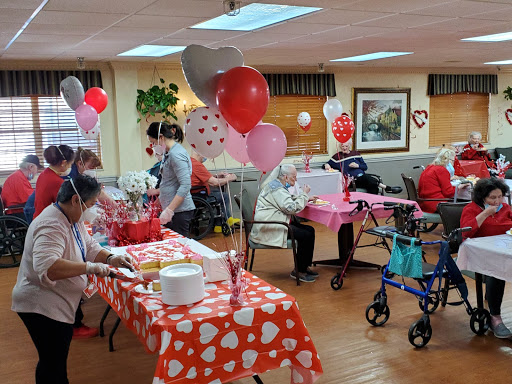
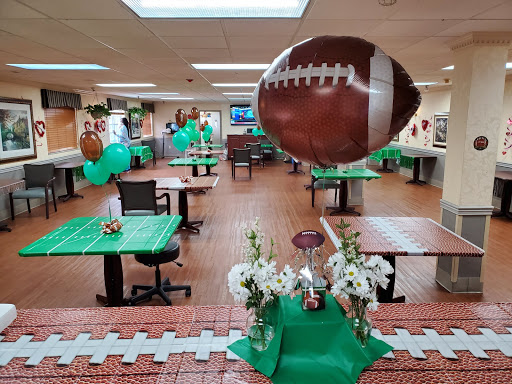
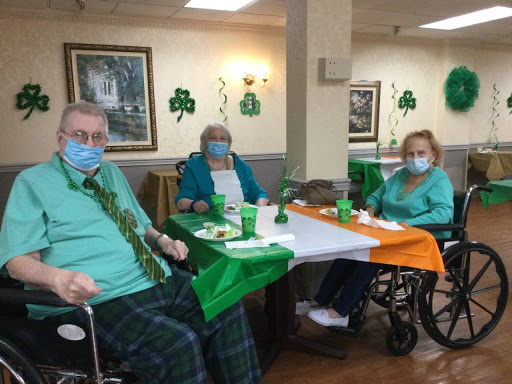
Activities bring engagement
Activities are a recurring bright spot in many resident experiences.
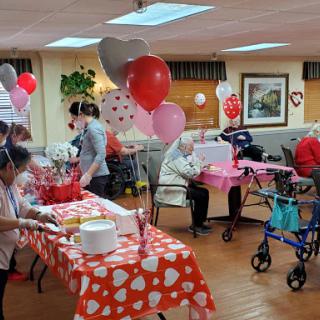
Multiple reviews mention an activities calendar with both scheduled events and resident participation, including day-to-day activities and special gatherings. Several family members say residents enjoy events and that the activity team helps keep people engaged. That said, at least one review notes limited participation due to ability, which is an expected tradeoff when someone is receiving short-term rehab or has mobility limits.
common2 reviews mention this
Nearby medical options are close
Family members can access nearby medical services for routine needs and follow-ups.
Reviews don’t focus heavily on location, but the area around the community includes nearby physician offices and hospitals that families may need during a stay. For everyday convenience, there are also nearby pharmacy and cafe options for visitors. Families considering care may find it easier to coordinate appointments and quick stops with these options relatively close by.
How we summarize
Counts show how many written reviews mention each theme; a review can touch several themes, and only frequently mentioned themes are displayed.
Features
Housing
145 resident community capacity
Types of Care
Skilled Nursing Facility
Amenities
Air-conditioning
Beauty salon
Cable or satellite TV
Computer center
Dining room
Fitness room
Fully furnished
Gaming room
Garden
Housekeeping services
Kitchenette
Move-in coordination
Outdoor space
Private bathrooms
Restaurant-style dining
Small library
Telephone
Wellness center
Wi-Fi/high-speed internet available
Transportation
Cincinnati Northern Kentucky International (16 miles away)
Community operated transportation
Transportation arrangement
Transportation arrangement (non-medical)
Transportation to doctors appointments
Care Services
12-16 hour nursing
24-hour call system
24-hour supervision
Activities of daily living assistance
Assistance with bathing
Assistance with dressing
Assistance with transfers
Diabetes diet
Meal preparation and service
Medication management
Mental wellness program
Special dietary restrictions
Dining
Diabetes diet
Special dietary restrictions
Activities
Community-sponsored activities
Concierge services
Fitness programs
Planned day trips
Resident-run activities
Scheduled daily activities
Videos
Nearby Places of Interest
Parks
Beech Acres Park (0.3 miles)
Tower Park (4.2 miles)
Mariemont Concourse (4.2 miles)
Highland Hills Park (4.7 miles)
Union Township Veteran's Memorial Park (5.2 miles)
Dogwood Park (5.2 miles)
Withamsville-Tobasco Park (5.5 miles)
Restaurants
Skyline Chili (0.7 miles)
Frisch's Big Boy (1.4 miles)
Raising Cane's Chicken Fingers (1.7 miles)
CityBird Tenders (1.7 miles)
Coney Island (3.3 miles)
Pirate's Cove Bar & Grille (3.3 miles)
Streetside Brewery (4 miles)
Physicians
Group Health Associates (0.9 miles)
Advanced Spine & Pain Management (1 miles)
Wellington Orthopaedic & Sports Medicine (1.2 miles)
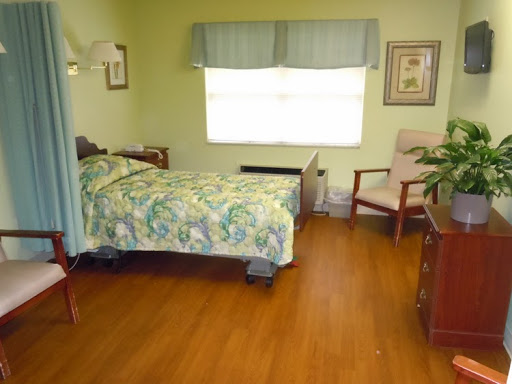
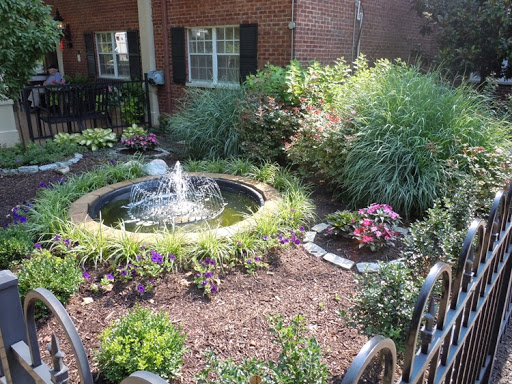
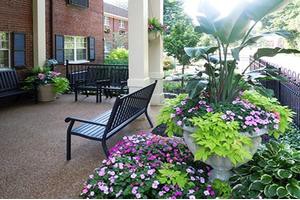
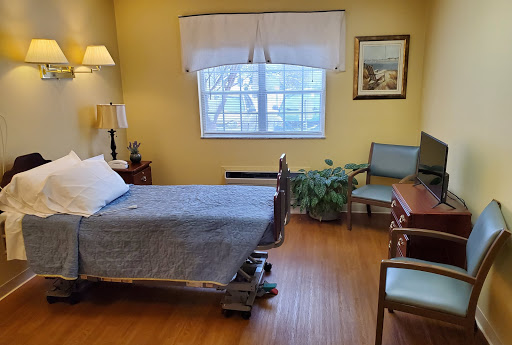
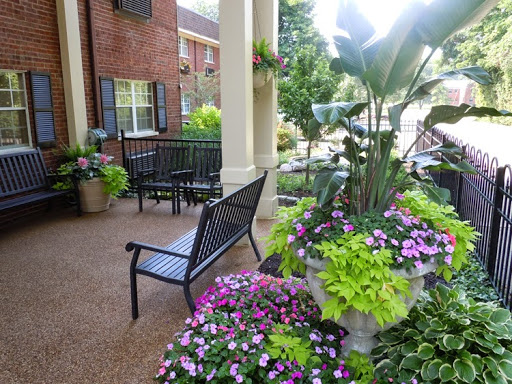
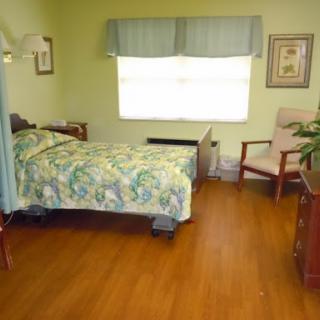
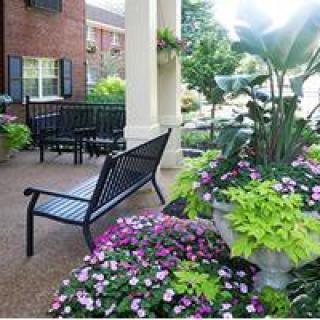
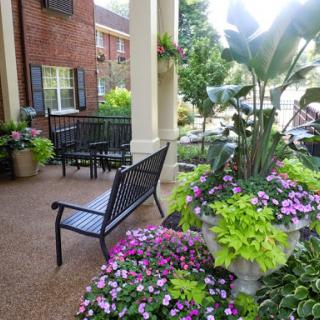
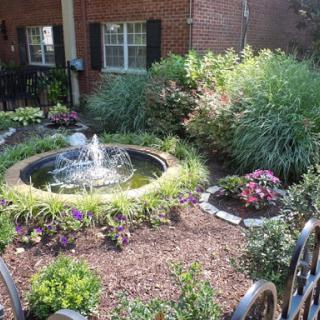
Mount Washington Care Center on seniors.fyi includes 10 photos including images showing decor, landscaping, outdoor, bedroom, garden, patio, healthcare, windows, and more.
Nearby Communities
Anthology of Anderson Township
Cincinnati, OH
4.6 from 87 reviews
$4,149 to $6,999 / month
Engaging activities and friendly, responsive staff in a modern, well-maintained setting.
Guardian Angel Church
Mount Wahington, OH
Proximity to amenities and healthcare.
Arden Courts Of Anderson Township
Cincinnati, OH
4.6 from 77 reviews
$7,670 / month
Friendly, attentive staff and a home-like, well-maintained environment with engaging activities.
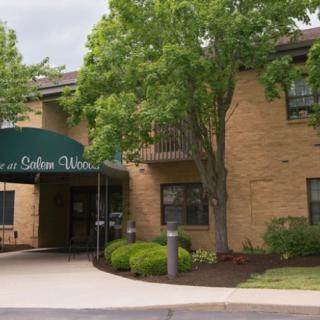
The Residence at Salem Woods
Cincinnati, OH
3.9 from 34 reviews
$5,947 to $6,252 / month
Caring staff with happy residents and round-the-clock care; spacious rooms.
Asbury Woods Retirement Villa
Cincinnati, OH
3.8 from 12 reviews
$950 to $1,075 / month
Helpful management and a supportive resident community, plus affordable, pet-friendly units with on-site amenities.
The Ashford on Mt. Washington
Cincinnati, OH
4.3 from 103 reviews
$3,295 to $4,295 / month
Bright, inviting facility with strong resident engagement and a dedicated Activities Director; good value for the area.
Harmony at Anderson
Cincinnati, OH
4 from 56 reviews
$3,700 to $6,125 / month
Friendly, helpful staff; clean, well-maintained, accessible facilities with engaging activities.
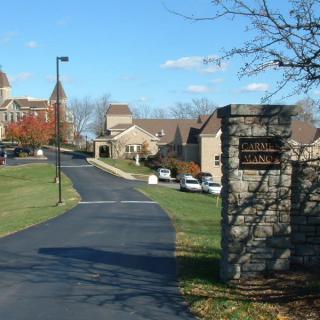
Carmel Manor
Fort Thomas, KY
4.2 from 110 reviews
$3,300 to $3,540 / month
Clean facility with compassionate, dignified care in a faith-based setting.
Eastgate Springs
Cincinnati, OH
3.9 from 116 reviews
Compassionate, attentive staff providing supportive care during challenging stays.
Linda's caregiving journey for her elderly mother, Joan, is marked by deep love and challenges as she navigates health changes, emotional support, and practical arrangements while learning to prioritize self-care and utilize community resources. Their evolving relationship highlights resilience and the universal themes of empathy and preparedness in caregiver experiences.
The article clarifies common misconceptions about Powers of Attorney (POA), highlighting the necessity of the principal's consent, the limitations on an agent's authority, and the importance of mental capacity when signing. It also distinguishes between various types of POAs, addresses concerns about potential abuse, and emphasizes the need for legal consultation to ensure valid and up-to-date documents.
Get PricingAsk A QuestionSchedule A TourContact Senior Advisor
By clicking submit, you agree to our Partner's Terms of Use. You
also consent to receive calls and texts, which may be autodialed, from our Partner. Your consent is not a condition to
using our Partner's service. Please visit our Partner's Privacy Policy for information about their privacy practices.

 145 resident community capacity
 Skilled Nursing Facility
 Air-conditioning
 Beauty salon
 Cable or satellite TV
 Computer center
 Dining room
 Fitness room
 Fully furnished
 Gaming room
 Garden
 Housekeeping services
 Kitchenette
 Move-in coordination
 Outdoor space
 Private bathrooms
 Restaurant-style dining
 Small library
 Telephone
 Wellness center
 Wi-Fi/high-speed internet available
 Cincinnati Northern Kentucky International (16 miles away)
 Community operated transportation
 12-16 hour nursing
 24-hour call system
 Activities of daily living assistance
 Assistance with bathing
 Assistance with dressing
 Assistance with transfers
 Diabetes diet
 Medication management
 Mental wellness program
 Special dietary restrictions
 Concierge services
 Planned day trips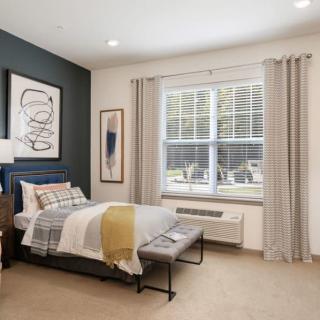
 Engaging activities and friendly, responsive staff in a modern, well-maintained setting.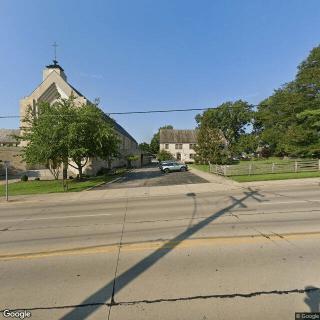


 Nurturing Our Loved Ones: A Daughter's Journey in Caring for Her Mother
 Nurturing Our Elders: Linda's Journey of Supporting Her Mother
 A Comprehensive Exploration of Common Misunderstandings about Powers of Attorney