




1471 Wills Creek Valley Drive, Cambridge, OH 43725
For more information about senior living options: (866) 208-4318
Overall Review of Cambridge Care And Rehabilitation
Pros
 The Embassy genuinely cares for its patients and goes above what is expected.
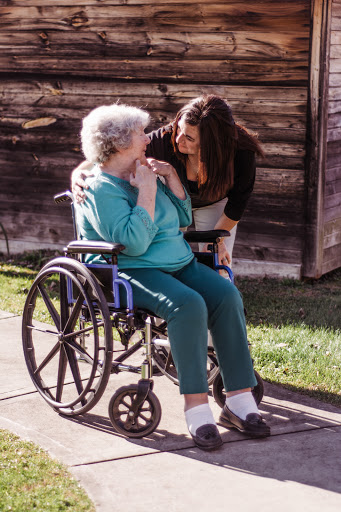
- The staff treat patients like family and provide care and encouragement that supports recovery.
- The caregivers become part of the family for the patients’ families.
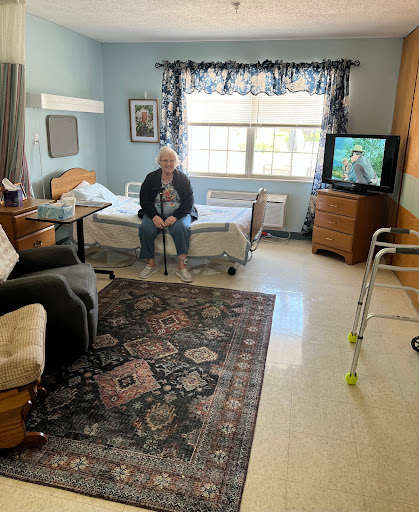
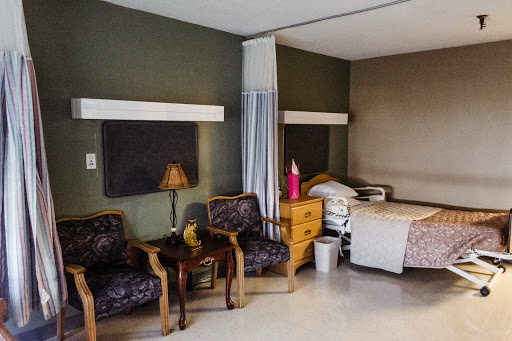
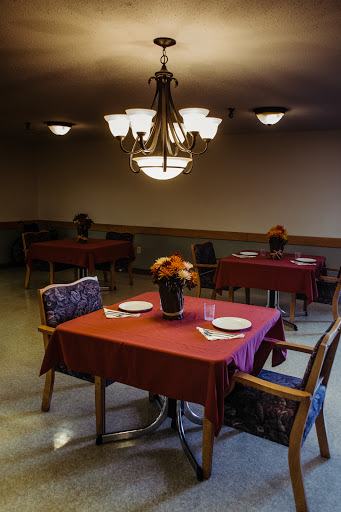
- The facility offers the best care, clean rooms, a positive staff, and outstanding food.
- The Admissions Director and management team are highly regarded.
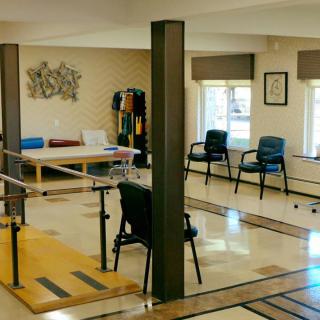
- The physical therapists are wonderful, thorough, and very helpful; rehabilitation at Embassy is highly recommended.
- The care staff are described as five-star and highly dedicated.
Cons
 The daughter did not receive adequate care, and the food was bad.
- Therapy was insufficient and it took too long for help to arrive.
- The staff were not nice, and it took an hour for them to reach her room for assistance.
- The facility is a disgrace, with a discharge process filled with run-arounds and excuses.
- The Medicaid application was filed in the wrong county, causing further delays in care.
- Basic tasks like washing sheets and towels were neglected and had to be requested by family.
- The kitchen served poor quality food, and there was a high turnover of nurses and CNAs.
- The therapy department was a train wreck and the therapists were uneducated.
- The facility charged exorbitant rates for subpar care.
- There were not enough clean washcloths, and staff used pillowcases, bed sheets, and gowns to clean patients, with an overpowering odor of urine.
- The environment was dark and depressing, with a persistent stench of urine.
- The staff starved and dehydrated a patient, ignoring his needs.
Review
This Cambridge facility is best suited for short-term, post-acute rehab patients who need focused physical therapy and a recovery-minded environment, and for families that value a warm, attentive staff that treats residents like family. When therapy is the priority, this community often delivers thorough, compassionate rehabilitation with therapists who genuinely make an effort to push toward meaningful gains. Several families highlight smooth discharge planning and medications arranged in advance, which can make a difficult transition feel manageable. The strongest lure is the sense that therapy teams and many frontline caregivers will rally around a patient’s recovery and communicate with families in a way that feels open and engaged.
Those considering alternatives should be wary of long-term custodial needs, daily care reliability, and consistent nutrition. The reviews reveal a troubling split: while some residents thrive under attentive therapy and caring aides, others report persistent problems with everyday care, food quality, and timely help. For families seeking steady daily hygiene, consistent meals, and unambiguous discharge and Medicaid coordination, the track record here is not uniformly reassuring. Potential residents who require regular medical oversight or who rely on predictable staffing to prevent safety gaps may find that the downsides outweigh the upsides.
On the positive side, therapy emerges as the standout strength. Physical therapy departments are described as thorough, proactive, and capable of driving real progress, with clinicians who are praised for their dedication and effectiveness. The best experiences come from staff who treat patients with respect and a sense of urgency, creating a culture that feels more like a supportive family than a cold facility. The admission process, too, is repeatedly noted as competent, with medications reviewed and ready for transition, and discharge planning that can be straightforward when the team is aligned. In short, for residents focused on rehabilitation outcomes, the care trajectory can be strong where therapy and early discharge coordination are well managed.
The main drawbacks are significant and persistent. A recurring theme is staffing instability, with high turnover affecting consistency in daily care. Stories of delayed responses to basic needs, difficulties with bathing and hygiene, and questions about laundry and linen routines raise red flags for anyone prioritizing dependable day-to-day support. Food quality also shows up as a concern in multiple accounts, ranging from unappetizing meals to specific complaints about meal preparation and variety. Administrative missteps, especially around Medicaid applications, discharge timing, and paperwork routing, had tangible impacts on residents’ mobility to lower levels of care, weight management, and even access to necessary services like dialysis. When issues like these arise, trust in a facility’s ability to manage complex, ongoing needs naturally erodes.
The way these pros and cons balance each other depends on the resident profile. For a recovery-focused resident with strong family oversight who can monitor meals, daily care, and discharge readiness, the rehabilitation benefits can justify some risk. The presence of genuinely caring staff, a real emphasis on therapy, and a track record of successful discharges create real value in the right context. However, for long-term care needs, or for families seeking unwavering daily reliability and predictable nutrition, the negatives appear to outweigh the positives. If the goal is sustained daily care and consistent operations over months or years, more stable options with proven long-term outcomes may be preferable.
In practical terms, this community warrants careful, proactive due diligence. Prospective families should verify current staffing levels and turnover, request a tour of therapy spaces, and speak directly with current residents about daily routines and food. Inspect recent state survey results and ask for concrete examples of how discharge planning is managed and how Medicaid applications are handled to prevent delays. If choosing Cambridge Care And Rehabilitation, designate a family liaison to stay engaged with care plans, meals, and daily support, and prepare a backup plan in case discharge timelines shift. For those whose priority is high-quality rehabilitation and a compassionate, family-like atmosphere, this facility can be a strong choice, so long as expectations are anchored to the reality of variable daily operations and potential administrative gaps. For families prioritizing consistent long-term care, exploring alternatives with steadier staffing, more reliable meal service, and tighter clinical oversight is strongly advised.
 144 resident community capacity
 Skilled Nursing Facility
 Air-conditioning
 Beauty salon
 Cable or satellite TV
 Computer center
 Dining room
 Fitness room
 Fully furnished
 Gaming room
 Garden
 Housekeeping services
 Kitchenette
 Move-in coordination
 Outdoor space
 Private bathrooms
 Restaurant-style dining
 Small library
 Telephone
 Wellness center
 Wi-Fi/high-speed internet available
 Community operated transportation
 12-16 hour nursing
 24-hour call system
 Activities of daily living assistance
 Assistance with bathing
 Assistance with dressing
 Assistance with transfers
 Diabetes diet
 Medication management
 Mental wellness program
 Special dietary restrictions
 Concierge services
 Planned day trips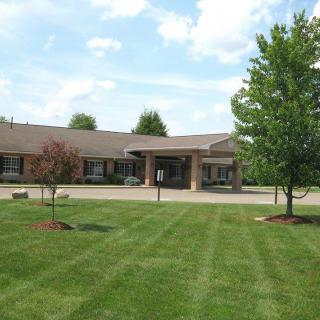





 Home Health Care Aides: Understanding Their Role and Supporting Your Family
 Urinary Tract Infections in Older Adults: Comprehensive Insights on Symptoms, Treatment, and Prevention
 California's Form 602A: An In-Depth Examination of Senior Care Assessment