






8420 Georgetown Road, Cambridge, OH 43725
For more information about senior living options: (866) 208-4318
Overall Review of Astoria Place of Cambridge
Pros
 The staff are amazing and caring.
- The facility and its staff are great.
- The staff are incredible and make residents feel welcome from day one.
- The staff are very friendly and patient.
- The staff on the skilled nursing unit are excellent in Alzheimer’s care.
- The hospice team is kind, helpful, and compassionate to families during difficult times.
Cons
 Some staff were rude and appeared to hate their jobs.
- Red tape and confusion prevented acceptance of insurance, delaying medication management and wound care.
- The wound vac was denied, causing days of delay in healing and leading to overpriced supplies.
- There were days when alarms sounded but staff gave no response.
- The meals were terrible and inconsistent in quality.
- The facility showed upkeep issues, including ongoing remodeling upstairs, renovations downstairs, a dented door, peeling paint, and limited electrical outlets.
Review
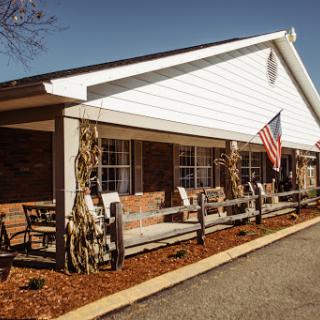
Astoria Place of Cambridge is best suited for families seeking a value-oriented, campus-style option that combines assisted living with on-site skilled nursing and memory-care support, all in a home-like environment. The strongest case is for residents whose priority is genuinely caring frontline staff, meaningful social engagement, and an affordable package that bundles room, meals, activities, and nursing care. It also appeals to families navigating memory-care needs, with a campus designed to support safer wandering and structured daytime programming. Those chasing a pristine, brand-new facility or a consistently flawless dining program should consider alternatives.
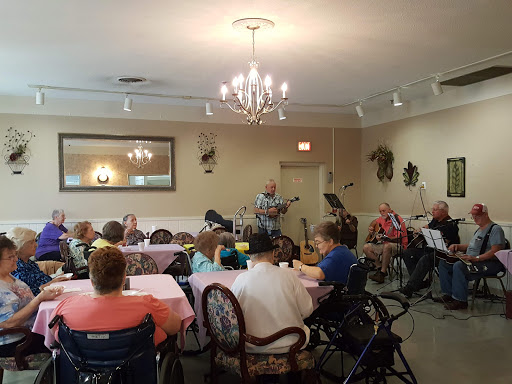
On the upside, staff dedication emerges as a defining strength. Multiple accounts highlight caregivers and activity staff who make residents feel welcome, involved, and supported, with a real emphasis on person-centered interaction. The all-on-one campus design reduces transitions, making it easier to keep medical and daily routines coordinated. Meals can be a strong value proposition: residents have some choice, and dining remains affordable when meals are shared with attentive staff. Rooms are described as spacious, and maintenance personnel are helpful, contributing to a sense of overall habitability and comfort that families rely on.
Yet the community carries significant caveats. Staffing reliability appears uneven, with some caregivers described as excellent and others as disengaged or even rude, which can translate into delayed responses during alarms or emergencies. Safety concerns recur, particularly in memory-care and assisted living areas, where multiple falls have occurred and responses were not immediate. Administrative red tape around insurance acceptance and medication management has complicated access to needed services, and wound-care processes can stall with supplies priced high, adding to overall caregiving costs. Facility upkeep shows gaps, upstairs areas in need of repairs, limited electrical outlets in rooms, a lack of designated kitchen space, and dated décor in portions of the building.
Despite these challenges, the strong points can offset many drawbacks for the right resident. The depth of dementia-capable staffing and the presence of an on-site memory-care environment reduce friction for families managing complex needs. The campus structure minimizes moves, bolstering continuity of care and scheduling consistency, a meaningful stress-reduction factor for anxious families. Affordability remains a decisive advantage, with the overall package offering substantial value relative to nearby options. The hospice ecosystem and supportive services referenced by families add a meaningful option for end-of-life planning, making the campus a practical choice when those services are anticipated.
Those who should consider alternatives are families prioritizing consistently proactive safety and flawless service delivery, or those whose loved one requires highly reliable wound care, precise medication management coordination, or seamless insurance handling. If dining quality across all meals matters to the resident, and if a modern, uniformly updated ambience is non-negotiable, other communities may deliver a steadier experience. In memory care, scrutinize the specific dementia program, staff-to-resident ratios, and how alarm systems are monitored day-to-day. If potential residents are sensitive to noise or ongoing remodeling, verify current conditions and future plans, particularly for upstairs areas.
Overall, Astoria Place of Cambridge serves a practical, budget-conscious niche: solid, compassionate front-line staff, meaningful social programming, and the convenience of an all-in-one campus, tempered by inconsistent staffing, safety concerns, and uneven upkeep. The prudent path is to conduct structured tours focused on real-world routines, meal cycles, daily activity calendars, alarm response drills, and nurse availability, and to interview direct-care workers about their daily responsibilities. Verify insurance acceptance, medication-management protocols, wound-care capabilities, and any required transfers between assisted living and skilled nursing. When these factors align with family priorities, value, dementia-capable care, and a warm, home-like atmosphere, Astoria Place can be the right fit; when safety reliability and facility upkeep take precedence, exploring alternatives is strongly warranted.
 84 resident community capacity
 Studio apartments
 Assisted Living
 Skilled Nursing Facility
 Air-conditioning
 Beautician on-site
 Cable or satellite TV
 Computer center
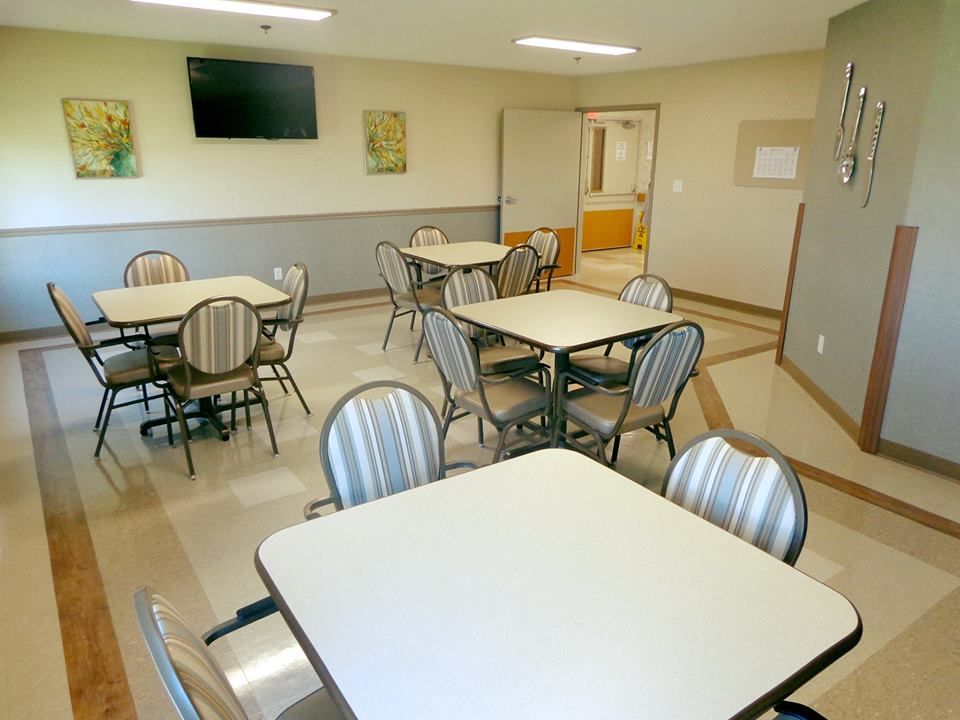
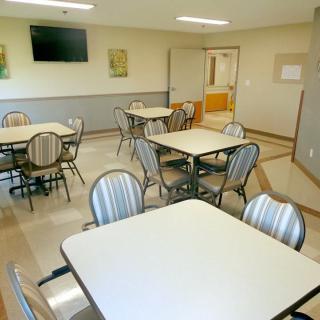
 Dining room
 Financial aid
 Fitness room
 Fully furnished
 Gaming room
 Garden
 Housekeeping services
 Kitchenette
 Laundry
 Move-in coordination
 Outdoor space
 Party space
 Private bathrooms
 Restaurant-style dining
 Small library
 Telephone
 Wellness center
 Wi-Fi/high-speed internet available
 Community operated transportation
 12-16 hour nursing
 24-hour call system
 Activities of daily living assistance
 Assistance with bathing
 Assistance with dressing
 Assistance with transfers
 Diabetes diet
 Hospice care
 Medication management
 Mental wellness program
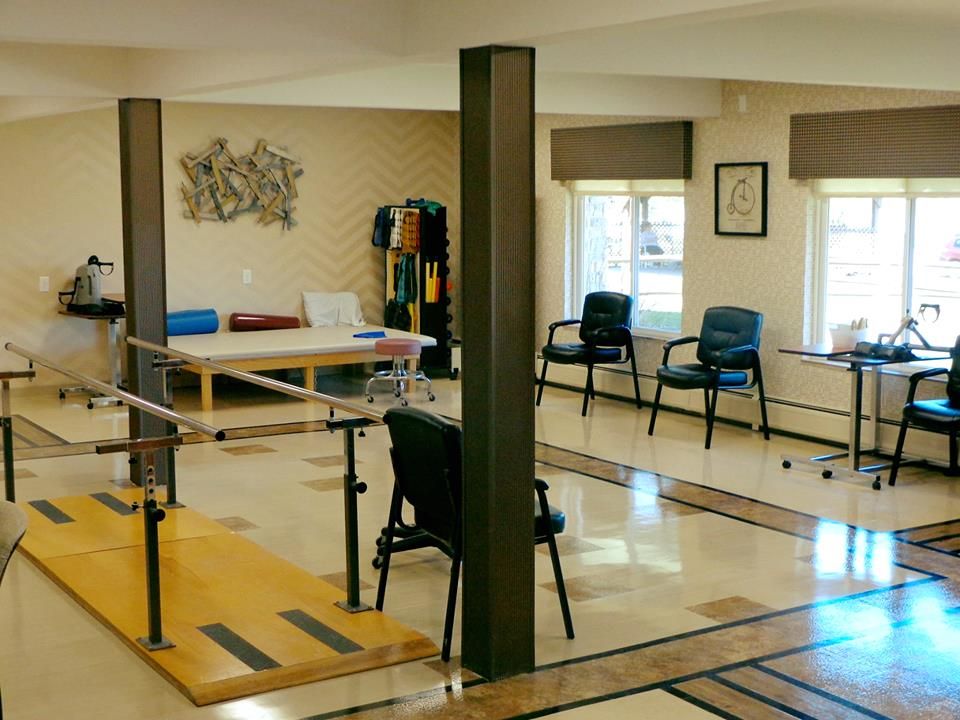
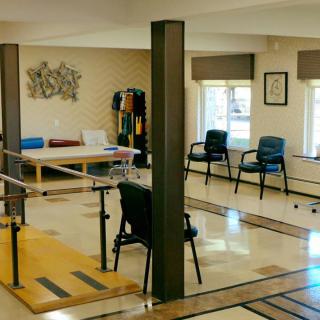
 Physical therapy
 Special dietary restrictions
 Arts and crafts
 Concierge services
 Games
Games Planned day trips
 Religious services
 English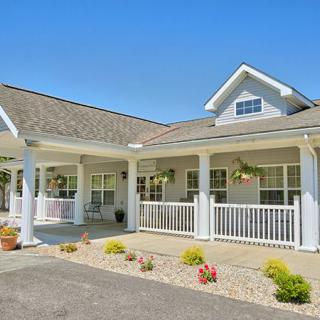



 Understanding the True Cost of Assisted Living in 2025: A Comprehensive Guide
 Understanding Medicaid Coverage for Assisted Living: A Comprehensive Guide
 How and When Medicaid May Cover Assisted Living Costs