Brian Center Health & Rehab - Yanceyville

Save

  • Interior

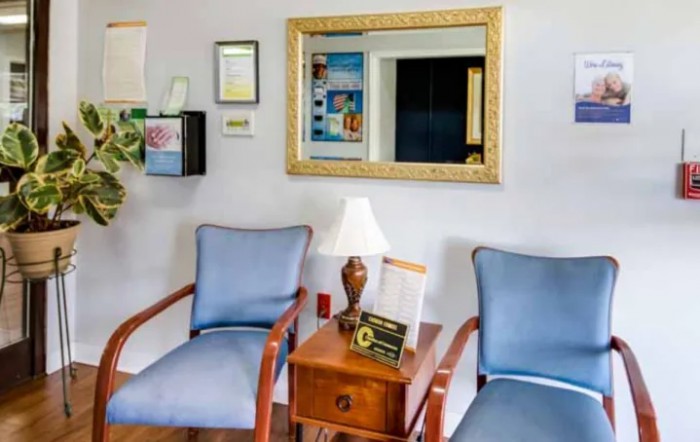
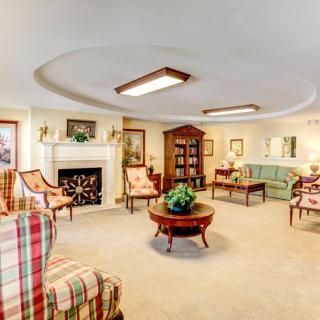
    A cozy waiting area with two chairs and a wooden table adorned with a lamp and decorative items, complemented by a large mirror on the wall.
  • Outdoors

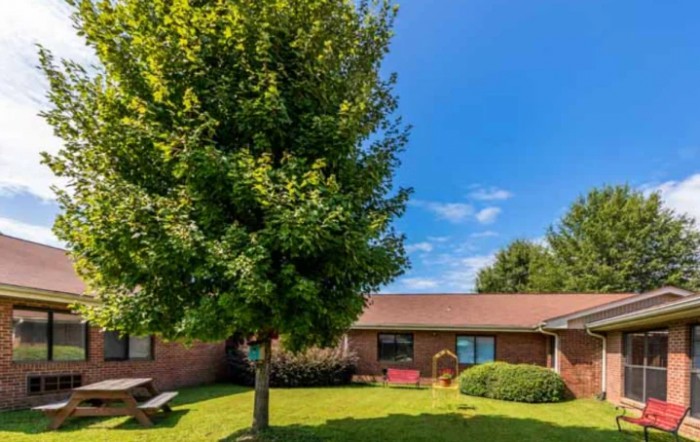
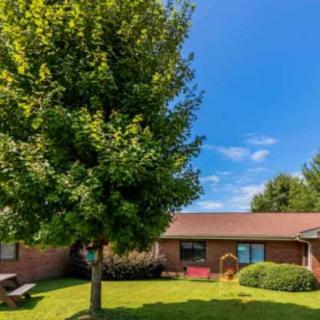
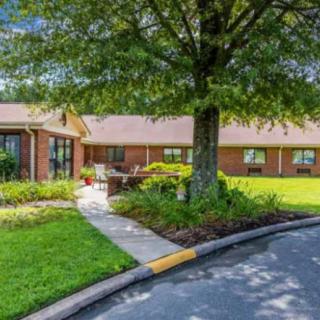
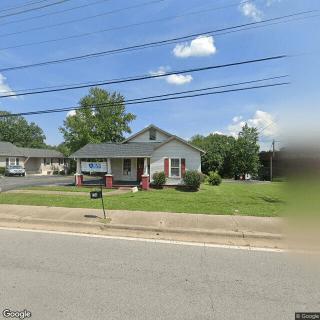
    A brick house with a green lawn and a large tree in the front yard under a clear blue sky.
  • Decor

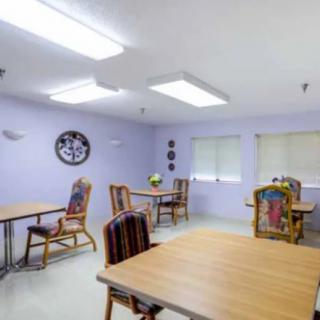
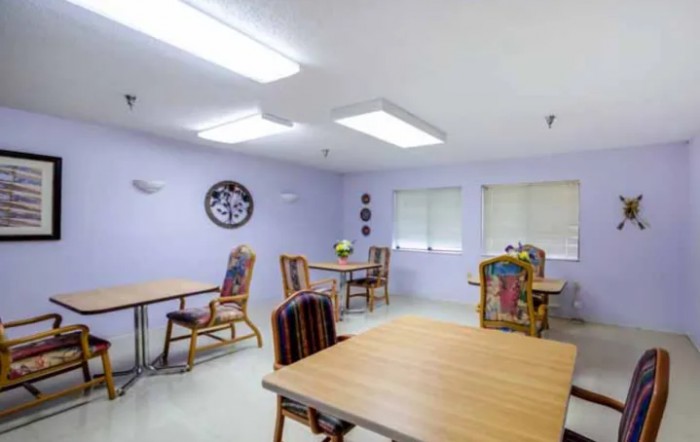
    A simple dining room setup with wooden tables and colorful cushioned chairs.
  • Building

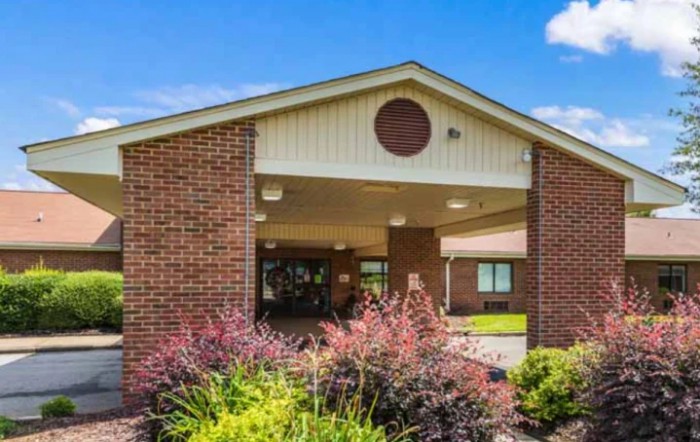
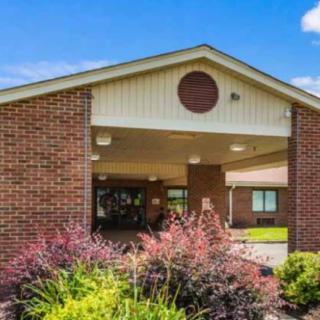
    A brick building entrance with landscaped greenery under a clear blue sky.
  • Windows

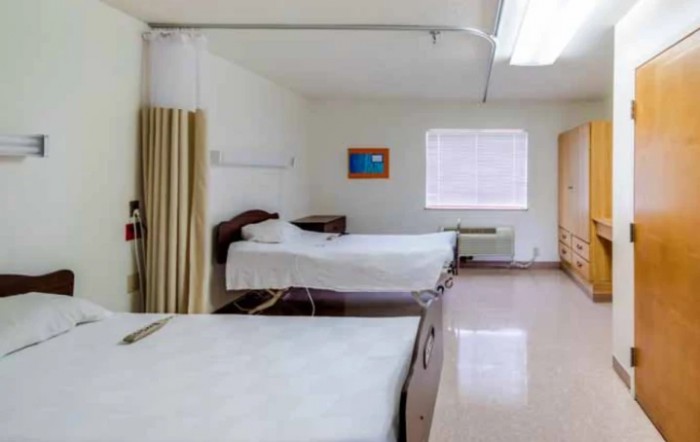
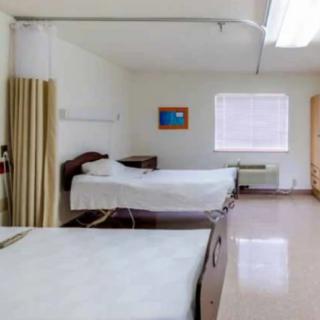
    A clean and organized hospital room with two beds and a privacy curtain.
  • Landscaping

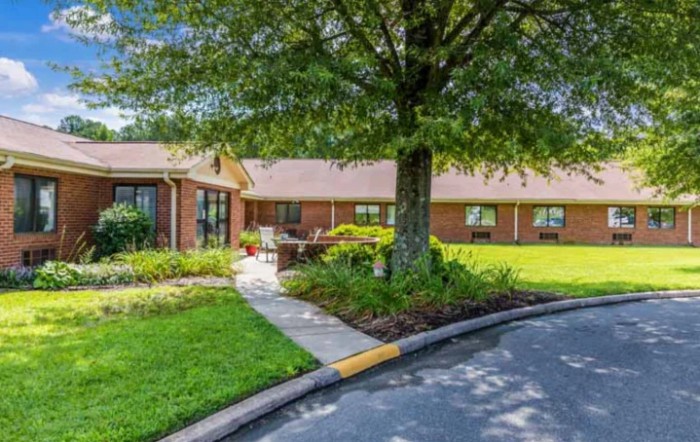
    A charming brick house with a well-maintained garden and spacious lawn.

Brian Center Health & Rehab - Yanceyville

Information last verified:

1086 Main Street North, Yanceyville, NC 27379

For more information about senior living options: (844) 490-3973

3.8 from 76 reviews
5 stars
44
4 stars
13
3 stars
0
2 stars
1
1 stars
18

Seniors.FYI Elite Community Awards

Top 5% Senior Living Community in 2021

Add this award to your website

Overall Review of Brian Center Health & Rehab - Yanceyville

Pros

  • pro The staff at Yanceyville Rehabilitation & Healthcare Center are exceptional in their various roles.
  • pro Jessica in the Business Office provides essential expertise for Medicaid funding.
  • pro Karen in Admissions is very responsive, professional, and kind.
  • pro CNAs, RNs, the Social Work Department, and the Activities team deliver comprehensive, attentive care.
  • pro The therapy team is awesome and effective.
  • pro Tabitha Smith and Leah Cothran work to ensure residents feel loved and treated like family.
  • pro The facility is clean and the staff are consistently nice.
  • pro Jessica Jackson is described as a blessing to residents and their families.
  • pro Teresa Edwards is an excellent and capable DON, a strong leader.
  • pro The center has a warm, family-like atmosphere with dedicated nursing staff who take pride in their work.
  • pro Leah Cothran, as Activities Director, brings enthusiasm and fresh ideas that engage residents.
  • pro The center is highly recommended for its care, compassion, and positive environment.

Cons

  • pro The facility is dirty and poorly maintained, with old dried-up food by the beds.
  • pro The facility has a horrid smell that can make people nauseous.
  • pro There were nights with no staff on duty and slow response times for care and medication.
  • pro The staff are unhelpful, careless, and not respectful of the patients.
  • pro The facility is severely understaffed, leaving residents unattended for long periods.
  • pro There is reported malpractice or neglect, with residents suffering injuries or harm.
  • pro The management is very unprofessional and rude to its employees.

Review

Brian Center Health & Rehab in Yanceyville is best suited for families seeking a small, community-leaning center where rehab outcomes and personal attention matter. The reviews repeatedly spotlight a strong therapy culture in the rehab wing, with dedicated teams that push residents to regain strength and mobility. The facility earns praise for staff who connect with residents on a human level, caregivers who treat residents like family, and an admissions and business-office staff that helps families navigate Medicaid and insurance questions. For families that prioritize hands-on rehab, a warm, home-like atmosphere, and accessible social supports, this community can be a solid, value-driven choice.

That said, some families will want to consider alternatives, and they should start by looking at the safety, consistency, and overall environmental issues that surface in several accounts. A recurring theme among reviews is inconsistency in staffing at night or weekends, with prolonged response times and even unsettling anecdotes about unattended residents or delayed med administration. Cleanliness and odor concerns appear in some comments, as do reports of miscommunication and administrative friction. For families who cannot tolerate perceived gaps in supervision, or who require a facility with a consistently spotless environment and uniformly professional administration, other options may be worth investigating before committing.

The key pros at Yanceyville offset many concerns when the right conditions are in place. The rehab therapists and nursing staff earn high marks for competence and dedication, and the memory-care and general-care teams are frequently described as patient, compassionate, and attentive. Families notice when leadership is actively involved; the DON, in particular, is praised for taking resident needs, staffing realities, and team performance seriously, and some reviewers credit Jessica in the business office and social-work staff with making complex eligibility and discharge processes far more navigable. This blend of skilled clinical care and responsive, relationship-focused administration helps many residents thrive, especially during short-term rehab or when transitioning to longer-term care.

Still, the landscape is not uniformly favorable. Several reviewers call out experiences where communication faltered, rooms or common areas did not meet expectations for cleanliness, or where the perceived urgency of care did not match family needs. The most troubling notes involve accusations of neglect, unsafe conditions, or mismanagement that led to serious harm or distress. Those voices, combined with other critiques of management style or staffing instability, suggest that not every shift or unit delivers consistently reliable performance. Families must weigh these patterns against the positives and recognize that the quality of care can vary by unit, shift, and leadership at any given time.

On balance, the staff culture at Yanceyville carries a personal, “one big family” tone that many families value highly. The facility is frequently described as clean and well-maintained when front-line teams are operating at their best, and the activities staff, led by individuals like Leah Cothran, are credited with keeping residents engaged and socially connected. Nursing, therapy, and social-work teams are highlighted for going the extra mile, with stories of nurses and aides who listen, explain care plans, and advocate for residents’ preferences. When leadership aligns with this front-line energy, families feel supported, informed, and reassured by the day-to-day realities of care.

For families evaluating this community, the practical decision framework should center on four questions: Is the resident primarily in need of strong rehabilitation and short-term recovery, or long-term dementia and chronic-care management where daily safety monitoring is paramount? Are you confident in the consistency of staffing across day and night shifts, and in the facility’s cleanliness and odor control? Can the DON and the key support staff, Jessica in admissions, the social workers, and the activities director, be trusted to shepherd complex health and benefits questions with transparency and efficiency? And finally, have you had the chance to observe the unit where your loved one will be housed, ideally through an unannounced visit, to assess atmosphere, staffing, and the level of interaction between staff and residents?

In the final assessment, Yanceyville Rehabilitation & Healthcare Center is a credible option for families prioritizing rehabilitative care, a homelike environment, and a relationship-forward staff. When the facility’s strengths, therapists who motivate, nurses who communicate clearly, and leaders who champion resident needs, are accessible and well-supported, outcomes tend to be favorable, and families report real peace of mind. However, the decision should be anchored in a rigorous, on-site evaluation that probes for consistency across shifts, verifies cleanliness and safety standards, and confirms that the chosen unit aligns with the resident’s care requirements. If those checks align with positive impressions, this community can be a strong fit; if not, pursuing alternatives with steadier staffing patterns and a proven track record of uniformly excellent administration may be warranted.

Features

Housing

  • 157 resident community capacity 157 resident community capacity

Types of Care

  • Skilled Nursing Facility Skilled Nursing FacilitySkilled Nursing Facilities are crucial for seniors as they provide round-the-clock medical care, rehabilitation services, and assistance with daily activities. These facilities ensure that seniors receive the specialized care they need to maintain their health and well-being as they age.

Amenities

  • Air-conditioning Air-conditioningAir conditioning is important for seniors as they are more vulnerable to heat-related illnesses and may have underlying health conditions that make it difficult for them to regulate their body temperature. It helps to keep them comfortable, safe, and healthy in hot weather.
  • Beauty salon Beauty salonBeauty salons are important for seniors because they provide a space for them to feel pampered, socialize, and maintain their personal grooming and hygiene. Regular visits to a beauty salon can help boost seniors' self-esteem and overall well-being.
  • Cable or satellite TV Cable or satellite TVCable or satellite TV is important for seniors because it provides entertainment, news, and companionship, helping to combat loneliness and boredom. It also offers a wide range of programming options tailored to different interests and preferences.
  • Computer center Computer centerA computer center is essential for seniors as it provides access to technology, communication tools, and resources that can enhance their daily lives. It allows them to stay connected with loved ones, engage in online activities, and learn new skills, ultimately promoting socialization and mental stimulation.
  • Dining room Dining roomDining rooms are important for seniors as they provide a space for socialization, connection, and nutritious meals. They offer opportunities for residents to bond over shared meals, foster a sense of community, and promote healthy eating habits. Dining rooms also ensure that seniors have access to well-balanced meals tailored to their dietary needs and preferences.
  • Fitness room Fitness roomHaving a fitness room in a senior living community is essential for seniors to stay active, maintain their physical health, and improve their overall well-being. Regular exercise can help prevent falls, reduce the risk of chronic diseases, and promote mental sharpness. It also provides social opportunities for residents to connect with others and enjoy a sense of community.
  • Fully furnished Fully furnishedFully furnished senior living communities are important for seniors because they provide convenience, comfort, and a hassle-free moving experience. Seniors can easily settle into their new living space without the stress of having to buy and move furniture. This allows them to focus on enjoying their new home and community.
  • Gaming room Gaming roomGaming rooms are important for seniors as they provide a fun and engaging environment for socializing, cognitive stimulation, and physical activity. Games can improve memory, problem-solving skills, and overall mental well-being while fostering friendships and reducing feelings of isolation.
  • Garden GardenGardens are important for seniors as they provide a peaceful and therapeutic environment for relaxation, physical activity, and socialization. Being in nature has been shown to reduce stress, improve mood, and promote overall well-being. Gardens also offer opportunities for seniors to engage in gardening activities, which can improve mobility, flexibility, and cognitive function. Additionally, gardens create a sense of community and connection with others who share a passion for plants and outdoor spaces.
  • Housekeeping services Housekeeping servicesHousekeeping services are important for seniors because they help maintain a clean and safe living environment, promote independence, and reduce the risk of accidents or illnesses. Additionally, having assistance with household chores can alleviate physical strain and allow seniors to focus on other aspects of their well-being.
  • Kitchenette KitchenetteKitchenettes are important for seniors living in senior living communities because they provide the convenience and independence of being able to prepare simple meals and snacks in the comfort of their own living space. This can help promote a sense of autonomy and well-being for seniors, allowing them to maintain some level of control over their dietary choices and daily routines.
  • Move-in coordination Move-in coordinationMove-in coordination is important for seniors because it helps ease the transition into their new living environment. It ensures that all logistics, such as packing, organizing movers, and setting up utilities are taken care of, allowing seniors to focus on settling in and adjusting to their new home. Having a smooth move-in process can alleviate stress and anxiety, making the transition smoother and more enjoyable for seniors.
  • Outdoor space Outdoor spaceOutdoor spaces are important for seniors as they provide opportunities for physical activity, social interaction, exposure to natural light and fresh air, and a sense of connection to nature. Having access to outdoor spaces can improve overall well-being and quality of life for older adults living in senior communities.
  • Private bathrooms Private bathroomsPrivate bathrooms are important for seniors in senior living communities because they provide independence, dignity, and comfort. Having a private bathroom allows seniors to maintain their personal hygiene routines without the need for assistance, promoting a sense of autonomy and privacy. Additionally, private bathrooms help prevent the spread of infections and provide a safe and clean environment for seniors to navigate safely.
  • Restaurant-style dining Restaurant-style diningRestaurant-style dining is important for seniors because it allows them to enjoy delicious, nutritious meals in a social and upscale setting. This enhances their dining experience, promotes healthy eating habits, and fosters socialization with fellow residents, ultimately contributing to their overall well-being and quality of life.
  • Small library Small librarySmall libraries are important for seniors as they provide access to a variety of reading materials, including books, newspapers, and magazines. This can help stimulate their minds, keep them engaged, and provide a sense of community through book clubs and other social activities. Additionally, reading has been shown to improve cognitive function and overall mental well-being in older adults.
  • Telephone TelephoneTelephones are important for seniors as they provide a lifeline for communication with loved ones, emergency services, and healthcare providers. They offer a sense of security and independence, enabling seniors to stay connected and access assistance when needed.
  • Wellness center Wellness centerWellness centers are important for seniors because they offer a variety of programs and services that promote physical, mental, and emotional well-being. These centers provide opportunities for exercise, socialization, education, and relaxation, helping seniors maintain their overall health and quality of life.
  • Wi-Fi/high-speed internet available Wi-Fi/high-speed internet availableWi-Fi/high-speed internet is important for seniors to stay connected with loved ones, access online resources, and participate in virtual activities to combat feelings of loneliness and isolation. It also allows them to easily manage healthcare needs, access entertainment, and engage in lifelong learning opportunities.

Transportation

  • Community operated transportation Community operated transportationCommunity operated transportation is crucial for seniors as it provides them with the means to access essential services, social activities, and medical appointments. It allows seniors to maintain their independence and quality of life by ensuring they can participate in activities outside of their homes. Additionally, community-operated transportation services offer a safe and reliable way for seniors to travel without having to rely on family or friends for assistance.
  • Transportation arrangement Transportation arrangementTransportation arrangements are crucial for seniors as they may face challenges with driving, mobility, or access to public transportation. Having reliable transportation services ensures that seniors can easily attend appointments, social activities, and maintain their independence and quality of life.
  • Transportation arrangement (non-medical) Transportation arrangement (non-medical)Transportation arrangements are essential for seniors as they provide access to essential services, activities, and social interactions outside the home. This service helps maintain independence, mobility, and overall well-being for seniors who may have limited transportation options.
  • Transportation to doctors appointments Transportation to doctors appointmentsTransportation to doctors appointments is crucial for seniors as it ensures they have access to necessary medical care and support, promoting their health and well-being. It allows them to receive timely treatment, monitor existing conditions, and address any new health concerns efficiently. Additionally, transportation services can help seniors maintain their independence and quality of life by enabling them to stay connected with their healthcare providers.

Care Services

  • 12-16 hour nursing 12-16 hour nursing12-16 hour nursing care is crucial for seniors in order to ensure around-the-clock monitoring, timely medication administration, and prompt response to any health concerns or emergencies. This level of care helps to promote the overall well-being and safety of seniors living in senior living communities.
  • 24-hour call system 24-hour call system24-hour call systems are important for seniors because they provide peace of mind and immediate assistance in case of emergencies. This technology ensures that help is always available, promoting safety and security for elderly individuals living alone or in assisted living facilities.
  • 24-hour supervision 24-hour supervision24-hour supervision is important for seniors to ensure their safety, well-being, and access to immediate assistance in case of emergencies or health issues. This constant support provides peace of mind for both seniors and their loved ones, allowing them to age in place with dignity and security.
  • Activities of daily living assistance Activities of daily living assistanceActivities of daily living assistance are important for seniors because they provide essential support with tasks such as eating, bathing, dressing, and mobility. This assistance helps seniors maintain their independence, dignity, and overall quality of life as they age.
  • Assistance with bathing Assistance with bathingAssistance with bathing is crucial for seniors as it helps maintain personal hygiene, prevents infections, and ensures their overall well-being and comfort. It also provides a sense of dignity and independence for seniors who may struggle with this task on their own.
  • Assistance with dressing Assistance with dressingAssistance with dressing is important for seniors because it helps maintain their independence, promotes personal hygiene, prevents accidents and injuries, and improves overall quality of life. This service ensures that seniors can continue to dress comfortably and confidently, despite any physical limitations they may have.
  • Assistance with transfers Assistance with transfersAssistance with transfers is crucial for seniors as it helps prevent falls and injuries, maintains their independence, and ensures they can safely navigate their living environment. It also provides peace of mind for both seniors and their loved ones.
  • Diabetes diet Diabetes dietA diabetes diet is crucial for seniors as it helps manage blood sugar levels, reduce risks of complications, and improve overall health and well-being. By following a balanced and nutritious diet tailored to their specific needs, seniors can better control their diabetes and enhance their quality of life.
  • Meal preparation and service Meal preparation and serviceMeal preparation and service are crucial for seniors as they may have limited mobility or energy to cook nutritious meals. Having access to healthy and convenient food options can ensure they are getting the proper nutrition needed to maintain their overall health and well-being.
  • Medication management Medication managementMedication management is crucial for seniors to ensure they are taking the right medications at the correct dosages and times. This helps prevent adverse drug interactions, reduces the risk of medication errors, and promotes overall health and well-being. Proactive management also allows for adjustments as needed based on changing health conditions or new prescriptions.
  • Mental wellness program Mental wellness programMental wellness programs are essential for seniors as they promote cognitive stimulation, emotional support, and social engagement. These programs help prevent isolation, depression, and cognitive decline, ultimately enhancing the overall quality of life for older adults.
  • Special dietary restrictions Special dietary restrictionsSpecial dietary restrictions are important for seniors because age-related changes in metabolism and health conditions can make it difficult for their bodies to process certain foods. By following a diet tailored to their specific needs, seniors can maintain their overall health and well-being, manage chronic conditions, and reduce the risk of complications such as malnutrition or food interactions with medications.

Dining

  • Diabetes diet Diabetes dietA diabetes diet is crucial for seniors as it helps manage blood sugar levels, reduce risks of complications, and improve overall health and well-being. By following a balanced and nutritious diet tailored to their specific needs, seniors can better control their diabetes and enhance their quality of life.
  • Special dietary restrictions Special dietary restrictionsSpecial dietary restrictions are important for seniors because age-related changes in metabolism and health conditions can make it difficult for their bodies to process certain foods. By following a diet tailored to their specific needs, seniors can maintain their overall health and well-being, manage chronic conditions, and reduce the risk of complications such as malnutrition or food interactions with medications.

Activities

  • Community-sponsored activities Community-sponsored activitiesCommunity-sponsored activities are important for seniors as they provide opportunities for social interaction, mental stimulation, and physical activity. These activities can help improve overall well-being, combat loneliness and isolation, and promote a sense of belonging and purpose among older adults.
  • Concierge services Concierge servicesConcierge services are essential for seniors as they provide assistance with daily tasks and errands, enhance their quality of life by offering convenience and personalized care, and promote a sense of safety and security.
  • Fitness programs Fitness programsFitness programs are crucial for seniors as they help improve strength, flexibility, balance, and overall well-being. Staying active can reduce the risk of chronic diseases, improve mental health, and enhance quality of life in older adults.
  • Planned day trips Planned day tripsPlanned day trips are important for seniors because they offer opportunities for socialization, mental stimulation, and physical activity. They provide a change of scenery and help seniors stay engaged and connected to their community, promoting overall well-being and quality of life.
  • Resident-run activities Resident-run activitiesResident-run activities are important for seniors as they encourage social interaction, creativity, and a sense of autonomy. These activities empower seniors to stay engaged and active in their community while fostering meaningful connections with their peers.
  • Scheduled daily activities Scheduled daily activitiesScheduled daily activities are important for seniors because they provide structure, socialization, mental stimulation, and physical activity. Engaging in regular activities can improve overall well-being and quality of life for seniors living in a community setting.

Description

Brian Center Health & Rehab - Yanceyville in Yanceyville, NC is a vibrant and welcoming assisted living community that offers a wide range of amenities and care services to ensure the comfort and well-being of its residents.

Our community features a beauty salon where residents can pamper themselves and a fully furnished gaming room for entertainment. We have a computer center with high-speed internet access and Wi-Fi throughout the premises. Residents can enjoy delicious meals in our restaurant-style dining room, which caters to special dietary restrictions upon request.

For relaxation and outdoor activities, we offer a beautiful garden and outdoor space where residents can take in the fresh air. Our small library provides a cozy spot for reading and quiet contemplation.

Transportation services are available for both community-operated transportation as well as transportation arrangements for non-medical purposes. We also arrange transportation to doctors' appointments to ensure that our residents have access to necessary medical care.

In terms of care services, our staff is available 24/7 with a 24-hour call system for added peace of mind. We provide assistance with activities of daily living such as bathing, dressing, and transfers, ensuring that our residents receive the support they need. Medication management services are also provided to help residents stay on top of their medication schedules.

We prioritize mental wellness through our mental wellness program, offering support and resources to promote emotional well-being among our residents. In terms of dining options, we cater to special dietary restrictions to accommodate individual needs.

To keep our residents engaged and active, we offer concierge services and scheduled daily activities such as fitness programs. Planned day trips allow residents to explore new places and create memorable experiences together. We also encourage resident-run activities, putting them in charge of planning events that interest them.

At Brian Center Health & Rehab - Yanceyville, we strive to create an inclusive community where our residents feel at home while receiving personalized care and support.

Nearby Places of Interest

Restaurants

  • Little Caesars Pizza (10.1 miles)
  • Roma Italian Restaurant (10.1 miles)
  • McDonald's (11.6 miles)
  • Hardee's (11.7 miles)
  • Ballad Brewing (12 miles)
  • Mucho Taqueria (12.1 miles)
  • V-C Restaurant (12.1 miles)

Parks

  • Grove Park (10.5 miles)
  • Green Street Park (11.8 miles)
  • Camilla Williams Park (12.8 miles)

Places of Worship

  • Disciples of Christ Holiness Church (11 miles)
  • Shiloh Baptist Church (11.2 miles)
  • Book Of Psalms Worship Center (11.2 miles)
  • New Life Christian Center (11.2 miles)
  • Trinity Baptist Church (11.6 miles)
  • Christian Fellowship (11.7 miles)
  • Mt Vernon United Methodist Church (11.9 miles)

Pharmacies

  • CVS Pharmacy (11.6 miles)
  • Modern Pharmacy (11.8 miles)
  • Kare Pharmacy (12.7 miles)
  • CVS Pharmacy (12.7 miles)
  • Kare Pharmacy (13.1 miles)
  • Commonwealth Pharmacy (14.6 miles)

Physicians

  • DRMC Internal Medicine and Family Medicine Residency Program (11.8 miles)
  • Memorial Family Care (11.8 miles)
  • Danville Gastroenterology Center (11.8 miles)
  • Memorial Family Care : Rajendra Trivedi, MD (11.8 miles)
  • Danville Urologic Clinic (11.9 miles)
  • Southside Urology & Nephrology (12 miles)
  • Danville Neurology Associates (12 miles)

Hospitals

  • Sovah Health (11.8 miles)
  • Gateway Health Alliance (12.3 miles)
  • Pineyforest Health Care (13.7 miles)
  • Roman Eagle Nursing Home (14.5 miles)

Cafes

  • Crema & Vine (11.9 miles)
  • Links Coffee House Cafe (12.2 miles)

Theaters

  • Danville Stadium Cinemas 12 (12.5 miles)

Frequently Asked Questions

Where is Brian Center Health & Rehab - Yanceyville?
What photos are available for Brian Center Health & Rehab - Yanceyville in Yanceyville, North Carolina?

Nearby Communities

  • Maxim Healthcare

    Maxim Healthcare

    Yanceyville, NC

    3.7 from 73 reviews
     

    pro Extensive indoor/outdoor spaces and amenities.


  • Bayada Nurses

    Bayada Nurses

    Yanceyville, NC

    3 from 4 reviews
     

    pro Home-like residential ambiance

  • Caswell House

    Caswell House

    Yanceyville, NC

    3.3 from 29 reviews
    $2,750 to $3,400 / month

    pro Clean, well-maintained facility with friendly staff and engaging activities.

  • Jones Family Home 4

    Jones Family Home 4

    Yanceyville, NC

     
    $1,950 to $3,200 / month

    pro Comprehensive care with affordable 1- and 2-bedroom options.

  • G. Anthony Rucker Rest Home

    G. Anthony Rucker Rest Home

    Yanceyville, NC

    3 from 2 reviews
     

    pro Small, personalized care with 24/7 supervision and comprehensive ADL support.

  • Anthony Rucker Rest

    Anthony Rucker Rest

    Yanceyville, NC

    3 from 2 reviews
    $1,300 / month

    pro Very affordable private-room board-and-care with diabetic care.

  • Care Advantage of Danville,  VA

    Care Advantage of Danville, VA

    Danville, VA

    5 from 10 reviews
     

    pro Loving, caring managers and standout sitters; consistently supportive during tough times.

  • Edgewood Place At The Village At Brookwood

    Edgewood Place At The Village At Brookwood

    Burlington, NC

    4.5 from 39 reviews
     

    pro Diverse care levels with extensive on-site amenities and memory care.

  • Home Place of Burlington

    Home Place of Burlington

    Burlington, NC

    4.5 from 104 reviews
    $4,955 / month

    pro Friendly, caring staff and a welcoming, activity-rich environment.

Related Resources

  • caregiver burnoutCaring for Those Who Care: Recognizing, Understanding, and Overcoming Caregiver Burnout

    Caregiver burnout is a common issue resulting from the intense physical, emotional, and mental demands of caregiving, leading to symptoms like fatigue and social withdrawal. To prevent burnout, caregivers should recognize early warning signs and implement self-care strategies, seek support, and prioritize their own well-being alongside that of those they care for.

  • caregiver burnoutCaregiver Exhaustion: Recognizing the Signs and Restoring Your Well-Being

    Caregiver exhaustion, or burnout, stems from the relentless demands of caregiving, leading to emotional and physical depletion characterized by stress, frustration, and neglect of personal needs. Addressing this burden is essential to prevent long-term consequences, with early recognition and support being crucial for caregivers to maintain balance and implement self-care.

  • what is hospice care at homeUnderstanding Hospice Care at Home: Comprehensive Services, Key Benefits, and Eligibility
    Hospice care at home provides specialized end-of-life support that focuses on comfort and dignity for individuals with life-limiting illnesses, offering a range of services including medical management, emotional and spiritual support, and logistical assistance tailored to the family's needs. It involves collaboration to create individualized care plans and extends to bereavement support after a loved one's passing.