The Lodge At Mills River

Save

  • Interior

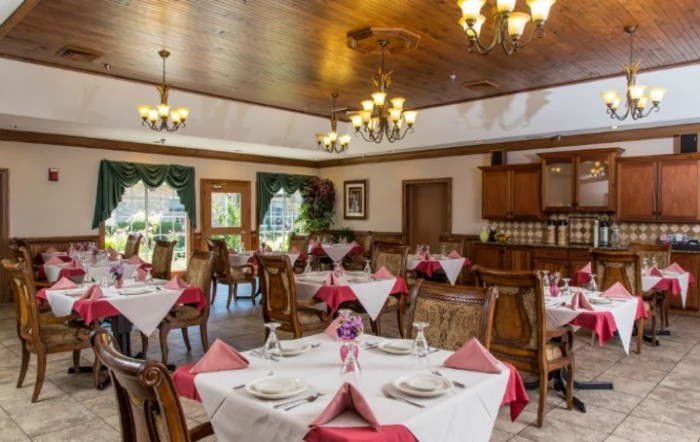
    A well-decorated dining room with elegantly set tables and classic chandeliers.
  • Outdoors

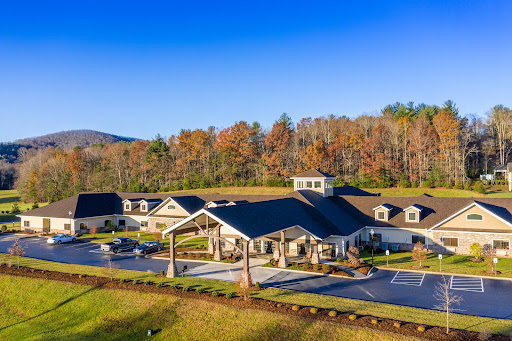
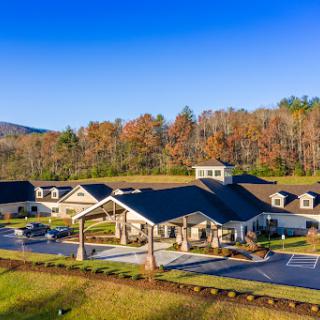
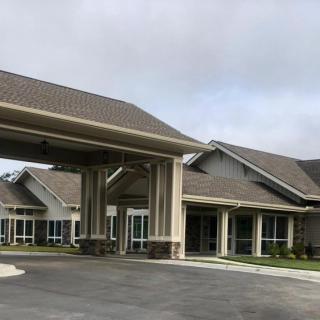
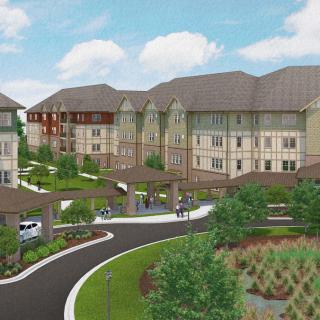
    A picturesque view of a modern facility nestled in a serene landscape, surrounded by autumn foliage and mountains.
  • Decor

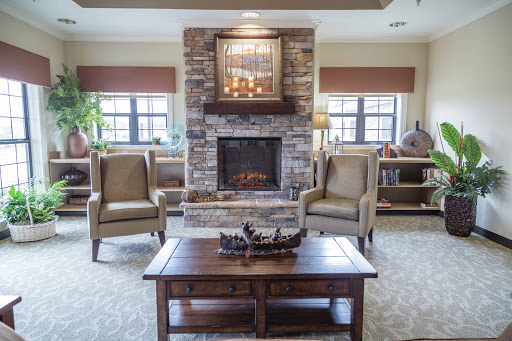
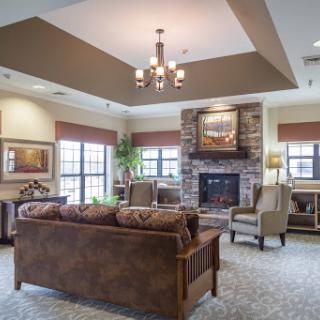
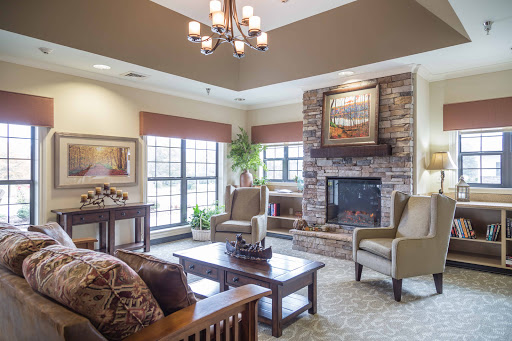
    A cozy living room featuring a modern fireplace and stylish seating.
  • Living Room

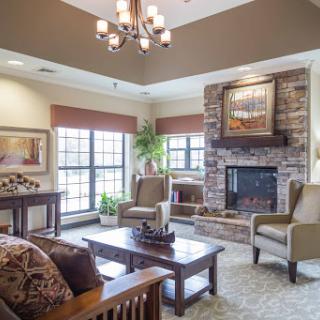
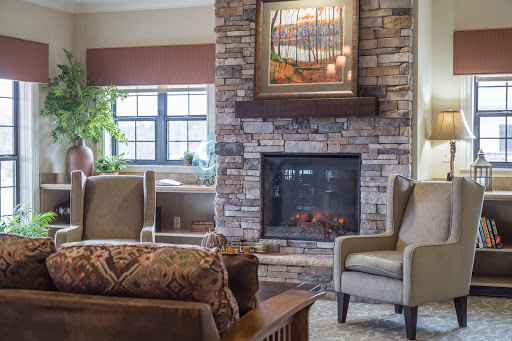
    A cozy living room featuring a stone fireplace and comfortable armchairs.
  • Building

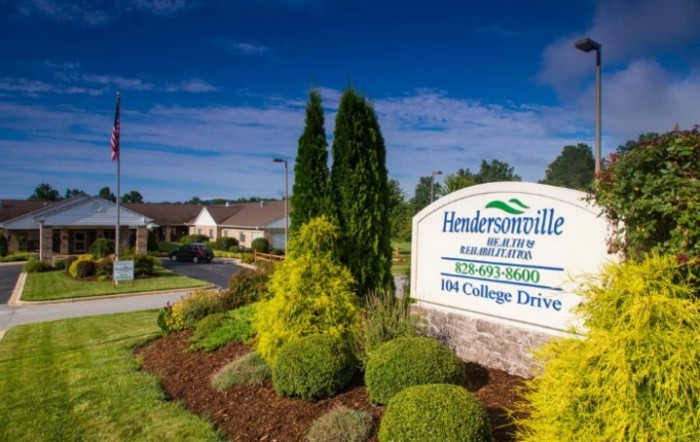
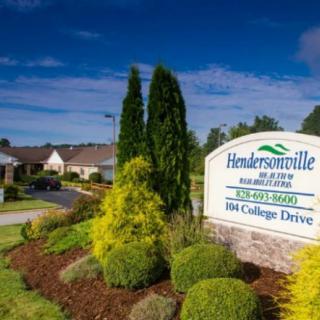
    A landscaped area with a sign for Hendersonville Health & Rehabilitation, featuring neatly trimmed bushes and trees under a cloudy sky.
  • Architecture

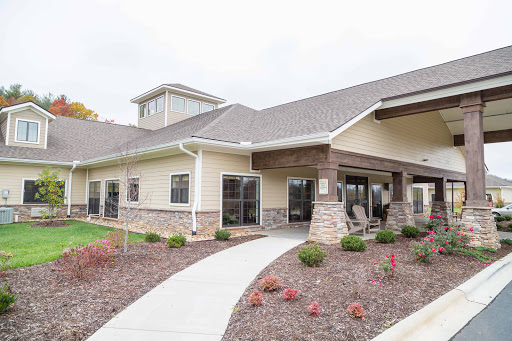
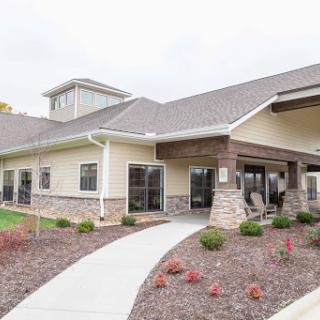
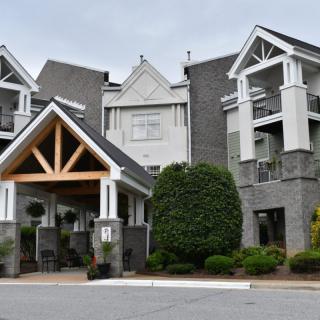
    A modern residential building with landscaped grounds and a welcoming pathway.
  • Fireplace

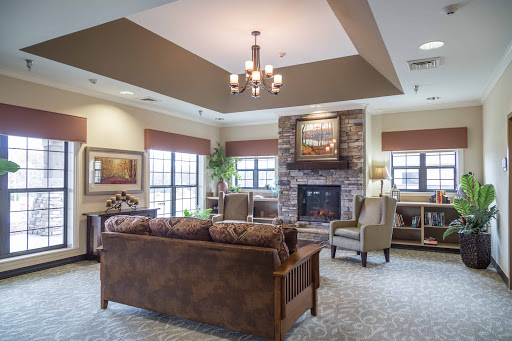
    A cozy living room featuring a stone fireplace, comfortable seating, and ample natural light.
  • Lobby

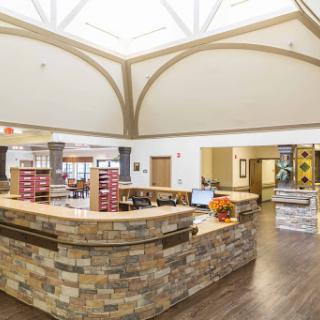
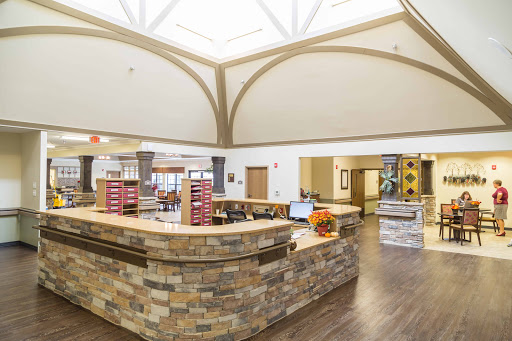
    A welcoming reception area featuring a blend of modern and natural elements.
  • Chandelier

    A cozy and modern living room featuring comfortable seating, a fireplace, and ample natural light.

The Lodge At Mills River

Information last verified:

5593 Old Haywood Road, Mills River, NC 28759

For more information about senior living options: (844) 490-3973

4.3 from 49 reviews
5 stars
39
4 stars
1
3 stars
1
2 stars
1
1 stars
7

Seniors.FYI Elite Community Awards

Top 5% Senior Living Community in 2023

Add this award to your website

Overall Review of The Lodge At Mills River

Pros

  • pro The Lodge at Mills River is a beautiful facility that feels like a luxury mountain retreat.
  • pro The staff are incredibly caring, attentive, and professional.
  • pro The therapy teams (PT/OT) are top-notch and tailor programs to each resident’s needs.
  • pro The lodge provides extensive one-on-one therapy time, often more than other facilities.
  • pro The dining and food service are restaurant-quality with flexible menu options.
  • pro Admissions and communications are smooth and supportive, with staff going the extra mile.
  • pro Families feel welcomed and treated like part of the Lodge family.
  • pro The facility is spotless, well-maintained, and surrounded by pleasant grounds.
  • pro Residents make meaningful progress under a dedicated, motivating therapy program.
  • pro The staff celebrate milestones with genuine kindness, creating memorable and positive experiences.

Cons

  • pro The service was horrible, taking 15 minutes to use the bathroom and staff giving residents horrible looks when they checked.
  • pro The air quality in patient rooms was poor, there was zero diabetic nutrition, and the DON was accused of bullying elder patients into procedures, with the care team opposing.
  • pro The PT department was praised, but everything else was pitiful, and at least one nurse was especially rude.
  • pro Skilled nursing care was lacking: the mother was not treated with dignity and respect, and an infection went unattended due to holidays.
  • pro The food was awful and not very healthy, with too many starches and too much salt, and the night shift was loud.
  • pro A reviewer would not recommend the Lodge based on a cousin's experience, citing rude staff and obscene language used to describe family members.
  • pro Pain management was poor; patients had to beg for pain medications and relief often arrived too late.

Review

The Lodge at Mills River is best suited for seniors who need short- or mid-term post-acute rehabilitation and skilled nursing recovery, especially after knee or hip replacements, spinal surgery, stroke, or serious medical setbacks. It shines for families seeking a facility that blends a resort-like, homey atmosphere with serious clinical capability. The emphasis on intensive, goal-directed rehabilitation, particularly PT and OT, paired with attentive nursing and a strong admissions process makes it a compelling choice for return-to-home recovery. For those prioritizing a calm, uplifting environment that supports steady functional gains, this community stands out as a practical, high-quality option in Western North Carolina.

Careful consideration should be given to those who may want to explore alternatives. Long-term, non-rehabilitative care cases, where round-the-clock medical oversight or dementia-specific, highly structured supervision is paramount, may benefit from facilities with a different care model. Families seeking uniformly consistent daytime and nighttime staff interactions across all shifts, with zero variability in bedside manner, may want to compare other rehabs or nursing homes. Some reviews reference isolated concerns about staff communication, pain-management logistics, or dining quality, which can matter if a loved one requires meticulous, uniform care or particularly restrictive dietary needs. In short, not every resident will experience the same day-to-day consistency, so tours and direct conversations with the care team are essential.

The strongest pro-case rests on the rehab program and the people delivering it. Therapists, PT, OT, and speech, are repeatedly praised for tailoring plans to individual goals, delivering substantial therapy time, and pushing progress with daily, measurable targets. Patients frequently walk away with functional gains that translate to independence at home, often after lengthy hospital stays or major surgeries. Nursing and CNAs are commonly described as compassionate, attentive, and thorough, with many families noting that staff treat residents with warmth and respect. The facility’s clean, spacious environment, thoughtful touches, and resort-like ambiance help sustain motivation during recovery, while a robust admissions and marketing team smooth the often stressful transition from hospital to rehab. Dining is frequently highlighted as a positive, with restaurant-quality meals and adaptable menus that accommodate preferences.

Yet, mixed experiences do appear and cannot be ignored. A subset of reviews describes portions of care where communication or bedside responsiveness did not meet expectations, including instances of delayed pain management or perceived roughness in night shifts. Several commenters flag inconsistencies in staff demeanor, with some caregivers described as brisk or brusque. Food quality also shows variability: while many praise the dining program, others report meals that feel heavy or not as healthy as hoped. A few accounts reference elevated noise from carts or other routine operations. These tensions are not universal, but they illustrate that the experience can hinge on which shift, which caregiver, and how thoroughly a plan is executed, underscoring the need for proactive care-team engagement and explicit expectations at intake.

The key positives, when weighed against these potential drawbacks, often offset the downsides in meaningful, durable ways. For families focused on rehabilitation outcomes, the evidence of strong, personalized therapy, frequent goal adjustment, and clear discharge planning is persuasive. The Lodge’s environment, bright, clean, and inviting, supports mood and participation, while staff accessibility and proactive communication with families help maintain trust during the recovery journey. When therapy goals are met, residents frequently transition home stronger, with better balance, mobility, and confidence than anticipated. The combination of high-caliber rehab, compassionate nursing support, and a patient-centered atmosphere commonly makes the Lodge the preferred choice for post-acute care in the Asheville region, even in the face of occasional service hiccups.

For families navigating a choice like this, practical steps cut through uncertainty. Schedule a tour with admissions and request a candid meeting with PT/OT leadership to understand intensity, frequency, and home-going plans. Ask how pain management is coordinated and how quickly medications can be adjusted if needed. Inquire about the dining program, special diets, and any dietary restrictions, and request to sample a few meals or observe a dining session. Talk openly with current residents or recent families about communication patterns, discharge timing, and how staff handled concerns. Finally, clarify expectations around long-term plans: if rehab succeeds, what does the handoff to outpatient therapy or home care look like, and what options exist if longer-term skilled care becomes necessary. The Lodge at Mills River excels for post-acute rehab and supportive skilled nursing, with a clear strength in delivering measurable recovery and a caring, family-like environment; for those seeking sustained, long-term living with uniform day-to-day care, a comparative tour will help ensure the fit is exact.

Features

Housing

  • 50 resident community capacity 50 resident community capacity

Types of Care

  • Skilled Nursing Facility Skilled Nursing FacilitySkilled Nursing Facilities are crucial for seniors as they provide round-the-clock medical care, rehabilitation services, and assistance with daily activities. These facilities ensure that seniors receive the specialized care they need to maintain their health and well-being as they age.

Amenities

  • Beauty salon Beauty salonBeauty salons are important for seniors because they provide a space for them to feel pampered, socialize, and maintain their personal grooming and hygiene. Regular visits to a beauty salon can help boost seniors' self-esteem and overall well-being.
  • Cable or satellite TV Cable or satellite TVCable or satellite TV is important for seniors because it provides entertainment, news, and companionship, helping to combat loneliness and boredom. It also offers a wide range of programming options tailored to different interests and preferences.
  • Dining room Dining roomDining rooms are important for seniors as they provide a space for socialization, connection, and nutritious meals. They offer opportunities for residents to bond over shared meals, foster a sense of community, and promote healthy eating habits. Dining rooms also ensure that seniors have access to well-balanced meals tailored to their dietary needs and preferences.
  • Fully furnished Fully furnishedFully furnished senior living communities are important for seniors because they provide convenience, comfort, and a hassle-free moving experience. Seniors can easily settle into their new living space without the stress of having to buy and move furniture. This allows them to focus on enjoying their new home and community.
  • Garden GardenGardens are important for seniors as they provide a peaceful and therapeutic environment for relaxation, physical activity, and socialization. Being in nature has been shown to reduce stress, improve mood, and promote overall well-being. Gardens also offer opportunities for seniors to engage in gardening activities, which can improve mobility, flexibility, and cognitive function. Additionally, gardens create a sense of community and connection with others who share a passion for plants and outdoor spaces.
  • Housekeeping services Housekeeping servicesHousekeeping services are important for seniors because they help maintain a clean and safe living environment, promote independence, and reduce the risk of accidents or illnesses. Additionally, having assistance with household chores can alleviate physical strain and allow seniors to focus on other aspects of their well-being.
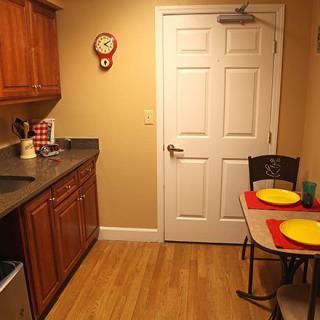
  • Kitchenette KitchenetteKitchenettes are important for seniors living in senior living communities because they provide the convenience and independence of being able to prepare simple meals and snacks in the comfort of their own living space. This can help promote a sense of autonomy and well-being for seniors, allowing them to maintain some level of control over their dietary choices and daily routines.
  • Move-in coordination Move-in coordinationMove-in coordination is important for seniors because it helps ease the transition into their new living environment. It ensures that all logistics, such as packing, organizing movers, and setting up utilities are taken care of, allowing seniors to focus on settling in and adjusting to their new home. Having a smooth move-in process can alleviate stress and anxiety, making the transition smoother and more enjoyable for seniors.
  • Outdoor space Outdoor spaceOutdoor spaces are important for seniors as they provide opportunities for physical activity, social interaction, exposure to natural light and fresh air, and a sense of connection to nature. Having access to outdoor spaces can improve overall well-being and quality of life for older adults living in senior communities.
  • Restaurant-style dining Restaurant-style diningRestaurant-style dining is important for seniors because it allows them to enjoy delicious, nutritious meals in a social and upscale setting. This enhances their dining experience, promotes healthy eating habits, and fosters socialization with fellow residents, ultimately contributing to their overall well-being and quality of life.
  • Small library Small librarySmall libraries are important for seniors as they provide access to a variety of reading materials, including books, newspapers, and magazines. This can help stimulate their minds, keep them engaged, and provide a sense of community through book clubs and other social activities. Additionally, reading has been shown to improve cognitive function and overall mental well-being in older adults.
  • Telephone TelephoneTelephones are important for seniors as they provide a lifeline for communication with loved ones, emergency services, and healthcare providers. They offer a sense of security and independence, enabling seniors to stay connected and access assistance when needed.
  • Wi-Fi/high-speed internet available Wi-Fi/high-speed internet availableWi-Fi/high-speed internet is important for seniors to stay connected with loved ones, access online resources, and participate in virtual activities to combat feelings of loneliness and isolation. It also allows them to easily manage healthcare needs, access entertainment, and engage in lifelong learning opportunities.

Transportation

  • Asheville Regional (2 miles away) Asheville Regional (2 miles away)

Care Services

  • 24-hour call system 24-hour call system24-hour call systems are important for seniors because they provide peace of mind and immediate assistance in case of emergencies. This technology ensures that help is always available, promoting safety and security for elderly individuals living alone or in assisted living facilities.
  • 24-hour supervision 24-hour supervision24-hour supervision is important for seniors to ensure their safety, well-being, and access to immediate assistance in case of emergencies or health issues. This constant support provides peace of mind for both seniors and their loved ones, allowing them to age in place with dignity and security.
  • Activities of daily living assistance Activities of daily living assistanceActivities of daily living assistance are important for seniors because they provide essential support with tasks such as eating, bathing, dressing, and mobility. This assistance helps seniors maintain their independence, dignity, and overall quality of life as they age.
  • Assistance with bathing Assistance with bathingAssistance with bathing is crucial for seniors as it helps maintain personal hygiene, prevents infections, and ensures their overall well-being and comfort. It also provides a sense of dignity and independence for seniors who may struggle with this task on their own.
  • Assistance with dressing Assistance with dressingAssistance with dressing is important for seniors because it helps maintain their independence, promotes personal hygiene, prevents accidents and injuries, and improves overall quality of life. This service ensures that seniors can continue to dress comfortably and confidently, despite any physical limitations they may have.
  • Assistance with transfers Assistance with transfersAssistance with transfers is crucial for seniors as it helps prevent falls and injuries, maintains their independence, and ensures they can safely navigate their living environment. It also provides peace of mind for both seniors and their loved ones.
  • Diabetes diet Diabetes dietA diabetes diet is crucial for seniors as it helps manage blood sugar levels, reduce risks of complications, and improve overall health and well-being. By following a balanced and nutritious diet tailored to their specific needs, seniors can better control their diabetes and enhance their quality of life.
  • Meal preparation and service Meal preparation and serviceMeal preparation and service are crucial for seniors as they may have limited mobility or energy to cook nutritious meals. Having access to healthy and convenient food options can ensure they are getting the proper nutrition needed to maintain their overall health and well-being.
  • Medication management Medication managementMedication management is crucial for seniors to ensure they are taking the right medications at the correct dosages and times. This helps prevent adverse drug interactions, reduces the risk of medication errors, and promotes overall health and well-being. Proactive management also allows for adjustments as needed based on changing health conditions or new prescriptions.
  • Mental wellness program Mental wellness programMental wellness programs are essential for seniors as they promote cognitive stimulation, emotional support, and social engagement. These programs help prevent isolation, depression, and cognitive decline, ultimately enhancing the overall quality of life for older adults.
  • Special dietary restrictions Special dietary restrictionsSpecial dietary restrictions are important for seniors because age-related changes in metabolism and health conditions can make it difficult for their bodies to process certain foods. By following a diet tailored to their specific needs, seniors can maintain their overall health and well-being, manage chronic conditions, and reduce the risk of complications such as malnutrition or food interactions with medications.
Dining

  • Diabetes diet Diabetes dietA diabetes diet is crucial for seniors as it helps manage blood sugar levels, reduce risks of complications, and improve overall health and well-being. By following a balanced and nutritious diet tailored to their specific needs, seniors can better control their diabetes and enhance their quality of life.
  • Special dietary restrictions Special dietary restrictionsSpecial dietary restrictions are important for seniors because age-related changes in metabolism and health conditions can make it difficult for their bodies to process certain foods. By following a diet tailored to their specific needs, seniors can maintain their overall health and well-being, manage chronic conditions, and reduce the risk of complications such as malnutrition or food interactions with medications.

Activities

  • Community-sponsored activities Community-sponsored activitiesCommunity-sponsored activities are important for seniors as they provide opportunities for social interaction, mental stimulation, and physical activity. These activities can help improve overall well-being, combat loneliness and isolation, and promote a sense of belonging and purpose among older adults.
  • Resident-run activities Resident-run activitiesResident-run activities are important for seniors as they encourage social interaction, creativity, and a sense of autonomy. These activities empower seniors to stay engaged and active in their community while fostering meaningful connections with their peers.
  • Scheduled daily activities Scheduled daily activitiesScheduled daily activities are important for seniors because they provide structure, socialization, mental stimulation, and physical activity. Engaging in regular activities can improve overall well-being and quality of life for seniors living in a community setting.

Description

The Lodge At Mills River in Mills River, NC is a premier assisted living community that offers a wide range of amenities and care services to meet the needs of its residents. The community features cable or satellite TV and wi-fi/high-speed internet, allowing residents to stay connected and entertained. Each apartment is fully furnished with a kitchenette, providing convenience and independence. Housekeeping services ensure that the living spaces are clean and comfortable.

Residents can enjoy outdoor space and a garden, perfect for relaxing or taking walks in nature. The community also offers restaurant-style dining where residents can enjoy delicious meals prepared by the staff. Special dietary restrictions are accommodated to ensure that everyone receives the proper nutrition.

In addition to these amenities, The Lodge At Mills River provides 24-hour supervision and assistance with activities of daily living such as bathing, dressing, and transfers. Medication management is also available to ensure that residents take their medications correctly and on time. A mental wellness program is offered to support the emotional well-being of residents.

The community encourages an active lifestyle through resident-run activities and scheduled daily activities. This allows residents to engage with one another, form meaningful connections, and stay mentally stimulated. Nearby parks provide opportunities for outdoor recreation, while pharmacies, physicians' offices, restaurants, transportation options, and places of worship are conveniently located nearby.

Overall, The Lodge At Mills River offers a comfortable and supportive environment for seniors who require assistance with daily tasks but still want to maintain their independence.

Virtual Tour

Nearby Places of Interest

Pharmacies

  • Ingles Market (1.8 miles)
  • Target Pharmacy (2.7 miles)
  • Ingles Market (4 miles)
  • Ingles Market (4 miles)
  • CVS Pharmacy (4.1 miles)
  • Walgreens (6.1 miles)
  • CVS Pharmacy (8.1 miles)

Parks

  • Westfeldt River Park (2.1 miles)
  • Lake Julian Park (4.3 miles)

Transportation

  • Asheville Regional Airport (AVL) (2.2 miles)

Restaurants

  • Cracker Barrel (2.5 miles)
  • Culver's (2.8 miles)
  • Sierra Nevada Brewing Co (3.1 miles)
  • One Thirty One Main Restaurant (4.2 miles)
  • P.F. Chang's China Bistro (4.3 miles)
  • McDonald's (4.4 miles)
  • Yum Poke Spot (4.5 miles)

Physicians

  • Christi G Hunt MD (4.1 miles)
  • Vein Specialist of Carolina Vascular (4.1 miles)
  • Asheville Medicine & Pediatrics (4.5 miles)
  • Arden Family Health Center (4.7 miles)
  • Asheville Dermatology Center (4.7 miles)
  • Pardee Family Medicine Associates (7.4 miles)
  • Biltmore Plastic Surgery (7.6 miles)

Places of Worship

  • Biltmore Baptist Church (4.4 miles)

Theaters

  • Cinemark (6.6 miles)

Hospitals

  • Mission Childrens Hospital (6.7 miles)
  • Mission St Joseph's (8.3 miles)
  • Team Member Pharmacy (9.4 miles)
  • Pardee Hospital - ICU (9.5 miles)
  • Mission Hospital Operating Room (10.6 miles)

Cafes

  • Starbucks (7.3 miles)
  • Pisgah Coffee Roasters (9 miles)
  • Starbucks (9.6 miles)
  • Underground Baking Co. (9.8 miles)
  • Starbucks (9.9 miles)
  • BattleCat Coffee Bar (10.6 miles)

Frequently Asked Questions

Where is The Lodge At Mills River?
What photos are available for The Lodge At Mills River in Mills River, North Carolina?

Nearby Communities

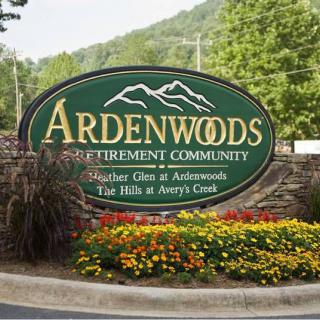
  • Ardenwoods

    Ardenwoods

    Arden, NC

    4.5 from 13 reviews
    $2,812 to $4,201 / month

    pro Friendly staff, engaging activities, and strong on-site amenities.

  • Heather Glen Assisted Living

    Heather Glen Assisted Living

    Arden, NC

    4.2 from 27 reviews
    $4,989 / month

    pro Compassionate, professional staff delivering personalized care in a clean, intimate setting.

  • The Hills at Avery's Creek

    The Hills at Avery's Creek

    Arden, NC


    pro Convenient location with nearby parks, pharmacies, physicians, and dining options, plus tailored meal and medication services.

  • Legacy at Mills River

    Legacy at Mills River

    MILLS RIVER, NC

    5 from 3 reviews
     

    pro Personalized care with 24/7 support, engaging activities, and furnished, kitchenette-equipped apartments.

  • The Landings Of Mills River

    The Landings Of Mills River

    Mills River, NC

    3.6 from 9 reviews
     

    pro Attentive staff and a newer, well-maintained facility with engaging activities.

  • Pinnacle at Arabella

    Pinnacle at Arabella

    Arden, NC

    4.3 from 7 reviews
     

    pro Small, personalized community (capacity 6) with meals, medication management, and connectivity.

  • Trinity View Retirement Community

    Trinity View Retirement Community

    Arden, NC

    4 from 30 reviews
    $3,100 to $4,935 / month

    pro Friendly, accommodating staff with a warm, close-knit community and engaging activities.

  • Brookdale Asheville Walden Ridge

    Brookdale Asheville Walden Ridge

    Asheville, NC

    4.2 from 60 reviews
    $3,000 to $10,195 / month

    pro Kind staff, clean facility, and engaging activities.

  • 60 Givens Gerber Park

    60 Givens Gerber Park

    Asheville, NC

    4.6 from 37 reviews
    $1,290 to $1,450 / month

    pro Affordable independent living with meals provided and on-site activities.

Related Resources

  • how much does 24/7 in home care cost per monthUnderstanding the Full Cost of 24/7 In-Home Care: A Detailed Overview

    The guide outlines the rising costs of 24/7 in-home care, ranging from $10,000 to over $20,000 monthly, driven by factors such as location and caregiver qualifications. It discusses the limited coverage by Medicare and private insurance, potential Medicaid support, and the emotional and living condition considerations influencing families' decisions on care arrangements.

  • home health nurseExploring the World of Home Health Nurses: Qualifications, Roles, and Hiring Tips

    Home health nursing is an expanding field where licensed professionals provide specialized medical care in patients' homes, addressing the needs of an aging population through personalized services like assessments and medication management. Effective collaboration with healthcare teams, cultural sensitivity, and quality assurance measures are essential for fostering trust and ensuring positive patient outcomes.

  • does medicare cover home health careNavigating Medicare Coverage for In-Home Care Services
    Medicare covers in-home health care services, which are medical and provided by licensed professionals under a physician's supervision, whereas non-medical personal assistance is generally not covered unless part of a broader skilled care plan. Eligibility for benefits depends on being homebound and needing intermittent skilled services from a Medicare-certified agency, with specific coverage limitations and additional resources available for navigating options.