For more information about senior living options: (866) 208-4318
4 from 43 reviews
5 stars
28
4 stars
2
3 stars
2
2 stars
5
1 stars
6
Overall Review of Scottish Pines Rehabilitation And Nursing Center
common21 reviews mention this
Staff are consistently described as caring
Residents and families repeatedly describe staff as caring, attentive, and helpful.
Many reviews emphasize that the staff treated residents with compassion and took time to respond to families and concerns. Several mention being kept informed and having questions answered, with specific praise for nurses and other team members. A smaller set of reviews raises the opposite concern, describing situations where help was slow or respect and dignity were lacking.
common14 reviews mention this
Therapy supports recovery goals
Families credit the therapy team with helping residents make progress.
On the rehab side, multiple reviews describe therapy as thorough and focused on getting people stronger enough to return home. Some families also mention continuing recovery afterward through outpatient therapy. The main caveat tied to rehab is staffing-related: a few reviews complain about medication timing and limited assistance, which they say affects participation in therapy.
caveat6 reviews mention this
Food quality is mixed
Food reviews range from very good to complaints about mistakes and poor quality.
Several residents and families say the meals were good, including praise for specific favorites and a holiday meal enjoyed on-site. Others report frustration with meal execution, including complaints about the kitchen, diet coordination, and getting the wrong items for dietary preferences. One review also notes that portion amounts were more than expected.
common8 reviews mention this
Cleanliness is a frequent point
Many reviews highlight cleanliness, while a few report serious cleanliness problems.
Positive reviews describe the facility as clean and well kept, with some calling out cleanliness alongside a welcoming atmosphere. Several also describe the building as beautiful and tidy. A few reviews contrast that by describing deplorable conditions, including concerns raised during a quarantine and another complaint about room condition.
caveat5 reviews mention this
Staffing and response times draw complaints
Some reviews report understaffing and delayed responses to urgent requests.
A recurring negative theme is that help wasn’t available quickly enough, including situations involving call lights and requests for assistance. Several reviews also mention weekend staffing limitations and long waits for basic needs, with families questioning follow-through. One review adds concerns about being informed promptly after an appointment and another describes medication timing problems impacting care.
How we summarize
Counts show how many written reviews mention each theme; a review can touch several themes, and only frequently mentioned themes are displayed.
Features
Housing
149 resident community capacity
Types of Care
Skilled Nursing Facility
Amenities
Air-conditioning
Beauty salon
Cable or satellite TV
Computer center
Dining room
Fitness room
Fully furnished
Gaming room
Garden
Housekeeping services
Kitchenette
Move-in coordination
Outdoor space
Private bathrooms
Restaurant-style dining
Small library
Telephone
Wellness center
Wi-Fi/high-speed internet available
Transportation
Community operated transportation
Transportation arrangement
Transportation arrangement (non-medical)
Transportation to doctors appointments
Care Services
12-16 hour nursing
24-hour call system
24-hour supervision
Activities of daily living assistance
Assistance with bathing
Assistance with dressing
Assistance with transfers
Diabetes diet
Meal preparation and service
Medication management
Mental wellness program
Special dietary restrictions
Dining
Diabetes diet
Special dietary restrictions
Activities
Community-sponsored activities
Concierge services
Fitness programs
Planned day trips
Resident-run activities
Scheduled daily activities
Nearby Places of Interest
Places of Worship
Church of Jesus Christ of Latter Day Saints (2 miles)
Trinity Preschool-After School (2.6 miles)
Church of the Nazarene (2.8 miles)
Church Of Christ (3.3 miles)
E B Cline Ministries (4 miles)
Amen Alleluia Church (4.9 miles)
Fletcher Grove Baptist Church (6.2 miles)
Restaurants
Jerry's (2.1 miles)
Mamie's Drive Inn (6 miles)
Firehouse Restaurant (8.4 miles)
Waterfront Grill (15.2 miles)
Burger King (15.8 miles)
Bojangles' Famous Chicken 'n Biscuits (15.8 miles)
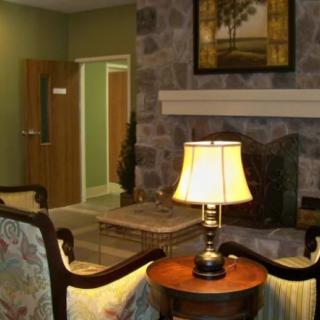
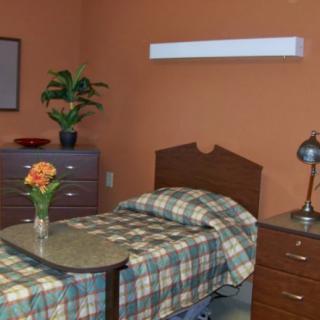
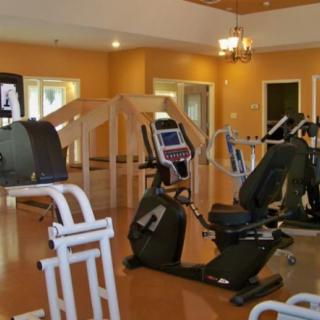
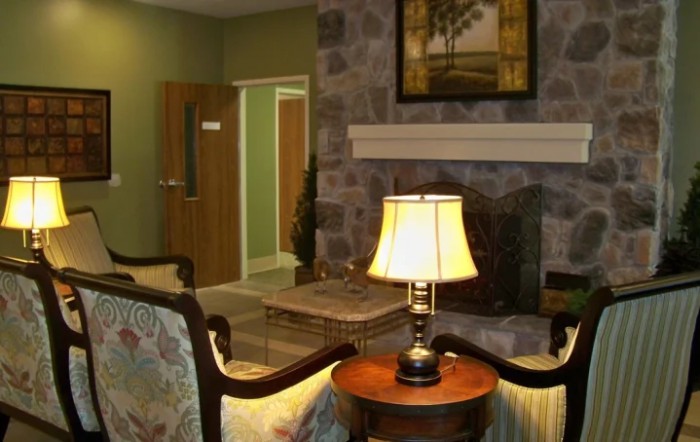
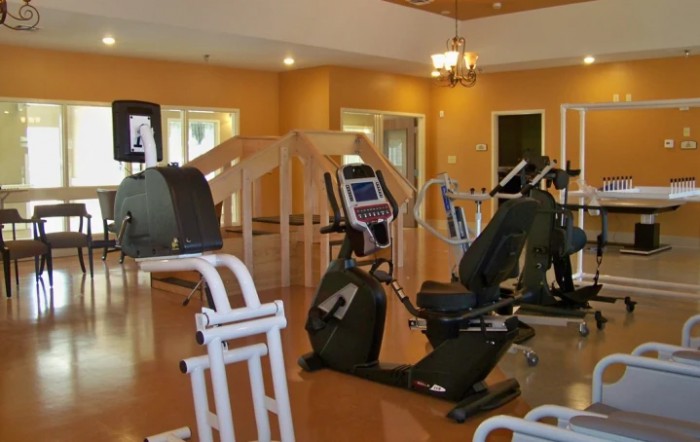
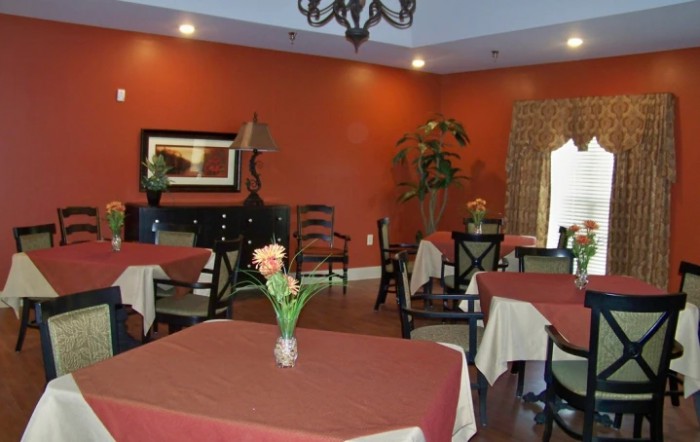
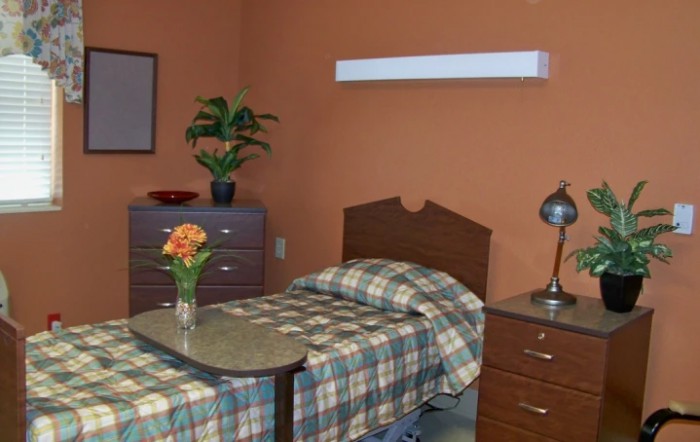
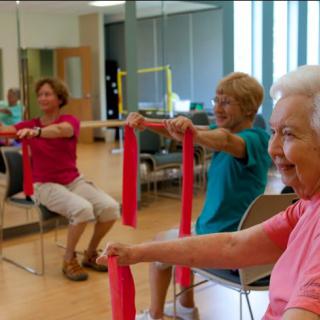
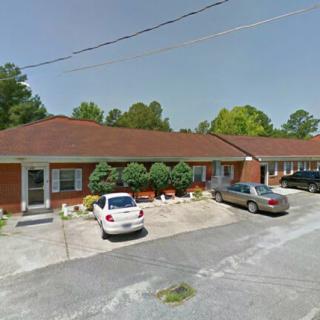
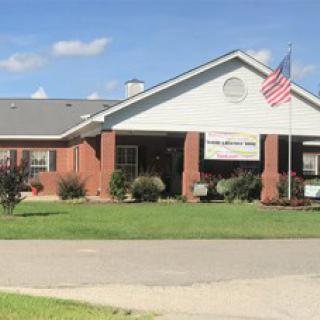
Scottish Pines Rehabilitation And Nursing Center on seniors.fyi includes 4 photos including images showing interior, decor, dining, bedroom, living room, fireplace, gym, exercise equipment, and more.
Nearby Communities
Prestwick Village Assisted Living
Laurinburg, NC
4.4 from 14 reviews
$2,950 to $4,300 / month
Caring, supportive community with staff that go above and beyond.
Edwin Morgan Ctr
Laurinburg, NC
Personalized 24/7 care in a peaceful, social environment.
Scotia Village Continuing Care Retirement Community
Laurinburg, NC
4.5 from 108 reviews
$2,295 to $2,560 / month
Small, well-kept community with friendly staff, pleasant atmosphere, good dining, and engaging activities.
B & B Assisted Living 6
Maxton, NC
3.3 from 3 reviews
Small, home-like assisted living with comprehensive ADL support, meals, transportation to appointments, and daily activities.
Covenant Care
Lumberton, NC
4.3 from 6 reviews
Wide range of amenities and 24/7 care in a 30-resident setting.
Family Choice Healthcare
Bennettsville, SC
Convenient access to pharmacies, physicians, hospitals, restaurants, and places of worship nearby.
Pembroke Care and Rehabilitation Center
Pembroke, NC
3.9 from 88 reviews
$4,860 / month
Attentive staff with around-the-clock care and proactive family communication.
Btu Rest Home
Bennettsville, SC
3.3 from 6 reviews
$1,450 to $5,700 / month
Affordable semi-private/one-bedroom options with extensive amenities and 24/7 care.
Integrity Open Arms
Raeford, NC
2.9 from 15 reviews
$2,850 to $3,750 / month
Personalized tour experience, transparent communications, and a range of care options.
Arthritis encompasses over 100 joint disorders affecting people of all ages, leading to symptoms like pain and stiffness that impair mobility and quality of life. Effective management involves early diagnosis, lifestyle changes, medical treatments, emotional support, and ongoing monitoring with healthcare professionals.
The article highlights the high risk of falls among older adults due to factors like muscle weakness, vision issues, and environmental hazards, with one in four experiencing a fall annually. It advocates for a comprehensive prevention approach that includes exercise, home safety modifications, medication management, social support, and caregiver involvement.
Elder law attorneys assist older adults and their families with legal matters such as estate planning, Medicaid eligibility, and guardianships, while also providing protection against elder abuse. They help navigate complex regulations to safeguard financial resources, ensure well-being, and maintain autonomy for seniors.
Scottish Pines Rehabilitation And Nursing Center photos
×
Interior
Decor
Bedroom
Exercise Equipment
Interior
Decor
Bedroom
Dining
Living Room and Fireplace
Exercise Equipment, Gym, Fitness, and Exercise Room
Get PricingAsk A QuestionSchedule A TourContact Senior Advisor
By clicking submit, you agree to our Partner's Terms of Use. You
also consent to receive calls and texts, which may be autodialed, from our Partner. Your consent is not a condition to
using our Partner's service. Please visit our Partner's Privacy Policy for information about their privacy practices.

 149 resident community capacity
 Skilled Nursing Facility
 Air-conditioning
 Beauty salon
 Cable or satellite TV
 Computer center
 Dining room
 Fitness room
 Fully furnished
 Gaming room
 Garden
 Housekeeping services
 Kitchenette
 Move-in coordination
 Outdoor space
 Private bathrooms
 Restaurant-style dining
 Small library
 Telephone
 Wellness center
 Wi-Fi/high-speed internet available
 Community operated transportation
 12-16 hour nursing
 24-hour call system
 Activities of daily living assistance
 Assistance with bathing
 Assistance with dressing
 Assistance with transfers
 Diabetes diet
 Medication management
 Mental wellness program
 Special dietary restrictions
 Concierge services
 Planned day trips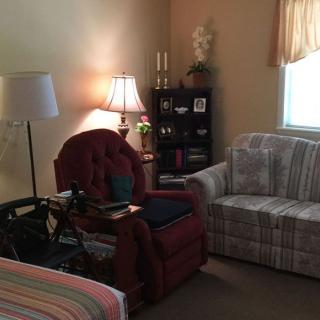
 Caring, supportive community with staff that go above and beyond.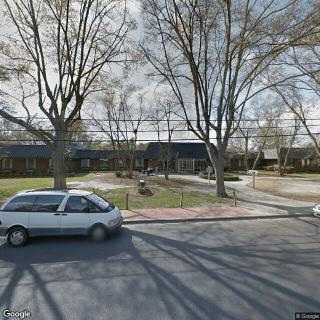



 Comprehensive Approaches for Arthritis: A Detailed Guide to Symptoms, Causes, and Care
 Comprehensive Insights and Practical Strategies to Help Older Adults Avoid Falls
 6 Crucial Ways an Elder Law Attorney Assists Families