
914 Chapel Hill Rd, Burlington, NC 27215
To contact a resident: (336) 532-0100
For more information about senior living options: (866) 208-4318
Overall Review of Hospice Of Alamance Caswell
Pros
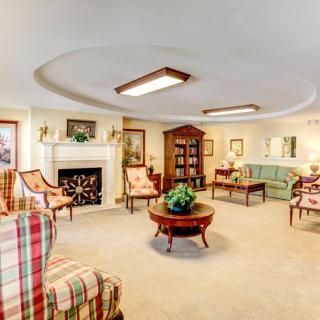
 The hospice home is a peaceful and calming place.
- The staff are kind, compassionate, and caring.
- The entire staff helps families transition with dignity and peace.
- AuthoraCare Hospice’s kindness and support are greatly appreciated by families.
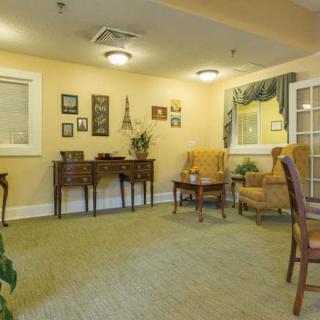
- The facility is well kept, clean, and organized.
- The staff are wonderful, caring, and often become an extended family.
- The environment offers comfort and peace at the end of life.
- The team views their work as a calling to help others.
Cons
 One reviewer accuses P. Alston of an inconsiderate attitude and unprofessional conduct.
- The reviewer states that AuthoraCare personnel were not prepared, leading to a three-hour wait for pain medication and the patient dying in extreme pain.
- The reviewer was unhappy that their counselor went on sick leave and that no one returned calls for three months.
- The reviewer described the hospice as the worst and horrifying.
- The reviewer reports staff became aggressive when the family declined a procedure.
- The reviewer says nurses were disrespectful, uncaring, and irresponsible, and alleges some staff were racist and in need of reevaluation.
Review
This community is best suited for families facing the end-of-life journey who want a serene, respectful environment where the focus is on easing patients and supporting loved ones. The setting is repeatedly described as peaceful and calming, with many reviews praising staff warmth and the way care extends to family members. For those who prize a strong bereavement program and want to feel that the entire process is handled with compassion, this hospice delivers. Yet this option is not universally ideal. Families needing unwavering, highly consistent medical oversight or flawless, around-the-clock pain control should consider alternatives. While the overall tone leans toward kindness and dignity, there are clear cautions about variability in staffing and care that can tilt the experience away from what was hoped for. The deciding factor is whether the priority is a tranquil, family-centered experience, coupled with the expectation of reliable professional oversight.
The strongest positives center on atmosphere and relationships. The hospice consistently earns praise for a clean, well-kept facility that exudes safety and calm. The care team, nurses, CNAs, social workers, and chaplains, works collaboratively to manage symptoms, coordinate plans, and address emotional and spiritual needs. Families report feeling listened to and supported, often describing staff as genuinely devoted to both patient and relatives. Importantly, the care philosophy emphasizes helping the family navigate grief and transition, not just the medical checklist. Bereavement support is highlighted as a meaningful lifeline, and the hands-on involvement of multiple disciplines helps create a sense of continuity during a painful process. In practical terms, this is a place where peace and personal attention are visible strengths.
However, multiple reviews flag meaningful cons that cannot be ignored in decision-making. A recurring concern is the variability in care quality, tied to which caregiver is on duty. Some families experienced delays in pain medication and slower recognition of changing end-of-life needs, which can amplify distress in already tough moments. Communication gaps and perceived gaps in training or responsiveness further erode confidence when clarity is most needed. There are accounts of tense or aggressive interactions around procedures, and even high-heat complaints about neglect, which understandably shake trust. A few reports describe personnel issues such as a counselor going on leave with limited communication about return, producing an unsettling feeling of discontinuity. In one troubling thread, reviewers allege racist attitudes among staff and a sense that hearts had cooled under pressure. Taken together, these are significant risks for families seeking predictable, consistently high-level medical oversight.
Despite the negative voices, the core advantages often offset the drawbacks when the team aligns with family expectations. When staff show up with warmth, clear communication, and a willingness to involve relatives in planning, families report a powerful sense of relief and dignity. The environment remains a practical ally, clean rooms, orderly protocols, and accessible support services, which helps reduce the chaos that can accompany end-of-life care. The strongest cases for this community come from those who can leverage stable, compassionate relationships with caregivers and who are proactive in shaping care plans. In those situations, the gaps in pace or personnel tension become manageable friction rather than deal-breakers. For families open to assertive collaboration with the team, the overall experience can still feel profoundly humane and respectful.
For families evaluating options, concrete questions should drive the decision. In a tour, press for transparency about nurse-to-patient ratios and the ability to sustain consistent assignments, especially during nights and weekends. Clarify the pain management policy: how quickly medications are made available after a request, and what mitigations exist if a particular shift lacks experienced staff. Ask about the 24/7 on-call structure and the process for escalation if concerns arise after hours. Inquire about ongoing training in palliative care, dementia, and culturally sensitive communication, and request specific examples of how bereavement support is tailored to different family needs. Finally, probe around past regulatory feedback or formal complaints to set realistic expectations about consistency and accountability.
In the end, this Hospice of Alamance Caswell is a strong option for families who prize peace, dignity, and active family participation in a well-maintained environment. It is especially well-suited for those who value a holistic, team-based approach to end-of-life care and who are prepared to advocate for steady, responsive medical oversight when needed. For families whose bottom line hinges on flawless constancy in nursing care, universal quick pain control, or a zero-tolerance policy for any interpersonal missteps, alternatives, such as other hospice providers with demonstrated consistency, merit serious consideration. The prudent path is to interview the team candidly, set explicit expectations up front, and insist on a clear plan for symptom control and family communication. When those conditions are met, this community can deliver the compassionate, dignified experience that many families seek at life’s end.
 Skilled Nursing Facility
 High acuity care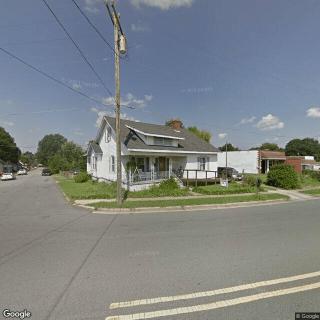





 Understanding the Full Cost of 24/7 In-Home Care: A Detailed Overview
 Exploring the World of Home Health Nurses: Qualifications, Roles, and Hiring Tips
 Navigating Medicare Coverage for In-Home Care Services