At Aston Park Health Care Center, the monthly costs for care reflect a range that positions it competitively within Buncombe County and North Carolina as a whole. For semi-private rooms, residents can expect to pay between $3,000 and $4,650, which is notably lower than the county average of $3,859 and slightly above the state average of $3,584. When it comes to private accommodations, the facility's pricing ranges from $4,000 to $5,250. This is more affordable than Buncombe County's average of $5,177 but aligns closely with North Carolina's statewide average of $4,425. Overall, Aston Park offers options that cater to various financial needs while maintaining high standards of care in a welcoming environment.
Floor plans
Aston Park Health Care Center
Buncombe County
North Carolina
Semi-Private
$3,000 to $4,650
$3,859
$3,584
Private
$4,000 to $5,250
$5,177
$4,425
Overall Review of Aston Park Health Care Center
common20 reviews mention this
Staff care is the main draw
Residents and families consistently describe caring, attentive support from the staff.
Many reviewers focus less on the building and more on people—describing staff who are friendly, knowledgeable, and responsive to day-to-day needs. Several also call out dignity and patience, including respectful care in the dementia unit and support through difficult transitions. A smaller set of reviews goes the other direction, describing rude interactions, lack of attention, or inconsistent training, which is worth weighing alongside the many positive accounts.
common8 reviews mention this
Cleanliness stands out
Multiple reviews mention the facility feels consistently clean.
A number of residents and families describe the community as clean, well kept, and free of strong odors, including during short-term rehab stays. Reviewers also mention rooms and common areas looking shiny and fresh. There are also negative reviews that criticize care conditions and hygiene-related concerns, so cleanliness appears more consistent in the positive accounts than in the complaints.
common8 reviews mention this
Food quality earns mixed feedback
Food quality is a frequent topic, with both praise and complaints in the reviews.
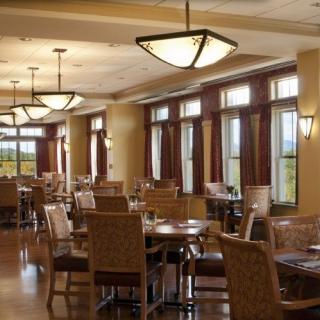
Several reviewers say meals were enjoyable, served hot, and even better than they expected for an institutional setting. Others mention staff working to accommodate what their loved one could eat, including dietary restrictions or allergies noted in care records. On the downside, some reviews criticize meal handling and overall food quality. The community offers dining-related options such as restaurant-style dining, and reviews suggest the experience varies by person and situation.
common4 reviews mention this
Dementia and memory care appear present
Reviews describe experiences connected to dementia and a dementia unit.
A few reviewers mention dementia care specifically, including touring a dementia ward and describing day rooms and outdoor access as part of that experience. Others describe how staff handled behaviors with patience and respect, while still acknowledging the progression of illness. There are also concerns from at least one reviewer about care adequacy for a family member with dementia. Overall, dementia care comes through strongly in the review narratives, even though the day-to-day fit may differ for each family.
caveat4 reviews mention this
Communication feels inconsistent
Some families report trouble getting through, while others praise ongoing communication.
Positive notes mention open communication and being kept informed about changes and plans. Others report difficulty reaching intake or the front desk for weeks, along with rude responses when they finally connected. With both experiences in the reviews, it’s hard to treat communication as consistently smooth, so families may want to watch for responsiveness during outreach and follow-through.
How we summarize
Counts show how many written reviews mention each theme; a review can touch several themes, and only frequently mentioned themes are displayed.
Features
Housing
120 resident community capacity
Types of Care
Skilled Nursing Facility
Pets
Cats allowed
Dogs allowed
Amenities
Air-conditioning
Beauty salon
Cable or satellite TV
Computer center
Dining room
Fitness room
Fully furnished
Gaming room
Garden
Housekeeping services
Kitchenette
Move-in coordination
Outdoor space
Private
Private bathrooms
Restaurant-style dining
Small library
Telephone
Wellness center
Wi-Fi/high-speed internet available
Transportation
Asheville Regional (9 miles away)
Community operated transportation
Transportation arrangement
Transportation arrangement (non-medical)
Transportation to doctors appointments
Care Services
12-16 hour nursing
24-hour call system
24-hour supervision
Activities of daily living assistance
Assistance with bathing
Assistance with dressing
Assistance with transfers
Diabetes diet
Meal preparation and service
Medication management
Mental wellness program
Special dietary restrictions
Dining
Diabetes diet
Special dietary restrictions
Activities
Community-sponsored activities
Concierge services
Fitness programs
Planned day trips
Resident-run activities
Scheduled daily activities
Nearby Places of Interest
Restaurants
Moose Cafe Asheville (0.6 miles)
Cedric's Tavern (0.8 miles)
Bistro at Antler Village (0.9 miles)
Rocky’s Hot Chicken Shack (1.4 miles)
UpCountry Brewing (1.5 miles)
KFC (1.7 miles)
Taco Bell (1.8 miles)
Physicians
Julie Hanson, MET Practitioner (1.3 miles)
Carolina Hand Surgery (2.4 miles)
Mission Weight Management Center - Sharon C Hathaway MD (2.8 miles)
At Aston Park Health Care Center, the monthly costs for care reflect a range that positions it competitively within Buncombe County and North Carolina as a whole. For semi-private rooms, residents can expect to pay between $3,000 and $4,650, which is notably lower than the county average of $3,859 and slightly above the state average of $3,584. When it comes to private accommodations, the facility's pricing ranges from $4,000 to $5,250. This is more affordable than Buncombe County's average of $5,177 but aligns closely with North Carolina's statewide average of $4,425. Overall, Aston Park offers options that cater to various financial needs while maintaining high standards of care in a welcoming environment.
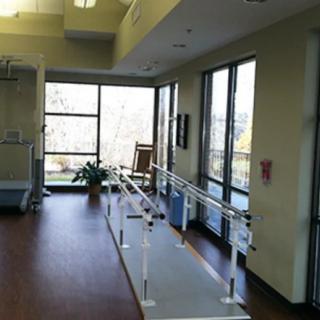
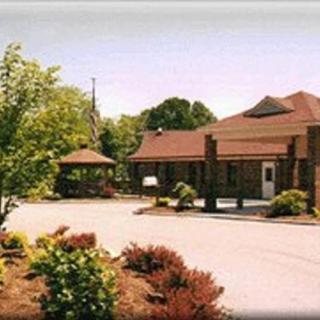
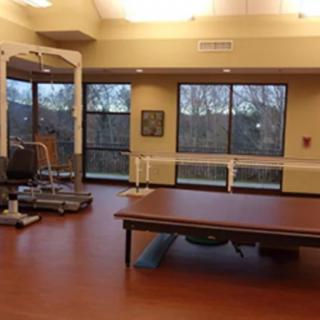
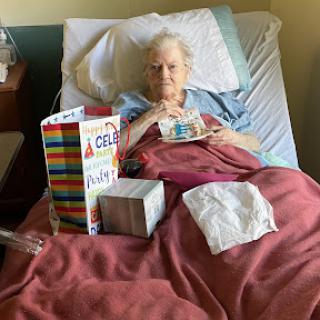
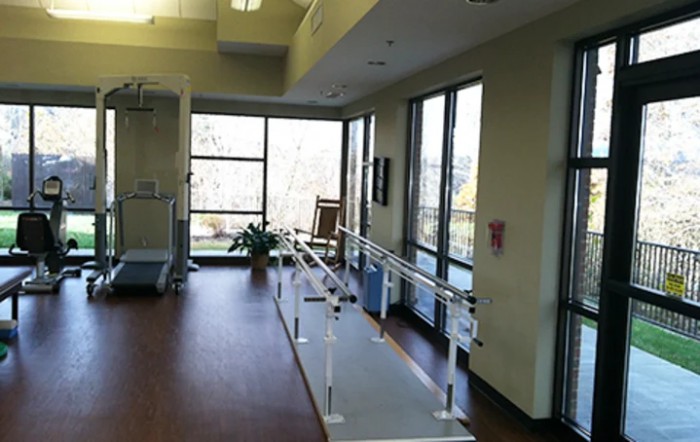
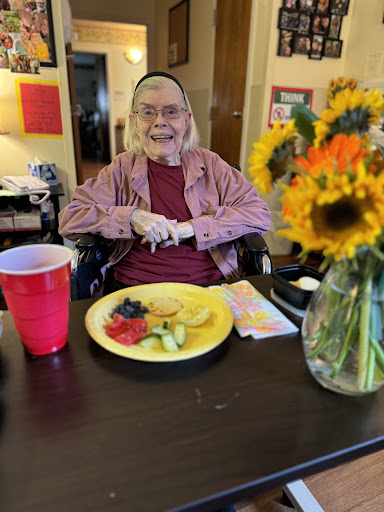
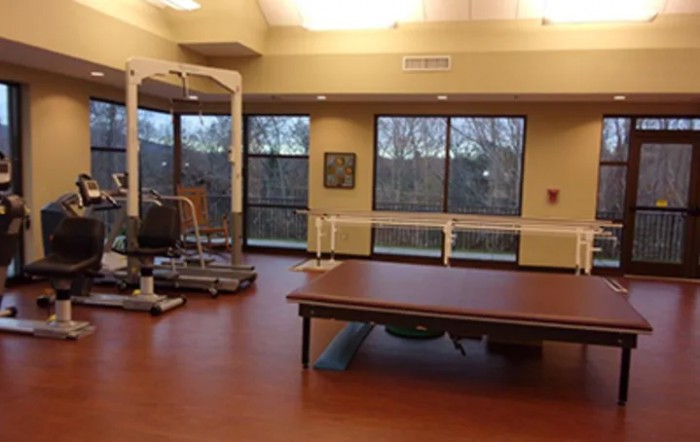
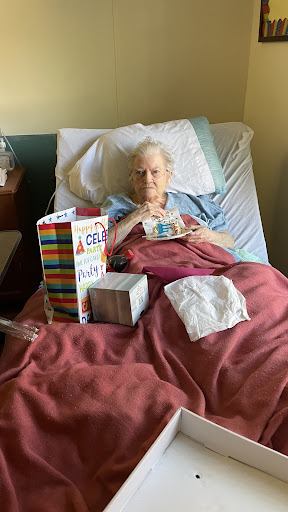
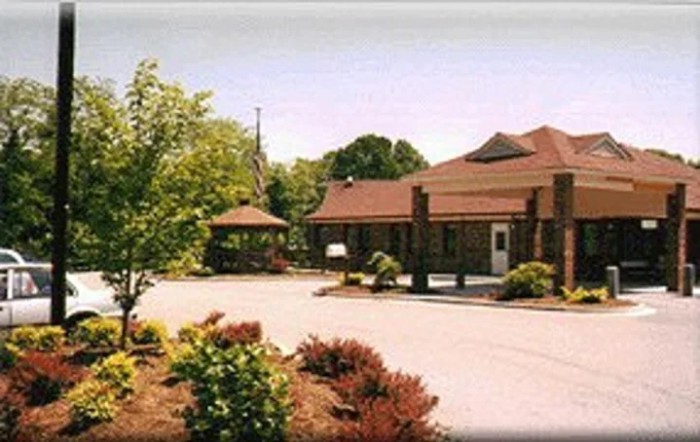
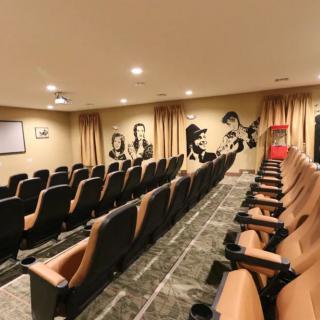
Aston Park Health Care Center on seniors.fyi includes 5 photos including images showing physical therapy, interior, garden, trees, outdoors, dining, hospital bed, rehabilitation, and more.
Nearby Communities
Alverta Bolick Home
Asheville, NC
4.3 from 6 reviews
Intimate, small-capacity board-and-care with 24-hour supervision and personalized ADL support.
BrightStar Care of Asheville
Asheville, NC
4.5 from 22 reviews
Dedicated caregivers (Lauren, Lynette, Pauline) delivering personalized at-home support and responsive issue resolution.
Liberty Oaks 1
Asheville, NC
$9,725 / month
24/7 supervision with ADL support, medication management, and transportation.
Liberty Oaks Family Care
Asheville, NC
Strong access to healthcare, dining, and amenities in Asheville.
Liberty Oaks 2
Asheville, NC
4.1 from 7 reviews
Small, intimate 6-bed board-and-care with comprehensive daily living support and on-site amenities.
Westside Assisted Living A
Asheville, NC
24/7 supervision with comprehensive care and daily activities.
Richmond Hill
Asheville, NC
$3,000 / month
Personalized diabetic care with affordable $3,000/month pricing
Deerfield Episcopal Retirement Community
Asheville, NC
4.4 from 25 reviews
Personalized apartments with attentive staff and strong amenities.
Harmony At Reynolds Mountain
Asheville, NC
4.1 from 177 reviews
$4,340 to $6,000 / month
Beautiful views, spacious rooms, and caring staff with active social programs.
Elder law attorneys assist older adults and their families with legal matters such as estate planning, Medicaid eligibility, and guardianships, while also providing protection against elder abuse. They help navigate complex regulations to safeguard financial resources, ensure well-being, and maintain autonomy for seniors.
Caregiving for an aging parent entails emotional and financial responsibilities accompanied by significant tax implications, including potential benefits from claiming them as dependents and deductions for medical expenses and caregiving costs. Caregivers must understand eligibility requirements, maintain thorough documentation, and consider consulting a tax professional to navigate these complexities effectively.
Low-impact exercises are vital for seniors as they promote health, independence, and social interaction while reducing joint strain. These adaptable activities, guided by healthcare professionals, enhance strength, flexibility, and emotional well-being.
Landscaping, Building, Trees, Garden, and Outdoors
Exercise Equipment, Rehabilitation, and Fitness Room
Physical Therapy
Therapy Room
Hospital Bed
Get PricingAsk A QuestionSchedule A TourContact Senior Advisor
By clicking submit, you agree to our Partner's Terms of Use. You
also consent to receive calls and texts, which may be autodialed, from our Partner. Your consent is not a condition to
using our Partner's service. Please visit our Partner's Privacy Policy for information about their privacy practices.

 120 resident community capacity
 Skilled Nursing Facility
 Cats allowed
 Dogs allowed
 Air-conditioning
 Beauty salon
 Cable or satellite TV
 Computer center
 Dining room
 Fitness room
 Fully furnished
 Gaming room
 Garden
 Housekeeping services
 Kitchenette
 Move-in coordination
 Outdoor space
 Private
 Private bathrooms
 Restaurant-style dining
 Small library
 Telephone
 Wellness center
 Wi-Fi/high-speed internet available
 Asheville Regional (9 miles away)
 Community operated transportation
 12-16 hour nursing
 24-hour call system
 Activities of daily living assistance
 Assistance with bathing
 Assistance with dressing
 Assistance with transfers
 Diabetes diet
 Medication management
 Mental wellness program
 Special dietary restrictions
 Concierge services
 Planned day trips
 Intimate, small-capacity board-and-care with 24-hour supervision and personalized ADL support.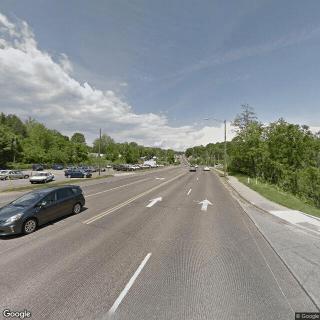

 6 Crucial Ways an Elder Law Attorney Assists Families
 Navigating the Tax Landscape of Caregiving: Credits, Deductions, and Beyond
 Highly Beneficial Low-Impact Exercises for Senior Living Residents