Overall Review of Troy Center For Rehabilitation And Nursing
caveat8 reviews mention this
Hard to reach by phone
Residents and families describe trouble reaching the facility by phone and on-call systems.
A recurring complaint is that families can’t get through when they call, including on a patient’s unit. Several reviews also mention delayed or missed responses to call lights, with people waiting for help long enough to become worried. In the most serious accounts, families describe escalating to external help because they couldn’t reach staff. While some reviewers praise communication and responsiveness, the concerns about access to the phone and call responses show up repeatedly in the negative reviews.
caveat12 reviews mention this
Cleanliness and odor concerns
Multiple reviews describe unsanitary conditions and strong unpleasant odors.
Many negative reviews focus on the facility being dirty or poorly kept, with descriptions ranging from stained or soiled linens to floors and rooms that look neglected. Several reviewers specifically mention urine odor, sometimes describing it as present for days. A few accounts add more detail about pests or visible mess, and connect those issues to resident neglect. Positive reviews exist, but cleanliness and odor remain a consistent theme across the unfavorable feedback.
common15 reviews mention this
Staff care and teamwork stand out
Many residents and families describe caring, attentive staff and supportive help.
Across the reviews, positive experiences repeatedly point to staff being helpful, kind, and responsive to questions or concerns. Several accounts describe nurses and aides taking time to talk with families, explaining what’s happening, and treating residents with respect. There are also mentions of teamwork, including aides stepping in when the unit was short-staffed. At the same time, a subset of reviews strongly contradict that with complaints about missed calls and delays, so the staff experience appears mixed depending on the situation.
common6 reviews mention this
Rehab and therapy get praise
Reviews frequently praise PT and OT and the rehab progress they saw.
A number of reviews highlight physical therapy and occupational therapy as a standout part of the stay. Some residents describe arriving unable to walk and making gains with therapy and daily sessions, while others call the rehab program strong. Even among otherwise critical reviews, a few acknowledge that therapy times or therapists were good. This theme aligns with the facility offering wellness-focused programming such as a fitness room and scheduled daily activities.
caveat5 reviews mention this
Food is inconsistent
Several reviews describe dining quality as bland, late, or hard to eat.
Some families call the food terrible or inedible, while others say it was bland and required bringing additional food in. There are also mentions of meals arriving late. A smaller number of reviews say the food is okay, but “questionable” or not a highlight, which helps explain why the dining feedback feels uneven. The community does offer restaurant-style dining, which is a better fit for the more positive dining notes than the harshest complaints.
caveat4 reviews mention this
Medication and call delays
Some reviews describe delays or problems getting medications when needed.
Several negative accounts describe pain medication being delayed or nurses being unable to access orders in time. Other reviews mention medication being handled inconsistently, including concern about accuracy compared with usual prescriptions. A few accounts connect the timing problems to resident discomfort and urgent needs. Even with this, some positive reviewers say nursing staff were devoted and responsive, so the medication experience is not described the same way in every review.
How we summarize
Counts show how many written reviews mention each theme; a review can touch several themes, and only frequently mentioned themes are displayed.
Features
Housing
80 resident community capacity
Types of Care
Skilled Nursing Facility
Amenities
Activities off-site
Activities on-site
Air-conditioning
Beautician on-site
Beauty salon
Cable or satellite TV
Computer center
Dining room
Fitness room
Fully furnished
Gaming room
Garden
Housekeeping services
Indoor common areas
Kitchenette
Move-in coordination
Outdoor common areas
Outdoor space
Private bathrooms
Restaurant-style dining
Small library
Telephone
Wellness center
Wi-Fi/high-speed internet available
Transportation
Albany Cty (6 miles away)
Community operated transportation
Transportation arrangement
Transportation arrangement (non-medical)
Transportation to doctors appointments
Care Services
12-16 hour nursing
24-hour call system
24-hour supervision
Activities of daily living assistance
Assistance with bathing
Assistance with dressing
Assistance with transfers
Diabetes diet
High acuity care
Meal preparation and service
Medication management
Mental wellness program
Special dietary restrictions
Dining
Diabetes diet
Meals provided
Special dietary restrictions
Activities
Activities off-site
Activities on-site
Community-sponsored activities
Concierge services
Fitness programs
Planned day trips
Resident-run activities
Scheduled daily activities
Nearby Places of Interest
This area of Troy, New York, offers convenient access to a variety of healthcare services, including physicians, pharmacies, and hospitals within a few miles. The presence of multiple restaurants and cafes provides opportunities for dining out or enjoying a meal with family and friends. Additionally, the proximity to parks allows for outdoor recreation and leisurely strolls. The availability of transportation options such as Amtrak and CDTA bus stops ensures easy travel for seniors looking to explore the surrounding areas. Overall, this neighborhood offers a blend of essential amenities and leisure activities that cater to the needs and interests of individuals considering senior living in Troy.
Physicians
South Troy Health Center Fax (0.3 miles)
Ophthalmic Consultants of The Captial Region (2.7 miles)
Northeast Health (2.8 miles)
Troy Medical Group (2.9 miles)
LasikPlus Vision Center (3.6 miles)
Albany New York LASIK & PRK Laser Eye Surgery - LasikPlus (3.6 miles)
Newtonville Pediatrics & Internal Medicine (3.7 miles)
Pharmacies
Market 32 (0.3 miles)
Rite Aid (0.3 miles)
Walgreens (2.3 miles)
Rite Aid (3.1 miles)
CVS Pharmacy (3.9 miles)
Walgreens (4.1 miles)
CVS Pharmacy (4.6 miles)
Restaurants
Burger King (1.1 miles)
Rare Form Brewing Company (2.2 miles)
Brown's Brewing Company (2.7 miles)
Sonic Drive-In (3 miles)
Lost & Found (3.4 miles)
Nine Pin Cider (3.4 miles)
Wolff's Biergarten (3.5 miles)
Hospitals
The Eddy (2.2 miles)
Samaritan Hospital (2.8 miles)
The Pain Management Center At Albany Memorial Hospital (3.1 miles)
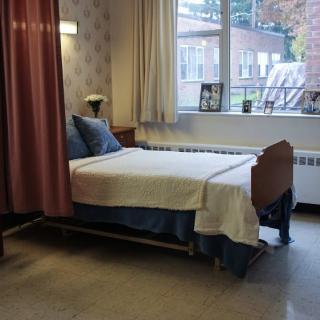
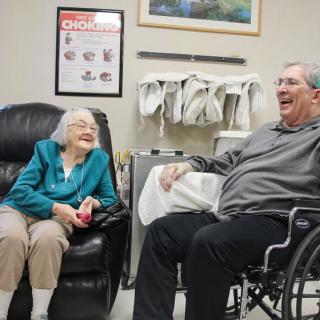
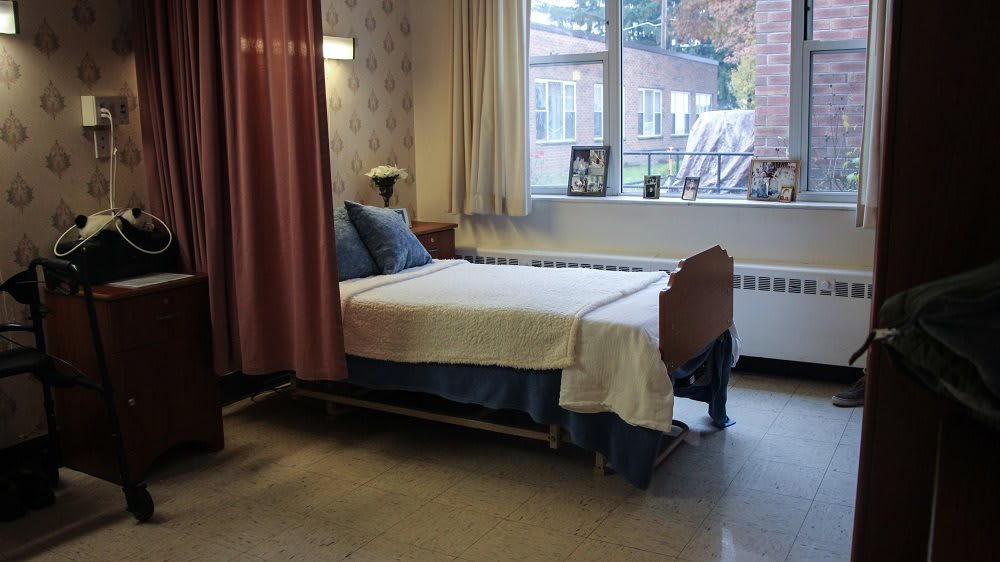
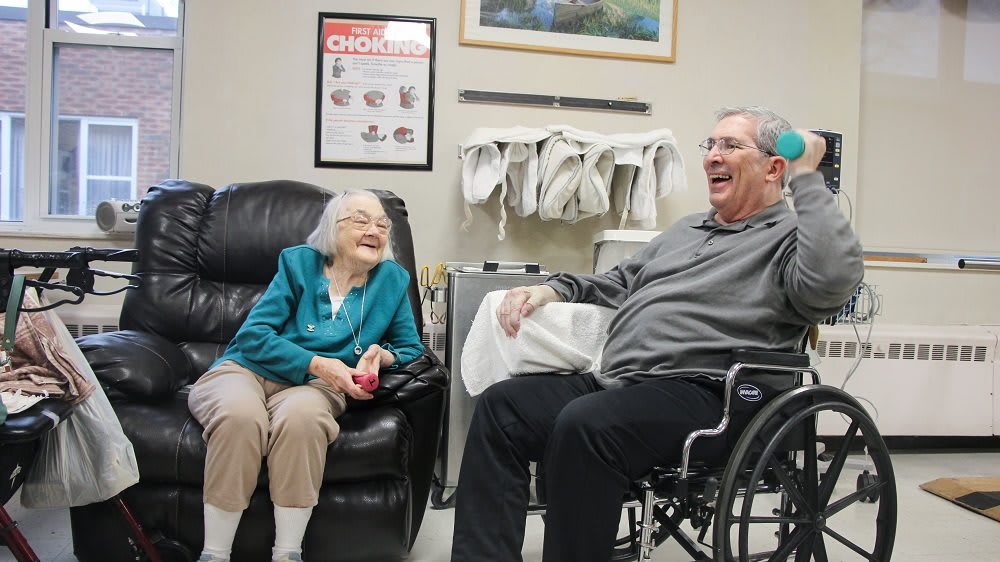
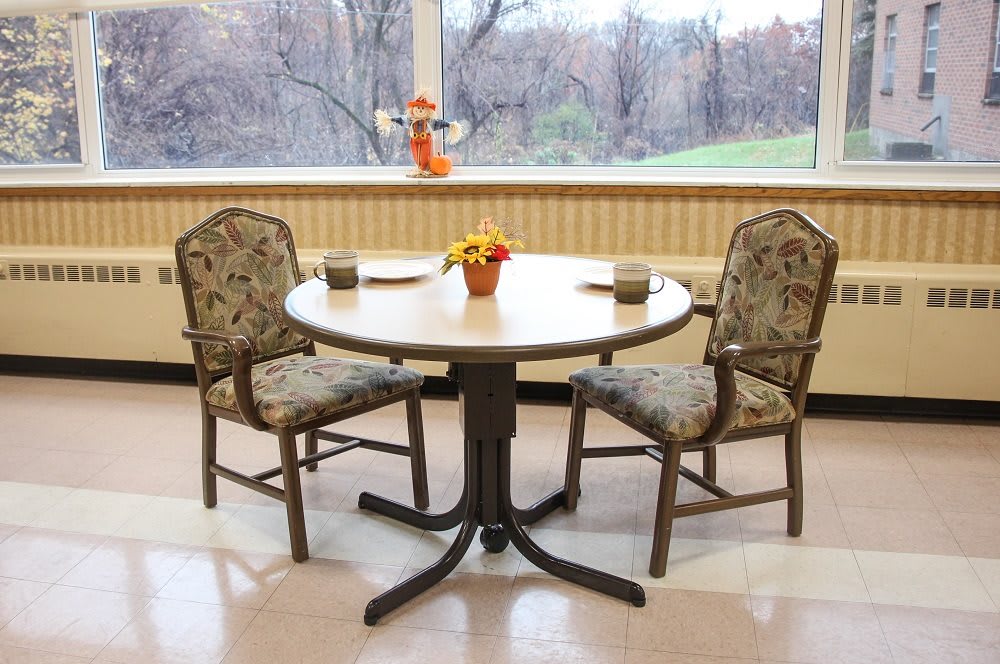
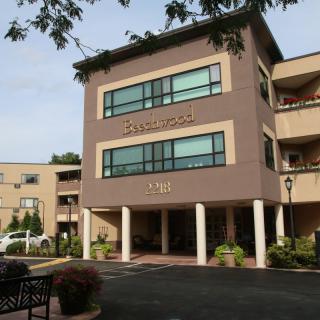
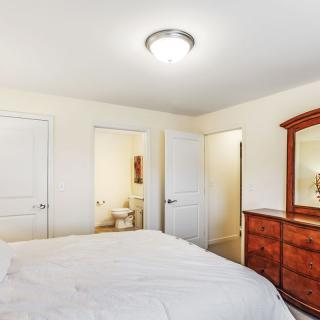
Troy Center For Rehabilitation And Nursing on seniors.fyi includes 5 photos including images showing interior, reception, office, windows, healthcare, wheelchair, dining, decor, and more.
Nearby Communities
Van Rensselaer Manor
Troy, NY
3.6 from 36 reviews
Caring, friendly staff in a clean, welcoming environment with adequate rooms and engaging activities.
Visiting Nurses Companion Care
Menands, NY
5 from 1 review
Excellent access to healthcare and nearby amenities.
Visiting Nurses Home Care
Menands, NY
Strong access to healthcare and nearby amenities in a serene setting.
Canterbury House
Troy, NY
3.8 from 17 reviews
$1,640 / month
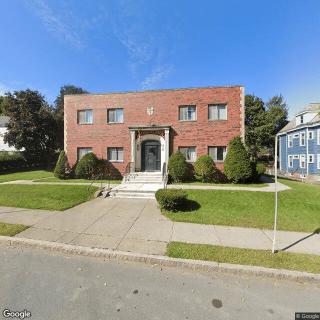
Warm, attentive staff in a small, friendly independent-living community with affordable studio options and on-site activities.
Hudson Shores Plaza
Watervliet, NY
3.7 from 6 reviews
Strong access to nearby amenities (cafes, parks, pharmacies, doctors, hospitals, restaurants, and places of worship).
Monument Square Apartments
Troy, NY
3.8 from 33 reviews
Strong access to healthcare, dining, and social amenities nearby.
Beechwood at Eddy Memorial
Troy, NY
4.7 from 39 reviews
$1,912 to $2,612 / month
Friendly, close-knit community with attentive staff, good meals, and a secure, convenient location in Troy.
The Cornerstone
Troy, NY
4.3 from 3 reviews
$900 to $3,700 / month
Prime location with convenient transit access and nearby amenities.
Summit at Eastwyck
North Greenbush, NY
4.5 from 99 reviews
$1,875 to $2,090 / month
Friendly staff, active social programs, and well-maintained, spacious apartments.
The Sandwich Generation comprises adults managing the dual responsibilities of caring for aging parents and raising children, leading to significant emotional, logistical, and financial challenges. This situation is exacerbated by longer life expectancies and cultural expectations, necessitating effective coping strategies and support resources to alleviate caregiver stress and burnout.
The article highlights eight essential assistive devices that improve the independence and safety of older adults, addressing issues related to mobility, balance, vision, hearing, and dexterity. It emphasizes the importance of proper selection guided by healthcare professionals to enhance seniors' quality of life while allowing them to age in place.
The article offers detailed guidance on the financial complexities of nursing home care, covering costs, payment methods, and alternative funding strategies while emphasizing the importance of proactive planning and legal considerations for individuals and families making care decisions.
Get PricingAsk A QuestionSchedule A TourContact Senior Advisor
By clicking submit, you agree to our Partner's Terms of Use. You
also consent to receive calls and texts, which may be autodialed, from our Partner. Your consent is not a condition to
using our Partner's service. Please visit our Partner's Privacy Policy for information about their privacy practices.



 80 resident community capacity
 Skilled Nursing Facility
 Activities off-site
 Air-conditioning
 Beautician on-site
 Cable or satellite TV
 Computer center
 Dining room
 Fitness room
 Fully furnished
 Gaming room
 Garden
 Housekeeping services
 Indoor common areas
 Kitchenette
 Move-in coordination
 Outdoor common areas
 Private bathrooms
 Restaurant-style dining
 Small library
 Telephone
 Wellness center
 Wi-Fi/high-speed internet available
 Albany Cty (6 miles away)
 Community operated transportation
 12-16 hour nursing
 24-hour call system
 Assistance with bathing
 Assistance with dressing
 Assistance with transfers
 Diabetes diet
 High acuity care
 Medication management
 Mental wellness program
 Special dietary restrictions
 Concierge services
 Planned day trips
 Caring, friendly staff in a clean, welcoming environment with adequate rooms and engaging activities.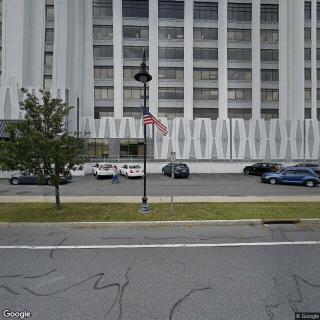

 Understanding the Sandwich Generation: Stress and Responsibilities for Multigenerational Caregivers
 8 Essential Assistive Devices for Older Adults
 Navigating the Financial Road to Nursing Home Care: In-Depth Guidance and Resources