
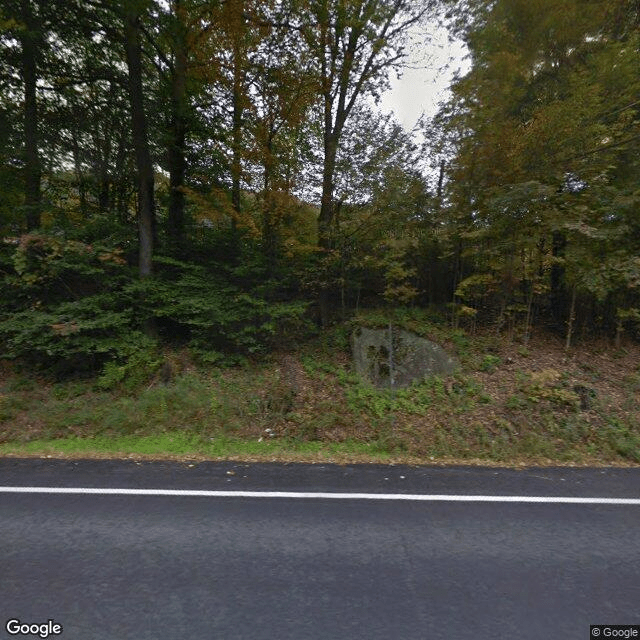
420 Rockland Rd, Roscoe, NY 12776
To contact a resident: (607) 498-4121
For more information about senior living options: (866) 208-4318
Overall Review of Roscoe Community Nursing Home
Pros
 The staff treated her like a princess and prolonged her life.
- The care given to the reviewer’s mother is described as compassionate and dedicated.
- This facility is a blessing.
- Roscoe has saved my mother's life.
- The staff are excellent and treat residents with TLC.
- The nursing staff are kind and compassionate and always pleasant.
- The recreation staff works together and involves residents and their loved ones.
- Meals are prepared and served with proper assistance to all residents.
Cons
 The facility should not be allowed to stay operational in its current shape.
- There is a non-existent cleaning crew; the nurse-to-patient ratio is ridiculous.
- The smell of urine in the hallways is pervasive.
- The quality of physical therapy is very poor.
- Occupational therapy is only available via telehealth.
- The staff did not listen and provided improper care, and did not give proper medication.
- A patient had a blood sugar of 550 and no bowel movement for 14 days.
- They attempted to give the patient fish twice despite a severe allergy.
- The facility repeatedly injures residents and leaves them alone after falls, and communication is awful.
- The staff are overworked and sometimes lazy, skipping showers and delaying basic care.
Review
Roscoe Community Nursing Home is best suited for families that can commit to highly hands-on oversight and are comfortable navigating an uneven care environment. The strongest cases for this community come from those who value genuine warmth from some staff, want a facility that can occasionally deliver TLC, and are ready to step in to enforce a care plan, monitor progress, and advocate aggressively when issues arise. It can work for residents who are relatively stable and able to participate in activities and meals with support, but only if a dedicated family member or representative is prepared to manage gaps in therapy, safety, and daily operations. In short, this is not a hands-off option; it demands vigilance and active involvement.
Those weighing this community against alternatives should note that it is less suitable for residents with complex medical needs or those who require reliable, prompt medical management, consistent rehabilitation therapy, and unwavering safety standards. Families should consider other facilities if medication management has been a chronic concern, if falls and elopement risk cannot be tightly controlled, or if communication with staff and administrators tends to stall. Prospective residents who cannot tolerate inconsistent cleaning, odors, or erratic housekeeping will likely find this setting untenable. For anyone seeking a predictable, tightly run operation with minimal family intervention, alternatives are advisable.
The main positives are real but tempered by the broader quality gaps. Some staff members are described as compassionate, patient, and dedicated, delivering meaningful interaction and genuine kindness to residents who feel cared for. Activities and social programming do exist, and when engagement happens, residents can enjoy companionship and structured routines. Meals with assistance and opportunities for family participation in on-site dining are appreciated amenities. These strengths can elevate a resident’s day and help maintain morale, especially in a facility that otherwise faces staffing strains. However, these strengths do not erase the persistent concerns about safety, consistency, and medical oversight.
Conversely, the most troubling drawbacks center on safety, cleanliness, and care coordination. Persistent odor and unclean hallways, intertwined with questionable nurse-to-patient ratios, heighten the risk of missed signals when residents need help. Several accounts describe delayed responses after falls, incomplete or inaccurate medication administration, and failures to follow specific medical instructions. Communication with families often proves unreliable, and key updates can be slow or insufficient. Instances of belongings going missing, inconsistent shower schedules, and a tendency to move residents toward less-physical therapy during stagnation further erode confidence. These patterns undermine trust and complicate recovery goals.
Practical steps matter if Roscoe remains under consideration. A prospective family should request a transparent tour during a typical shift, speak with frontline caregivers about daily routines, and review a current care plan for the resident. It is essential to verify the availability and schedule of physical and occupational therapy, confirm medication management protocols, and demand clear escalation paths for concerns. Asking for recent fall statistics, infection-control practices, and a sample week of activity programming helps illuminate daily realities. Engaging with multiple staff members and a few current residents or family members can reveal consistency or its absence.
Ultimately, a decision about Roscoe Community Nursing Home hinges on one core willingness: embracing active, ongoing advocacy. For families prepared to stay engaged, demand accountability, and navigate occasional service gaps, the facility can still offer meaningful, even life-enhancing moments for a loved one. Yet for those seeking consistently high clinical standards, reliable rehabilitation support, and predictable daily operations, stronger options exist. The prudent choice is to pursue alternatives unless a sustained, hands-on oversight plan is in place and the facility demonstrates clear, verifiable improvements in safety, cleanliness, and therapeutic continuity.
 Skilled Nursing Facility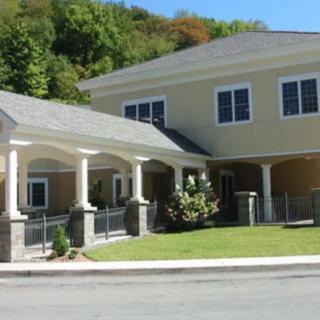

 Top Canine Companions for Older Adults
 Comprehensive Guide to Blood Pressure Charts for Older Adults: Understanding Normal and High Readings by Age
 Financing Long-Term Nursing Home Care Through Social Security: A Thorough Exploration