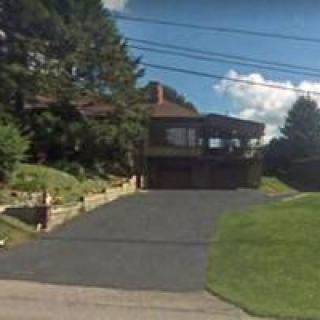
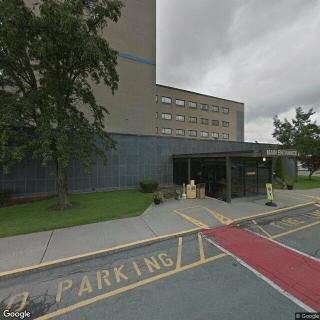
154 Lafayette Street, Palatine Bridge, NY 13428
For more information about senior living options: (866) 208-4318
Overall Review of Palatine Nursing Home
Pros
 The staff are attentive and provide good patient care.
- Christy and Dan are phenomenal.
- The facility is very nice, and the people are very nice.
- It is a great place to work and offers a home-like feeling for residents.
- It is a caring, clean, and professional facility.
- The place looks clean, does not smell, and has a cheerful atmosphere with pleasant and helpful staff.
Cons
 There are staff employed who do not follow directions provided by the hospital discharge papers.
- The head nurse is not aware of these problems until a family member brings them to her attention.
- This place is a nightmare.
- Half of the staff are evil and the other half are incompetent.
- There have been horrendous experiences of neglect and legitimate abuse.
- The facility is dirty and bathing is not done on a regular basis.
- The rooms are a mess, with walls scuffed, holes, and stained floors.
Review
Palatine Nursing Home is best suited for families that can stay actively involved in care decisions, supervise day-to-day routines, and supplement staff efforts with extra activity and visits. The facility can deliver workable care for residents with moderate needs when a family member or dedicated volunteer steps in to reinforce discharge instructions, keep residents engaged, and advocate for proper attention. On good days, attentive staff and genuine warmth show through a few standout caregivers, but those moments are uneven and highly shift-dependent, making reliability a major question mark for anyone counting on consistent service.
Those who should consider alternatives are families prioritizing steady, predictable care, comprehensive dementia management, and rigorous cleanliness. If a loved one requires robust bathing schedules, careful monitoring, timely medication administration, or ongoing, structured activity programming, Palatine may fall short on several counts. Privacy is another cornerstone concern; several accounts describe rooms with limited personal space and frequent in-and-out traffic, which can undermine dignity for residents who need quiet or privacy. For families that demand rigorous safety, consistent staffing, and clear accountability, broader options deserve exploration.
The clearest pros, when present, are staff who communicate well and show genuine care, a facility that can feel welcoming and home-like on favorable shifts, and occasional praise for specific caregivers. In practice, these positives rarely erase the stronger negatives. Reports of neglectful moments, misdirected care, and even abuse allegations surface repeatedly enough to warrant serious caution. Hygiene and upkeep swing from passable to problematic in different reviews, including complaints about infrequent bathing, dirty rooms, and equipment in disrepair. The most meaningful advantage, personal, attentive care from particular staff members, depends on luck with staffing; the average resident cannot reliably count on it day after day, which weakens the overall value proposition.
Privacy, cleanliness, and discharge integrity emerge as the most consequential red flags. Several reviewers describe hospital-like rooms with little privacy, while others allege dirty conditions, cobwebs, and unclean surroundings. There are repeated cautions about discharging residents who are not emotionally or medically ready, sometimes leaving families to manage care at home without adequate preparation. Inconsistent activity programming and limited engagement further compound the risk that residents become disengaged or under-stimulated. When summed, these concerns weigh heavily against any positive impressions from the facility’s pleasant public-facing moments.
A prudent visit plan should center on verification and documentation. Prospective families should observe real-time interactions between staff and residents, request to see current care plans, and ask for the schedule of daily activities to gauge engagement levels. Speaking with front-line aides, the charge nurse, and, if possible, the director of nursing provides candid insight into daily operations. Request the most recent state or federal deficiency reports, and inquire about any recent audits or surveys. Tour private rooms, bathrooms, and common areas with attention to cleanliness, odor, and potential safety hazards. Finally, discuss dementia-specific care approaches and discharge procedures to determine whether expectations align with what the facility can sustain.
If alternatives are on the table, prioritize facilities with higher staff-to-resident ratios, consistent bathing and hygiene routines, engaging and structured activity programs, and clearly defined dementia care protocols. Look for transparent leadership responsiveness, readily accessible grievance processes, and evidence that concerns are addressed promptly. In tighter budgets, broaden the search to reputable facilities known for reliable oversight and patient safety, even if this means a longer commute or marginally higher costs. The aim is to identify a setting where care quality does not hinge on a few dedicated individuals but rests on stable systems and dependable routines.
In the end, Palatine Nursing Home represents a mixed bag: it can be workable for families who can supervise closely and supplement care, but for those needing reliable, consistently high-quality care, it is reasonable to pursue other options. The decision should hinge on two questions: Can care be actively managed and reinforced by family oversight and external supports without compromising safety? Will the facility’s team deliver steady, dignified care across all shifts and conditions? If the answers lean toward uncertainty, a broader search is warranted, with a careful, unannounced tour and a clear plan for monitoring and escalation the moment concerns arise.
 70 resident community capacity
 Skilled Nursing Facility
 Air-conditioning
 Beauty salon
 Cable or satellite TV
 Computer center
 Dining room
 Fitness room
 Fully furnished
 Gaming room
 Garden
 Housekeeping services
 Kitchenette
 Move-in coordination
 Outdoor space
 Private bathrooms
 Restaurant-style dining
 Small library
 Telephone
 Wellness center
 Wi-Fi/high-speed internet available
 Community operated transportation
 12-16 hour nursing
 24-hour call system
 Activities of daily living assistance
 Assistance with bathing
 Assistance with dressing
 Assistance with transfers
 Diabetes diet
 Medication management
 Mental wellness program
 Special dietary restrictions
 Concierge services
 Planned day trips




 Managing Nursing Home Expenses After Medicare Coverage Ends
 Is a Geriatric Care Manager the Right Choice for Your Family?
 Compassionate Conversations: How to Comfort Someone Who Is Grieving