2090 Albany Post Road, Montrose, NY 10548
For more information about senior living options: (866) 208-4318
Overall Review of New York State Veterans Home At Montrose
Pros
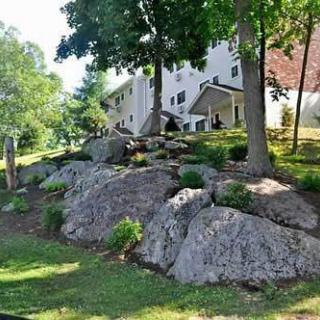
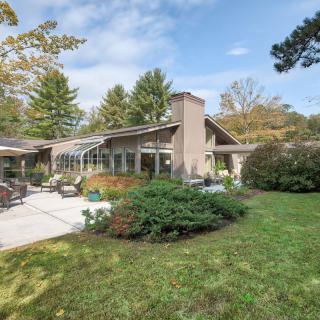
 The facility is aesthetically beautiful and gorgeous, with beautiful grounds.
- The pod-based layout provides privacy and dedicated nurse stations for each group of residents.
- Each room features a bay window, offering pleasant views for residents.
- There is a VA hospital located right across the street, adding convenient access to care.
- Even during COVID restrictions, family members can visit through the window, enabling connection.
Cons
 The administration does not allow Hospice into the veteran’s home for its residents, even though Medicare provides Hospice services at no cost to the nursing home.
- There are currently no HOSPICE services at this Veterans Nursing Home.
- This is no way to take care of our Veterans.
- The reviewer finds the hospice situation unbelievable.
- Visitation during COVID is extremely restricted, allowing only window visits for family members.
Review
New York State Veterans Home at Montrose is best suited for veterans and their families who prize a large, campus-style setting with clearly defined neighborhoods and a single-floor footprint. It works well for those who want a dignified environment, attractive grounds, and bay-window rooms that bring in light, all within a facility organized into six self-contained pods. The proximity to a VA hospital across the street adds practical appeal for accessing ancillary medical services and urgent care without long drives. This is a community built to deliver steady routines and staff familiarity in a way that feels less like a sprawling hospital and more like a purpose-built home for veterans.
Those who should consider alternatives are families anticipating the need for integrated hospice or end-of-life care, or any resident who would benefit from a more intimate, smaller-scale setting with potentially more individualized attention. If hospice enrollment or flexible palliative care is expected, Montrose’s current policy presents a significant hurdle. Similarly, families seeking a tightly personalized, boutique atmosphere or robust memory-care programming may find better alignment elsewhere. For residents with high-care needs that require highly specialized services, other facilities may offer more expansive in-house programs.
The standout pros at Montrose center on the physical and organizational design. The six pods, each with its own nurse’s station, create smaller care teams within a much larger campus, reducing the sense of being lost in a crowd and potentially improving responsiveness. The facility’s one-floor configuration minimizes transfers, easing navigation for residents who value stability in daily routines. Aesthetically, the home delivers with bay-window rooms and well-kept grounds, projecting a sense of calm and dignity. The strategic advantage of being just across the street from a VA hospital cannot be overstated for families who want ready access to medical specialists and familiar veterans’ services.
Yet the principal downside is uncompromising: hospice is not provided within the home, despite Medicare hospice programs existing and being funded when appropriate. This means end-of-life planning hinges on external arrangements, which can complicate care coordination and create gaps for families seeking seamless, in-house comfort care. The size of the campus, though broken into pods, can still feel impersonal to some residents and families, especially if staff turnover or uneven attention becomes noticeable. While the pod structure mitigates some mass-effect, the absence of in-house hospice and the perception of a larger, centralized institution can weigh on decision-making for those with evolving care needs.
When the positives are weighed against the cons, Montrose remains a solid fit for veterans who value structure, accessibility, and an aesthetically pleasing environment, provided hospice is not anticipated as a near-term need. The pod-based staffing model is a meaningful offset to the challenges of a large campus, since it supports more focused, neighborly care within a sprawling setting. The location, architectural dignity, and grounds contribute to a sense of belonging and stability that many veterans value. Prospective residents should, however, come prepared with a concrete plan for end-of-life care if hospice services are expected, and should verify current policies directly with administration to avoid misaligned expectations.
For families considering Montrose, take a proactive, targeted tour: ask how care teams are allocated by pod, request staffing ratio data, and clarify the exact process for initiating any hospice or palliative services if their trajectory changes. Inquire about the possibility of external hospice providers working in coordination with Montrose, and determine how those arrangements would integrate with daily routines and staffing. Speak with patient advocates or veterans-service officers to compare Montrose against other NYS Veterans Homes in terms of care philosophy, end-of-life planning, and resident satisfaction. With clear questions answered and a realistic plan in place, Montrose can be a strong match for veterans who value a dignified, neighborly, park-like campus and can navigate the hospice question with confidence.
 252 resident community capacity
 Skilled Nursing Facility
 Air-conditioning
 Beauty salon
 Cable or satellite TV
 Computer center
 Dining room
 Fitness room
 Fully furnished
 Gaming room
 Garden
 Housekeeping services
 Kitchenette
 Move-in coordination
 Outdoor space
 Private bathrooms
 Restaurant-style dining
 Small library
 Telephone
 Wellness center
 Wi-Fi/high-speed internet available
 Westchester Cty (17 miles away)
 Community operated transportation
 12-16 hour nursing
 24-hour call system
 Activities of daily living assistance
 Assistance with bathing
 Assistance with dressing
 Assistance with transfers
 Diabetes diet
 Medication management
 Mental wellness program
 Special dietary restrictions
 Concierge services
 Planned day trips






 Home Health Care Aides: Understanding Their Role and Supporting Your Family
 Urinary Tract Infections in Older Adults: Comprehensive Insights on Symptoms, Treatment, and Prevention
 California's Form 602A: An In-Depth Examination of Senior Care Assessment