Nathan Littauer Hospital Nursing Home in Gloversville, NY

Save

  • Interior

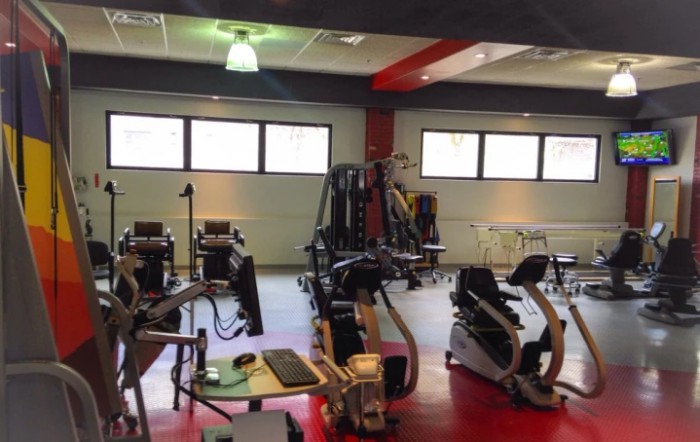
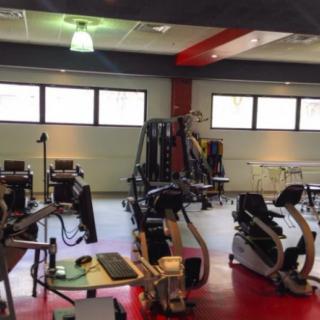
    A gym equipped with various fitness machines and exercise equipment.
  • Building

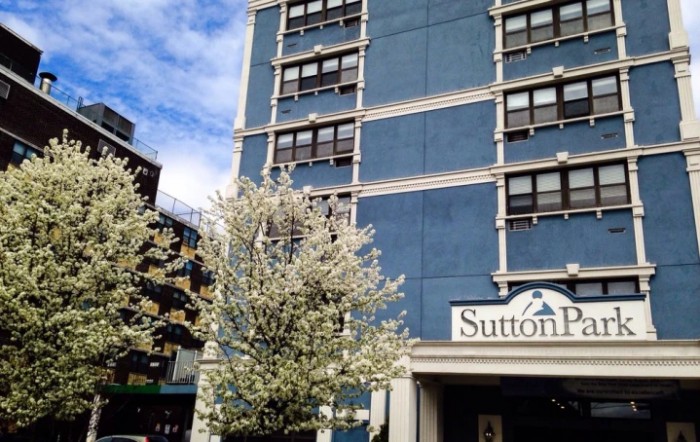
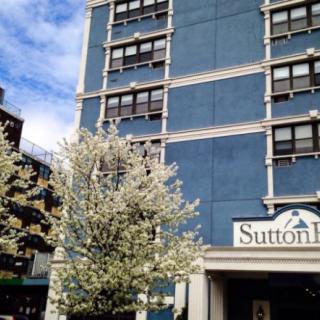
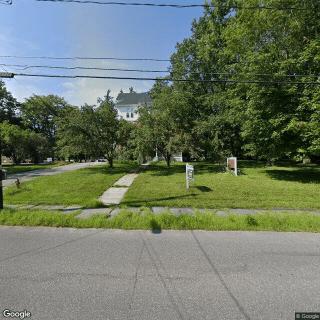
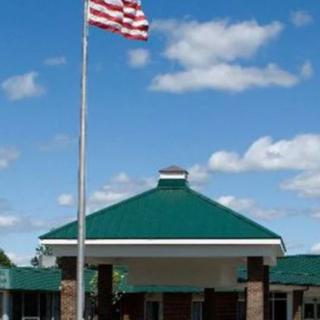
    A blue building with trees in front under a clear sky.
  • Architecture

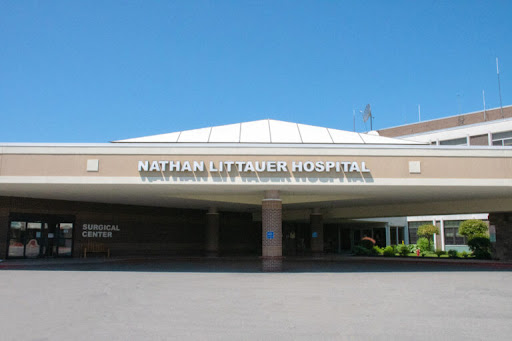
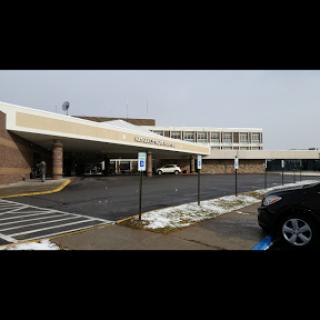
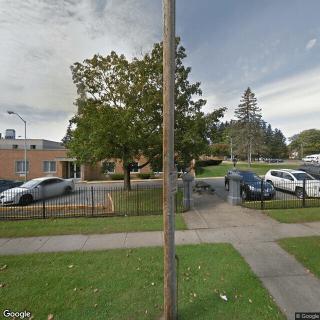
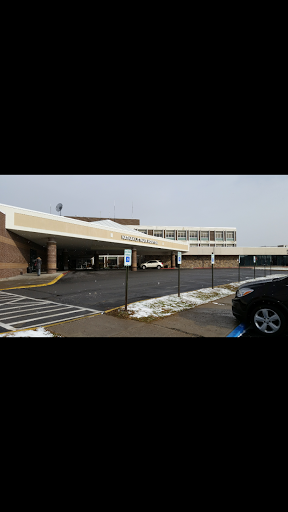
    A view of a commercial building with a parking lot, showing some remnants of snow.
  • Landscaping

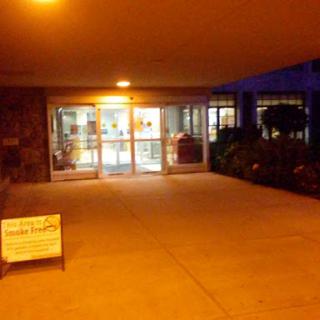
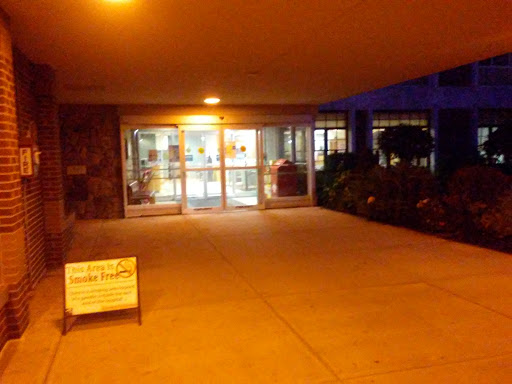
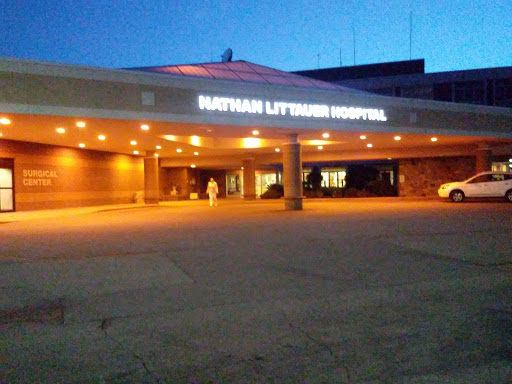
    The illuminated entrance to a building at night, showcasing the welcoming atmosphere.
  • Entrance

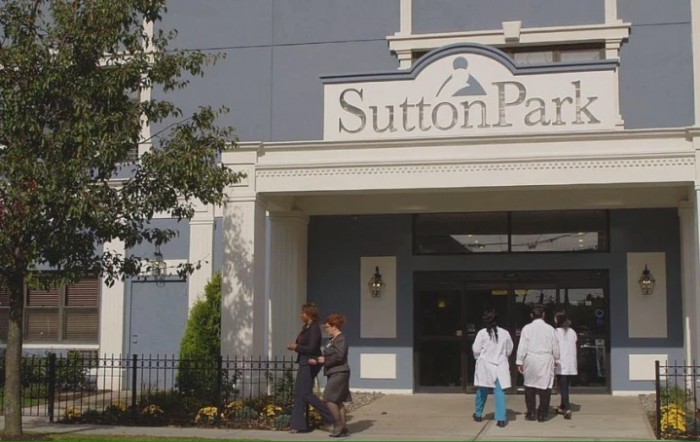
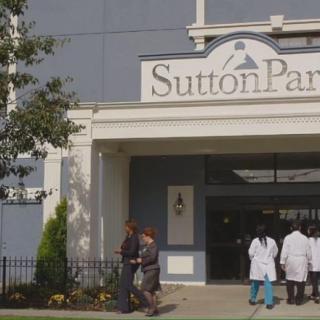
    Entrance of Sutton Park building with people in uniforms walking outside.
  • Healthcare

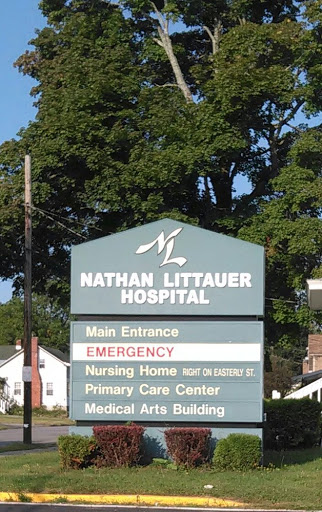
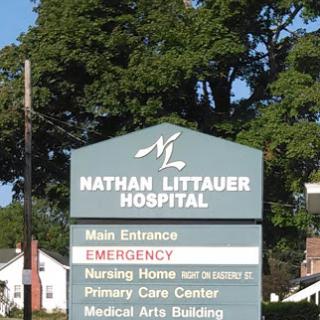
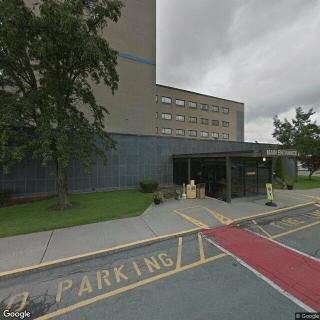
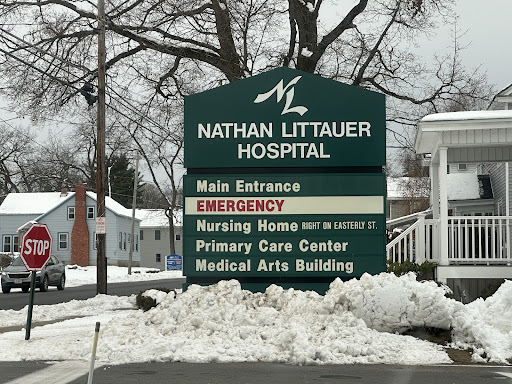
    Sign outside Nathan Littauer Hospital indicating various services including emergency care.
  • Facility

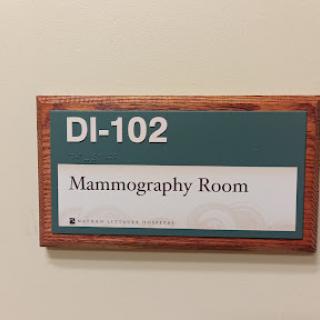
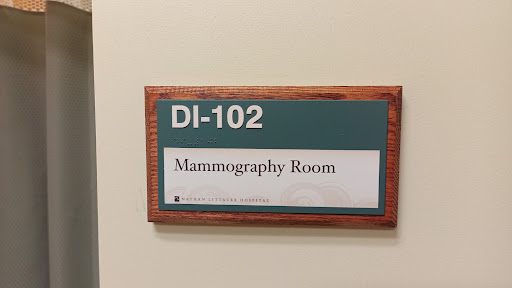
    Sign for the Mammography Room located in a medical facility.

Nathan Littauer Hospital Nursing Home in Gloversville, NY

Information last verified:

99 East State Street, Gloversville, NY 12078

For more information about senior living options: (844) 490-3973

2.9 from 110 reviews
5 stars
39
4 stars
10
3 stars
7
2 stars
5
1 stars
49

Overall Review of Nathan Littauer Hospital Nursing Home

Pros

  • pro The nurses at Nathan Littauer Hospital were exceptional and provided excellent care.
  • pro The staff were ready, helpful, professional, and thorough in their work.
  • pro The Birthing Center is described as the best, with Wendy and Robbien making the birthing experience amazing and patients feeling heard.
  • pro The emergency department is described as phenomenal, delivering quick, courteous care and genuine concern for patients.
  • pro ER nurse Christopher is praised for being fantastic, professional, and caring.
  • pro The surgery center staff and associated doctors are wonderful, extremely attentive, and professional.
  • pro The staff are consistently amazing and caring.
  • pro The hospital is described as a model hospital that goes the extra mile and provides great service.
  • pro The medical team is described as outstanding, treating patients with skill, heart, and humanity.

Cons

  • pro Erica McGregor is rude, extremely unprofessional, and borderline verbally abusive.
  • pro The staff deny patients care and medications, claiming their hands are tied.
  • pro Nathan Littauer Hospital is described as worthless and poorly managed.
  • pro The billing department runs a clownshow with double billing and unexplained charges.
  • pro The ER is among the worst, with long wait times and doctors who are sometimes incompetent.
  • pro The staff are often unprofessional, abrupt, and lacking compassion.
  • pro The lab and blood-draw process are painfully slow and inefficient.
  • pro The hospital is frequently understaffed and fails to follow up or call patients back.
  • pro Some reviewers allege racial bias and disrespect in staff behavior.
  • pro Patients report being left in pain or neglected, with poor communication and delays in care.

Review

This community is best suited for families seeking immediate, capable acute care in Gloversville with the understanding that experiences vary markedly across departments. When the emergency department is functioning well, Nathan Littauer Hospital delivers fast triage, decisive testing, and attentive acute care from clinicians who communicate clearly and move patients through the system efficiently. The hospital also has pockets of excellence in surgical care, infusion services, and maternity-related support, where patients and families report competent teams, thorough explanations, and a sense of reassurance during stressful moments. For families who value having a local option for serious conditions, trauma scenarios, or planned procedures, this campus can be a reliable anchor, so long as expectations are tempered by the hospital’s inconsistent performance elsewhere.

Those who should seriously consider alternatives include families that prioritize consistent, compassionate bedside care and predictable administrative processes. Cumulative reviews repeatedly flag gaps in everyday responsiveness, routine communication, and follow-through on care plans. Long waits in the ER, reports of staff rudeness or disorganization, and concerns about how patients are treated during admission or discharge create real risk for miscommunication and dissatisfaction. Billing and insurance handling also surface as a recurring pain point, with stories of double billing, disputed charges, and opaque credit or collection actions that can complicate an already stressful experience. For long-term or ongoing care needs, or for families wary of variability in nursing attention, exploring other local options is prudent.

Key pros that matter in urgent situations often do balance some of the major downsides. The ER is praised for prompt arrival-to-room times in certain visits, with clinicians who are described as calm, competent, and communicative under pressure. Specific caregivers, nurses, therapists, and some physicians, are repeatedly highlighted for their professionalism, warmth, and practical guidance, making painful or scary moments more tolerable. The hospital’s surgical center receives strong endorsements for attentiveness, cleanliness, and efficient procedures, while infusion units and maternity staff earn compliments for compassionate care and dedicated support. These strengths demonstrate that NLH can deliver high-quality, human-centered care when the system is operating smoothly and staffed with experienced personnel.

Yet the main cons underline a systemic fragility that cannot be ignored. A significant portion of reviews depicts long delays, inconsistent bedside attention, and experiences that feel impersonal or abrupt. Complaints about rude or insensitive staff, delayed responses to call buttons, and gaps in routine care (such as timely meals or blankets for patients) recur often enough to warrant caution. There are alarming anecdotes of misdiagnosis or dismissive treatment, and in some cases disputes over medication access or discharge planning that erode trust. Administrative weak spots, especially in registration, preauthorization, and billing, compound the frustration, with customers describing confusing processes, surprise charges, and slow or conflicting follow-up. Reports of perceived discrimination or unfair treatment cannot be dismissed when present in a community hospital’s narrative.

When weighing pros against cons, the hospital’s strongest value proposition remains its ability to mobilize capable clinicians quickly in emergencies and to perform well in select departments. The upside is tangible: skilled surgeons, attentive nurses in certain units, and specific teams that treat patients with courtesy and competence. The downside is systemic inconsistency, which means the same patient might experience exemplary care on one shift and frustrating, neglectful care on another. For families, this translates into a risk calculus: NLH is worth considering if the immediate need centers on urgent care, a planned surgical event, or specialized infusion therapy, provided there is a plan to mitigate potential lapses in daily care, communication, and billing.

Practical guidance for deciding starts with clear priorities. If the priority is rapid, effective emergency response and access to a solid surgical center, NLH can be a sound choice, but it should be paired with a proactive approach: request a dedicated care manager when possible, insist on explicit care plans and discharge instructions, and verify billing details before services are rendered. Prospective families should visit during peak and off-peak hours to observe how staff handle patient load, ask direct questions about wait times, and note how call buttons and room amenities function in real time. It is wise to obtain a written summary of any care plan from the attending team and to confirm who will oversee follow-ups after discharge.

In the final assessment, Nathan Littauer Hospital Nursing Home serves as a practical option for those who prioritize access to robust emergency medicine and competent surgical services in a familiar local setting, accepting that experiences can be highly variable. For families requiring consistent bedside care, predictable interpersonal interactions, and transparent, reliable billing, it is prudent to explore alternatives or to use NLH with a clear, written plan that incorporates oversight and contingency steps. The community should enter with questions ready: who will coordinate care across departments, what are the exact timelines for typical ER workflows, how will billing be audited, and what protections exist if a patient encounters staffing lapses? With disciplined expectations and a proactive stance, NLH can be navigated effectively, but the decision should rest on a well-defined balance between urgent-care strengths and the less reliable day-to-day experience that accompanies ongoing hospital life.

Features

Housing

  • 84 resident community capacity 84 resident community capacity

Types of Care

  • Skilled Nursing Facility Skilled Nursing FacilitySkilled Nursing Facilities are crucial for seniors as they provide round-the-clock medical care, rehabilitation services, and assistance with daily activities. These facilities ensure that seniors receive the specialized care they need to maintain their health and well-being as they age.

Amenities

  • Air-conditioning Air-conditioningAir conditioning is important for seniors as they are more vulnerable to heat-related illnesses and may have underlying health conditions that make it difficult for them to regulate their body temperature. It helps to keep them comfortable, safe, and healthy in hot weather.
  • Beauty salon Beauty salonBeauty salons are important for seniors because they provide a space for them to feel pampered, socialize, and maintain their personal grooming and hygiene. Regular visits to a beauty salon can help boost seniors' self-esteem and overall well-being.
  • Cable or satellite TV Cable or satellite TVCable or satellite TV is important for seniors because it provides entertainment, news, and companionship, helping to combat loneliness and boredom. It also offers a wide range of programming options tailored to different interests and preferences.
  • Computer center Computer centerA computer center is essential for seniors as it provides access to technology, communication tools, and resources that can enhance their daily lives. It allows them to stay connected with loved ones, engage in online activities, and learn new skills, ultimately promoting socialization and mental stimulation.
  • Dining room Dining roomDining rooms are important for seniors as they provide a space for socialization, connection, and nutritious meals. They offer opportunities for residents to bond over shared meals, foster a sense of community, and promote healthy eating habits. Dining rooms also ensure that seniors have access to well-balanced meals tailored to their dietary needs and preferences.
  • Fitness room Fitness roomHaving a fitness room in a senior living community is essential for seniors to stay active, maintain their physical health, and improve their overall well-being. Regular exercise can help prevent falls, reduce the risk of chronic diseases, and promote mental sharpness. It also provides social opportunities for residents to connect with others and enjoy a sense of community.
  • Fully furnished Fully furnishedFully furnished senior living communities are important for seniors because they provide convenience, comfort, and a hassle-free moving experience. Seniors can easily settle into their new living space without the stress of having to buy and move furniture. This allows them to focus on enjoying their new home and community.
  • Gaming room Gaming roomGaming rooms are important for seniors as they provide a fun and engaging environment for socializing, cognitive stimulation, and physical activity. Games can improve memory, problem-solving skills, and overall mental well-being while fostering friendships and reducing feelings of isolation.
  • Garden GardenGardens are important for seniors as they provide a peaceful and therapeutic environment for relaxation, physical activity, and socialization. Being in nature has been shown to reduce stress, improve mood, and promote overall well-being. Gardens also offer opportunities for seniors to engage in gardening activities, which can improve mobility, flexibility, and cognitive function. Additionally, gardens create a sense of community and connection with others who share a passion for plants and outdoor spaces.
  • Housekeeping services Housekeeping servicesHousekeeping services are important for seniors because they help maintain a clean and safe living environment, promote independence, and reduce the risk of accidents or illnesses. Additionally, having assistance with household chores can alleviate physical strain and allow seniors to focus on other aspects of their well-being.
  • Kitchenette KitchenetteKitchenettes are important for seniors living in senior living communities because they provide the convenience and independence of being able to prepare simple meals and snacks in the comfort of their own living space. This can help promote a sense of autonomy and well-being for seniors, allowing them to maintain some level of control over their dietary choices and daily routines.
  • Move-in coordination Move-in coordinationMove-in coordination is important for seniors because it helps ease the transition into their new living environment. It ensures that all logistics, such as packing, organizing movers, and setting up utilities are taken care of, allowing seniors to focus on settling in and adjusting to their new home. Having a smooth move-in process can alleviate stress and anxiety, making the transition smoother and more enjoyable for seniors.
  • Outdoor space Outdoor spaceOutdoor spaces are important for seniors as they provide opportunities for physical activity, social interaction, exposure to natural light and fresh air, and a sense of connection to nature. Having access to outdoor spaces can improve overall well-being and quality of life for older adults living in senior communities.
  • Private bathrooms Private bathroomsPrivate bathrooms are important for seniors in senior living communities because they provide independence, dignity, and comfort. Having a private bathroom allows seniors to maintain their personal hygiene routines without the need for assistance, promoting a sense of autonomy and privacy. Additionally, private bathrooms help prevent the spread of infections and provide a safe and clean environment for seniors to navigate safely.
  • Restaurant-style dining Restaurant-style diningRestaurant-style dining is important for seniors because it allows them to enjoy delicious, nutritious meals in a social and upscale setting. This enhances their dining experience, promotes healthy eating habits, and fosters socialization with fellow residents, ultimately contributing to their overall well-being and quality of life.
  • Small library Small librarySmall libraries are important for seniors as they provide access to a variety of reading materials, including books, newspapers, and magazines. This can help stimulate their minds, keep them engaged, and provide a sense of community through book clubs and other social activities. Additionally, reading has been shown to improve cognitive function and overall mental well-being in older adults.
  • Telephone TelephoneTelephones are important for seniors as they provide a lifeline for communication with loved ones, emergency services, and healthcare providers. They offer a sense of security and independence, enabling seniors to stay connected and access assistance when needed.
  • Wellness center Wellness centerWellness centers are important for seniors because they offer a variety of programs and services that promote physical, mental, and emotional well-being. These centers provide opportunities for exercise, socialization, education, and relaxation, helping seniors maintain their overall health and quality of life.
  • Wi-Fi/high-speed internet available Wi-Fi/high-speed internet availableWi-Fi/high-speed internet is important for seniors to stay connected with loved ones, access online resources, and participate in virtual activities to combat feelings of loneliness and isolation. It also allows them to easily manage healthcare needs, access entertainment, and engage in lifelong learning opportunities.

Transportation

  • Community operated transportation Community operated transportationCommunity operated transportation is crucial for seniors as it provides them with the means to access essential services, social activities, and medical appointments. It allows seniors to maintain their independence and quality of life by ensuring they can participate in activities outside of their homes. Additionally, community-operated transportation services offer a safe and reliable way for seniors to travel without having to rely on family or friends for assistance.
  • Transportation arrangement Transportation arrangementTransportation arrangements are crucial for seniors as they may face challenges with driving, mobility, or access to public transportation. Having reliable transportation services ensures that seniors can easily attend appointments, social activities, and maintain their independence and quality of life.
  • Transportation arrangement (non-medical) Transportation arrangement (non-medical)Transportation arrangements are essential for seniors as they provide access to essential services, activities, and social interactions outside the home. This service helps maintain independence, mobility, and overall well-being for seniors who may have limited transportation options.
  • Transportation to doctors appointments Transportation to doctors appointmentsTransportation to doctors appointments is crucial for seniors as it ensures they have access to necessary medical care and support, promoting their health and well-being. It allows them to receive timely treatment, monitor existing conditions, and address any new health concerns efficiently. Additionally, transportation services can help seniors maintain their independence and quality of life by enabling them to stay connected with their healthcare providers.

Care Services

  • 12-16 hour nursing 12-16 hour nursing12-16 hour nursing care is crucial for seniors in order to ensure around-the-clock monitoring, timely medication administration, and prompt response to any health concerns or emergencies. This level of care helps to promote the overall well-being and safety of seniors living in senior living communities.
  • 24-hour call system 24-hour call system24-hour call systems are important for seniors because they provide peace of mind and immediate assistance in case of emergencies. This technology ensures that help is always available, promoting safety and security for elderly individuals living alone or in assisted living facilities.
  • 24-hour supervision 24-hour supervision24-hour supervision is important for seniors to ensure their safety, well-being, and access to immediate assistance in case of emergencies or health issues. This constant support provides peace of mind for both seniors and their loved ones, allowing them to age in place with dignity and security.
  • Activities of daily living assistance Activities of daily living assistanceActivities of daily living assistance are important for seniors because they provide essential support with tasks such as eating, bathing, dressing, and mobility. This assistance helps seniors maintain their independence, dignity, and overall quality of life as they age.
  • Assistance with bathing Assistance with bathingAssistance with bathing is crucial for seniors as it helps maintain personal hygiene, prevents infections, and ensures their overall well-being and comfort. It also provides a sense of dignity and independence for seniors who may struggle with this task on their own.
  • Assistance with dressing Assistance with dressingAssistance with dressing is important for seniors because it helps maintain their independence, promotes personal hygiene, prevents accidents and injuries, and improves overall quality of life. This service ensures that seniors can continue to dress comfortably and confidently, despite any physical limitations they may have.
  • Assistance with transfers Assistance with transfersAssistance with transfers is crucial for seniors as it helps prevent falls and injuries, maintains their independence, and ensures they can safely navigate their living environment. It also provides peace of mind for both seniors and their loved ones.
  • Diabetes diet Diabetes dietA diabetes diet is crucial for seniors as it helps manage blood sugar levels, reduce risks of complications, and improve overall health and well-being. By following a balanced and nutritious diet tailored to their specific needs, seniors can better control their diabetes and enhance their quality of life.
  • Meal preparation and service Meal preparation and serviceMeal preparation and service are crucial for seniors as they may have limited mobility or energy to cook nutritious meals. Having access to healthy and convenient food options can ensure they are getting the proper nutrition needed to maintain their overall health and well-being.
  • Medication management Medication managementMedication management is crucial for seniors to ensure they are taking the right medications at the correct dosages and times. This helps prevent adverse drug interactions, reduces the risk of medication errors, and promotes overall health and well-being. Proactive management also allows for adjustments as needed based on changing health conditions or new prescriptions.
  • Mental wellness program Mental wellness programMental wellness programs are essential for seniors as they promote cognitive stimulation, emotional support, and social engagement. These programs help prevent isolation, depression, and cognitive decline, ultimately enhancing the overall quality of life for older adults.
  • Special dietary restrictions Special dietary restrictionsSpecial dietary restrictions are important for seniors because age-related changes in metabolism and health conditions can make it difficult for their bodies to process certain foods. By following a diet tailored to their specific needs, seniors can maintain their overall health and well-being, manage chronic conditions, and reduce the risk of complications such as malnutrition or food interactions with medications.

Dining

  • Diabetes diet Diabetes dietA diabetes diet is crucial for seniors as it helps manage blood sugar levels, reduce risks of complications, and improve overall health and well-being. By following a balanced and nutritious diet tailored to their specific needs, seniors can better control their diabetes and enhance their quality of life.
  • Special dietary restrictions Special dietary restrictionsSpecial dietary restrictions are important for seniors because age-related changes in metabolism and health conditions can make it difficult for their bodies to process certain foods. By following a diet tailored to their specific needs, seniors can maintain their overall health and well-being, manage chronic conditions, and reduce the risk of complications such as malnutrition or food interactions with medications.

Activities

  • Community-sponsored activities Community-sponsored activitiesCommunity-sponsored activities are important for seniors as they provide opportunities for social interaction, mental stimulation, and physical activity. These activities can help improve overall well-being, combat loneliness and isolation, and promote a sense of belonging and purpose among older adults.
  • Concierge services Concierge servicesConcierge services are essential for seniors as they provide assistance with daily tasks and errands, enhance their quality of life by offering convenience and personalized care, and promote a sense of safety and security.
  • Fitness programs Fitness programsFitness programs are crucial for seniors as they help improve strength, flexibility, balance, and overall well-being. Staying active can reduce the risk of chronic diseases, improve mental health, and enhance quality of life in older adults.
  • Planned day trips Planned day tripsPlanned day trips are important for seniors because they offer opportunities for socialization, mental stimulation, and physical activity. They provide a change of scenery and help seniors stay engaged and connected to their community, promoting overall well-being and quality of life.
  • Resident-run activities Resident-run activitiesResident-run activities are important for seniors as they encourage social interaction, creativity, and a sense of autonomy. These activities empower seniors to stay engaged and active in their community while fostering meaningful connections with their peers.
  • Scheduled daily activities Scheduled daily activitiesScheduled daily activities are important for seniors because they provide structure, socialization, mental stimulation, and physical activity. Engaging in regular activities can improve overall well-being and quality of life for seniors living in a community setting.

Description

The Nathan Littauer Hospital Nursing Home in Gloversville, NY is a well-appointed assisted living community that provides a comfortable and convenient lifestyle for its residents. This community offers a range of amenities to enhance the quality of life for its residents, including a beauty salon where they can pamper themselves, access to cable or satellite TV for entertainment, community-operated transportation for ease of mobility, and a computer center for staying connected.

The dining experience at this community is restaurant-style, with delicious meals prepared and served to meet special dietary restrictions such as diabetes diets. Additionally, housekeeping services ensure that residents can enjoy a clean and tidy living environment. To promote physical fitness and overall wellness, there is a fitness room available as well as outdoor space and a wellness center.

Residents also have plenty of opportunities for leisure activities with amenities like a gaming room, small library, and scheduled daily activities organized by the community. Concierge services are provided to cater to individual preferences and needs. Planned day trips and resident-run activities further encourage engagement within the community.

The location of this assisted living community offers easy access to nearby amenities such as two cafes, two parks, eight pharmacies, 14 physicians' offices, 22 restaurants, two transportation options, six places of worship, and three nearby hospitals. This ensures that residents have convenient access to healthcare providers, recreational spaces, shopping areas, dining options, religious services, and transportation facilities.

With 24-hour call systems and supervision available along with assistance in activities of daily living such as bathing and dressing, residents can feel secure knowing that their needs are met by attentive staff members. Medication management services are also provided to ensure proper administration.

Overall, the Nathan Littauer Hospital Nursing Home is an assisted living community that offers both comfort and convenience through its extensive list of amenities and care services. Residents can enjoy an active lifestyle while receiving the support they need in a warm and inviting environment.

Nearby Places of Interest

Physicians

  • Nathan Littauer Hospital & Nursing Home (0 miles)
  • Cardiology Associates Of Schenectady (0 miles)
  • Sleep Disorders Laboratory (0.1 miles)
  • Dr Nguyen's Office (0.2 miles)
  • Mountain Medical (0.2 miles)
  • Gloversville Primary Care Center Of Nathan Littauer Hospital (0.9 miles)
  • Adirondack Eye Care (0.9 miles)

Hospitals

  • Nathan Littauer Sleep Dsrdrs (0.1 miles)
  • Nathan Littauer Hospital-Er (0.1 miles)
  • St Mary's Hospital (0.2 miles)
  • St Marys Hospital Physical Therapy (9.8 miles)
  • St Mary's Healthcare Amsterdam (10.5 miles)
  • St. Mary's Memorial Pediatric Health Center (10.5 miles)
  • Amsterdam Memorial Healthcare (10.6 miles)

Places of Worship

  • Kingsboro Assembly of God (0.4 miles)
  • Emmanuel Baptist Church (1 miles)
  • First Congregational UCC (1.5 miles)
  • Church of the Holy Spirit (1.9 miles)
  • Church of the Nazarene (4.7 miles)
  • Faith Tabernacle Full Gospel Assembly (4.9 miles)
  • Believers' Family Church (5.1 miles)

Restaurants

  • McDonald's (0.8 miles)
  • Joy Wok (1 miles)
  • Asian Delight (1 miles)
  • Stump City Brewing (1.3 miles)
  • New Peeking (1.5 miles)
  • New York Lunch (1.5 miles)
  • Domino's Pizza (1.7 miles)

Pharmacies

  • Walgreens (0.9 miles)
  • Rite Aid (1.1 miles)
  • CVS Pharmacy (1.3 miles)
  • Gloversville Pharmacy (1.4 miles)
  • Tom's Family Pharmacy (1.6 miles)
  • Walmart Pharmacy (2.7 miles)
  • Health Mart Pharmacy (4.8 miles)

Parks

  • Melchoir Park (0.9 miles)
  • Meyer's Park (2.1 miles)
  • Fonda Recreation Park (8.3 miles)

Transportation

  • Glove City Taxi (1.7 miles)
  • Airjet Technologies (1.7 miles)
  • Amtrak (9.7 miles)

Cafes

  • Nanny & Pops Small Town Cafe (4.1 miles)
  • Vintage Cafe (4.8 miles)
  • Panera Bread (10.2 miles)
  • Europa Cafe (11.4 miles)

Frequently Asked Questions

Where is Nathan Littauer Hospital Nursing Home?
What photos are available for Nathan Littauer Hospital Nursing Home in Gloversville, New York?

Nearby Communities

  • Getman Memorial Home

    Getman Memorial Home

    Gloversville, NY

    5 from 1 review
     

    pro Nearby amenities support convenient living (cafes, parks, pharmacies, doctors, restaurants, transport, worship, hospitals).

  • David & Helen Getman Memorial Home

    David & Helen Getman Memorial Home

    Gloversville, NY

    5 from 1 review
     

    pro Small, home-like board-and-care with personalized care and engaging activities.

  • Fulton Center For Rehabilitation And Healthcare

    Fulton Center For Rehabilitation And Healthcare

    Gloversville, NY

    2.8 from 112 reviews
     

    pro Some staff are caring; renovations are underway and safety measures are in place.

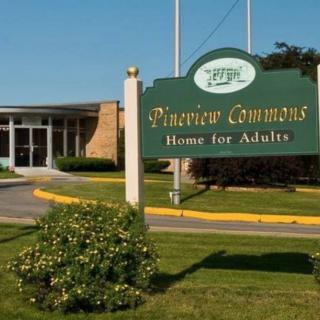
  • Pineview Commons H.F.A.

    Pineview Commons H.F.A.

    Johnstown, NY

    4.8 from 9 reviews
     

    pro Well-equipped community with attentive, accommodating staff.

  • Pineview Commons Home-Adults

    Pineview Commons Home-Adults

    Johnstown, NY

    4.1 from 11 reviews
    $3,200 to $6,000 / month

    pro Caring staff, friendly residents, and a convenient, clean, welcoming environment.

  • Wells Nursing Home

    Wells Nursing Home

    Johnstown, NY

    3.2 from 13 reviews
     

    pro Extensive amenities and 24/7 care support

  • Wilkinson Residential Health Care Facility

    Wilkinson Residential Health Care Facility

    Amsterdam, NY

    2.6 from 22 reviews
     

    pro Caring, professional staff in a clean, home-like setting.

  • River Ridge Living Center

    River Ridge Living Center

    Amsterdam, NY

    3.7 from 68 reviews
     

    pro Caring staff and a clean, well-maintained facility.

  • Farmington Gardens

    Farmington Gardens

    Farmington, NY

    2.8 from 5 reviews
     

    pro Safe, clean, intimate 55+ community with engaging activities.

Skilled Nursing Facility in Nearby Cities

Related Resources

  • non medical home careExploring Nonmedical Home Care: Understanding Services, Costs, and Financial Approaches

    Nonmedical home care provides assistance with daily activities and companionship for individuals wishing to maintain independence and quality of life at home, without medical intervention. Its growing popularity is driven by an aging population, the need for supportive environments for recovery, and the emotional benefits of caregiver companionship, while costs vary based on service frequency and location.

  • brain games for seniorsEngaging Brain Games and Innovative Apps to Keep Senior Minds Active
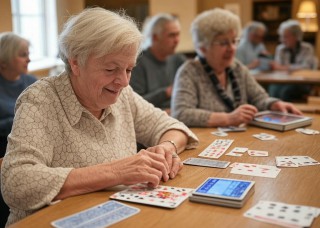
    Maintaining cognitive fitness through engaging in various brain games, both traditional and digital, is crucial for seniors as it enhances memory retention, problem-solving abilities, and emotional well-being while helping to protect against age-related decline. A holistic approach that includes diverse activities, physical exercise, a balanced diet, and social interaction further supports mental health and cognitive function.

  • brain games for seniorsEffective Strategies for Keeping Seniors' Minds Active: A Deep Dive into Brain Games and Apps
    The article outlines strategies for keeping seniors' minds active through brain games and apps, highlighting the importance of cognitive exercises, social engagement, and a healthy lifestyle in combating cognitive decline. It emphasizes the benefits of various types of games and offers practical tips for maintaining mental wellness through enjoyable activities while acknowledging their limitations.