For more information about senior living options: (866) 208-4318
4.1 from 124 reviews
5 stars
88
4 stars
7
3 stars
2
2 stars
5
1 stars
22
Overall Review of Glen Cove Center For Nursing And Rehabilitation
differentiator6 reviews mention this
Cardiopulmonary rehab gets praise
Cardiopulmonary rehab is frequently credited with improving breathing and mobility.
Several reviews describe a cardiopulmonary program as central to recovery, especially for people arriving with oxygen or breathing limitations. Residents and families mention staff monitoring progress and working through therapy and medical support together. A few reviews connect that program directly to getting off oxygen and regaining walking with assistive devices.
common12 reviews mention this
Therapy support is a consistent strength
Physical and occupational therapy is a major reason families recommend the rehab.
Across multiple reviews, residents and families single out therapy teams for being attentive, skilled, and encouraging. Many comments focus on PT/OT working on strength, mobility, and daily function during the stay. Even when other parts of the experience were criticized, reviewers who mention therapy often describe it positively.
caveat8 reviews mention this
Food quality is mixed
Dining is a frequent point of frustration, with some reviewers also calling it excellent.
Dining comes up repeatedly with opposing experiences. Some reviewers describe meals as poor—cold, high in carbs despite diabetes, or not matching what was requested. Others say the food exceeded expectations or was excellent, including comparisons to not being hospital-like. Several comments that mention special diets or requests appear to drive the negative feedback most strongly.
common24 reviews mention this
Staff compassion is often praised
Many reviewers describe staff as caring, attentive, and professional.
Warmth and professionalism are recurring themes, with reviewers thanking nursing, aides, therapists, social workers, and guest relations for responsiveness and respectful care. Some reviews describe encouragement during recovery and staff taking time to answer questions or support families. A minority of reviews go the other direction, criticizing rude behavior or limited responsiveness, but the overall tone in many messages is strongly positive.
caveat6 reviews mention this
Understaffing and call-bell delays
Some reviews report long waits for help and concerns about staffing.
Several negative reviews point to staffing limitations that affect day-to-day care, including delays answering call bells and trouble getting needs addressed. A few also describe medication delays, ice availability problems, or difficulty receiving assistance promptly. Even some mixed reviews still flag that wait times can become an issue during busy periods.
How we summarize
Counts show how many written reviews mention each theme; a review can touch several themes, and only frequently mentioned themes are displayed.
Features
Housing
154 resident community capacity
Types of Care
Skilled Nursing Facility
Amenities
Air-conditioning
Beauty salon
Cable or satellite TV
Computer center
Dining room
Fitness room
Fully furnished
Gaming room
Garden
Housekeeping services
Kitchenette
Move-in coordination
Outdoor space
Private bathrooms
Restaurant-style dining
Small library
Telephone
Wellness center
Wi-Fi/high-speed internet available
Transportation
Westchester Cty (14 miles away)
LaGuardia (15 miles away)
John F Kennedy International (18 miles away)
Community operated transportation
Transportation arrangement
Transportation arrangement (non-medical)
Transportation to doctors appointments
Care Services
12-16 hour nursing
24-hour call system
24-hour supervision
Activities of daily living assistance
Assistance with bathing
Assistance with dressing
Assistance with transfers
Diabetes diet
Meal preparation and service
Medication management
Mental wellness program
Special dietary restrictions
Dining
Diabetes diet
Special dietary restrictions
Activities
Community-sponsored activities
Concierge services
Fitness programs
Planned day trips
Resident-run activities
Scheduled daily activities
Nearby Places of Interest
Parks
Bailey Arboretum (2 miles)
Rye Town Park (6.7 miles)
Manor Park (7.1 miles)
Great Captain Island (7.4 miles)
Allenwood Park (7.6 miles)
Memorial Park (8.3 miles)
Greenwich Point Park (9.9 miles)
Pharmacies
CVS Pharmacy (2.6 miles)
Rite Aid (4.5 miles)
CVS Pharmacy (7.2 miles)
Walgreens (7.7 miles)
CVS Pharmacy (7.8 miles)
CVS Pharmacy (7.8 miles)
CVS Pharmacy (8 miles)
Restaurants
Bar Frites (4.5 miles)
Hendrick's Tavern (5.4 miles)
Toku Modern Asian (6.1 miles)
Chick-Fil-A (9 miles)
Bartaco (9 miles)
Vincent's Clam Bar (9 miles)
The Cheesecake Factory (9 miles)
Hospitals
St Francis Hospital (5.5 miles)
Montefiore New Rochelle Hospital (9 miles)
St Vincent's Hospital-Westchester (9.1 miles)
Winthrop University Hospital New Life Center (9.3 miles)
Winthrop University Hospital (9.3 miles)
Division of Vascular/Interventional Radiology at Long Island Jewish Medical Center (9.4 miles)
Northeast Medical Group Family Medicine - Rye Brook (9.5 miles)
Transportation
LIRR - Manhasset Station (6.8 miles)
LIRR - Syosset Station (7.2 miles)
Metro North - Harrison Train Station (7.9 miles)
Metro North - Larchmont Train Station (8.2 miles)
Metro North - Rye Train Station (8.3 miles)
LIRR - Westbury Station (8.6 miles)
LIRR - Hicksville Station (8.9 miles)
Physicians
North Shore Gastroenterology Associates PC (7.2 miles)
Plainview Medical Group PC (7.3 miles)
2 Pro Health Plaza (8.8 miles)
Winthrop Professional Building (9.3 miles)
Westmed Medical Group (10.1 miles)
ONS - Orthopaedic & Neurosurgery Specialists (10.1 miles)
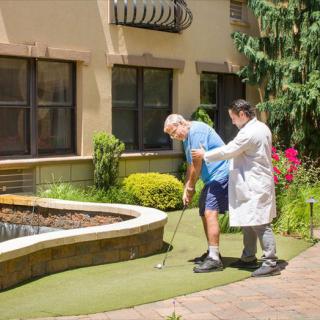
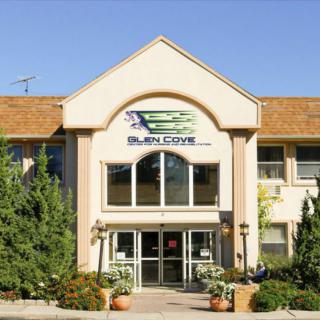
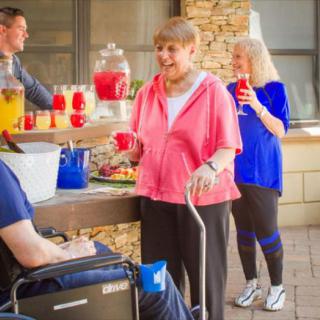
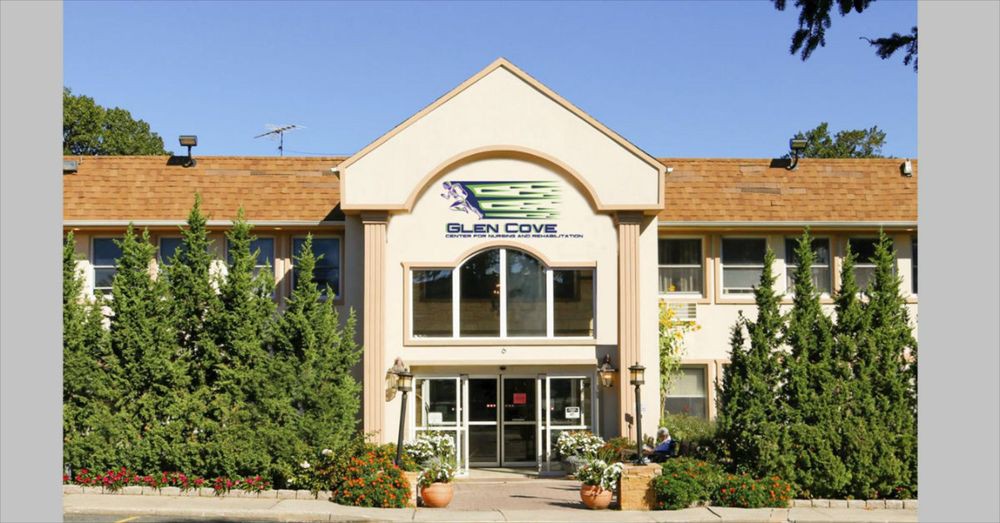
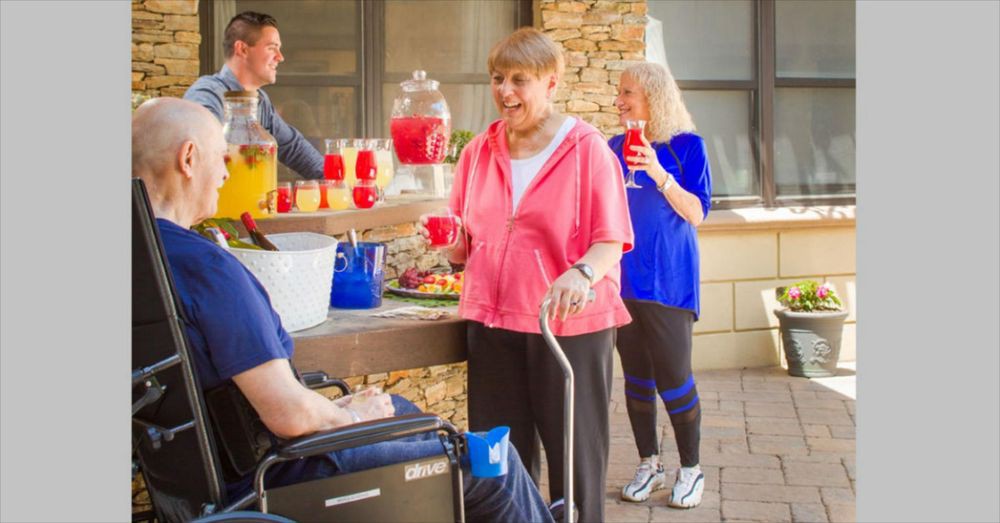
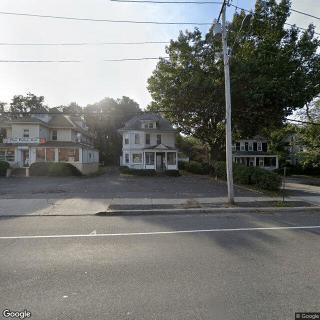
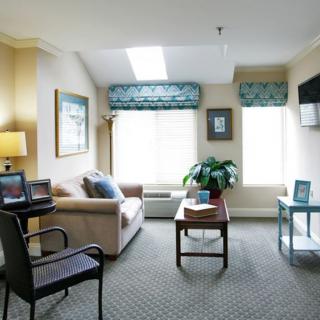
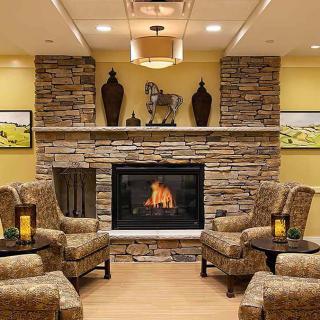
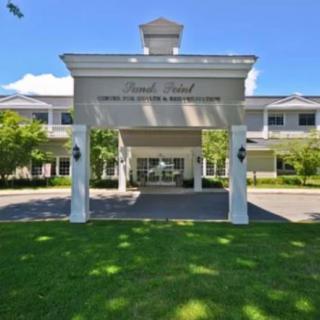
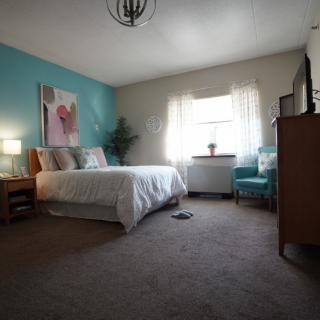
Glen Cove Center For Nursing And Rehabilitation on seniors.fyi includes 5 photos including images showing healthcare, assistance, garden, wheelchair, interior, building, entrance, architecture, and more.
Nearby Communities
Emerge Nursing And Rehabilitation At Glen Cove
Glen Cove, NY
4.3 from 124 reviews
Wide range of amenities and comprehensive care services.
Sunrise of Glen Cove
Glen Cove, NY
4.3 from 44 reviews
$7,620 to $10,440 / month
Friendly, attentive staff who know residents by name; clean, warm, home-like atmosphere with good dining and activities.
Kaleidoscope Services Inc.
Glen Cove, NY
5 from 1 review
Serene Glen Cove setting with around-the-clock care and convenient access to nearby pharmacies and restaurants
The Regency At Glen Cove
Glen Cove, NY
4.9 from 154 reviews
Friendly, caring staff and a lively, engaging community with good dining.
Atria Glen Cove
Glen Cove, NY
4.5 from 91 reviews
$4,295 to $8,095 / month
Caring staff, well-maintained facilities, and engaging activities with quality dining.
Glengariff Health Care Center
Glen Cove, NY
4.1 from 154 reviews
Clean facility with a helpful front desk and some compassionate therapy staff.
The Harborside
Port Washington, NY
4.2 from 64 reviews
$3,500 to $8,400 / month
Attractive, spacious apartments with strong dining and engaging activities; attentive staff.
Sands Point Center For Health And Rehabilitation
Port Washington, NY
3.8 from 55 reviews
Caring staff, clean facilities, and engaging activities.
Oyster Bay Manor and Harbor House
Oyster Bay, NY
4.3 from 37 reviews
$3,000 to $4,100 / month
Caring, attentive staff in a clean, well-maintained setting.
Weight training is vital for seniors to maintain muscle mass, bone density, and overall health, combating age-related declines through customized resistance exercises that enhance balance and well-being. Safe routines should start with realistic goals and proper form, while emphasizing gradual progress and consultations with healthcare providers to ensure safety and effectiveness.
The Sandwich Generation comprises adults managing the dual responsibilities of caring for aging parents and raising children, leading to significant emotional, logistical, and financial challenges. This situation is exacerbated by longer life expectancies and cultural expectations, necessitating effective coping strategies and support resources to alleviate caregiver stress and burnout.
The article highlights eight essential assistive devices that improve the independence and safety of older adults, addressing issues related to mobility, balance, vision, hearing, and dexterity. It emphasizes the importance of proper selection guided by healthcare professionals to enhance seniors' quality of life while allowing them to age in place.
Glen Cove Center For Nursing And Rehabilitation photos
×
Interior
Outdoors
Building
Healthcare
Wheelchair
Interior
Building, Architecture, Entrance, and Exterior
Garden, Outdoors, Assistance, and Golf
Healthcare
Wheelchair
Get PricingAsk A QuestionSchedule A TourContact Senior Advisor
By clicking submit, you agree to our Partner's Terms of Use. You
also consent to receive calls and texts, which may be autodialed, from our Partner. Your consent is not a condition to
using our Partner's service. Please visit our Partner's Privacy Policy for information about their privacy practices.




 154 resident community capacity
 Skilled Nursing Facility
 Air-conditioning
 Beauty salon
 Cable or satellite TV
 Computer center
 Dining room
 Fitness room
 Fully furnished
 Gaming room
 Garden
 Housekeeping services
 Kitchenette
 Move-in coordination
 Outdoor space
 Private bathrooms
 Restaurant-style dining
 Small library
 Telephone
 Wellness center
 Wi-Fi/high-speed internet available
 Westchester Cty (14 miles away)
 Community operated transportation
 12-16 hour nursing
 24-hour call system
 Activities of daily living assistance
 Assistance with bathing
 Assistance with dressing
 Assistance with transfers
 Diabetes diet
 Medication management
 Mental wellness program
 Special dietary restrictions
 Concierge services
 Planned day trips
 Wide range of amenities and comprehensive care services.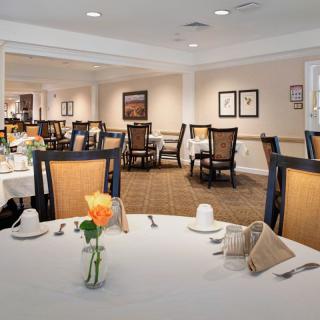


 Weight Training for Seniors: Building Strength and Vitality
 Understanding the Sandwich Generation: Stress and Responsibilities for Multigenerational Caregivers
 8 Essential Assistive Devices for Older Adults