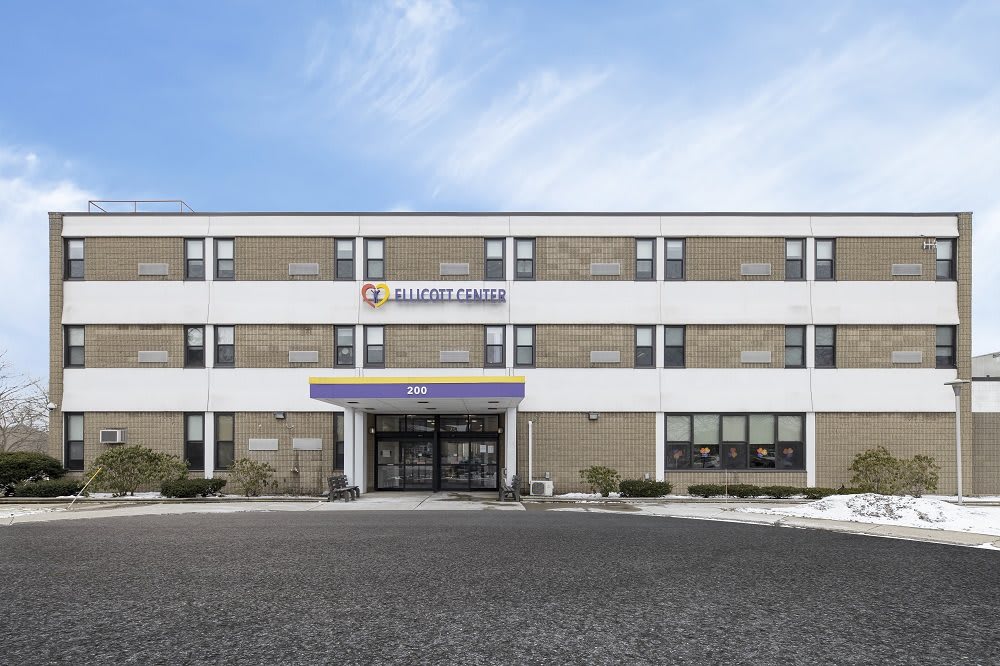
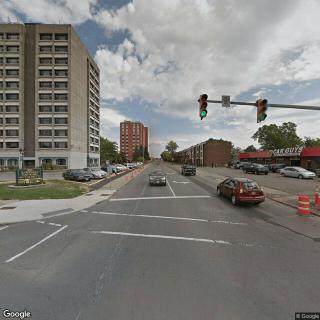
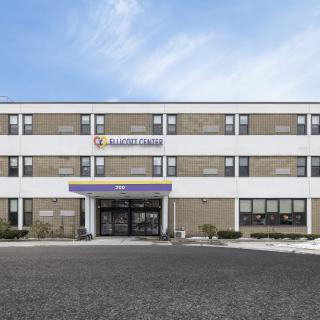
Ellicott Center for Rehabilitation and Nursing in Buffalo, NY

Save

Ellicott Center for Rehabilitation and Nursing in Buffalo, NY

Information last verified:

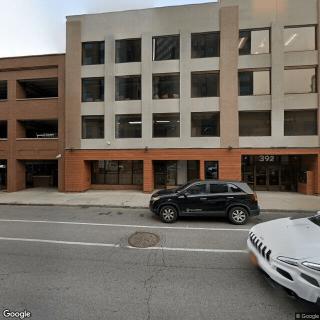
200 7th St, Buffalo, NY 14201

For more information about senior living options: (844) 490-3973

2.5 from 123 reviews
5 stars
37
4 stars
5
3 stars
6
2 stars
4
1 stars
71

Overall Review of Ellicott Center for Rehabilitation and Nursing

Pros

  • pro The staff are kind, caring, and accommodating.
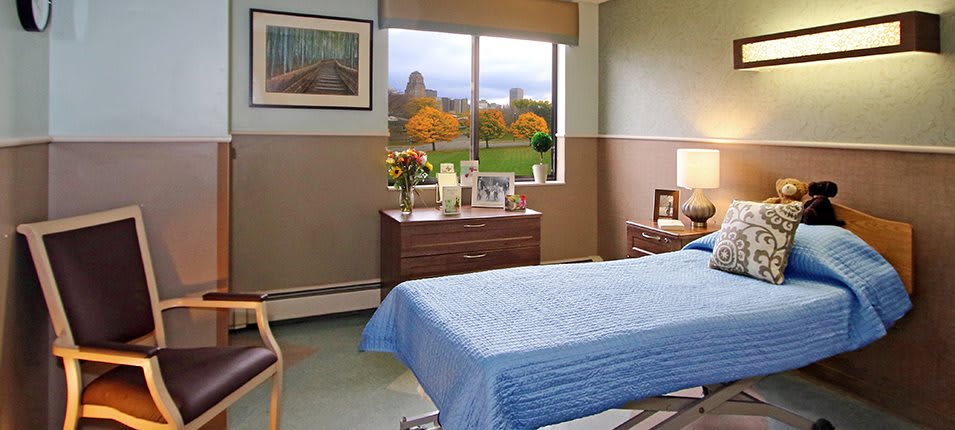
  • pro The facility is described as amazing, beautiful, and well kept.
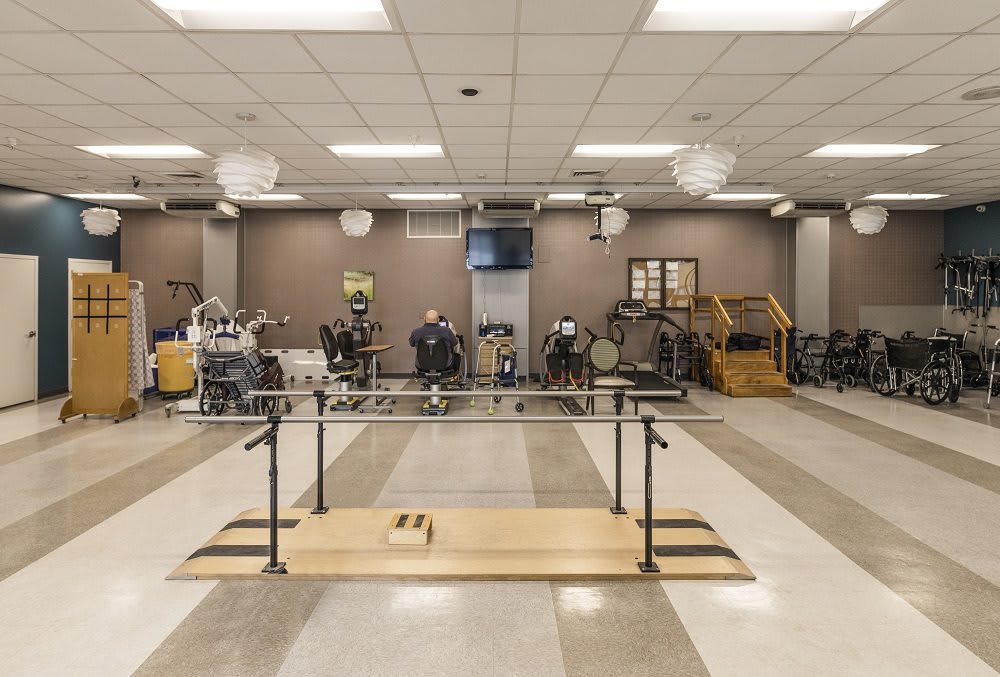
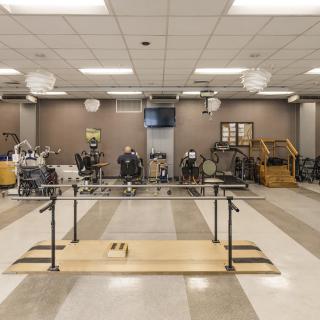
  • pro The rehabilitation center provides tailored treatment plans and individualized attention that support recovery.
  • pro Families report fantastic experiences with excellent care and a clean, well-maintained environment.
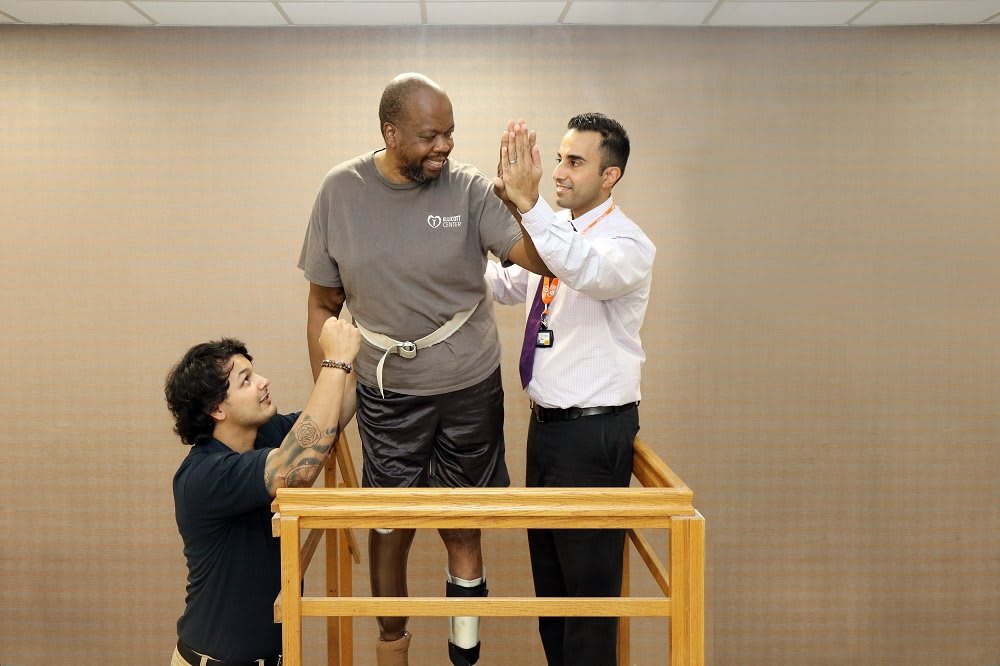
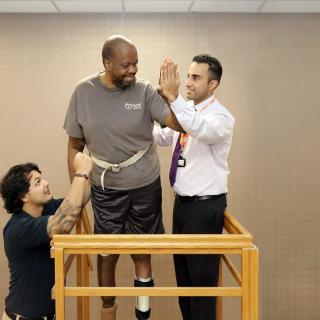
  • pro The physical therapy department is especially praised for contributing to successful recovery.
  • pro The center makes residents feel heard, respected, safe, and clean.
  • pro A grandfather found a home where the staff are kind and caring.
  • pro The facility is praised as fantastic with great staff and overall high-quality care.

Cons

  • pro The facility is severely understaffed and unable to provide proper care.
  • pro The staff are rude, unprofessional, and fail to respond to patient needs.
  • pro Residents are neglected and left in unsanitary conditions, sometimes in their own waste.
  • pro Medications and pain management are frequently delayed or not administered.
  • pro The facility is dirty, with strong odors, dirty floors, and pests like mice.
  • pro Communication with families is poor; there are few if any updates or follow-ups.
  • pro Meals and nutrition are inadequate and often not delivered on time.
  • pro Safety concerns are widespread; alarms go unanswered and patients can roam unsupervised.
  • pro The administration is ineffective, with many calling for the place to be shut down.

Review

This community is best suited for families seeking short-term rehab with a strong emphasis on therapy and the potential to regain independence, provided there is vigilant oversight from family or a trusted client advocate. It can work for a resident who can tolerate a wide range of care quality, as long as someone consistently monitors daily operations, med administration, and program adherence. It is not the right fit for high-need, long-term custodial care where reliable, compassionate, around-the-clock attention is essential. Those with serious wound-care needs, chronic pain management, or end-of-life care should consider alternatives with verifiable staffing and quality-control processes, since the facility’s record shows persistent concerns in those areas.

From the positive side, there are convincing reports of the therapy team delivering meaningful mobility gains when the program is followed and staff remain engaged. Several reviewers credit PT and other rehab services with helping patients walk again or return to independent dressing and self-care. A number of visitors also describe a clean, well-kept environment and staff members who are capable, courteous, and attentive on particular shifts. In some cases, the social-work and nursing teams are praised for dedications that contribute to a resident’s progress and emotional well-being. These pockets of competence and professionalism show what the center can achieve under the right conditions.

However, the volume and tenor of reviews point to a troubling pattern of significant, concrete cons that frequently override the perceived benefits. Chronic understaffing emerges as a core problem, with days and evenings described as short-staffed and overwhelmed, leading to delayed medications, late meals, and chores left undone. Numerous accounts allege call bells unanswered for long stretches, residents left in their rooms or in hallways, and lapses in basic hygiene and wound care. The facility is repeatedly depicted as dirty, with odors, unclean floors, and evidence of neglect, ranging from housekeeping gaps to more alarming claims of residents not being bathed, fed, or monitored adequately. Safety concerns surface in several narratives, including alarms not being attended, residents wandering or attempting to exit without prompt intervention, and furnishings or equipment being mismanaged or missing.

These cons do not exist in a vacuum; they frequently magnify risks for infections, wounds, dehydration, or medication mismanagement. Some families describe tragic outcomes, aspiration pneumonia, hospitalization after neglect, and even the death of loved ones, with blame directed at missed treatments and poor communication from administrative and nursing leadership. The most troubling threads run through the same rooms and hallways in multiple reviews: call systems failing, insufficient oversight of aides, inconsistent medical responsiveness, and a troubling disconnect between what frontline staff can visibly do well on some shifts and what the facility’s leadership appears unable to sustain across the entire operation.

To weigh the decision, the key question becomes whether the tangible rehab benefits can reliably occur in a setting with such systemic care gaps. The positives demonstrate that when staffing aligns, therapists and nurses can drive meaningful recovery and provide compassionate, respectful care. Yet the fatigue of persistent complaints, silence in the face of urgent requests, cleanliness and safety lapses, and a perception of mismanagement at the administrative level, undercuts confidence in the center as a stable, dependable long-term option. For families prioritizing steady, transparent care and predictable daily rhythms, these mismatches create a disconcerting risk calculus.

Those considering alternatives should look for facilities with demonstrable, consistent staffing levels, timely med administration, and proven infection-control and wound-care processes. Prospective families should demand access to recent DOH inspection summaries, request to speak with multiple charge nurses and the administrator, and insist on a clear, written care plan with measurable goals and weekly family updates. If choosing this center, plan for rigorous oversight: designate a single point of contact, insist on daily or twice-daily care checks, and implement a formal process for reporting and escalating concerns. In the end, Ellicott Center can be a viable rehab option for the right resident, but only when there is a robust, proactive family presence to counterbalance systemic reliability gaps.

Features

Housing

  • 160 resident community capacity 160 resident community capacity

Types of Care

  • Skilled Nursing Facility Skilled Nursing FacilitySkilled Nursing Facilities are crucial for seniors as they provide round-the-clock medical care, rehabilitation services, and assistance with daily activities. These facilities ensure that seniors receive the specialized care they need to maintain their health and well-being as they age.

Amenities

  • Air-conditioning Air-conditioningAir conditioning is important for seniors as they are more vulnerable to heat-related illnesses and may have underlying health conditions that make it difficult for them to regulate their body temperature. It helps to keep them comfortable, safe, and healthy in hot weather.
  • Beautician on-site Beautician on-siteHaving a beautician on-site at a senior living community is important for seniors as it allows them to easily access grooming and personal care services, boosting their self-esteem and overall well-being. It also provides convenience and helps seniors maintain their sense of independence and personal style.
  • Beauty salon Beauty salonBeauty salons are important for seniors because they provide a space for them to feel pampered, socialize, and maintain their personal grooming and hygiene. Regular visits to a beauty salon can help boost seniors' self-esteem and overall well-being.
  • Cable or satellite TV Cable or satellite TVCable or satellite TV is important for seniors because it provides entertainment, news, and companionship, helping to combat loneliness and boredom. It also offers a wide range of programming options tailored to different interests and preferences.
  • Computer center Computer centerA computer center is essential for seniors as it provides access to technology, communication tools, and resources that can enhance their daily lives. It allows them to stay connected with loved ones, engage in online activities, and learn new skills, ultimately promoting socialization and mental stimulation.
  • Dining room Dining roomDining rooms are important for seniors as they provide a space for socialization, connection, and nutritious meals. They offer opportunities for residents to bond over shared meals, foster a sense of community, and promote healthy eating habits. Dining rooms also ensure that seniors have access to well-balanced meals tailored to their dietary needs and preferences.
  • Fitness room Fitness roomHaving a fitness room in a senior living community is essential for seniors to stay active, maintain their physical health, and improve their overall well-being. Regular exercise can help prevent falls, reduce the risk of chronic diseases, and promote mental sharpness. It also provides social opportunities for residents to connect with others and enjoy a sense of community.
  • Fully furnished Fully furnishedFully furnished senior living communities are important for seniors because they provide convenience, comfort, and a hassle-free moving experience. Seniors can easily settle into their new living space without the stress of having to buy and move furniture. This allows them to focus on enjoying their new home and community.
  • Gaming room Gaming roomGaming rooms are important for seniors as they provide a fun and engaging environment for socializing, cognitive stimulation, and physical activity. Games can improve memory, problem-solving skills, and overall mental well-being while fostering friendships and reducing feelings of isolation.
  • Garden GardenGardens are important for seniors as they provide a peaceful and therapeutic environment for relaxation, physical activity, and socialization. Being in nature has been shown to reduce stress, improve mood, and promote overall well-being. Gardens also offer opportunities for seniors to engage in gardening activities, which can improve mobility, flexibility, and cognitive function. Additionally, gardens create a sense of community and connection with others who share a passion for plants and outdoor spaces.
  • Housekeeping services Housekeeping servicesHousekeeping services are important for seniors because they help maintain a clean and safe living environment, promote independence, and reduce the risk of accidents or illnesses. Additionally, having assistance with household chores can alleviate physical strain and allow seniors to focus on other aspects of their well-being.
  • Indoor common areas Indoor common areasIndoor common areas are crucial for seniors as they provide a space for socialization, recreation, and community engagement, promoting overall well-being and reducing feelings of isolation and loneliness.
  • Kitchenette KitchenetteKitchenettes are important for seniors living in senior living communities because they provide the convenience and independence of being able to prepare simple meals and snacks in the comfort of their own living space. This can help promote a sense of autonomy and well-being for seniors, allowing them to maintain some level of control over their dietary choices and daily routines.
  • Move-in coordination Move-in coordinationMove-in coordination is important for seniors because it helps ease the transition into their new living environment. It ensures that all logistics, such as packing, organizing movers, and setting up utilities are taken care of, allowing seniors to focus on settling in and adjusting to their new home. Having a smooth move-in process can alleviate stress and anxiety, making the transition smoother and more enjoyable for seniors.
  • Outdoor common areas Outdoor common areasOutdoor common areas are important for seniors as they provide a space for socialization, physical activity, and relaxation. Being outside in nature can improve mood and overall well-being, while also encouraging movement and engagement with others. These spaces can help combat feelings of isolation and promote a sense of community among residents.
  • Outdoor space Outdoor spaceOutdoor spaces are important for seniors as they provide opportunities for physical activity, social interaction, exposure to natural light and fresh air, and a sense of connection to nature. Having access to outdoor spaces can improve overall well-being and quality of life for older adults living in senior communities.
  • Private bathrooms Private bathroomsPrivate bathrooms are important for seniors in senior living communities because they provide independence, dignity, and comfort. Having a private bathroom allows seniors to maintain their personal hygiene routines without the need for assistance, promoting a sense of autonomy and privacy. Additionally, private bathrooms help prevent the spread of infections and provide a safe and clean environment for seniors to navigate safely.
  • Restaurant-style dining Restaurant-style diningRestaurant-style dining is important for seniors because it allows them to enjoy delicious, nutritious meals in a social and upscale setting. This enhances their dining experience, promotes healthy eating habits, and fosters socialization with fellow residents, ultimately contributing to their overall well-being and quality of life.
  • Small library Small librarySmall libraries are important for seniors as they provide access to a variety of reading materials, including books, newspapers, and magazines. This can help stimulate their minds, keep them engaged, and provide a sense of community through book clubs and other social activities. Additionally, reading has been shown to improve cognitive function and overall mental well-being in older adults.
  • Telephone TelephoneTelephones are important for seniors as they provide a lifeline for communication with loved ones, emergency services, and healthcare providers. They offer a sense of security and independence, enabling seniors to stay connected and access assistance when needed.
  • Wellness center Wellness centerWellness centers are important for seniors because they offer a variety of programs and services that promote physical, mental, and emotional well-being. These centers provide opportunities for exercise, socialization, education, and relaxation, helping seniors maintain their overall health and quality of life.
  • Wi-Fi/high-speed internet available Wi-Fi/high-speed internet availableWi-Fi/high-speed internet is important for seniors to stay connected with loved ones, access online resources, and participate in virtual activities to combat feelings of loneliness and isolation. It also allows them to easily manage healthcare needs, access entertainment, and engage in lifelong learning opportunities.

Transportation

  • Buffalo Niagara International (8 miles away) Buffalo Niagara International (8 miles away)
  • Community operated transportation Community operated transportationCommunity operated transportation is crucial for seniors as it provides them with the means to access essential services, social activities, and medical appointments. It allows seniors to maintain their independence and quality of life by ensuring they can participate in activities outside of their homes. Additionally, community-operated transportation services offer a safe and reliable way for seniors to travel without having to rely on family or friends for assistance.
  • Transportation arrangement Transportation arrangementTransportation arrangements are crucial for seniors as they may face challenges with driving, mobility, or access to public transportation. Having reliable transportation services ensures that seniors can easily attend appointments, social activities, and maintain their independence and quality of life.
  • Transportation arrangement (non-medical) Transportation arrangement (non-medical)Transportation arrangements are essential for seniors as they provide access to essential services, activities, and social interactions outside the home. This service helps maintain independence, mobility, and overall well-being for seniors who may have limited transportation options.
  • Transportation to doctors appointments Transportation to doctors appointmentsTransportation to doctors appointments is crucial for seniors as it ensures they have access to necessary medical care and support, promoting their health and well-being. It allows them to receive timely treatment, monitor existing conditions, and address any new health concerns efficiently. Additionally, transportation services can help seniors maintain their independence and quality of life by enabling them to stay connected with their healthcare providers.

Care Services

  • 12-16 hour nursing 12-16 hour nursing12-16 hour nursing care is crucial for seniors in order to ensure around-the-clock monitoring, timely medication administration, and prompt response to any health concerns or emergencies. This level of care helps to promote the overall well-being and safety of seniors living in senior living communities.
  • 24-hour call system 24-hour call system24-hour call systems are important for seniors because they provide peace of mind and immediate assistance in case of emergencies. This technology ensures that help is always available, promoting safety and security for elderly individuals living alone or in assisted living facilities.
  • 24-hour supervision 24-hour supervision24-hour supervision is important for seniors to ensure their safety, well-being, and access to immediate assistance in case of emergencies or health issues. This constant support provides peace of mind for both seniors and their loved ones, allowing them to age in place with dignity and security.
  • Activities of daily living assistance Activities of daily living assistanceActivities of daily living assistance are important for seniors because they provide essential support with tasks such as eating, bathing, dressing, and mobility. This assistance helps seniors maintain their independence, dignity, and overall quality of life as they age.
  • Assistance with bathing Assistance with bathingAssistance with bathing is crucial for seniors as it helps maintain personal hygiene, prevents infections, and ensures their overall well-being and comfort. It also provides a sense of dignity and independence for seniors who may struggle with this task on their own.
  • Assistance with dressing Assistance with dressingAssistance with dressing is important for seniors because it helps maintain their independence, promotes personal hygiene, prevents accidents and injuries, and improves overall quality of life. This service ensures that seniors can continue to dress comfortably and confidently, despite any physical limitations they may have.
  • Assistance with transfers Assistance with transfersAssistance with transfers is crucial for seniors as it helps prevent falls and injuries, maintains their independence, and ensures they can safely navigate their living environment. It also provides peace of mind for both seniors and their loved ones.
  • Diabetes diet Diabetes dietA diabetes diet is crucial for seniors as it helps manage blood sugar levels, reduce risks of complications, and improve overall health and well-being. By following a balanced and nutritious diet tailored to their specific needs, seniors can better control their diabetes and enhance their quality of life.
  • High acuity care High acuity careHigh acuity care is important for seniors because it provides specialized medical attention and support for individuals with complex medical needs. This level of care ensures that seniors receive the appropriate treatment and assistance to maintain their health and quality of life as they age.
  • Meal preparation and service Meal preparation and serviceMeal preparation and service are crucial for seniors as they may have limited mobility or energy to cook nutritious meals. Having access to healthy and convenient food options can ensure they are getting the proper nutrition needed to maintain their overall health and well-being.
  • Medication management Medication managementMedication management is crucial for seniors to ensure they are taking the right medications at the correct dosages and times. This helps prevent adverse drug interactions, reduces the risk of medication errors, and promotes overall health and well-being. Proactive management also allows for adjustments as needed based on changing health conditions or new prescriptions.
  • Mental wellness program Mental wellness programMental wellness programs are essential for seniors as they promote cognitive stimulation, emotional support, and social engagement. These programs help prevent isolation, depression, and cognitive decline, ultimately enhancing the overall quality of life for older adults.
  • Special dietary restrictions Special dietary restrictionsSpecial dietary restrictions are important for seniors because age-related changes in metabolism and health conditions can make it difficult for their bodies to process certain foods. By following a diet tailored to their specific needs, seniors can maintain their overall health and well-being, manage chronic conditions, and reduce the risk of complications such as malnutrition or food interactions with medications.

Dining

  • Diabetes diet Diabetes dietA diabetes diet is crucial for seniors as it helps manage blood sugar levels, reduce risks of complications, and improve overall health and well-being. By following a balanced and nutritious diet tailored to their specific needs, seniors can better control their diabetes and enhance their quality of life.
  • Meals provided Meals provided"Meals provided" are crucial for seniors in assisted living communities as it ensures they have access to nutritious, balanced meals without the stress of meal planning and preparation. This can help promote overall health and well-being for seniors who may have limited mobility or cognitive abilities.
  • Special dietary restrictions Special dietary restrictionsSpecial dietary restrictions are important for seniors because age-related changes in metabolism and health conditions can make it difficult for their bodies to process certain foods. By following a diet tailored to their specific needs, seniors can maintain their overall health and well-being, manage chronic conditions, and reduce the risk of complications such as malnutrition or food interactions with medications.

Activities

  • Community-sponsored activities Community-sponsored activitiesCommunity-sponsored activities are important for seniors as they provide opportunities for social interaction, mental stimulation, and physical activity. These activities can help improve overall well-being, combat loneliness and isolation, and promote a sense of belonging and purpose among older adults.
  • Concierge services Concierge servicesConcierge services are essential for seniors as they provide assistance with daily tasks and errands, enhance their quality of life by offering convenience and personalized care, and promote a sense of safety and security.
  • Fitness programs Fitness programsFitness programs are crucial for seniors as they help improve strength, flexibility, balance, and overall well-being. Staying active can reduce the risk of chronic diseases, improve mental health, and enhance quality of life in older adults.
  • Planned day trips Planned day tripsPlanned day trips are important for seniors because they offer opportunities for socialization, mental stimulation, and physical activity. They provide a change of scenery and help seniors stay engaged and connected to their community, promoting overall well-being and quality of life.
  • Resident-run activities Resident-run activitiesResident-run activities are important for seniors as they encourage social interaction, creativity, and a sense of autonomy. These activities empower seniors to stay engaged and active in their community while fostering meaningful connections with their peers.
  • Scheduled daily activities Scheduled daily activitiesScheduled daily activities are important for seniors because they provide structure, socialization, mental stimulation, and physical activity. Engaging in regular activities can improve overall well-being and quality of life for seniors living in a community setting.

Description

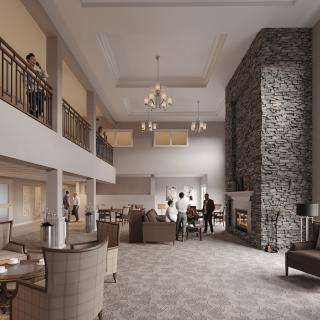
The Ellicott Center for Rehabilitation and Nursing in Buffalo, NY is a vibrant assisted living community that offers a comfortable and inviting environment for its residents. With a variety of amenities to enhance the quality of life, this center ensures that individuals can enjoy their time and make the most out of their stay.

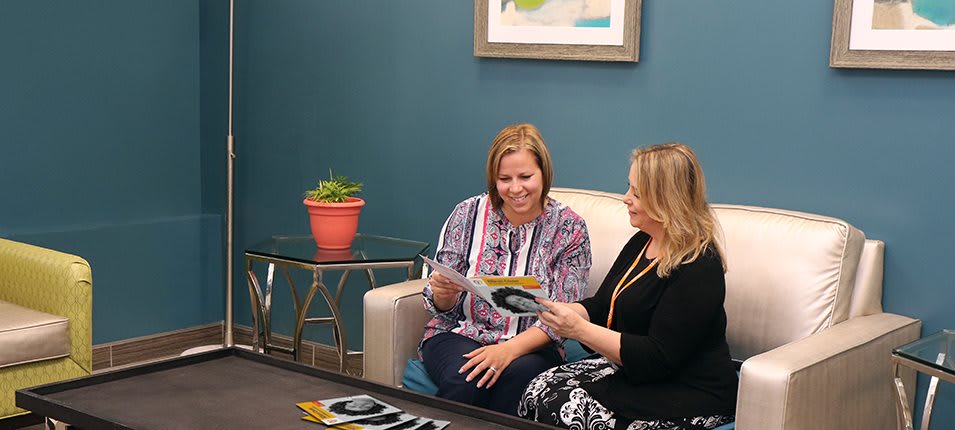
Indoor common areas provide ample space for socializing, relaxation, and engaging in recreational activities. These areas are designed to foster a sense of community among residents, encouraging friendships and social connections. Outdoor common areas offer beautiful landscapes and comfortable seating arrangements where individuals can enjoy fresh air or participate in outdoor activities.

One notable amenity is the availability of Wi-Fi and high-speed internet throughout the center. This allows residents to easily stay connected with loved ones through video calls or explore online platforms for entertainment, information, or personal interests.

Additionally, the Ellicott Center benefits from its convenient location surrounded by numerous facilities. The presence of four cafes nearby provides options for residents to indulge in delicious snacks or meet friends for casual gatherings. Two parks close by offer serene green spaces where residents can take walks, engage in physical activity, or simply enjoy nature's tranquility.

Having 15 pharmacies nearby ensures easy access to medication and healthcare supplies. In case of medical needs, six physicians are also conveniently located within proximity to provide prompt care if necessary. For dining out or exploring different cuisines occasionally, there are 14 restaurants nearby that offer diverse culinary experiences.

Recognizing the importance of spiritual practices in one's life, Ellicott Center takes pride in being close to a place of worship. This provides residents with an opportunity to uphold their religious traditions and attend religious services comfortably.

Lastly, having four hospitals nearby assures residents that immediate medical attention is readily available should they require it during an emergency. This proximity not only brings peace of mind but also enables quick response times when needed.

With our exceptional amenities and convenient surroundings encompassing various facilities, individuals residing in the Ellicott Center for Rehabilitation and Nursing can experience a fulfilling and enriching assisted living experience.

Nearby Places of Interest

This part of Buffalo, New York offers a variety of amenities and services that cater to individuals seeking a convenient and vibrant neighborhood for senior living. With multiple pharmacies like Rite Aid and Walgreens within close proximity, residents will have easy access to necessary medications and health supplies. The presence of reputable physicians such as The Evergreen Exchange and Ross Eye Institute ensures quality healthcare services are readily available. In terms of dining options, there are a variety of restaurants ranging from casual sports bars like Sidelines Sports Bar and Grill to upscale establishments like Liberty Hound. For outdoor enthusiasts, nearby parks such as Delaware Park Marcy Casino provide opportunities for leisurely strolls in a scenic setting. Additionally, the area features cafes like Tim Hortons and Wegmans Food Markets where seniors can relax with a cup of coffee or enjoy a light meal. Hospitals such as John R Oishei Children's Hospital and Roswell Park Cancer Institute are located nearby for any medical emergencies that may arise. Overall, this part of Buffalo offers a well-rounded community with convenient amenities that cater to the needs of seniors looking for a comfortable and accessible place to call home.

Pharmacies

  • Rite Aid (0.2 miles)
  • Walgreens (0.9 miles)
  • Rite Aid (1 miles)
  • Rite Aid (1.2 miles)
  • Rite Aid (2.5 miles)
  • Top's Markets (3.1 miles)
  • CVS Pharmacy (3.4 miles)

Physicians

  • The Evergreen Exchange (0.3 miles)
  • Urban Family Practice (0.6 miles)
  • Ross Eye Institute (1.3 miles)
  • Jericho Road Community Health Center (1.9 miles)
  • 50 Gate Circle (2.6 miles)
  • Primary Care Of WNY Primary Care Of Western New York Kenmore (4.8 miles)
  • Kenmore Family Medicine (5.9 miles)

Restaurants

  • Sidelines Sports Bar and Grill (0.4 miles)
  • Betty's Restaurant (0.5 miles)
  • Club Marcella (0.6 miles)
  • Big Ditch Brewing Company (0.7 miles)
  • Liberty Hound (1 miles)
  • Southern Tier Brewery Buffalo (1.1 miles)
  • Anchor Bar (1.1 miles)

Parks

  • Delaware Park Marcy Casino (0.6 miles)
  • Wilkeson Pointe (1.4 miles)
  • Beaver Island State Park (6.9 miles)
  • Centennial Park (7.6 miles)
  • Woodlawn Beach State Park (7.7 miles)

Cafes

  • Tim Hortons (0.7 miles)
  • Wegmans Food Markets (3.3 miles)
  • Tim Hortons (3.6 miles)
  • Starbucks (4.5 miles)
  • Tim Hortons (6 miles)
  • Wegmans Food Markets (6.4 miles)
  • Tim Hortons (7.3 miles)

Hospitals

  • John R Oishei Children's Hospital (1.1 miles)
  • Roswell Park Cancer Institute (1.1 miles)
  • Erie County Medical Center (3.6 miles)
  • Mercy Hospital Operating Room (4.7 miles)

Places of Worship

  • Saint John Gualbert Catholic Church & Diocesan Shrine (4.8 miles)
  • Queen of Angels (6 miles)

Theaters

  • Regal Walden Galleria 4Dx & RPX (6.4 miles)

Frequently Asked Questions

Where is Ellicott Center for Rehabilitation and Nursing?
What photos are available for Ellicott Center for Rehabilitation and Nursing in Buffalo, New York?

Nearby Communities

  • Maxim Health Care

    Maxim Health Care

    Buffalo, NY


  • Grace Manor Nursing Home

    Grace Manor Nursing Home

    Buffalo, NY


    pro Strong access to nearby amenities (cafes, parks, pharmacies, restaurants, hospitals) for convenience.
  • Mary Agnes Manor Retirement

    Mary Agnes Manor Retirement

    Buffalo, NY

    3.9 from 48 reviews
     

    pro Some staff were helpful and the community offers social opportunities through shared spaces.

  • Mary Agnes Manor

    Mary Agnes Manor

    Buffalo, NY

    3.7 from 56 reviews
     

    pro Warm, welcoming atmosphere with engaging activities and friendly staff; convenient location.

  • Symphony Circle Active Living

    Symphony Circle Active Living

    Buffalo, NY

    4.9 from 7 reviews
    $2,295 to $3,495 / month

    pro Modern, clean apartments with excellent meals, transportation, and caring staff.

  • Marine Drive Apartments Inc

    Marine Drive Apartments Inc

    Buffalo, NY

    3.1 from 27 reviews
     

    pro Convenient location with nearby dining, parks, pharmacies, and hospitals.

  • Trinity Tower

    Trinity Tower

    Buffalo, NY

    3.4 from 18 reviews
     

    pro Convenient location with easy access to cafes, parks, pharmacies, physicians, restaurants, places of worship, and hospitals.

  • Timon Towers Apartments

    Timon Towers Apartments

    Buffalo, NY

    3 from 8 reviews
     

    pro Professional staff; clean, well-maintained building with kitchenette amenities.

  • Kenmore Village Apts

    Kenmore Village Apts

    Buffalo, NY

    4 from 5 reviews
     

    pro Prime Buffalo location with abundant nearby amenities and healthcare access.

Related Resources

  • home care aideHome Health Care Aides: Understanding Their Role and Supporting Your Family

    Home health care aides provide vital medical and non-medical support to individuals at home, assisting with daily living activities and promoting emotional well-being, while the demand for these services increases due to an aging population. Families benefit from in-home care's flexibility and cost-effectiveness but face challenges like scheduling consistency and caregiver turnover.

  • uti in elderlyUrinary Tract Infections in Older Adults: Comprehensive Insights on Symptoms, Treatment, and Prevention

    Older adults with urinary tract infections (UTIs) often present atypical symptoms, complicating diagnosis due to factors like incomplete bladder emptying and chronic health conditions that increase their susceptibility. Effective management involves prompt treatment with antibiotics, hydration, and preventive strategies while minimizing antibiotic resistance and focusing on holistic care approaches.

  • 602 formCalifornia's Form 602A: An In-Depth Examination of Senior Care Assessment
    California's Form 602A is a vital tool for evaluating the health needs of seniors seeking residential care, detailing their medical conditions and daily living requirements to ensure proper service alignment. This standardized form enhances communication among physicians, families, and facilities, serving as a regulatory measure for admissions and ongoing care while adapting to changing healthcare practices.