
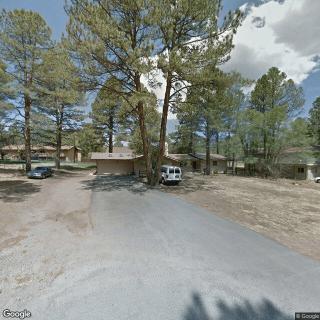
454 Lipan Avenue, Mescalero, NM 88340
For more information about senior living options: (866) 208-4318
Overall Review of Mescalero Care Center
Pros
 The family was very pleased with the care and attention provided by the entire staff.
- The nurses and aides were informed and attentive.
- There were no long waits for help.
- The nurses were very willing to explain what Mom needed.
- The food was really good for an institution.
- The staff helped find a comfortable recliner that helped immensely.
- The care at Mescalero Care Center was the best one could expect.
- They were always staffed and the facility was consistently clean.
- His mom received exceptional care during her stay.
Cons
 The bed in her room was not very comfortable.
- The place was described as the worst there is.
- The food was lousy.
- Wrong medicine was given.
- They did not check up on patients to see if they were alright.
- The doctor never came in to check on patients.
- Most workers were uncaring and lazy.
- They had a horrific experience.
Review
Mescalero Care Center is best suited for families seeking a hands-on, attentive care environment where staff presence is evident, therapy services are accessible, and comfortable, welcoming rooms help ease transitions into care. The community tends to reward families willing to engage with care planning and advocate for their loved ones, especially where nurses and aides are described as informed and responsive. It is a reasonable choice for those who want strong daily interaction with caregivers, prompt assistance, and a setup that supports feeding assistance, therapy, and regular room cleaning. Those who prize consistency in medical oversight and meal quality, however, should evaluate alternatives more closely.
The strongest positives center on staffing responsiveness and the quality of daily care. Several accounts highlight attentive, knowledgeable nurses and aides who explain needs and address concerns without long waits. The facility layout and room design also stand out: comfortable rooms with a bedside recliner for visitors, functional bathrooms, and a caring environment that accommodates family involvement. The care model includes direct help with feeding for residents who cannot feed themselves and active engagement in speech and physical therapies, which speaks to a comprehensive rehabilitation mindset. Cleanliness and regular housekeeping rounds further reinforce a dependable baseline of daily support.
Yet, the most consequential caveat is the variability in experience. Reviews describe stark contrasts in care quality, including errors in medication and insufficient physician follow-up, which raise legitimate safety concerns. Some families recount encounters with uncaring or overworked staff and even a perception that certain staff members were not attentive to residents' needs. This spectrum, from highly positive experiences to serious negative episodes, signals that outcomes can hinge on shifts, staffing levels, and individual staff performance. In a facility rated 3.4 overall, this inconsistency cannot be ignored when weighing options.
These pros only partially offset the cons, and that balance depends on how a family plans to engage with the facility. For residents whose care can be anticipated and monitored day-to-day, the available therapies, strong nursing presence, and well-appointed rooms can deliver meaningful quality of life gains. The ability to receive feeding assistance, participate in therapeutic activities, and rely on a staffed, clean environment adds practical value that may compensate for occasional gaps. However, for families prioritizing flawless medication safety, consistent physician involvement, and uniformly high dining quality, the risks highlighted by negative reviews suggest a need to compare alternatives carefully.
For decision-making, approach tours with a targeted checklist: inquire about current nurse-to-resident ratios, frequency of physician rounds, and the pharmacy protocol for daily medications. Request specifics on how medication reconciliation is handled, how adverse events are reported, and what assurances exist for timely medical oversight across all shifts. Review the dining program, menu options, and how feeding assistance is organized; observe a mealtime to assess staff engagement and resident comfort. Speak with current residents or family members about their recent experiences, and ask to see recent inspection or survey results. Take note of the facility’s responsiveness to concerns and any plans for improvement.
In the end, Mescalero Care Center offers a credible, practical option for families seeking active staff engagement, tangible therapy services, and a comfortable living environment. It can be an excellent match for those prepared to partner with care teams and to monitor quality closely. However, the variability in care experiences means alternatives should be considered for families requiring very high consistency in medical oversight and dining quality. A measured approach, tours, questions, and a potential short-term placement, will reveal whether this community aligns with the loved one’s specific needs and risk tolerance.
 40 resident community capacity
 Skilled Nursing Facility
 Beauty salon
 Cable or satellite TV
 Dining room
 Fully furnished
 Garden
 Housekeeping services
 Kitchenette
 Move-in coordination
 Outdoor space
 Restaurant-style dining
 Small library
 Telephone
 Wi-Fi/high-speed internet available
 24-hour call system
 Activities of daily living assistance
 Assistance with bathing
 Assistance with dressing
 Assistance with transfers
 Diabetes diet
 Medication management
 Mental wellness program
 Special dietary restrictions




 Skilled Nursing Facilities vs. Nursing Homes: Making Sense of the Differences
 A Detailed Examination of Nursing Home Costs Across the U.S.
 Exploring Nonmedical Home Care: Understanding Services, Costs, and Financial Approaches