


108 Vision Drive, Ruidoso, NM 88345
To contact a resident: (575) 315-0758
For more information about senior living options: (866) 208-4318
GoodLife Senior Living Ruidoso Costs & Pricing
GoodLife Senior Living Ruidoso offers competitive pricing for its residents while reflecting the economic landscape of both Lincoln County and New Mexico as a whole. For a semi-private room, the monthly cost is set at $3,000, which aligns with the average rate in Lincoln County but falls below the state average of $3,324. Residents seeking more privacy can opt for a studio apartment at $4,650; this price matches local county costs yet exceeds the broader state average of $3,553. Overall, GoodLife provides valuable options that cater to varying needs while maintaining affordability in comparison to regional and state benchmarks.
| Floor plans | GoodLife Senior Living Ruidoso | Lincoln County | New Mexico |
|---|---|---|---|
| Semi-Private | $3,000 | $3,000 | $3,324 |
| Studio | $4,650 | $4,650 | $3,553 |
Overall Review of GoodLife Senior Living Ruidoso
Pros
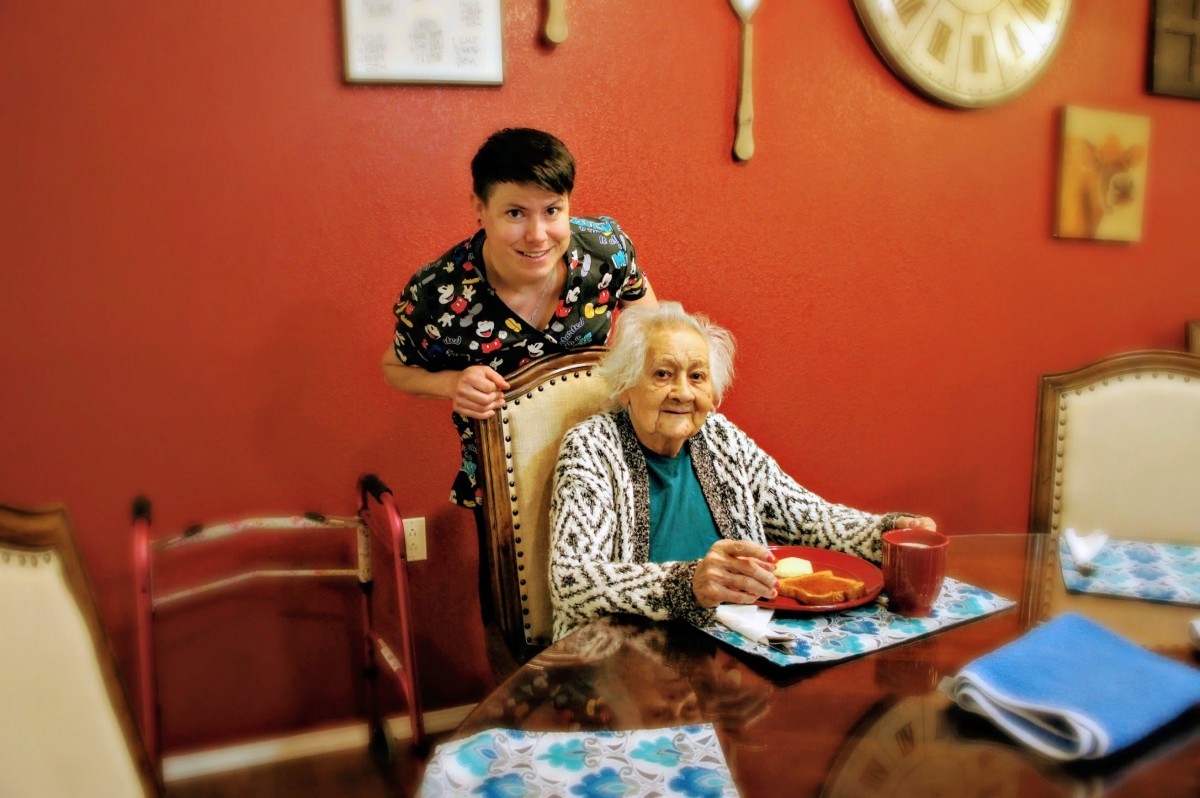
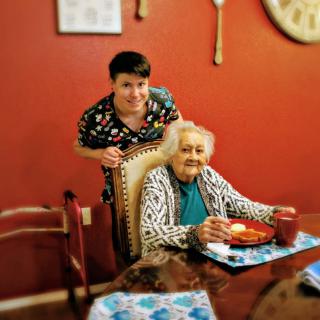
 The staff treated the parents with great care and compassion.
- The staff communicated well with families.
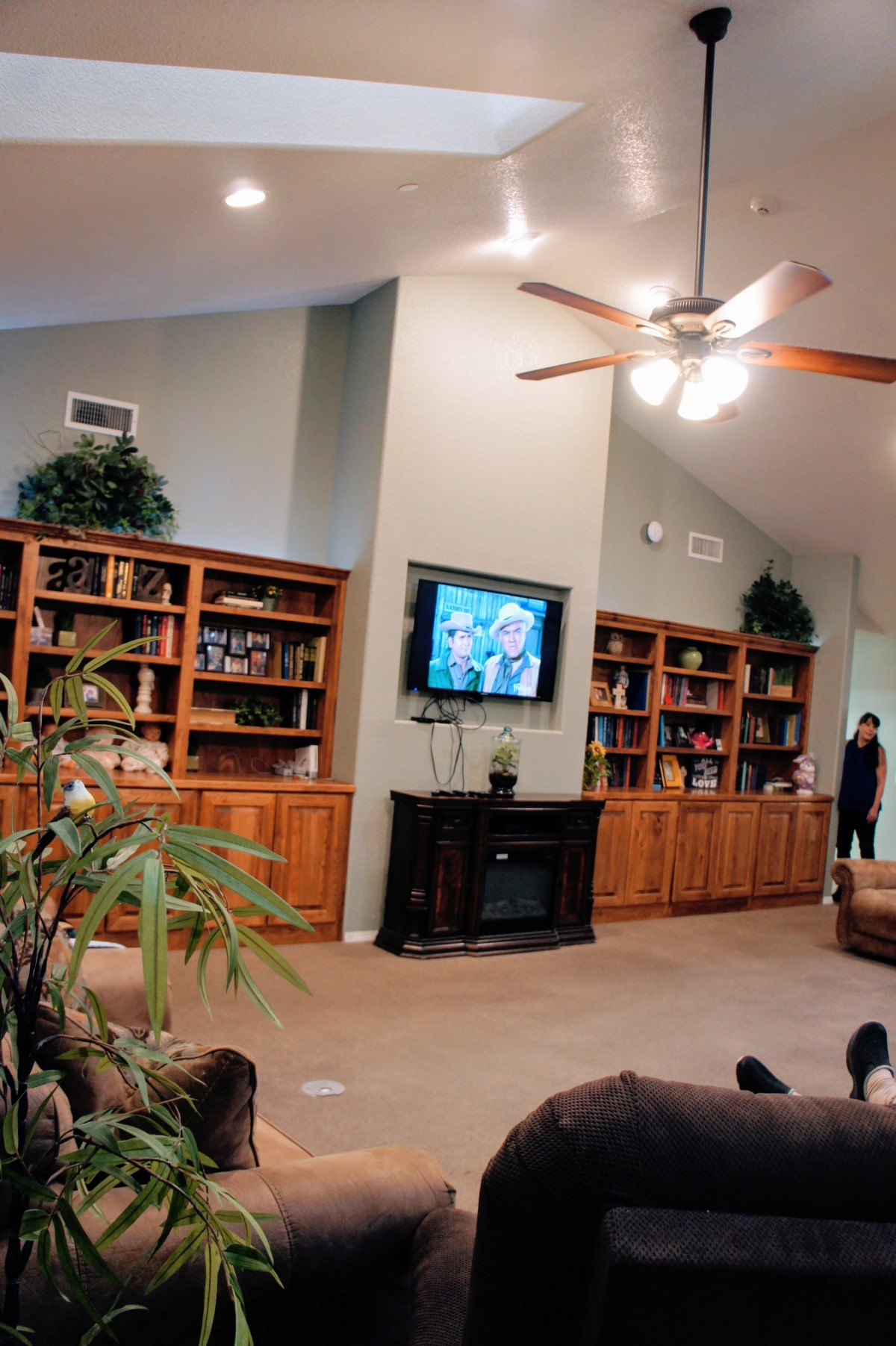
- The facility was consistently clean and felt like home.
- The community is a nice place overall.
- It is the best facility and staff in the whole world.
- They have been a godsend.
- The staff started out well, especially one of the nurses.
Cons
 The staff are sometimes short-staffed.
- The community couldn't care for the loved one due to behavior issues.
- They would not recommend the community to others for their loved ones.
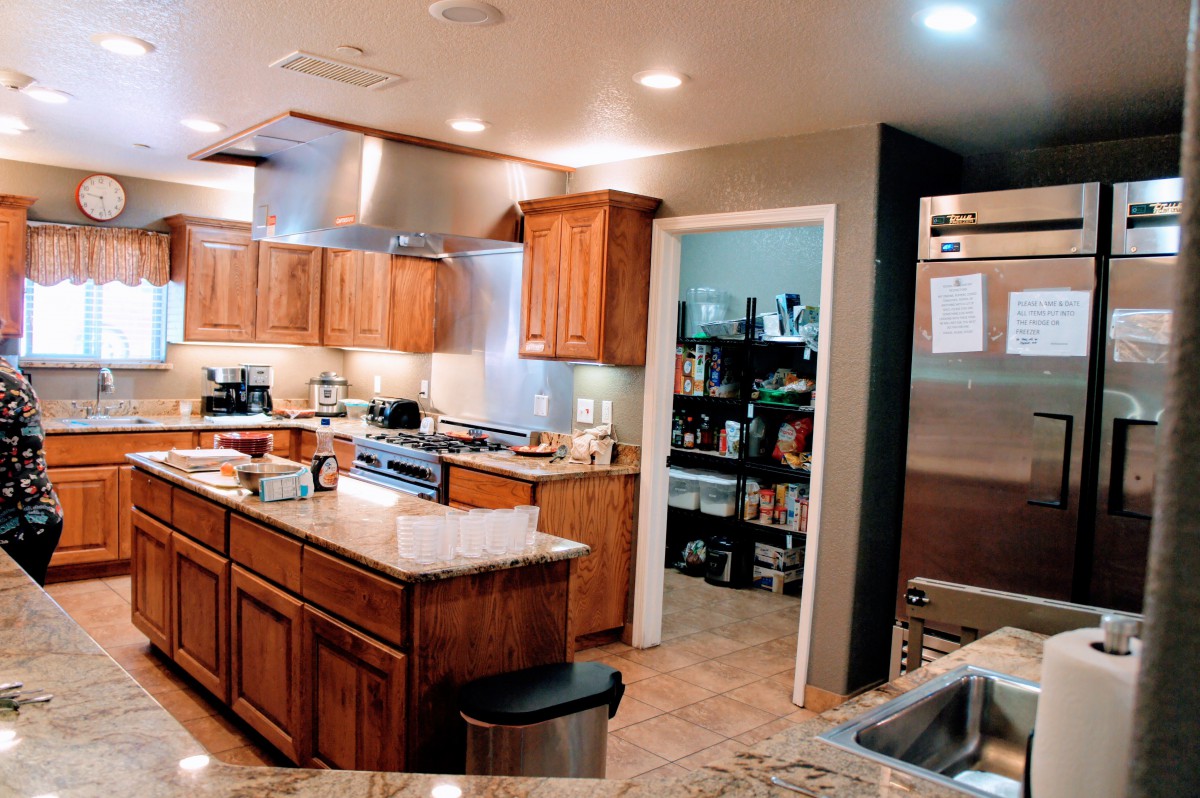
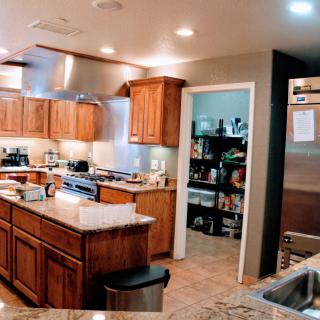
- The oven had not worked for some time, causing meals to be undercooked.
- The pizza served was undercooked and burned due to the faulty oven.
Review
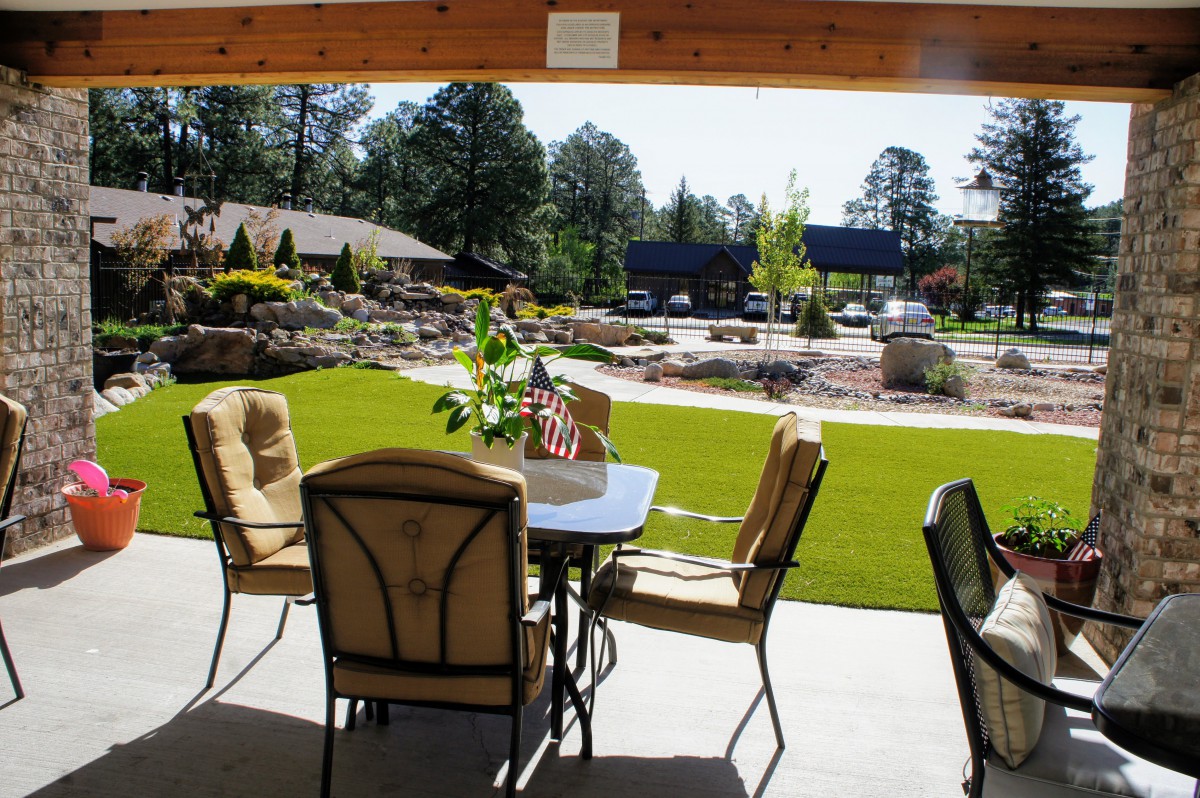
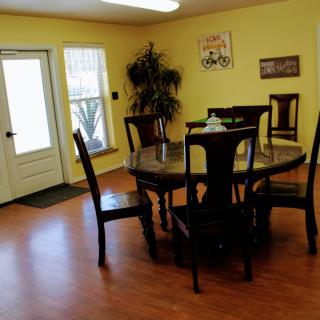
GoodLife Senior Living in Ruidoso is best suited for families seeking a memory-care oriented option in a quiet, small-town setting where personal attentiveness matters more than splashy amenities. The community tends to work well for residents whose families prize a warm, home-like environment, reliable cleanliness, and steady communication with staff. Reviewers repeatedly highlight compassionate care, patient handling of memory-care needs, and a facility that feels more like home than a sterile nursing setting. For memory-care decisions in this town, GoodLife delivers a practical, approachable option with a clear emphasis on daily human interaction and consistent care.
Those who should consider alternatives would include families facing loved ones with more challenging behaviors that demand aggressive management strategies beyond the program’s capacity. One reviewer described a situation where staff could not care for a loved one due to behavior issues and asked the family to pick up unexpectedly, a red flag for risk management. Staffing volatility also emerges as a concern in several remarks, suggesting that coverage gaps can arise. Additionally, for families seeking robust activity programming, extensive dining variety, or highly structured daily schedules, other communities, especially in larger markets, may offer a closer fit.
On the plus side, the strongest pros center on front-line care: attentive, compassionate staff, open communication, and a consistently clean, homelike environment. Multiple reviewers note that staff engage well with memory-care needs and that care teams can be responsive and supportive when present. The ambiance matters too: the environment avoids a clinical vibe and supports calmer daily living, which matters greatly to residents coping with memory challenges. For families, these qualitative assurances translate into ongoing peace of mind about daily supervision, safety, and the feeling that a loved one is seen as a person, not a chart number.
However, the cons carry real weight and can erode reliability when not managed. Staffing fluctuations can interrupt the level of attention a memory-care resident requires, and gaps in coverage tend to diminish engagement, supervision, and timely response. Activities and purposeful engagement appear uneven, leaving some residents under-stimulated on certain days. Dining is another risk area; a documented kitchen malfunction and a rigid reliance on a written menu point to operational fragility that can affect meals and overall satisfaction. A stark reminder remains that for residents with behavioral challenges, care plans may not be robust enough, and exceptions, such as early discharge, do occur, signaling a potential safety and continuity risk.
That mix yields a practical verdict: the goodwill of present staff, the cleanliness, and the home-like atmosphere often offset day-to-day concerns when staffing is solid and routines are consistent. In a best-case scenario, strong communication and compassionate caregiving can buffer sporadic activity gaps and minor kitchen hiccups, preserving a solid baseline of daily comfort. The facility’s memory-care orientation appears credible, and when the team aligns, families can trust that daily routines and supervision are in place. The real question is whether staffing stability and enhancements in activity programming can be sustained over time; without that, the risk of negative experiences rises.
Decision guidance is clear. GoodLife deserves consideration for families prioritizing warmth, clear communication, and a home-like feel in memory care. It becomes a stronger fit for residents who benefit most from steady, attentive caregiving and a relatively low-stimulus setting. Those whose loved ones require aggressive behavior management, richer daily programming, or rock-solid kitchen reliability should actively compare with other local options or even broader markets. Before deciding, request a current staffing snapshot, ask for a detailed memory-care plan, review available engagement offerings, and tour during a peak shift to see whether atmosphere and operations align with needs. In short: conduct thorough on-site checks, verify crisis-handling policies, and weigh the trade-off between compassionate care and potential operational brittleness.
 Assisted Living
 Memory Care
 Cats allowed
 Dogs allowed
 Activities on-site
 Air-conditioning
 Beautician on-site
 Cable or satellite TV
 Devotional services off-site
 Ground floor units
 Handicap accessible
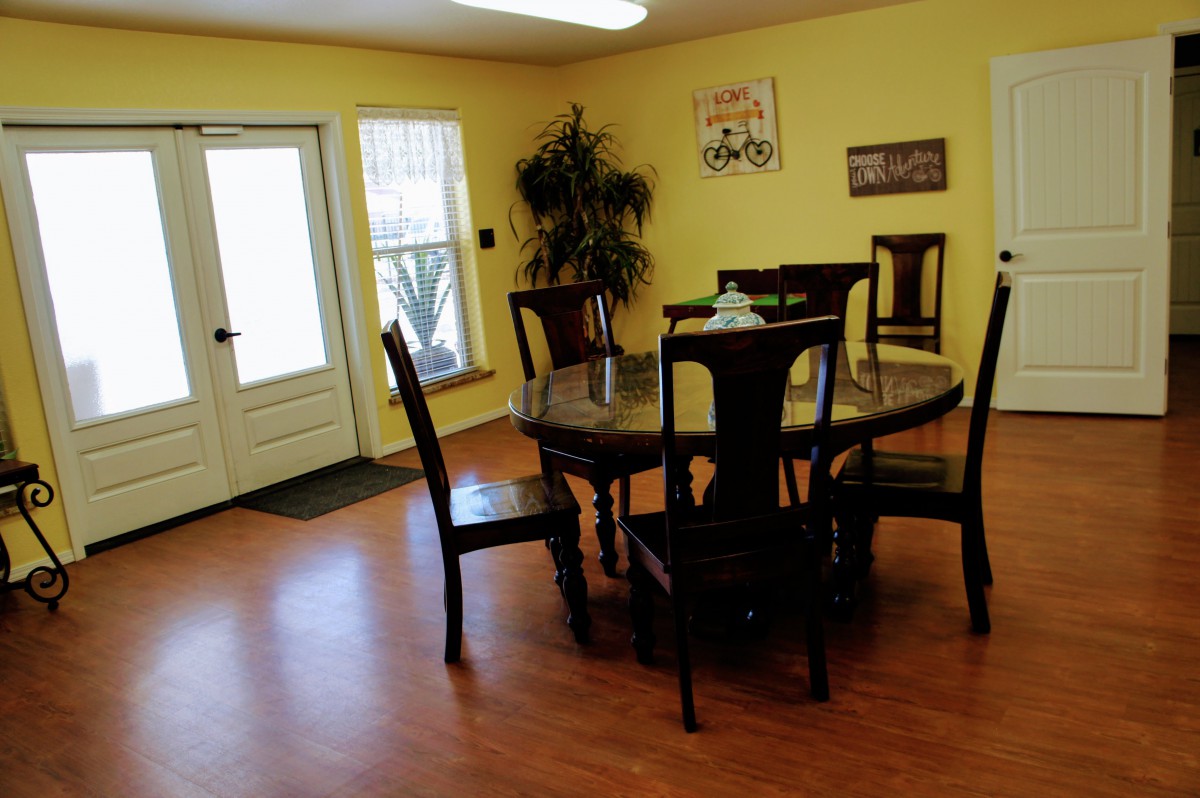
 Indoor common areas
 Outdoor common areas
 Respite or short term stays offered
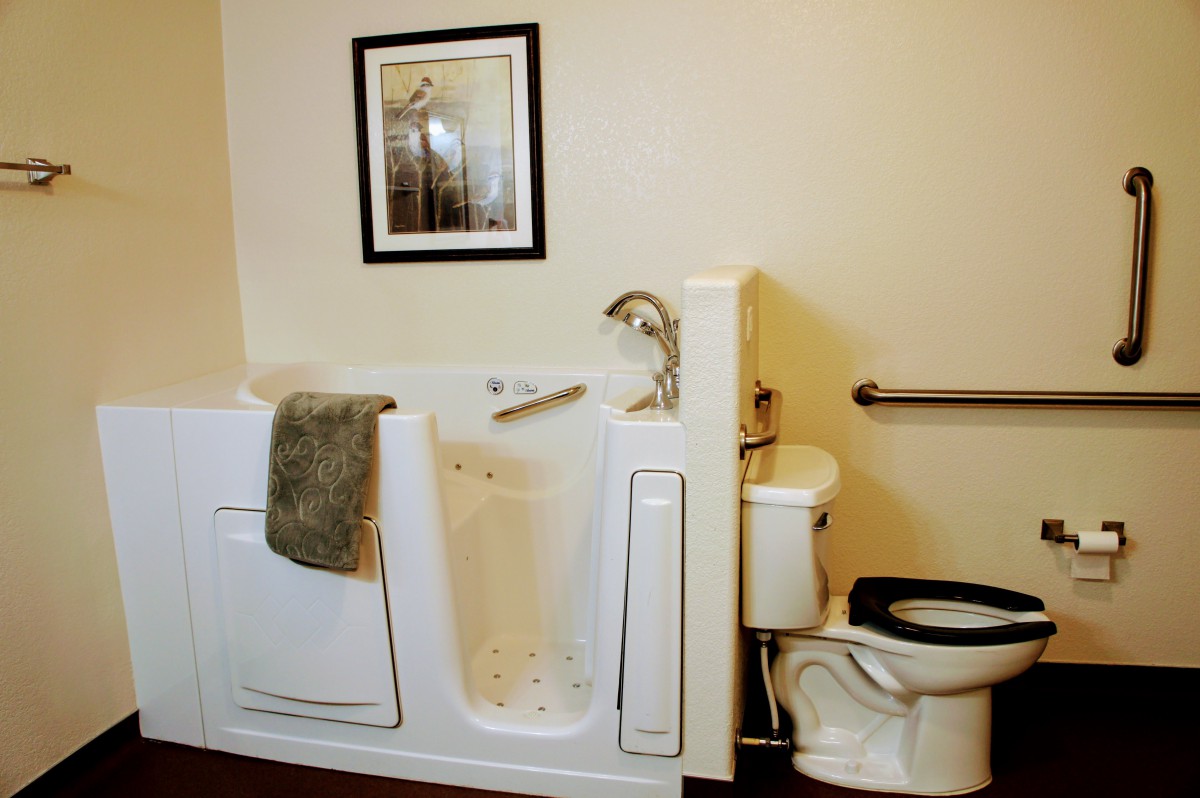
 Wheelchair accessible showers
 Wi-Fi/high-speed internet available
 Ambulatory care
 Diabetic care
 Incontinence care
 Medication management
 Low / no sodium
 Art classes
 Book club
 Cooking classes
 Gardening club
 Live dance or theater performances
 Live musical performances
 Stretching classes
 Visiting chaplain or priest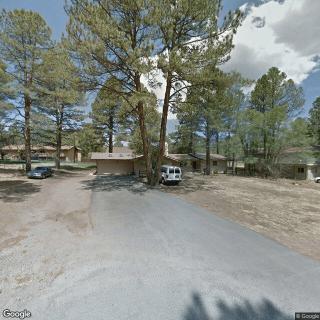




 Comprehensive Insights on the Late Stages of Dementia: What to Expect and How to Provide Care
 Medications Associated with Dementia Risk: A Comprehensive Overview
 Guiding Your Journey: Understanding Power of Attorney for Elderly Parents