For more information about senior living options: (866) 208-4318
4.6 from 118 reviews
5 stars
98
4 stars
8
3 stars
2
2 stars
2
1 stars
8
Overall Review of Milford Manor
caveat3 reviews mention this
Cleanliness is uneven
Some residents and families report the facility can feel dirty and smelly.
A few reviews describe the building as filthy and having odors, with commenters mentioning dirty rooms and conditions that did not meet expectations. These criticisms stand out against other remarks that describe the facility as clean, but the negative accounts are strong and specific. If cleanliness is a top concern for your family member, it may be worth asking how housekeeping and cleaning schedules are handled during stays.
caveat3 reviews mention this
Call response can be slow
Residents and families disagree on how quickly staff responds to calls.
Some reviews say call buttons are answered quickly, including an early-stay comment about prompt responses. Other reviews, particularly those describing overnight or urgent needs, report long waits for help or no one answering calls during the night. This matters most for residents who may need frequent assistance after hours, when timely response is critical.
common5 reviews mention this
Dining quality gets mixed feedback
Dining quality ranges from appetizing to disappointing.
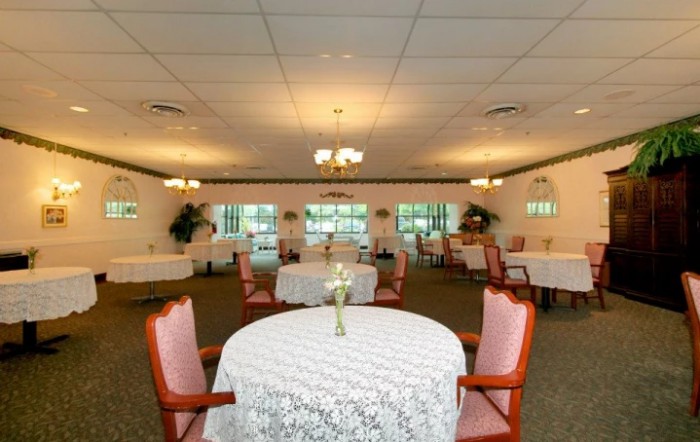
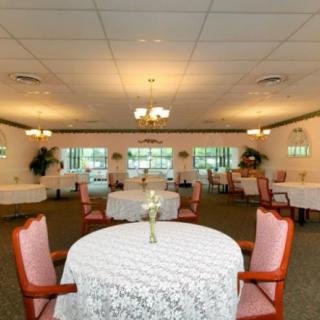
A few reviewers praise the food, including comments calling it appetizing and noting the dining room as clean and inviting. At the same time, multiple residents and families report meals that are sub par or not matching what is served. One review also flags diabetic dietary needs as not available, which may be important for families comparing special-diet support before moving in.
common5 reviews mention this
Activities add daily structure
Residents describe a variety of activities, from games to music.
Several reviews mention structured group time like bingo and planned entertainment, including music and visiting performers. Others describe social activities such as playing word games in common areas. A review that also mentions a library and an activities room suggests there are spaces intended for day-to-day engagement, though experiences can vary by resident and staffing levels.
How we summarize
Counts show how many written reviews mention each theme; a review can touch several themes, and only frequently mentioned themes are displayed.
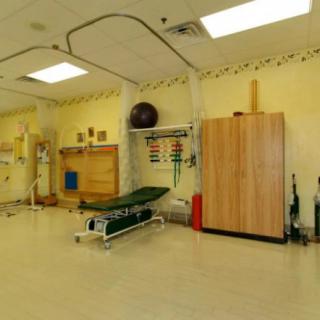
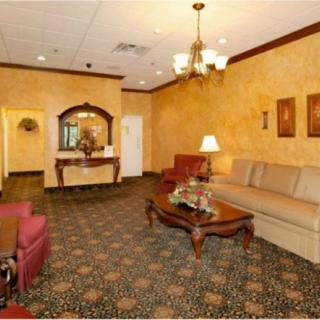
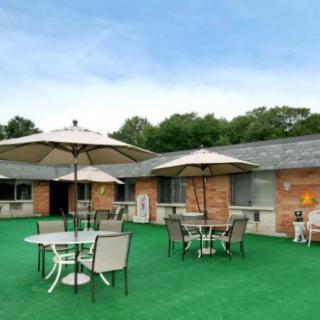
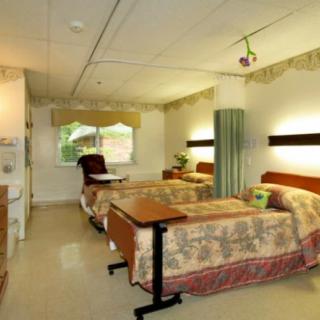
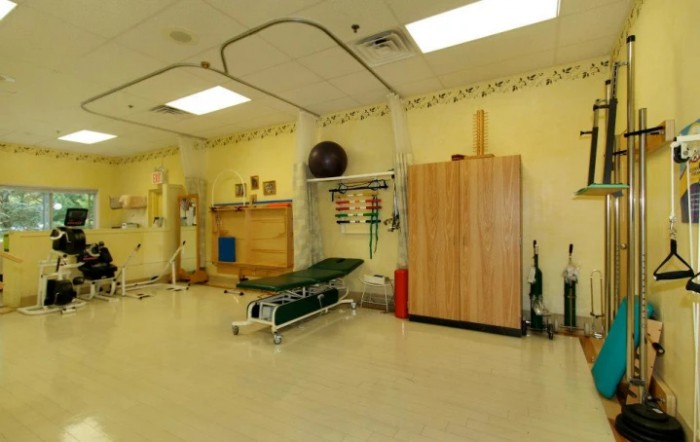
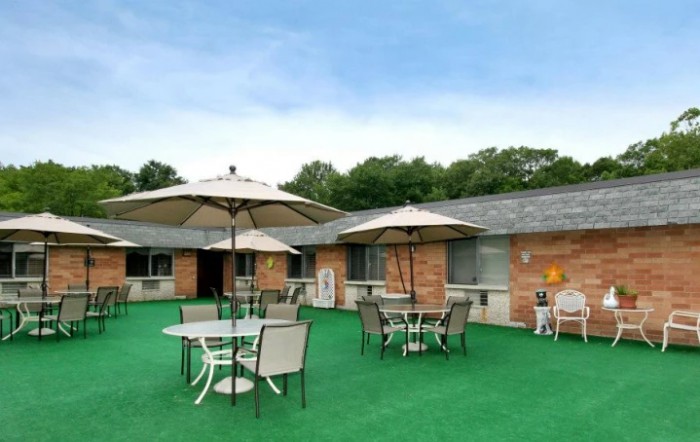
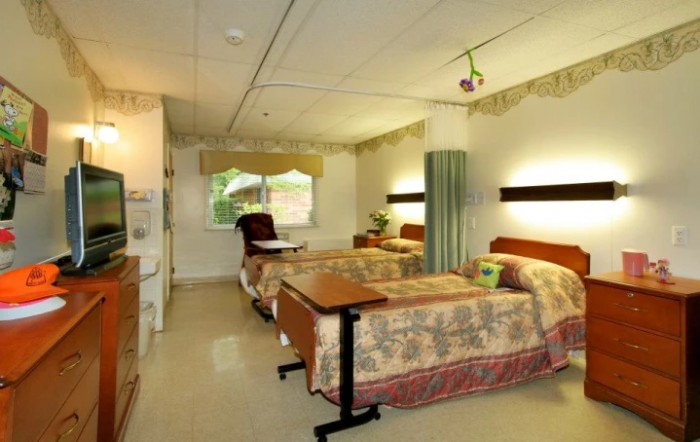
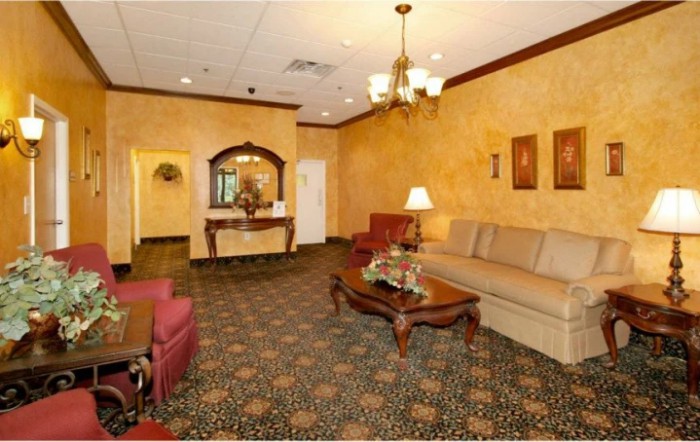
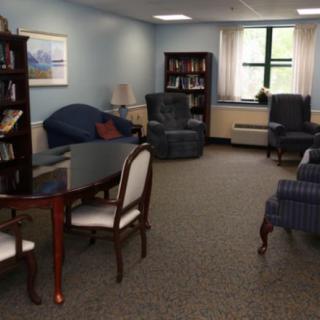
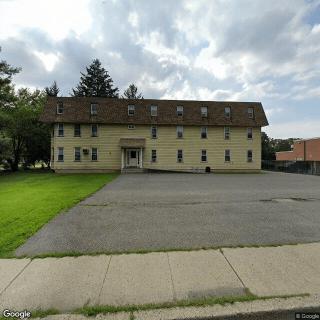
Milford Manor on seniors.fyi includes 5 photos including images showing interior, decor, healthcare, living room, chandelier, wall art, physical therapy, rehabilitation, and more.
Nearby Communities
The Chelsea At Bald Eagle
West Milford, NJ
4.5 from 64 reviews
$2,945 to $5,040 / month
Warm, engaging community with compassionate staff, clean facilities, and flexible independent/assisted living options.
Bald Eagle Commons
West Milford, NJ
4.3 from 23 reviews
Meal service and medication management with Wi-Fi and nearby pharmacies/physicians.
Griswold Home Care - Passaic, Sussex, & Warren County, NJ
Bloomingdale, NJ
5 from 23 reviews
Convenient access to amenities and healthcare (cafes, park, pharmacies, physician, restaurants, and hospital) in Bloomingdale, NJ.
Apple Blossom
Oak Ridge, NJ
Personalized care with dedicated staff in a serene, well-equipped setting.
Health Center At Bloomingdale
Bloomingdale, NJ
4 from 87 reviews
Friendly staff and comprehensive on-site amenities.
Mar-Del Manor
Haskell, NJ
3.2 from 12 reviews
$1,700 to $2,200 / month
Affordable pricing relative to Passaic County and state averages, with personalized care options (diabetic and incontinence care) and on-site activities.
Wanaque Reserve
Wanaque, NJ
5 from 6 reviews
Small, intimate assisted living with on-site meals (including dietary accommodations) and medication management.
Cedar Crest
Pompton Plains, NJ
3.8 from 100 reviews
Clean, well-maintained facility with friendly staff and a strong sense of community, plus extensive on-site amenities.
Pequannock Senior Citizen Hsng
Pequannock, NJ
5 from 1 review
$9,380 / month
Peaceful, supportive independent living with extensive nearby amenities and healthcare access.
Hospice care focuses on providing comfort and support for individuals nearing the end of life, with Medicare Part A covering services like nursing care and counseling for patients with a terminal illness and a life expectancy of six months or less. While most hospice services are low-cost for eligible patients, families should be aware that certain expenses, such as room and board, may not be covered.
Caregiver burnout is a common issue resulting from the intense physical, emotional, and mental demands of caregiving, leading to symptoms like fatigue and social withdrawal. To prevent burnout, caregivers should recognize early warning signs and implement self-care strategies, seek support, and prioritize their own well-being alongside that of those they care for.
Caregiver exhaustion, or burnout, stems from the relentless demands of caregiving, leading to emotional and physical depletion characterized by stress, frustration, and neglect of personal needs. Addressing this burden is essential to prevent long-term consequences, with early recognition and support being crucial for caregivers to maintain balance and implement self-care.
Outdoor, Umbrellas, Brick Building, and Patio Furniture
Exercise Equipment, Rehabilitation, and Physical Therapy
Healthcare
Get PricingAsk A QuestionSchedule A TourContact Senior Advisor
By clicking submit, you agree to our Partner's Terms of Use. You
also consent to receive calls and texts, which may be autodialed, from our Partner. Your consent is not a condition to
using our Partner's service. Please visit our Partner's Privacy Policy for information about their privacy practices.

 120 resident community capacity
 Skilled Nursing Facility
 Air-conditioning
 Beauty salon
 Cable or satellite TV
 Computer center
 Dining room
 Fitness room
 Fully furnished
 Gaming room
 Garden
 Housekeeping services
 Kitchenette
 Move-in coordination
 Outdoor space
 Private
 Private bathrooms
 Restaurant-style dining
 Small library
 Telephone
 Wellness center
 Wi-Fi/high-speed internet available
 Community operated transportation
 12-16 hour nursing
 24-hour call system
 Activities of daily living assistance
 Assistance with bathing
 Assistance with dressing
 Assistance with transfers
 Diabetes diet
 Medication management
 Mental wellness program
 Special dietary restrictions
 Concierge services
 Planned day trips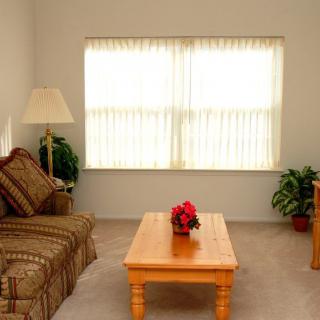
 Warm, engaging community with compassionate staff, clean facilities, and flexible independent/assisted living options.
 Comprehensive Guide to Medicare Coverage for Hospice Care
 Caring for Those Who Care: Recognizing, Understanding, and Overcoming Caregiver Burnout
 Caregiver Exhaustion: Recognizing the Signs and Restoring Your Well-Being