ProMedica Skilled Nursing and Rehabilitation (Voorhees East) in Voorhees, NJ

Save

ProMedica Skilled Nursing and Rehabilitation (Voorhees East) in Voorhees, NJ

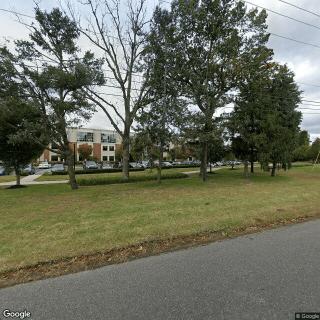
113 South Route 73, Voorhees, NJ 08043

For more information about senior living options: (844) 490-3973

1.8 from 32 reviews
5 stars
5
4 stars
1
3 stars
0
2 stars
1
1 stars
25

Skilled Nursing Facility

What level of care are you interested in?

Assisted Living

Memory Care

Independent Living

Skilled Nursing Facility

Continuing Care Retirement Community (CCRC)CCRC

Other


Request a tour at ProMedica Skilled Nursing and Rehabilitation (Voorhees East)

    Overall Review of ProMedica Skilled Nursing and Rehabilitation (Voorhees East)

    Pros

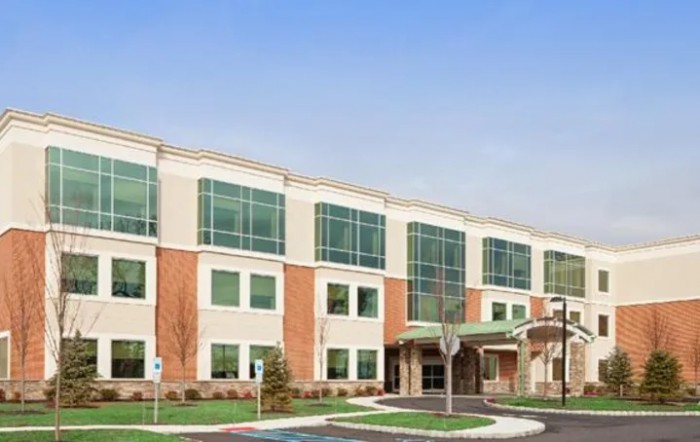
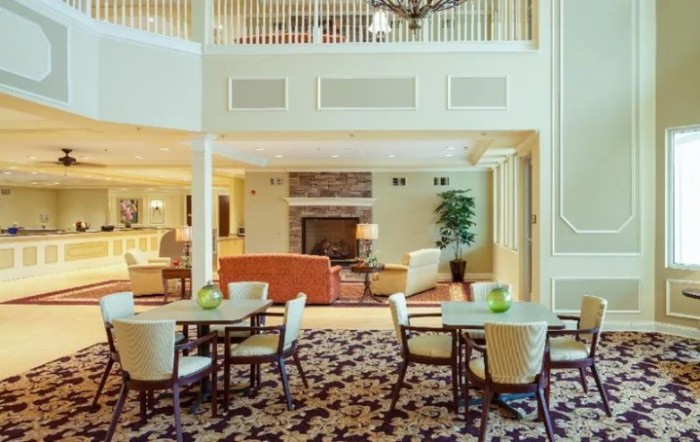
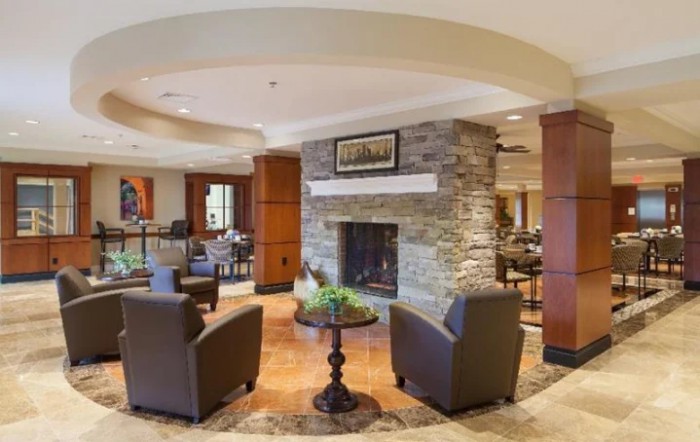
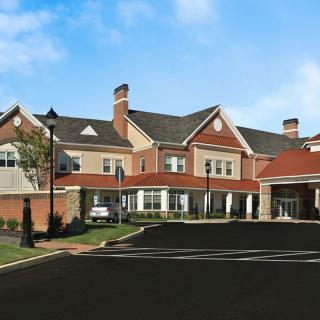
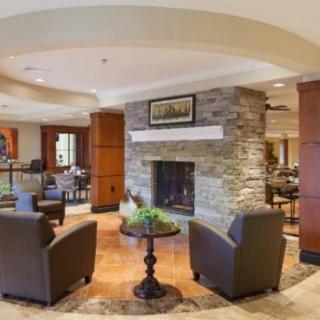
    • pro The facility is described as luxurious and hotel-like, with private rooms and a comfortable atmosphere.
    • pro The medical staff, including PT, OT, and speech therapy, are described as excellent.
    • pro The PT, OT, and speech therapy teams tailor personalized treatment plans, and Jamie the speech therapist is singled out for going above and beyond.
    • pro The nursing staff are attentive, and families report outstanding care from nurses, therapists, and aides.
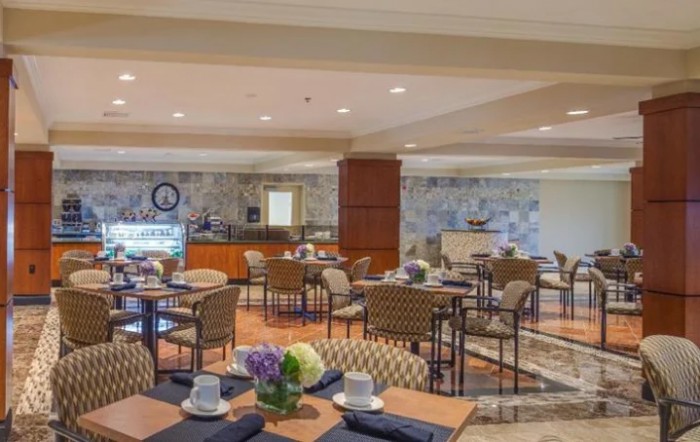
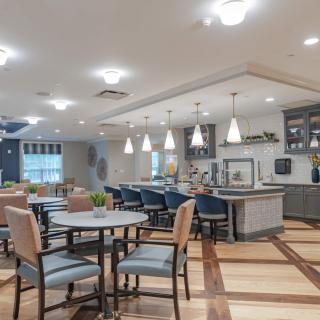
    • pro The dining options are a positive feature, with an in-house restaurant/bistro and a comfortable dining room.
    • pro When concerns arise, staff address them promptly, demonstrating responsiveness.

    Cons

    • pro The facility's nursing staff was horrendous.
    • pro Medications were signed out but never given to the patient.
    • pro The patient had to wait two days for a shower because showers were only available once a week.
    • pro CNAs were hard to find, available only at the beginning and end of shifts.
    • pro A nurse watched another patient enter a relative's room and attempt to lure a visitor, with no intervention.
    • pro OT and PT were basically on a first-come, first-served basis.
    • pro The place looked like a luxurious hotel but delivered service far worse than any hotel.
    • pro After the rename to Autumn Lakes, the facility became totally horrible: awful food, short staffing, uncaring employees, no blankets, and patients left in wet beds for hours.
    • pro The medical staff, including doctors, were terrible; medications were delayed and wound care was insufficient.
    • pro They would not recommend Powerback Voorhees; it was horrendous and not suitable for loved ones.

    Review

    This Voorhees East community is best suited for families drawn to a polished, hotel-like environment who prioritize therapy-driven rehabilitation and are prepared to act as vigilant advocates for ongoing care. The facility often presents with single, upscale rooms and a bright, modern interior; for families seeking a showpiece setting, the look can be compelling. However, the decoration and private rooms do not compensate for fundamental care issues that recur in reviews: staffing gaps, variable nursing responsiveness, and inconsistent medical oversight. In short, this is a setting where appearance can mislead - and where active family involvement becomes essential.

    Alternatives should be strongly considered for families whose loved one depends on reliable nursing, timely medication administration, and consistent medical communication. The most serious red flags in the feedback relate to chronic understaffing, delayed call-response times, and medication delays or lapses. Several reviews describe nurses and aides who are hard to reach, slow to respond to call bells, or unavailable during critical moments. For residents who require close medical monitoring, wound care, or complex discharge planning, these patterns translate into real safety and continuity-of-care concerns. If dependable day-to-day nursing is non-negotiable, look farther afield.

    Yet the positives cannot be ignored: therapy remains a notable strength here. PT, OT, and speech therapy are frequently singled out as capable and consistent when present, with some families praising individualized, goal-driven plans and dedicated therapists. In other words, the rehabilitative component can be genuinely effective for patients who can secure regular sessions and whose families stay engaged with the therapy team. The downside is that even good therapy does not render up for lapses in nursing, medication management, or daily hygiene. When therapy exists but is restricted by staffing, the overall value proposition struggles to land.

    The most troubling portion of the feedback centers on safety, communication, and basic care delivery. Numerous stories describe dehydration, missed meals or incorrect dietary management, soiled rooms or bathrooms left unclean, and incidents of patients not being showered or assisted in meaningful ways. Several accounts highlight a disconnect between what the family expects to be happening and what staff actually communicates - discharge dates, progress in PT/OT, and follow-up appointments are frequently documented as unclear or missing. Wound care, ostomy management, and infection control surface as recurring problem areas, with direct consequences for patient outcomes and hospital readmissions. In short, the gaps are not minor - they are systemic enough to undermine trust.

    For families evaluating options, come prepared with a rigorous, item-by-item checklist. Schedule visits with the Director of Nursing and the Medical Director to review staffing patterns, on-floor ratios, and the process for urgent med administration. Ask for a fixed point of contact for daily progress notes and a defined plan for discharge or transfer if goals stall. Request a tour of the therapy gym and a sample day-to-day schedule to verify that therapy sessions align with the resident's stated needs. Check state inspection histories and recent deficiency notices, and talk to multiple families currently or recently in residence to gauge consistency over time. If a facility can demonstrate solid nursing coverage, transparent communication, and reliable medication handling, the disadvantages here may begin to balance out - but that is by no means guaranteed.

    Ultimately, the balance of evidence leans toward caution. The aesthetic appeal and therapy strength offer appeal, but repeated reports of understaffing, delayed care, and poor medical oversight pull the risk level high for long-term rehabilitation or complex medical needs. For families with challenging care requirements or limited ability to supervise daily care, this community is not an ideal match. If exploration continues, enter with concrete expectations, a clear escalation plan, and a commitment to daily family involvement to prevent the kinds of failures described in the reviews. The safest course is to prioritize facilities with proven nursing stability, consistent medication administration, and transparent, timely communication.

    Features

    Housing

    • 21 resident community capacity 21 resident community capacity

    Types of Care

    • Skilled Nursing Facility Skilled Nursing FacilitySkilled Nursing Facilities are crucial for seniors as they provide round-the-clock medical care, rehabilitation services, and assistance with daily activities. These facilities ensure that seniors receive the specialized care they need to maintain their health and well-being as they age.

    Amenities

    • Beauty salon Beauty salonBeauty salons are important for seniors because they provide a space for them to feel pampered, socialize, and maintain their personal grooming and hygiene. Regular visits to a beauty salon can help boost seniors' self-esteem and overall well-being.
    • Cable or satellite TV Cable or satellite TVCable or satellite TV is important for seniors because it provides entertainment, news, and companionship, helping to combat loneliness and boredom. It also offers a wide range of programming options tailored to different interests and preferences.
    • Dining room Dining roomDining rooms are important for seniors as they provide a space for socialization, connection, and nutritious meals. They offer opportunities for residents to bond over shared meals, foster a sense of community, and promote healthy eating habits. Dining rooms also ensure that seniors have access to well-balanced meals tailored to their dietary needs and preferences.
    • Fully furnished Fully furnishedFully furnished senior living communities are important for seniors because they provide convenience, comfort, and a hassle-free moving experience. Seniors can easily settle into their new living space without the stress of having to buy and move furniture. This allows them to focus on enjoying their new home and community.
    • Garden GardenGardens are important for seniors as they provide a peaceful and therapeutic environment for relaxation, physical activity, and socialization. Being in nature has been shown to reduce stress, improve mood, and promote overall well-being. Gardens also offer opportunities for seniors to engage in gardening activities, which can improve mobility, flexibility, and cognitive function. Additionally, gardens create a sense of community and connection with others who share a passion for plants and outdoor spaces.
    • Housekeeping services Housekeeping servicesHousekeeping services are important for seniors because they help maintain a clean and safe living environment, promote independence, and reduce the risk of accidents or illnesses. Additionally, having assistance with household chores can alleviate physical strain and allow seniors to focus on other aspects of their well-being.
    • Kitchenette KitchenetteKitchenettes are important for seniors living in senior living communities because they provide the convenience and independence of being able to prepare simple meals and snacks in the comfort of their own living space. This can help promote a sense of autonomy and well-being for seniors, allowing them to maintain some level of control over their dietary choices and daily routines.
    • Move-in coordination Move-in coordinationMove-in coordination is important for seniors because it helps ease the transition into their new living environment. It ensures that all logistics, such as packing, organizing movers, and setting up utilities are taken care of, allowing seniors to focus on settling in and adjusting to their new home. Having a smooth move-in process can alleviate stress and anxiety, making the transition smoother and more enjoyable for seniors.
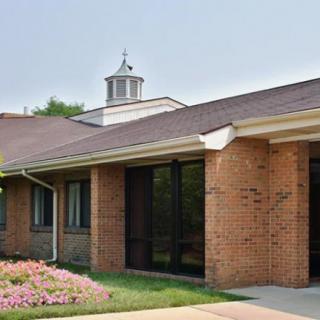
    • Outdoor space Outdoor spaceOutdoor spaces are important for seniors as they provide opportunities for physical activity, social interaction, exposure to natural light and fresh air, and a sense of connection to nature. Having access to outdoor spaces can improve overall well-being and quality of life for older adults living in senior communities.
    • Telephone TelephoneTelephones are important for seniors as they provide a lifeline for communication with loved ones, emergency services, and healthcare providers. They offer a sense of security and independence, enabling seniors to stay connected and access assistance when needed.
    • Wi-Fi/high-speed internet available Wi-Fi/high-speed internet availableWi-Fi/high-speed internet is important for seniors to stay connected with loved ones, access online resources, and participate in virtual activities to combat feelings of loneliness and isolation. It also allows them to easily manage healthcare needs, access entertainment, and engage in lifelong learning opportunities.

    Transportation

    • Philadelphia International (17 miles away) Philadelphia International (17 miles away)

    Care Services

    • 24-hour call system 24-hour call system24-hour call systems are important for seniors because they provide peace of mind and immediate assistance in case of emergencies. This technology ensures that help is always available, promoting safety and security for elderly individuals living alone or in assisted living facilities.
    • 24-hour supervision 24-hour supervision24-hour supervision is important for seniors to ensure their safety, well-being, and access to immediate assistance in case of emergencies or health issues. This constant support provides peace of mind for both seniors and their loved ones, allowing them to age in place with dignity and security.
    • Activities of daily living assistance Activities of daily living assistanceActivities of daily living assistance are important for seniors because they provide essential support with tasks such as eating, bathing, dressing, and mobility. This assistance helps seniors maintain their independence, dignity, and overall quality of life as they age.
    • Assistance with bathing Assistance with bathingAssistance with bathing is crucial for seniors as it helps maintain personal hygiene, prevents infections, and ensures their overall well-being and comfort. It also provides a sense of dignity and independence for seniors who may struggle with this task on their own.
    • Assistance with dressing Assistance with dressingAssistance with dressing is important for seniors because it helps maintain their independence, promotes personal hygiene, prevents accidents and injuries, and improves overall quality of life. This service ensures that seniors can continue to dress comfortably and confidently, despite any physical limitations they may have.
    • Assistance with transfers Assistance with transfersAssistance with transfers is crucial for seniors as it helps prevent falls and injuries, maintains their independence, and ensures they can safely navigate their living environment. It also provides peace of mind for both seniors and their loved ones.
    • Coordination with health care providers Coordination with health care providersCoordination with health care providers is crucial for seniors to ensure proper medical care, medication management, and overall well-being. This collaboration helps prevent overlapping treatments, track progress more effectively, and provide comprehensive support tailored to individual needs.
    • Diabetes diet Diabetes dietA diabetes diet is crucial for seniors as it helps manage blood sugar levels, reduce risks of complications, and improve overall health and well-being. By following a balanced and nutritious diet tailored to their specific needs, seniors can better control their diabetes and enhance their quality of life.
    • Meal preparation and service Meal preparation and serviceMeal preparation and service are crucial for seniors as they may have limited mobility or energy to cook nutritious meals. Having access to healthy and convenient food options can ensure they are getting the proper nutrition needed to maintain their overall health and well-being.
    • Medication management Medication managementMedication management is crucial for seniors to ensure they are taking the right medications at the correct dosages and times. This helps prevent adverse drug interactions, reduces the risk of medication errors, and promotes overall health and well-being. Proactive management also allows for adjustments as needed based on changing health conditions or new prescriptions.
    • Mental wellness program Mental wellness programMental wellness programs are essential for seniors as they promote cognitive stimulation, emotional support, and social engagement. These programs help prevent isolation, depression, and cognitive decline, ultimately enhancing the overall quality of life for older adults.
    • Special dietary restrictions Special dietary restrictionsSpecial dietary restrictions are important for seniors because age-related changes in metabolism and health conditions can make it difficult for their bodies to process certain foods. By following a diet tailored to their specific needs, seniors can maintain their overall health and well-being, manage chronic conditions, and reduce the risk of complications such as malnutrition or food interactions with medications.
    • Transportation arrangement (medical) Transportation arrangement (medical)Transportation arrangements for medical purposes are essential for seniors as they may have difficulty driving themselves to appointments or accessing public transportation. Having reliable and safe transportation options ensures that seniors can receive timely medical care and maintain their health and well-being.
    • Transportation to doctors appointments Transportation to doctors appointmentsTransportation to doctors' appointments is crucial for seniors as it ensures they have access to necessary medical care and support for their health needs. Without reliable transportation, seniors may struggle to attend important appointments, leading to potential delays in treatment and health complications. Providing transportation services helps seniors maintain their overall well-being and quality of life.
    Dining

    • Diabetes diet Diabetes dietA diabetes diet is crucial for seniors as it helps manage blood sugar levels, reduce risks of complications, and improve overall health and well-being. By following a balanced and nutritious diet tailored to their specific needs, seniors can better control their diabetes and enhance their quality of life.
    • Special dietary restrictions Special dietary restrictionsSpecial dietary restrictions are important for seniors because age-related changes in metabolism and health conditions can make it difficult for their bodies to process certain foods. By following a diet tailored to their specific needs, seniors can maintain their overall health and well-being, manage chronic conditions, and reduce the risk of complications such as malnutrition or food interactions with medications.

    Activities

    • Community-sponsored activities Community-sponsored activitiesCommunity-sponsored activities are important for seniors as they provide opportunities for social interaction, mental stimulation, and physical activity. These activities can help improve overall well-being, combat loneliness and isolation, and promote a sense of belonging and purpose among older adults.
    • Scheduled daily activities Scheduled daily activitiesScheduled daily activities are important for seniors because they provide structure, socialization, mental stimulation, and physical activity. Engaging in regular activities can improve overall well-being and quality of life for seniors living in a community setting.

    Description

    ProMedica Skilled Nursing and Rehabilitation (Voorhees East) is an assisted living community located in Voorhees, NJ. Our community offers a wide range of amenities to ensure the comfort and well-being of our residents. Each room is fully furnished and equipped with cable or satellite TV, telephone, and Wi-Fi/high-speed internet access. Residents can enjoy delicious meals in our dining room, with special dietary restrictions catered to. Housekeeping services are provided to maintain a clean and organized living space.

    Our dedicated staff provides 24-hour supervision and assistance with daily activities such as bathing, dressing, and transfers. We also coordinate with health care providers to ensure comprehensive care for our residents. Medication management is available to ensure consistency and accuracy in medication intake. Our mental wellness program focuses on promoting emotional well-being among our residents.

    For added convenience, we offer move-in coordination services and transportation arrangements for medical appointments. Outdoor spaces such as gardens provide opportunities for relaxation and recreation.

    In terms of nearby amenities, there are multiple pharmacies, physicians, restaurants, and hospitals in close proximity to our community. This ensures easy access to essential services and healthcare facilities.

    At ProMedica Skilled Nursing and Rehabilitation (Voorhees East), we strive to create a comfortable and supportive environment where our residents can thrive while receiving the assistance they need.

    Nearby Places of Interest

    Pharmacies

    • Rite Aid (0.1 miles)
    • CVS Pharmacy (1.7 miles)
    • Rite Aid (2.1 miles)
    • CVS Pharmacy (2.4 miles)
    • CVS Pharmacy (2.6 miles)
    • Rite Aid (2.8 miles)
    • CVS Pharmacy (3.3 miles)

    Physicians

    • The Endo Center at Voorhees (0.4 miles)
    • Cooper Internal Medicine (2.4 miles)
    • Cooper Medical Building 1 (2.5 miles)
    • CHOP Specialty Care & Surgery Center (2.7 miles)
    • Advocare Marlton Pediatrics (3 miles)
    • Heymann Manders & Green (3.5 miles)
    • Rowan SOM Family Medicine Residency Program (4.2 miles)

    Hospitals

    • Virtua Voorhees Hospital (0.7 miles)
    • Virtua Berlin Hospital (3.5 miles)
    • Jefferson Stratford Hospital (4.3 miles)
    • Jefferson Cherry Hill Hospital (8.1 miles)

    Restaurants

    • McDonald's (1.6 miles)
    • Chick-Fil-A (1.7 miles)
    • Sundaes (1.9 miles)
    • Palace Diner Restaurant (2.1 miles)
    • China King (2.9 miles)
    • Redstone American Grill (3.3 miles)
    • Chick-Fil-A (3.3 miles)

    Transportation

    • PATCO/NJ Transit: Lindenwold Station (3.9 miles)
    • PATCO Westmont Station (8.1 miles)

    Parks

    • Country Farms Park (5.5 miles)

    Cafes

    • Starbucks (6.8 miles)
    • Panera Bread (7 miles)
    • Starbucks (7.1 miles)
    • Jersey Java & Tea (7.5 miles)
    • Starbucks (8.6 miles)

    Places of Worship

    • St Charles Boromeo Catholic Church (8.4 miles)

    Frequently Asked Questions

    Where is ProMedica Skilled Nursing and Rehabilitation (Voorhees East)?
    What photos are available for ProMedica Skilled Nursing and Rehabilitation (Voorhees East) in Voorhees, New Jersey?

    Nearby Communities

    • Powerback Rehabilitation

      Powerback Rehabilitation

      Voorhees Township, NJ

      4.5 from 108 reviews
       

      pro Brand-new facility with modern amenities and bistro-style dining.

    • Brandywine Senior Living at Voorhees

      Brandywine Senior Living at Voorhees

      Voorhees, NJ

      4.6 from 91 reviews
      $3,600 to $8,400 / month

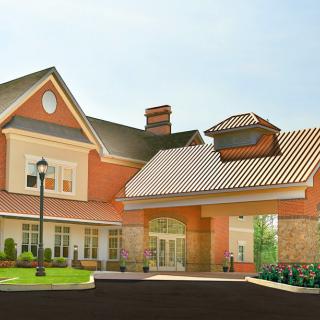
      pro Engaging, hotel-like community with attentive staff and extensive on-site amenities.

    • Montebello

      Montebello

      Berlin, NJ


      pro Small, personalized community with tailored meals and medication management.

    • Caremore In-Home Svc

      Caremore In-Home Svc

      Gibbsboro, NJ


      pro Strong nearby access to pharmacies, doctors, restaurants, and hospitals.

    • Brandywine Living At Voorhees

      Brandywine Living At Voorhees

      Voorhees, NJ


      pro Specialized memory care with 24/7 supervision and broad amenities.

    • Centennial Mill

      Centennial Mill

      Voorhees, NJ


      pro Small, personalized assisted living with comprehensive care and easy access to nearby pharmacies, physicians, restaurants, and hospitals.

    • Complete Care at Voorhees

      Complete Care at Voorhees

      Voorhees, NJ

      4.3 from 107 reviews
       

      pro Strong rehab team with engaging dementia activities.

    • Arbor Terrace Marlton

      Arbor Terrace Marlton

      Marlton, NJ

      4.8 from 51 reviews
      $6,850 / month

      pro Compassionate, attentive staff in a warm, modern setting with engaging activities and convenient transportation options.

    • The Weston Club

      The Weston Club

      Marlton, NJ

      4.7 from 12 reviews
      $1,900 to $2,050 / month

      pro Spacious independent living with on-site activities and attentive staff.

    Related Resources

    • caregiver burnoutCaring for Those Who Care: Recognizing, Understanding, and Overcoming Caregiver Burnout

      Caregiver burnout is a common issue resulting from the intense physical, emotional, and mental demands of caregiving, leading to symptoms like fatigue and social withdrawal. To prevent burnout, caregivers should recognize early warning signs and implement self-care strategies, seek support, and prioritize their own well-being alongside that of those they care for.

    • caregiver burnoutCaregiver Exhaustion: Recognizing the Signs and Restoring Your Well-Being

      Caregiver exhaustion, or burnout, stems from the relentless demands of caregiving, leading to emotional and physical depletion characterized by stress, frustration, and neglect of personal needs. Addressing this burden is essential to prevent long-term consequences, with early recognition and support being crucial for caregivers to maintain balance and implement self-care.

    • what is hospice care at homeUnderstanding Hospice Care at Home: Comprehensive Services, Key Benefits, and Eligibility

      Hospice care at home provides specialized end-of-life support that focuses on comfort and dignity for individuals with life-limiting illnesses, offering a range of services including medical management, emotional and spiritual support, and logistical assistance tailored to the family's needs. It involves collaboration to create individualized care plans and extends to bereavement support after a loved one's passing.


    Get Pricing Ask A Question Schedule A Tour Contact Senior Advisor