Powerback Rehabilitation in Voorhees Township, NJ
SaveInformation last verified:
113 Nj-73, Voorhees Township, NJ 08043
For more information about senior living options: (844) 490-3973
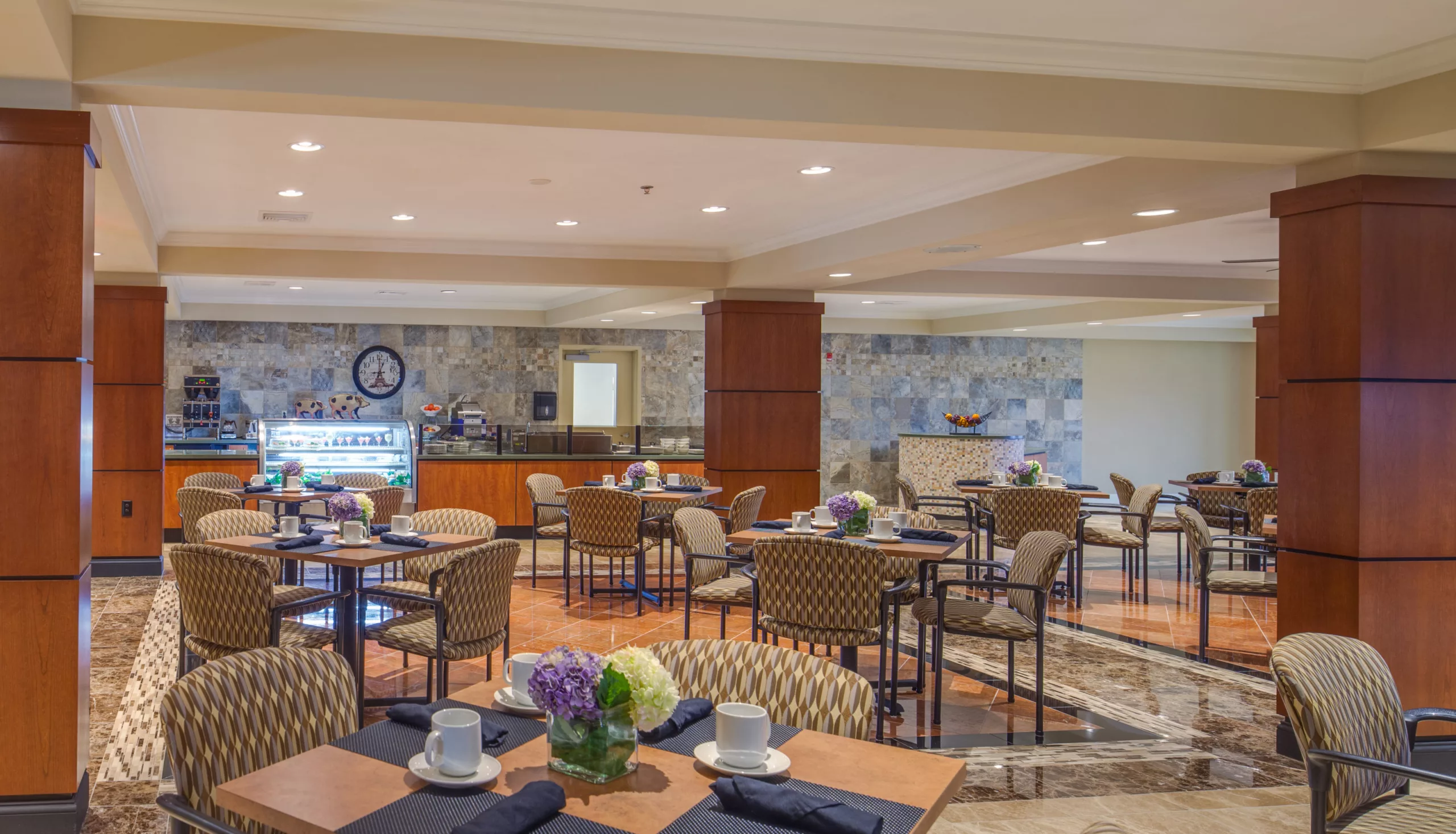
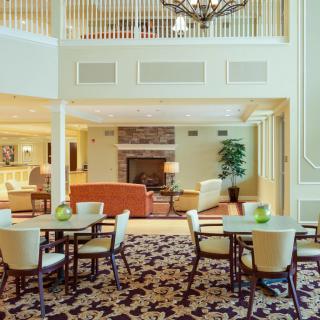
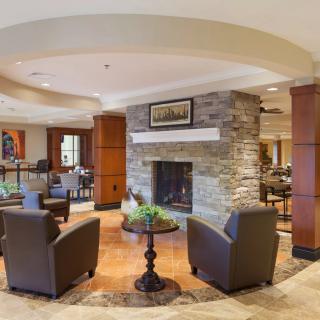
PowerBack Rehabilitation in Voorhees Township is best suited for families seeking a post-acute rehab environment with a hotel-like ambiance where aggressive therapy, private rooms, and a visible hospitality ethos are central to the experience. It works well for short-term recovery after surgery or illness when the priority is intensive physical, occupational, and speech therapy delivered in a polished setting with readily accessible staff. Families that value cleanliness, modern décor, and a structured routine backed by therapy teams that stay with the patient through a recovery arc will find this community compelling. The setting itself, private rooms, well-appointed common spaces, and patient-centered amenities, creates a recovery atmosphere that can reduce anxiety and support adherence to rehab plans. In short, this is a strong fit for those who prioritize high-quality rehab programming within a contemporary, comfortable environment.
That said, certain realities suggest alternatives may be worth considering. For families who demand consistently flawless medical coordination, unassailable medication safety, and very tight nurse-to-patient ratios, PowerBack may fall short on some days. Several reviews relayed concerns about medication timing and order accuracy, perceived staffing shortages, and long call-bell waits. Front-line interactions occasionally slipped into brusque tones, and some visitors noted sanitation lapses or odor in common areas. For loved ones whose care needs hinge on meticulous oversight, especially around acute medical issues or complex daily schedules, shopping other options with a more conservative staffing model and a longer track record of safety may be prudent. Those who cannot tolerate intermittent service gaps or a less predictable pace should scrutinize alternatives.
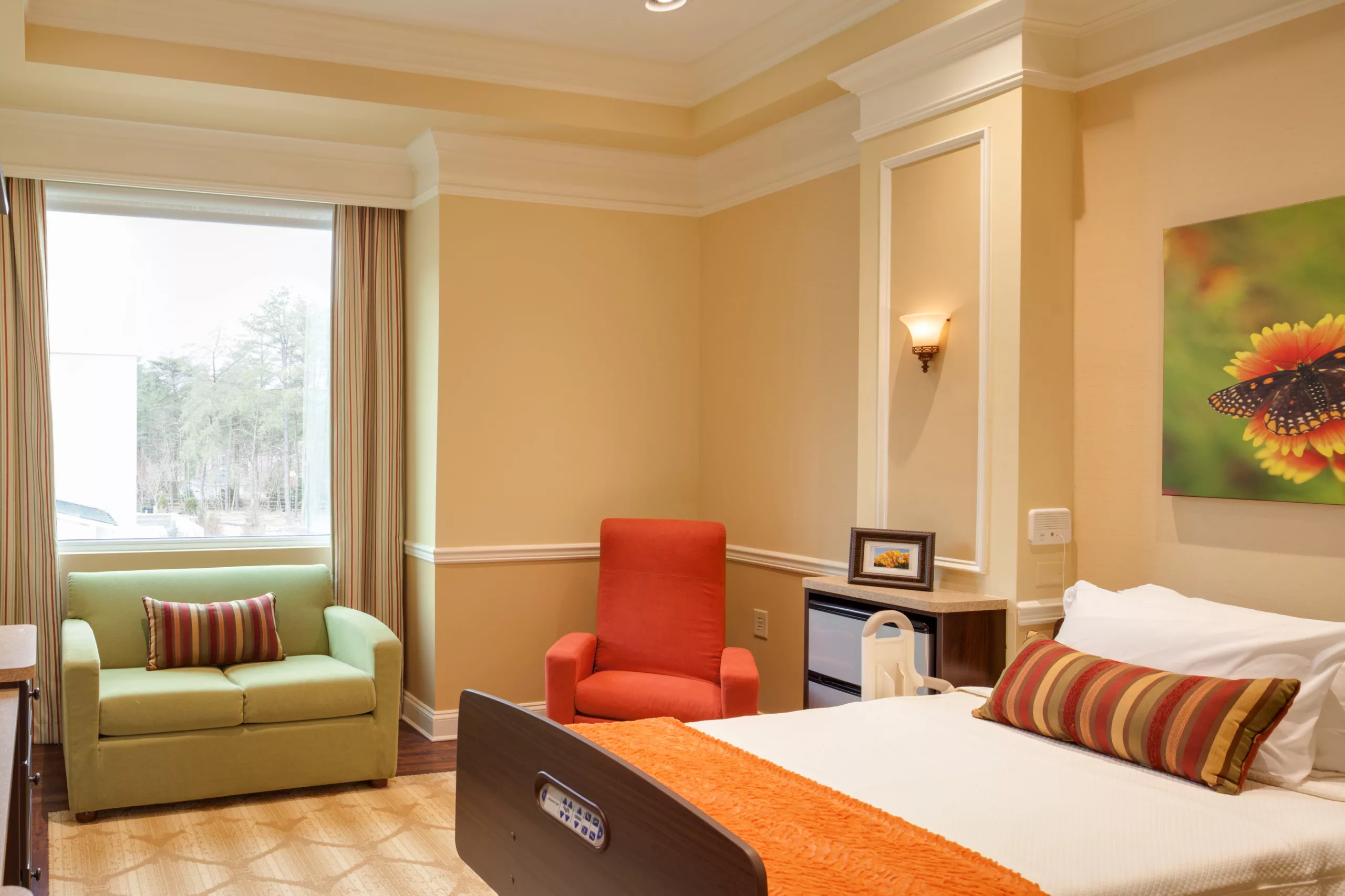
Nevertheless, the facility’s core strengths are hard to overlook. The care philosophy leans heavily into rehabilitation first: therapists are described as capable and dedicated, with PT/OT and speech therapies forming a coherent, goal-driven program. Private rooms are consistently highlighted as a major plus, offering space for family presence and privacy during recovery. The environment itself feels calm and clinic-like in the right ways, with thoughtful touches from hospitality-focused staff who help families feel supported during an often stressful transition. Reviewers repeatedly praise the cleanliness and the welcoming aura, elements that matter for comfort, adherence to therapy, and overall morale during recovery.
The strongest counterpoint comes from consistency and daily operations. Multiple voices flagged understaffing and related consequences: delayed assistance, longer-than-desired response times to call bells, and some reported lapses in basic care tasks. Food quality and meal timing were inconsistent in a few accounts, and in some cases families observed communication gaps between therapy teams, nursing staff, and family members. There are also pointed critiques about management responsiveness and the sense that some caregivers are stretched thin. While these concerns are not universal, they are persistent enough to influence risk assessment for families with particularly high needs or tight timelines.
Where the pros and cons intersect, several practical leverage points emerge. The combination of strong rehab programming and a modern, inviting setting can offset some operational rough edges when expectations are clear from the outset. Families should insist on a formal, written rehab plan with defined milestones, daily therapy hours, and a designated case manager who coordinates transitions in and out of care. It pays to tour with questions about staffing patterns, weekend therapy availability, and how med passes are scheduled and verified. A proactive family presence helps ensure care plans stay aligned with physician guidance and patient goals, and asking for regular progress updates can reduce ambiguity during the recovery journey.
In the final calculus, PowerBack Rehabilitation is a compelling choice for post-acute patients who prize a high-end rehab milieu, strong therapy teams, and a patient-friendly atmosphere. When care needs are well within the facility’s demonstrated strengths and a robust family liaison is in place, the environment can accelerate meaningful recovery. However, families with significant concerns about medication safety, weekend therapy continuity, or consistent nursing attention should weigh those risks carefully and consider facilities with more aggressive staffing models and tighter reputational controls. A candid preadmission conversation, focusing on med management, response times, and long-arc care continuity, will reveal how well PowerBack aligns with a loved one’s specific recovery trajectory. If the fit looks right, a detailed tour and a clear, negotiated care plan can turn the positives into durable outcomes.
Powerback Rehabilitation is an assisted living community located in Voorhees Township, NJ. Situated in a convenient location, the community offers easy access to various amenities and essential services. With 13 nearby pharmacies, residents can easily obtain their medications and other healthcare needs. Additionally, there are seven physicians nearby, ensuring that residents have easy access to medical care and regular check-ups.
For those who enjoy dining out or trying different cuisines, there are eight restaurants within close proximity to the community. Residents can savor delicious meals, socialize with friends and family, or simply enjoy a change of scenery. Transportation options are also readily available, making it effortless for residents to move around the town or visit nearby attractions.
Furthermore, the presence of three hospitals nearby provides peace of mind for both residents and their families. In case of emergencies or any medical needs that require immediate attention, residents can quickly seek treatment at these nearby hospitals.
Overall, Powerback Rehabilitation offers a well-rounded assisted living experience with its range of amenities and proximity to necessary services. The community strives to create a comfortable and supportive environment where residents can receive quality care while enjoying a convenient lifestyle.
This part of Voorhees Township, New Jersey, offers a variety of essential services and amenities within close proximity. With several pharmacies, physicians, and hospitals nearby, residents can easily access healthcare facilities as needed. Additionally, there are a range of dining options such as fast food chains like McDonald's and Chick-Fil-A, as well as sit-down restaurants like Redstone American Grill. For transportation, the Lindenwold PATCO/NJ Transit Station is just a short drive away for convenient travel to surrounding areas. The abundance of parks and cafes in the vicinity provide opportunities for leisurely activities and socializing with friends or family. Overall, this area presents a well-rounded community that may be suitable for those considering senior living options in the area.
Powerback Rehabilitation is located at 113 Nj-73, Voorhees Township, NJ 08043 in Camden County, New Jersey
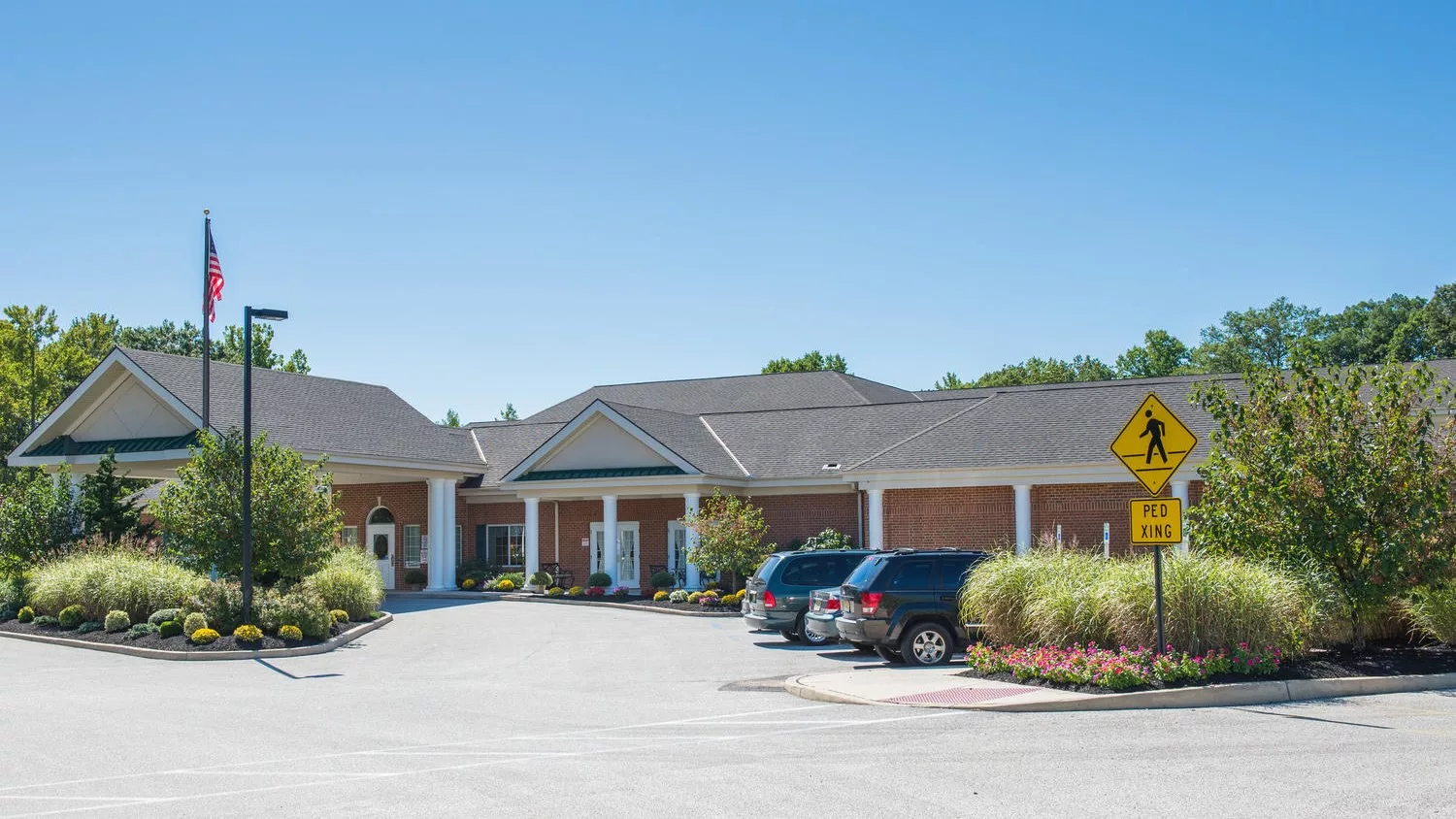
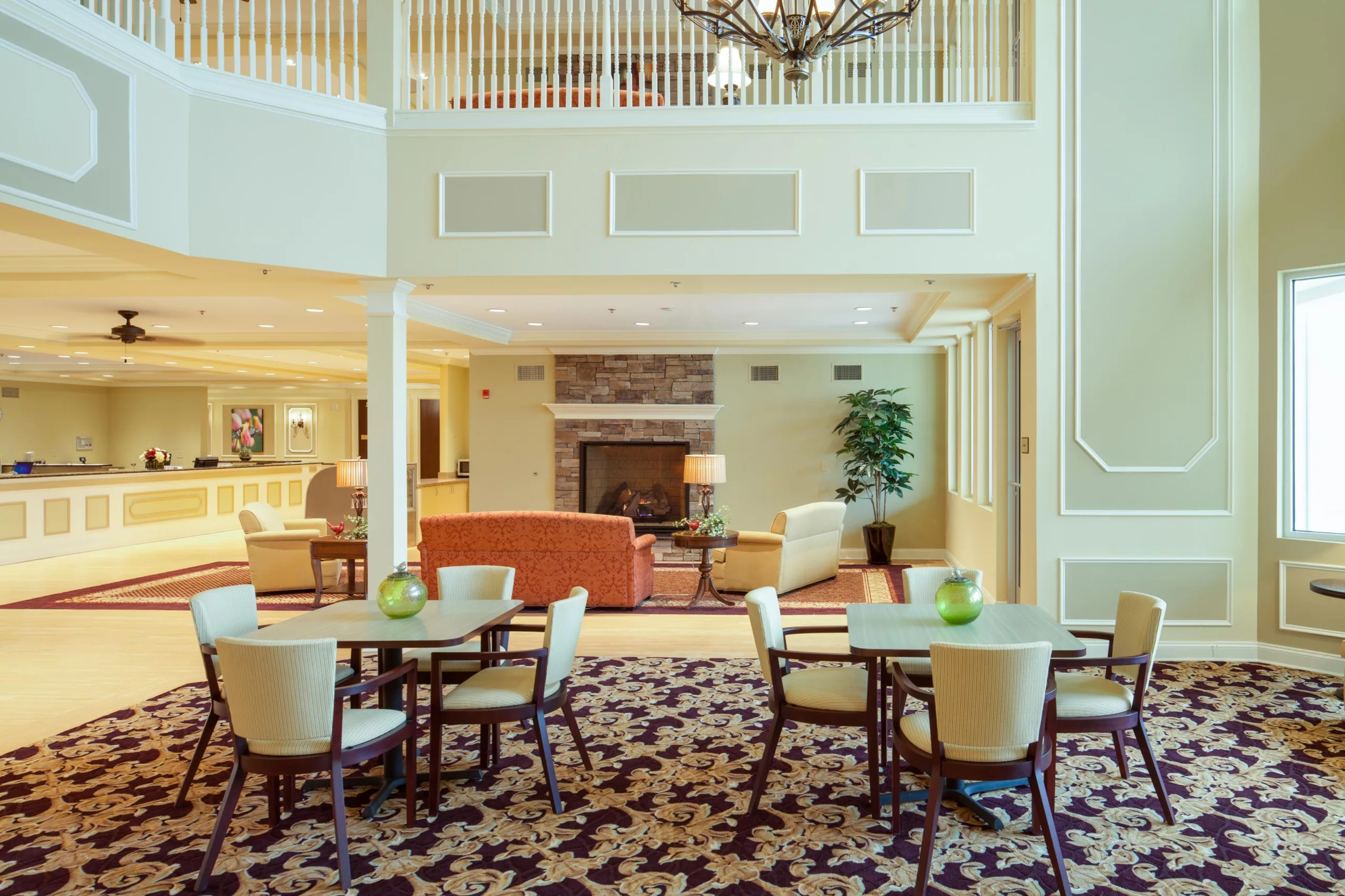
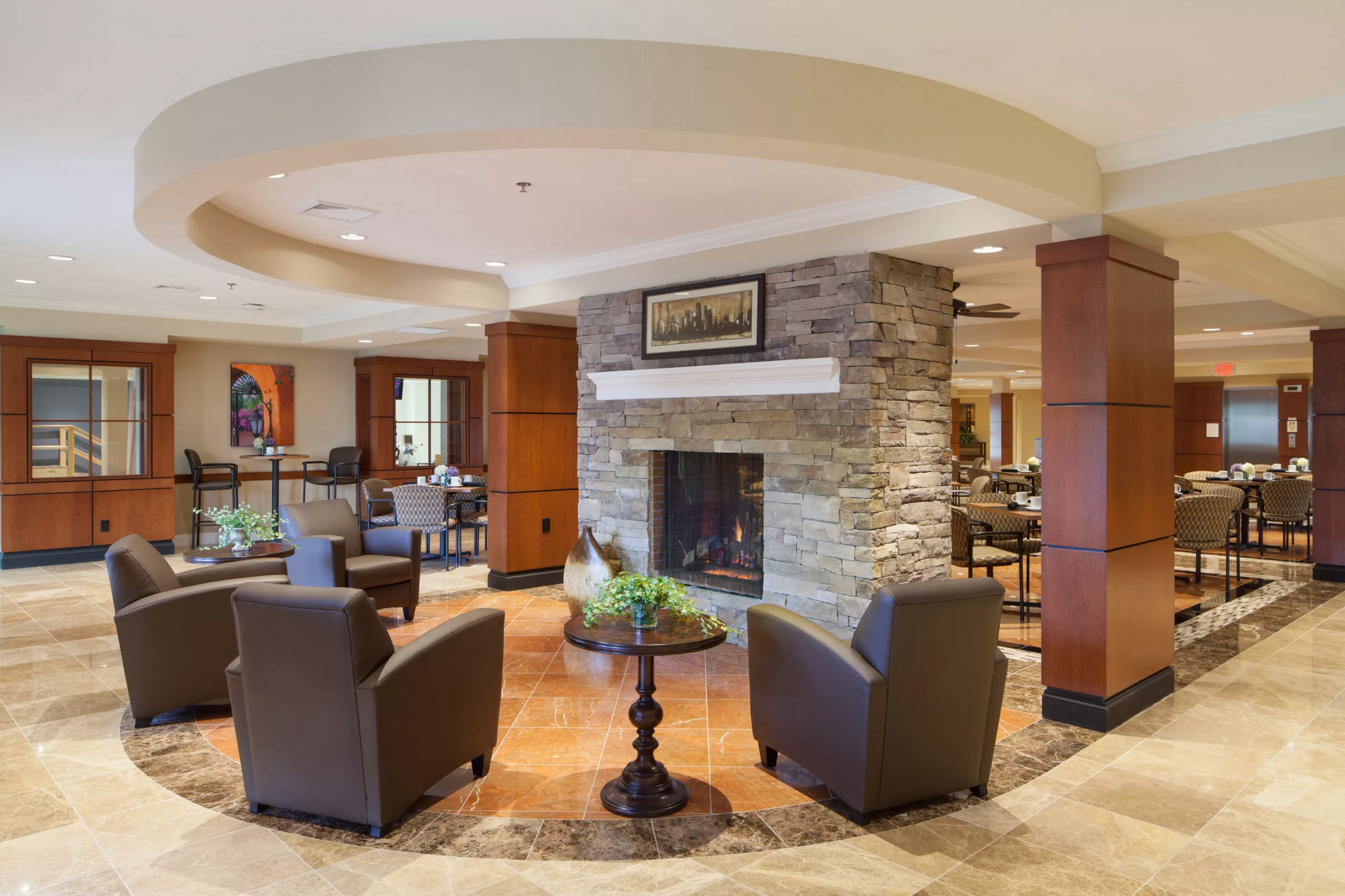
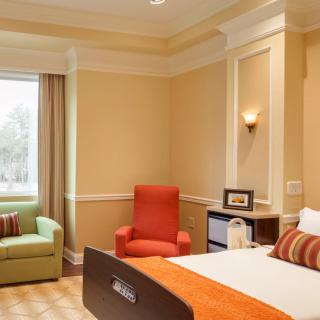
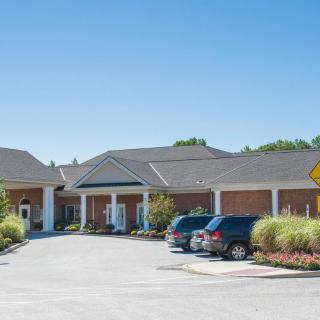
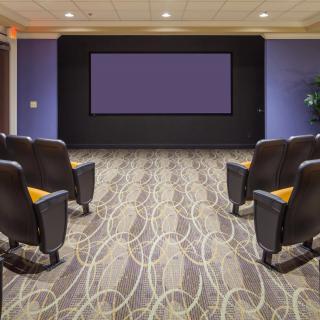
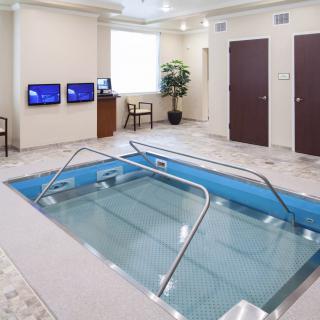
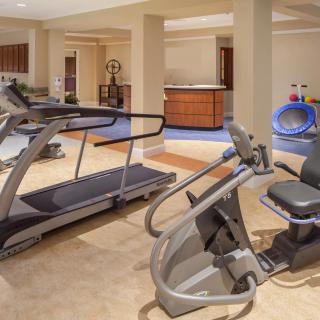
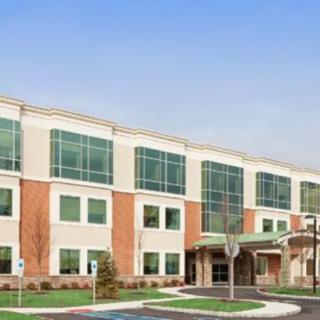
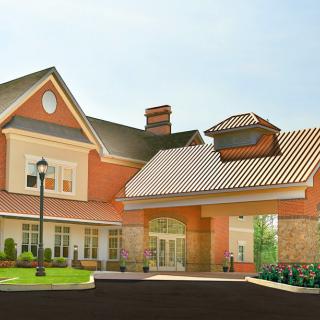
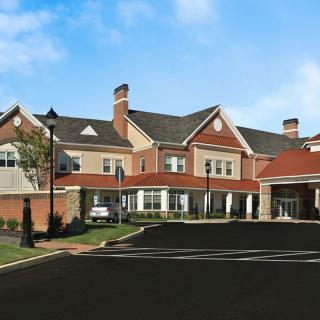
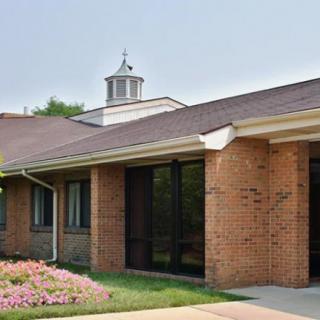
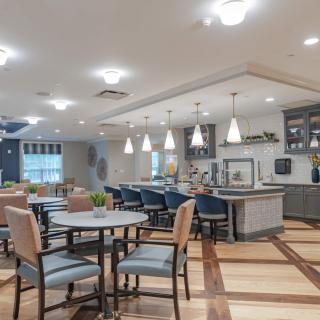
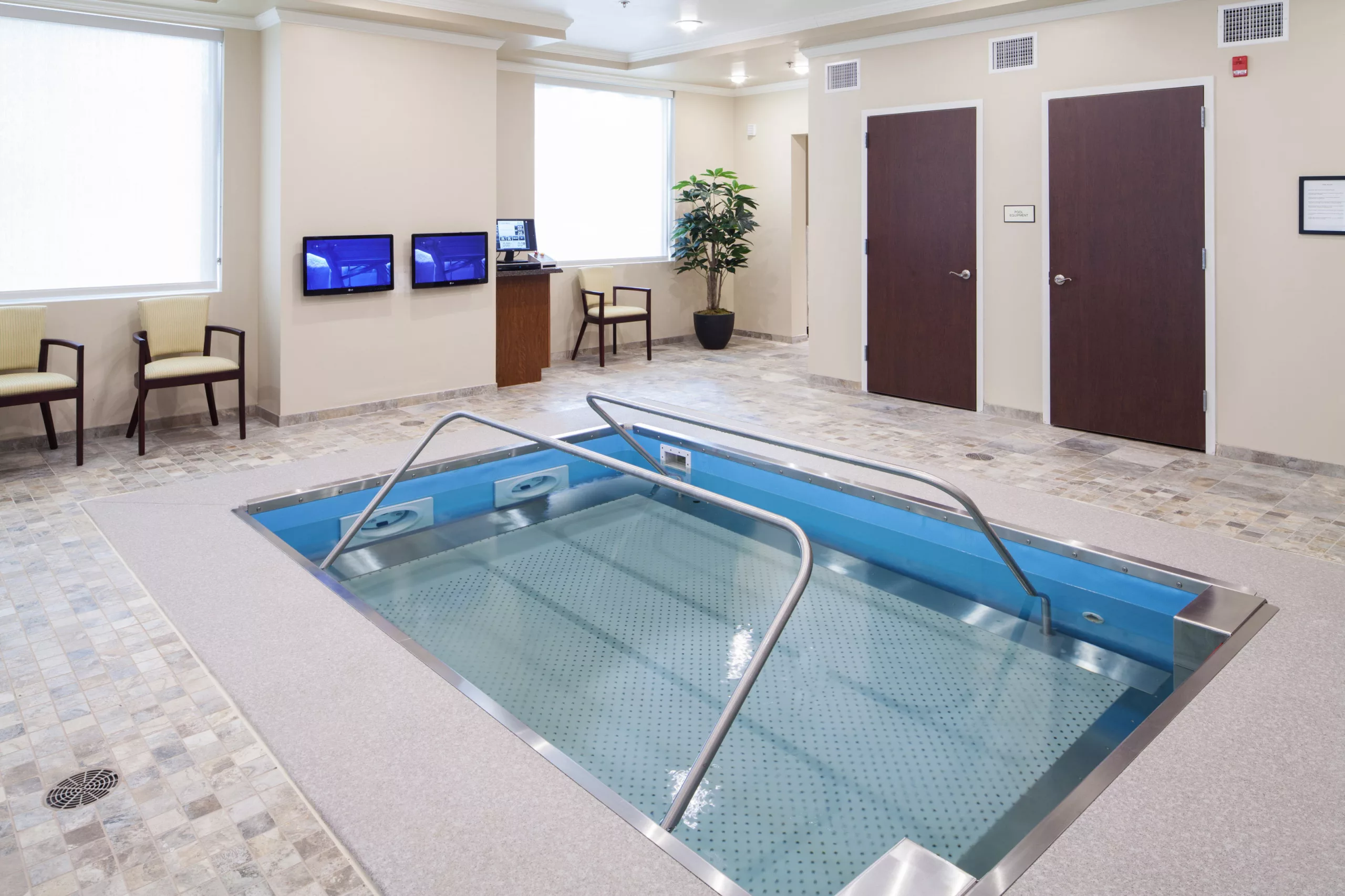
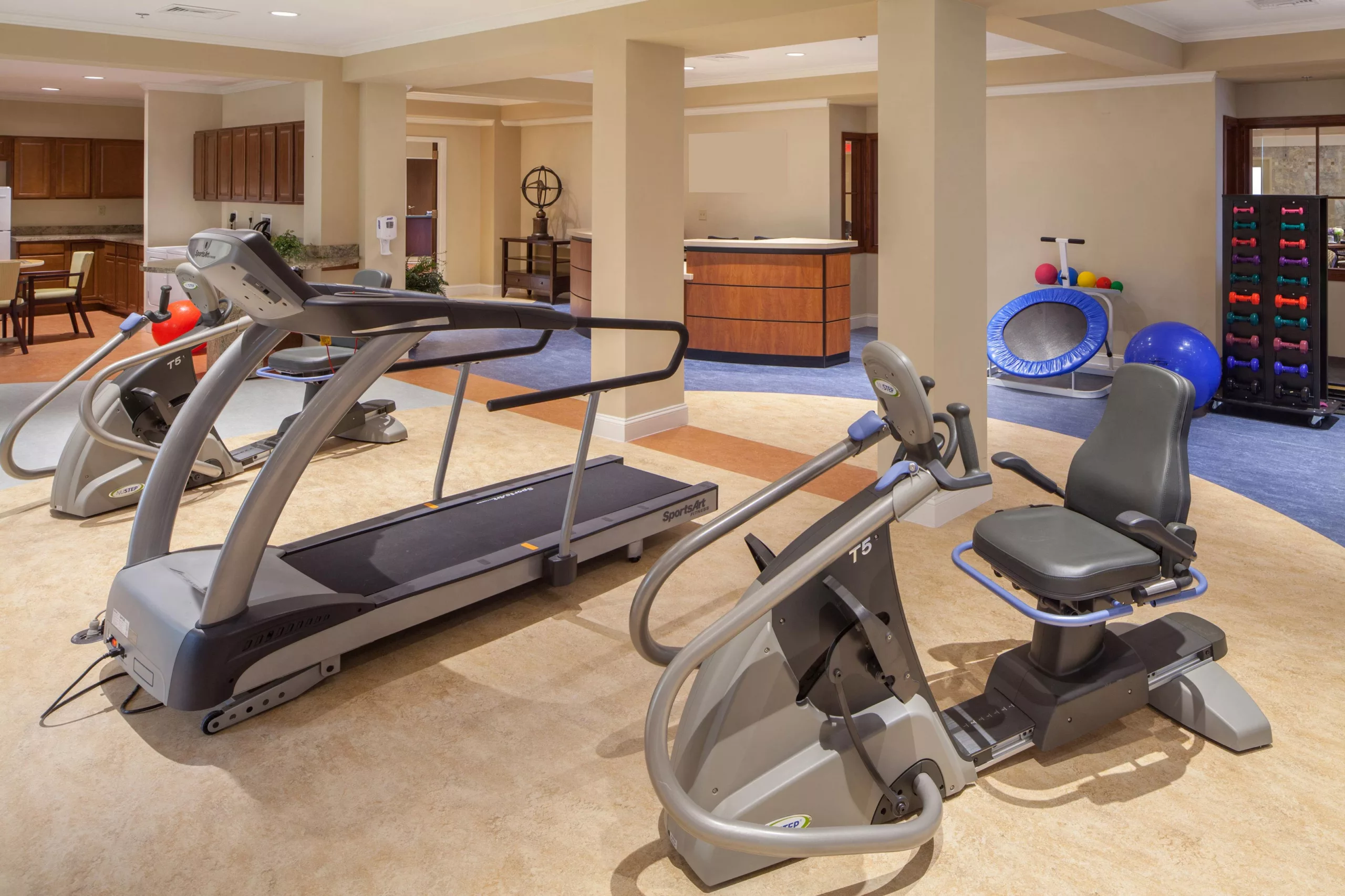
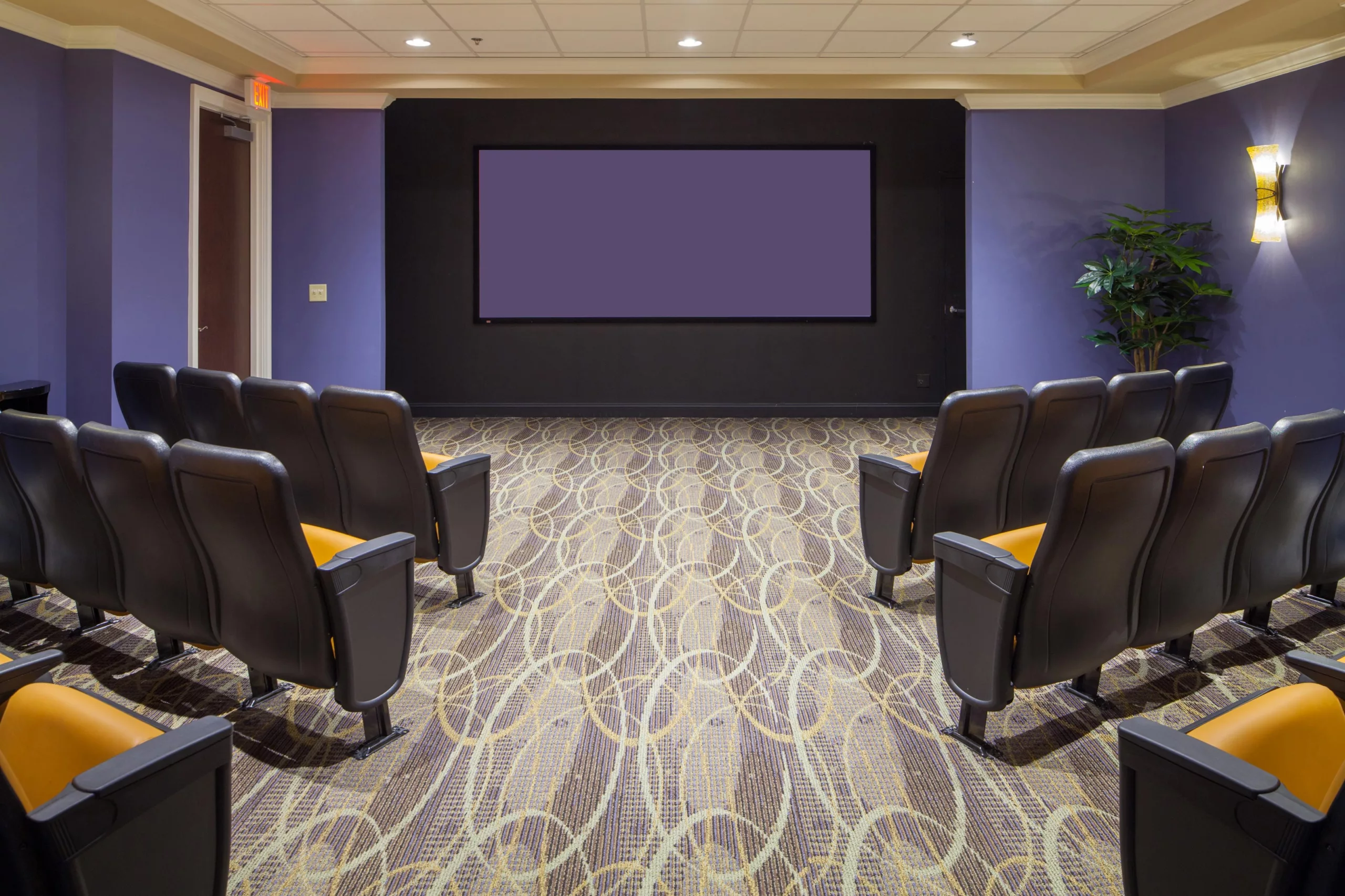
Powerback Rehabilitation on seniors.fyi includes 9 photos including images showing interior, exercise equipment, decor, lobby, seating area, fireplace, dining, building, and more.
Skilled Nursing Facilities vs. Nursing Homes: Making Sense of the Differences

Skilled nursing facilities (SNFs) provide high-level medical care and rehabilitation for short-term recovery, typically covered by Medicare after hospitalization, while nursing homes focus on ongoing custodial care for chronic conditions, mainly funded by Medicaid or private payments. The staffing and regulatory structures differ significantly between the two, necessitating clarity for families in choosing appropriate long-term care options.
A Detailed Examination of Nursing Home Costs Across the U.S.
Nursing home care costs in the U.S. vary significantly based on location, level of care, and amenities, with private room prices ranging from approximately $6,700 to over $30,000 monthly. Families need to explore various payment options and conduct thorough research to manage these expenses effectively.
Exploring Nonmedical Home Care: Understanding Services, Costs, and Financial Approaches
Nonmedical home care provides assistance with daily activities and companionship for individuals wishing to maintain independence and quality of life at home, without medical intervention. Its growing popularity is driven by an aging population, the need for supportive environments for recovery, and the emotional benefits of caregiver companionship, while costs vary based on service frequency and location.