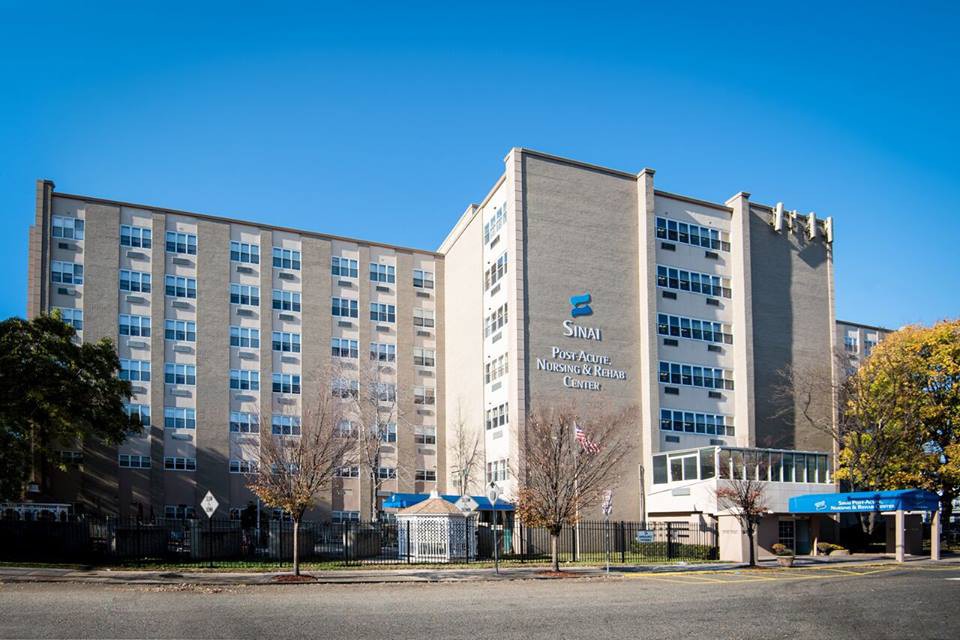
Newark Extended Care Facility in Newark, NJ
Save65 Jay St, Newark, NJ 07103
For more information about senior living options: (844) 490-3973
This Newark facility is best suited for families seeking a rehab-focused stay where dedicated floor teams can deliver meaningful recovery benefits, provided there is strong family involvement to oversee daily care. It functions best as a short- to moderate-term post-acute option for residents who can engage actively in therapy, recreation, and social work, and who have someone close to advocate for timely medical attention, clean surroundings, and consistent communication. In other words, it works well when there is a clear plan for rehab goals and a reliable advocate to monitor progress, cleanliness, and safety.
There are clear reasons to consider alternatives. A substantial volume of feedback centers on serious safety and cleanliness concerns, including pest infestations, odors, and visibly dated facilities. Several reviews allege inconsistent housekeeping and maintenance, and there are repeated accusations of delayed or insufficient medical oversight, including delayed physician visits and problems with the availability of critical care. The combination of these issues can create a risky environment for vulnerable residents, especially long-term custodial needs or complex medical conditions where dependable supervision is non-negotiable. Families without the capacity to supervise closely should weigh other options.
On the upside, the facility garners praise for the quality of care delivered by specific staff on particular floors and in certain departments. When therapy and rehab teams are engaged, residents report meaningful progress: improved mobility, structured exercise programs, and a sense that skilled nurses and aides are genuinely committed to recovery. Recreation and social services teams are repeatedly credited with creating an engaging, supportive atmosphere that helps residents feel seen and involved. In those contexts, residents describe better mood, better appetite, and a tangible path toward returning home or a less dependent life.
Yet the downsides repeatedly pull in the opposite direction. The most persistent concerns involve sanitation and safety: mice or other pests in rooms, strong odors, and rooms that feel dirty or poorly maintained. Reports of inconsistent or slow medical response, gaps in communication with families, and allegations of staff unprofessionalism or turnover further undermine confidence. There are also highly troubling anecdotes about mismanagement, theft, and inadequate accountability, with some families reporting a sense that important records, medications, and patient belongings were mishandled. Taken together, these factors create a real risk calculus for families weighing this facility against others.
Despite the negatives, there are paths for those who remain cautiously optimistic. Positive indicators - especially on certain floors - suggest that when the leadership and front-line teams are aligned, care quality can be high, with attentive nursing, effective rehab, and an active recreation program that supports social connection and cognitive engagement. For families willing to insist on transparent oversight, insist on regular rounds from administrators, and demand prompt physician involvement, the potential exists for a solid recovery-focused experience. Some reviewers also note improvements after changes in management, signaling that this facility can get better with focused accountability and disciplined operations.
The decisive takeaway is practical and action-oriented: this community can work for a recovering patient only if a vigilant, hands-on advocate is available, if floor staff with a proven track record are identified, and if there is a clear plan to monitor cleanliness, medication safety, and timely medical input. Prospective families should plan multiple in-person visits, speak with floor supervisors, and request to tour the rehab area with a clinician who can speak to typical recovery timelines. Equally important is to verify the facility's response processes - how concerns are escalated, how family updates are delivered, and what steps are taken when issues arise. If assurance on these fronts cannot be demonstrated, alternative options with steadier safety records and more consistent physician access are strongly advised.
The Newark Extended Care Facility in Newark, NJ is an assisted living community that offers a comfortable and supportive environment for seniors. Located in a convenient location, the facility is surrounded by various amenities to provide residents with easy access to essential services and recreational activities.
For those who enjoy socializing or grabbing a quick bite to eat, there are four cafes and five restaurants located nearby. These dining options offer a variety of cuisines to cater to different tastes and preferences.
Nature lovers will appreciate the proximity to five parks, providing ample opportunities for outdoor activities and relaxation. Whether it's taking a leisurely stroll, having a picnic with family and friends, or simply enjoying the fresh air, these parks offer tranquil settings for residents to enjoy.
Healthcare needs are well-catered for with ten pharmacies located nearby. This ensures that residents have convenient access to medications and other healthcare essentials as needed.
In terms of medical care, there is also one physician located nearby. This provides residents with easy access to primary care services or specialized medical attention when required.
Transportation options are abundant in this area with 23 different transportation options available nearby. Residents can easily travel around the city or beyond using public transportation services such as buses, trains, or taxis. This means that residents can maintain their independence and explore the surrounding area without any hassle.
Overall, the Newark Extended Care Facility offers a well-rounded assisted living community that combines comfort, convenience, and accessibility for its residents.
This part of Newark, New Jersey, offers a variety of amenities that cater to senior residents. There are several restaurants within close proximity, including Tops Diner and Vanguard Kitchen, providing convenient dining options. The area also has multiple transportation options such as Newark Penn Station and Harrison Path Station for easy access to nearby areas. Additionally, there are pharmacies like CVS and Walgreens for medical needs, as well as healthcare facilities like Care Station Medical Group and Summit Medical Group in the vicinity. Parks like Orange Park NJ and Milo S. Borden Park offer green spaces for outdoor recreation. Places of worship like Morrow Memorial United Methodist Church provide spiritual support, while theaters such as AMC Clifton Commons 16 offer entertainment options. Close-by hospitals like Saint Barnabas Medical Center ensure quality healthcare services are easily accessible for seniors living in the area. Overall, this neighborhood provides a balanced mix of necessities and leisure activities suitable for senior living.
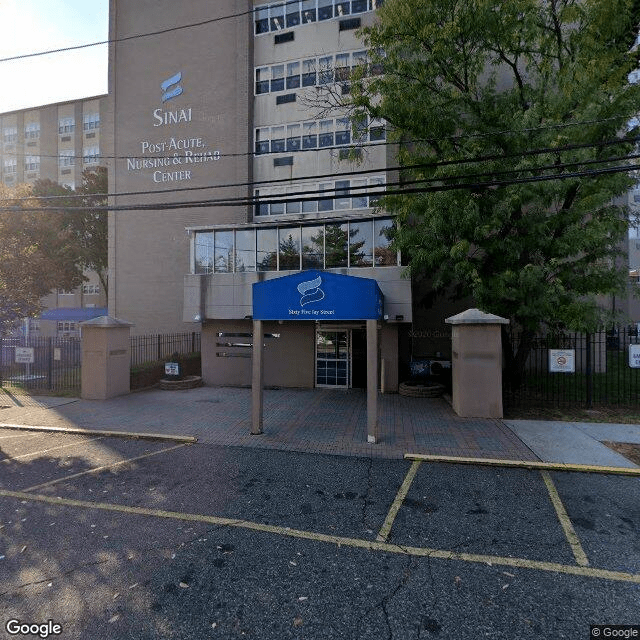
Newark Extended Care Facility is located at 65 Jay St, Newark, NJ 07103 in Essex County, New Jersey
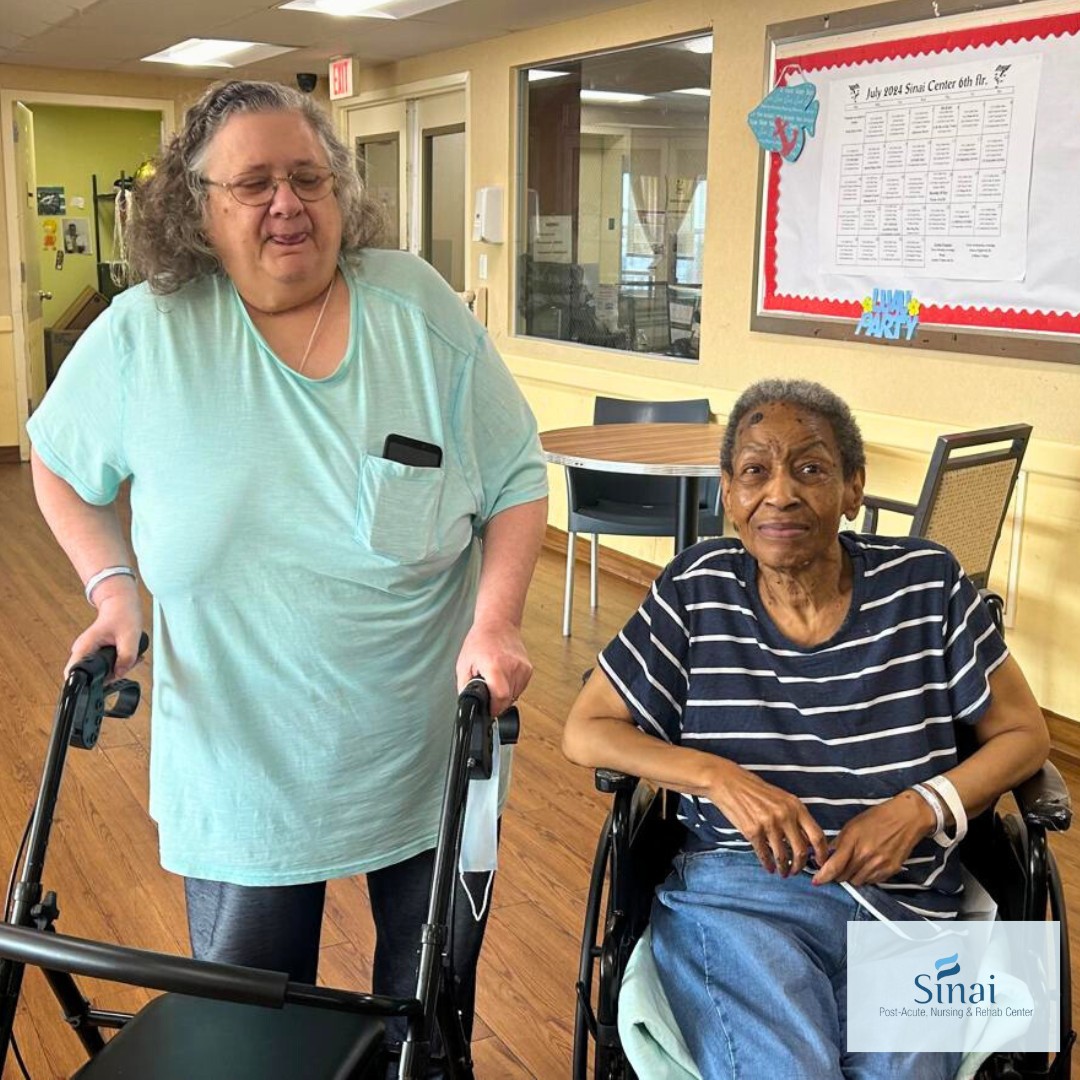
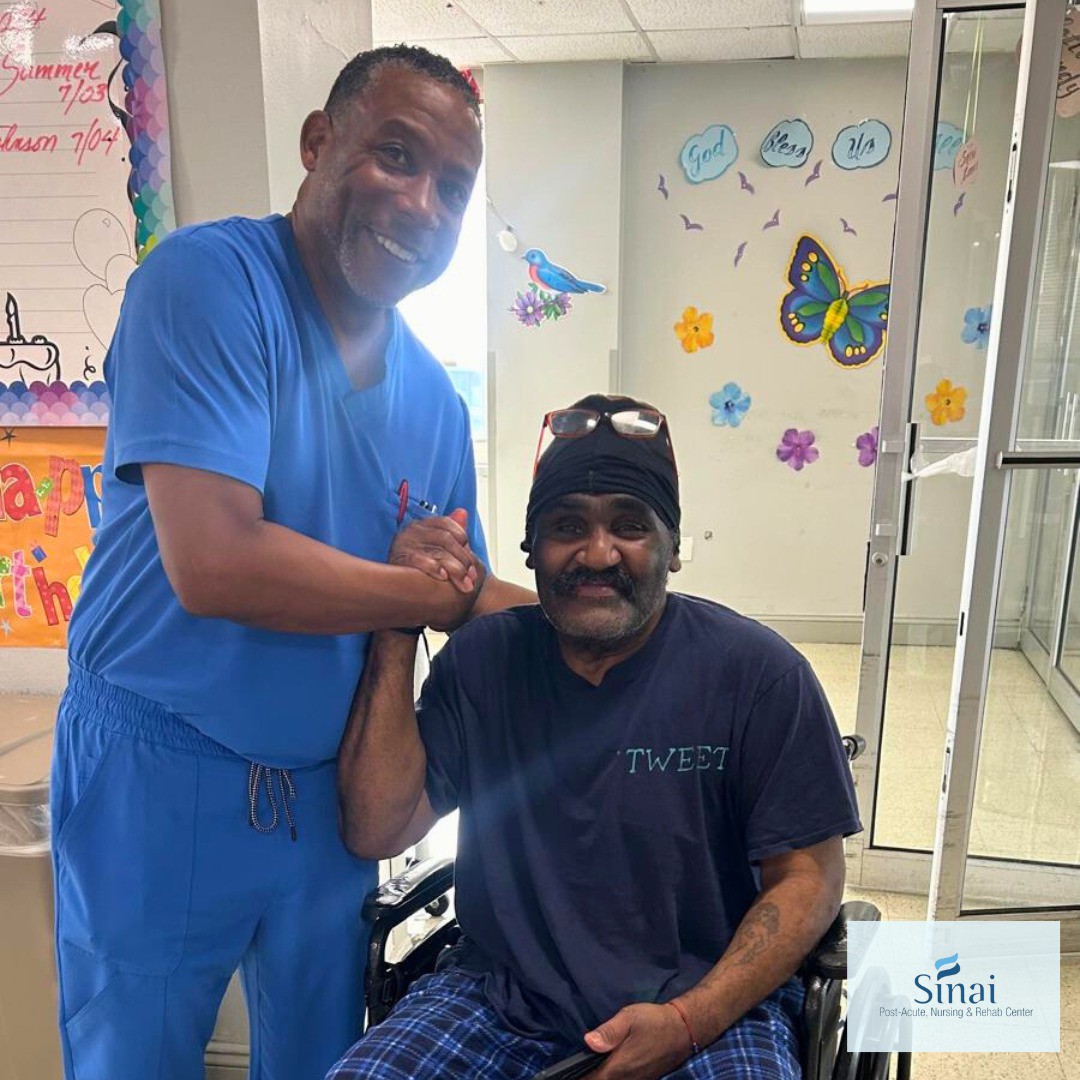
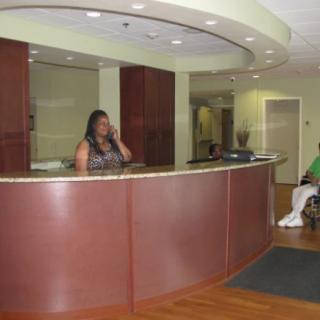
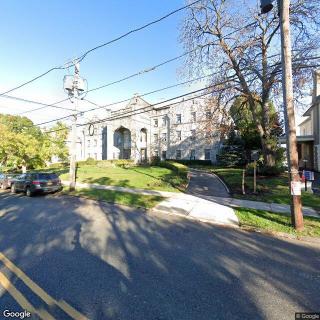
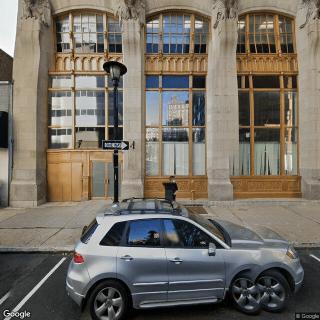
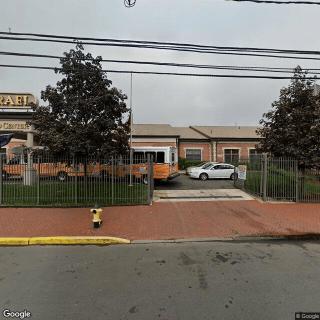
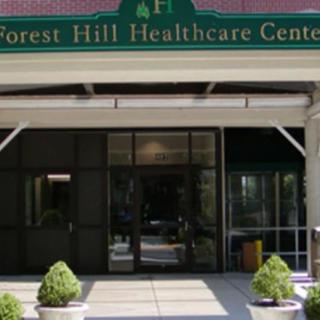
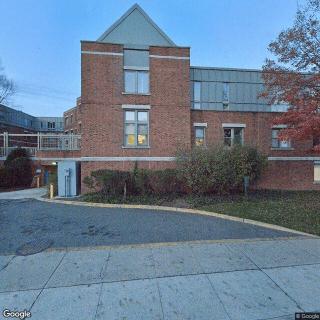
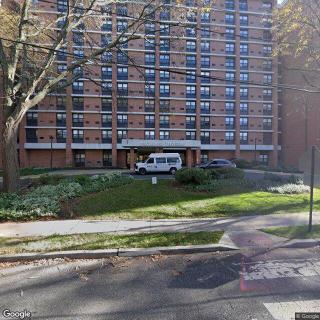
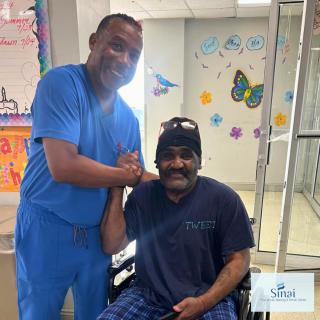
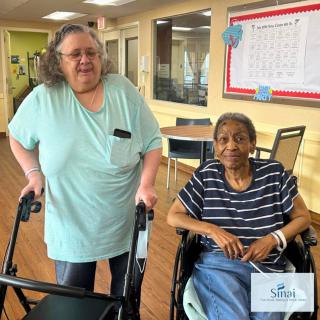
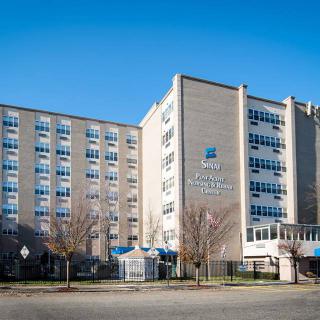
Newark Extended Care Facility on seniors.fyi includes 5 photos including images showing healthcare, wheelchair, exterior, urban, interior, building, architecture, and more.
A Closer Look at Private Pay Home Care
Private pay home care offers a flexible caregiving option for older adults and families who don't qualify for government programs, allowing them to directly fund in-home care services that range from daily assistance to specialized support. This model's customization potential enables aging in place while addressing financial considerations through strategic planning options, though clients must navigate marketplace challenges and ensure quality compliance.
Comprehensive Approaches for Arthritis: A Detailed Guide to Symptoms, Causes, and Care

Arthritis encompasses over 100 joint disorders affecting people of all ages, leading to symptoms like pain and stiffness that impair mobility and quality of life. Effective management involves early diagnosis, lifestyle changes, medical treatments, emotional support, and ongoing monitoring with healthcare professionals.
Comprehensive Insights and Practical Strategies to Help Older Adults Avoid Falls

The article highlights the high risk of falls among older adults due to factors like muscle weakness, vision issues, and environmental hazards, with one in four experiencing a fall annually. It advocates for a comprehensive prevention approach that includes exercise, home safety modifications, medication management, social support, and caregiver involvement.