Gardens At Monroe Healthcare And Rehabilitation Costs & Pricing
Gardens At Monroe Healthcare And Rehabilitation offers competitive pricing for its services in comparison to both Middlesex County and the broader New Jersey market. For private rooms, the monthly costs range from $3,500 to $7,500, which is considerably more affordable than the county average of $5,507 and the state average of $5,799. In terms of semi-private accommodations, Gardens At Monroe charges a flat rate of $7,050 - higher than both the county's average of $4,878 and the state's average of $5,068. This pricing structure indicates a value proposition for potential residents seeking quality care within a changing landscape of healthcare costs while reflecting the amenities and services provided in this particular facility.
Floor plans
Gardens At Monroe Healthcare And Rehabilitation
Middlesex County
New Jersey
Private
$3,500 to $7,500
$5,507
$5,799
Semi-Private
$7,050
$4,878
$5,068
Skilled Nursing Facilities with a similar price nearby
Overall Review of Gardens At Monroe Healthcare And Rehabilitation
common44 reviews mention this
Staff is consistently caring
Residents and families repeatedly describe staff as attentive, responsive, and genuinely caring.
A large share of reviewers talk about the staff as friendly, attentive, and professional, from reception through nursing, aides, therapists, and support teams. Several residents’ family members say staff helped make recovery feel safer and more comfortable, and that communication kept them informed. A few reviewers mention quick responses to call buttons and alarms, which reinforced the sense of attentiveness they experienced.
differentiator22 reviews mention this
Rehab therapy gets strong marks
Physical and occupational therapy is a standout for many residents during rehab stays.
Many reviews highlight physical therapy and occupational therapy as helpful and well-run, with therapists described as knowledgeable and encouraging. Reviewers mention improvements in mobility and confidence, including walking again or regaining strength and balance. Some also describe therapy continuing even over holidays and being tailored to individual needs.
common18 reviews mention this
Clean, safe-feeling environment
Multiple reviews emphasize cleanliness and a generally well-kept setting.
Reviewers frequently mention clean rooms, clean common areas, and a facility that feels cared for. Several describe a comfortable environment and the presence of gardens/outdoor space as part of what made visits and stays easier. A smaller number of negative comments raise concerns about noise and a musty smell, but at least some reviewers say issues they saw were later addressed.
common10 reviews mention this
Food quality is frequently praised
Dining and food preparation come up often, with many reviewers saying meals are well prepared.
Several reviewers describe the dining room as clean and the food as good, delicious, or well prepared. Others mention that dietary needs were handled, including dietary guidance for conditions like diabetes and other special restrictions. While one reviewer reported disappointment with food, the overall tone across many comments is positive.
caveat2 reviews mention this
Care responsiveness has mixed reports
A small number of reviews report problems with nurse availability and follow-up communication.
Alongside many mentions of prompt, attentive help, two reviews describe serious breakdowns in responsiveness, including delays in nurse call responses and limited follow-up after transfers. One of those reviews also points to gaps in planning after an incident. These accounts appear as clear outliers compared with the broader experience described by other reviewers.
How we summarize
Counts show how many written reviews mention each theme; a review can touch several themes, and only frequently mentioned themes are displayed.
Features
Housing
136 resident community capacity
Types of Care
Skilled Nursing Facility
Amenities
Air-conditioning
Beauty salon
Cable or satellite TV
Computer center
Dining room
Fitness room
Fully furnished
Gaming room
Garden
Housekeeping services
Kitchenette
Move-in coordination
Outdoor space
Private
Private bathrooms
Restaurant-style dining
Small library
Telephone
Wellness center
Wi-Fi/high-speed internet available
Transportation
Trenton-Mercer County (18 miles away)
Community operated transportation
Transportation arrangement
Transportation arrangement (non-medical)
Transportation to doctors appointments
Care Services
12-16 hour nursing
24-hour call system
24-hour supervision
Activities of daily living assistance
Assistance with bathing
Assistance with dressing
Assistance with transfers
Diabetes diet
Meal preparation and service
Medication management
Mental wellness program
Special dietary restrictions
Dining
Diabetes diet
Special dietary restrictions
Activities
Community-sponsored activities
Concierge services
Fitness programs
Planned day trips
Resident-run activities
Scheduled daily activities
Nearby Places of Interest
Located in Monroe Township, New Jersey, this area offers convenient access to various amenities and services that cater to seniors. With multiple transportation options such as bus stops and a nearby train station, getting around the area is easy. Residents have access to reputable physicians and pharmacies within a reasonable distance for medical needs. The presence of parks provides opportunities for outdoor activities and relaxation. Additionally, there are various dining options ranging from fast food to cafes for enjoyable meals. Places of worship are also available for spiritual wellbeing. In case of medical emergencies, hospitals are within reach. Overall, this part of Monroe Township provides a well-rounded environment for seniors looking for a comfortable and convenient place to live.
Gardens At Monroe Healthcare And Rehabilitation offers competitive pricing for its services in comparison to both Middlesex County and the broader New Jersey market. For private rooms, the monthly costs range from $3,500 to $7,500, which is considerably more affordable than the county average of $5,507 and the state average of $5,799. In terms of semi-private accommodations, Gardens At Monroe charges a flat rate of $7,050 - higher than both the county's average of $4,878 and the state's average of $5,068. This pricing structure indicates a value proposition for potential residents seeking quality care within a changing landscape of healthcare costs while reflecting the amenities and services provided in this particular facility.
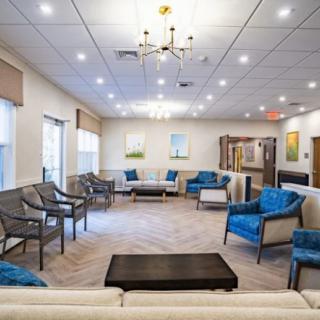
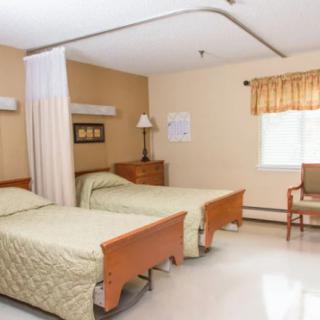
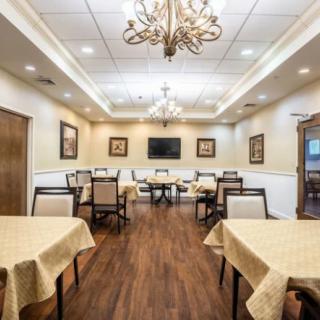
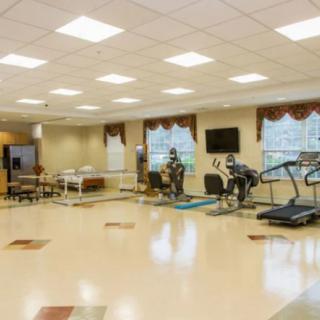
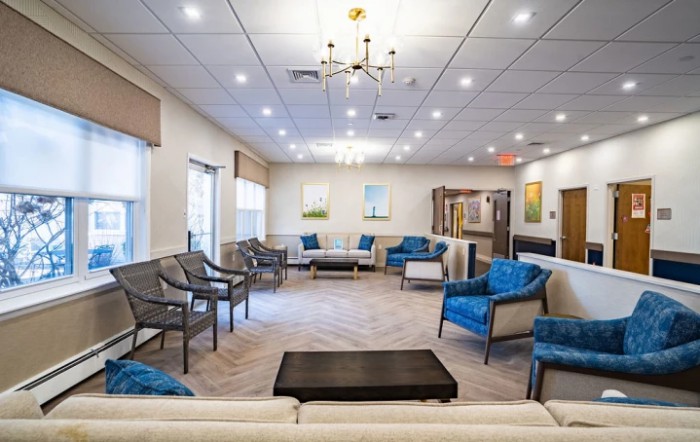
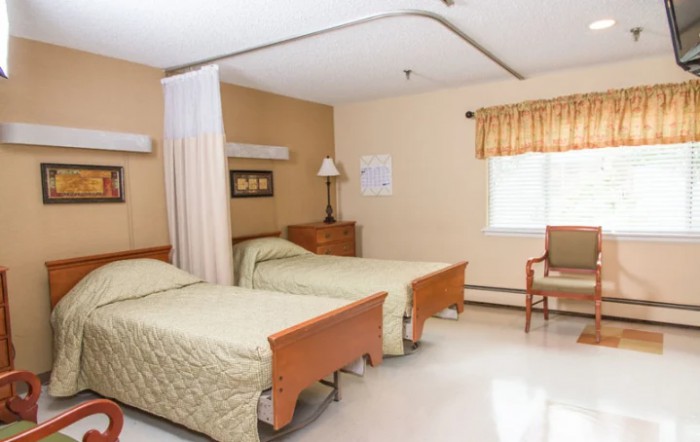
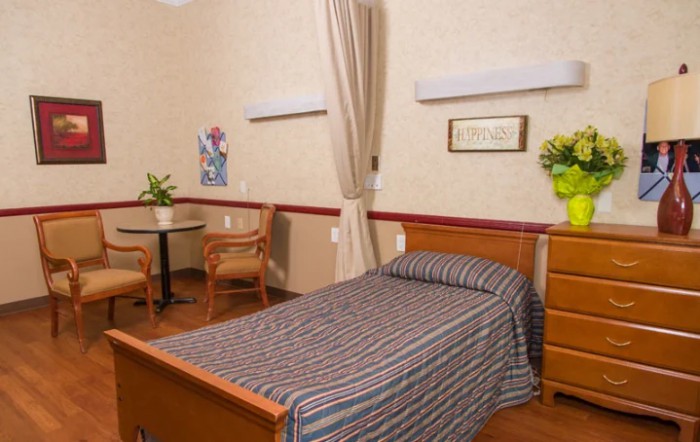
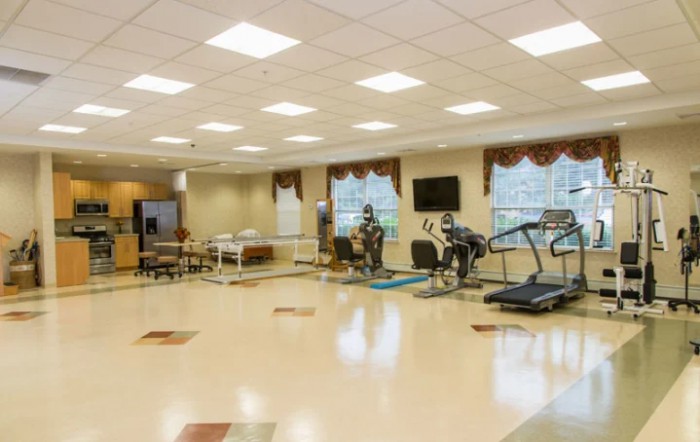
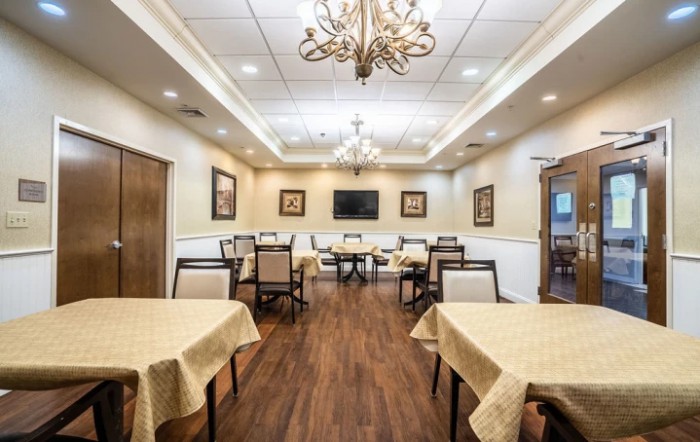
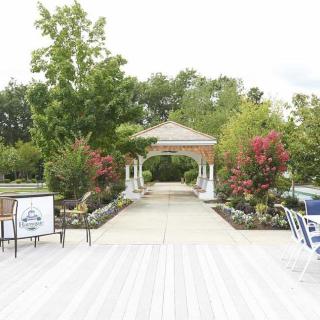
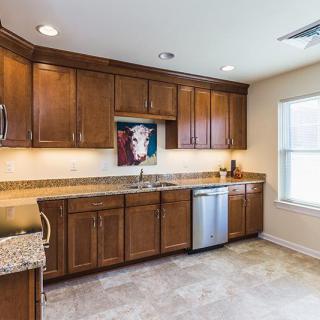
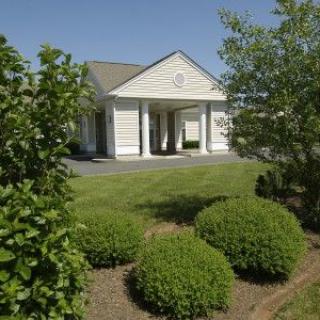
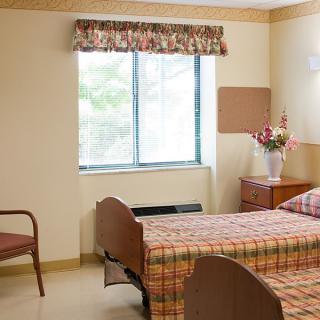
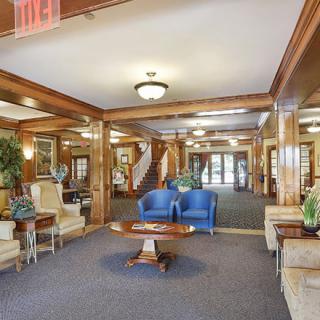
Gardens At Monroe Healthcare And Rehabilitation on seniors.fyi includes 6 photos including images showing interior, bedroom, dining, seating area, lighting, decor, windows, exercise room, and more.
Nearby Communities
The Gables at Monroe
Monroe, NJ
4.5 from 109 reviews
$3,000 to $4,000 / month
Lower-than-average pricing for private ($3,000) and semi-private ($4,000) rooms with essential assisted living services.
Greenbriar Stonebridge
Monroe, NJ
4.5 from 63 reviews
Comprehensive care, modern amenities, and dietary accommodations with strong connectivity.
Renaissance at Cranbury Crossing
Monroe, NJ
4.1 from 13 reviews
Small, personalized care in a close-knit setting with nearby amenities.
Renaissance at Monroe
Monroe, NJ
4.6 from 31 reviews
Small, intimate assisted living with meal preparation, medication management, and Wi-Fi.
Waterside Villas
Monroe, NJ
4.3 from 58 reviews
$2,400 to $2,650 / month
Friendly, helpful staff; well-maintained, attractive apartments with active community life.
Cranbury Center
Monroe Township, NJ
3.9 from 119 reviews
Caring, attentive staff and a clean, engaging environment with good dining and activities.
Clearbrook
Monroe, NJ
3 from 8 reviews
Well-maintained community with diverse housing options and active social amenities.
Elms of Cranbury
Cranbury, NJ
3.9 from 129 reviews
Attentive staff, clean environment, and effective rehabilitation.
Brookdale Monroe
Monroe Township, NJ
4.5 from 106 reviews
$4,760 to $7,210 / month
Warm, engaging community with dedicated staff and memory care expertise.
The guide on blood pressure charts for older adults stresses the importance of understanding normal and high blood pressure readings influenced by age, genetics, and lifestyle, while emphasizing regular monitoring and lifestyle modifications to prevent serious health issues. It provides insights into blood pressure categories, dietary recommendations, medication considerations, and the role of caregivers in supporting healthy habits.
The article explores the complexities of using Social Security to finance long-term nursing home care in the U.S., detailing eligibility requirements and misconceptions, while emphasizing that these benefits often do not cover full costs and highlighting the need for strategic financial planning and professional guidance.
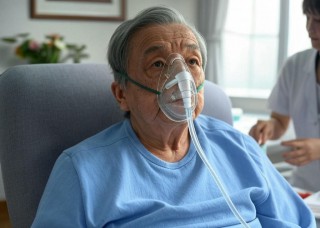
Pneumonia significantly affects older adults due to weakened immune systems and atypical symptoms that complicate diagnosis, necessitating early detection and tailored treatment. Risk factors include chronic diseases and cognitive impairments, with preventive measures like vaccinations and healthy lifestyles being crucial for reducing risk.
Gardens At Monroe Healthcare And Rehabilitation photos
×
Interior
Bedroom
Dining
Exercise Equipment
Interior
Decor, Lighting, and Seating Area
Bedroom
Dining and Chandelier
Windows
Exercise Equipment, Exercise Room, Fitness Center, and Treadmills
Get PricingAsk A QuestionSchedule A TourContact Senior Advisor
By clicking submit, you agree to our Partner's Terms of Use. You
also consent to receive calls and texts, which may be autodialed, from our Partner. Your consent is not a condition to
using our Partner's service. Please visit our Partner's Privacy Policy for information about their privacy practices.

 136 resident community capacity
 Skilled Nursing Facility
 Air-conditioning
 Beauty salon
 Cable or satellite TV
 Computer center
 Dining room
 Fitness room
 Fully furnished
 Gaming room
 Garden
 Housekeeping services
 Kitchenette
 Move-in coordination
 Outdoor space
 Private
 Private bathrooms
 Restaurant-style dining
 Small library
 Telephone
 Wellness center
 Wi-Fi/high-speed internet available
 Trenton-Mercer County (18 miles away)
 Community operated transportation
 12-16 hour nursing
 24-hour call system
 Activities of daily living assistance
 Assistance with bathing
 Assistance with dressing
 Assistance with transfers
 Diabetes diet
 Medication management
 Mental wellness program
 Special dietary restrictions
 Concierge services
 Planned day trips
 Lower-than-average pricing for private ($3,000) and semi-private ($4,000) rooms with essential assisted living services.
 Comprehensive Guide to Blood Pressure Charts for Older Adults: Understanding Normal and High Readings by Age
 Financing Long-Term Nursing Home Care Through Social Security: A Thorough Exploration
 Essential Knowledge on Pneumonia in Older Adults