Cranbury Center in Monroe Township, NJ

Save

  • Interior

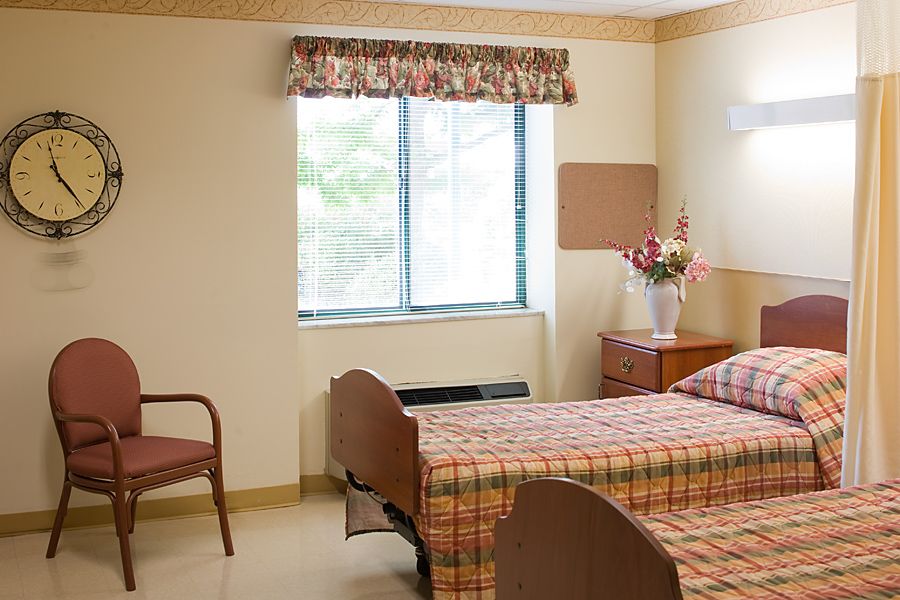
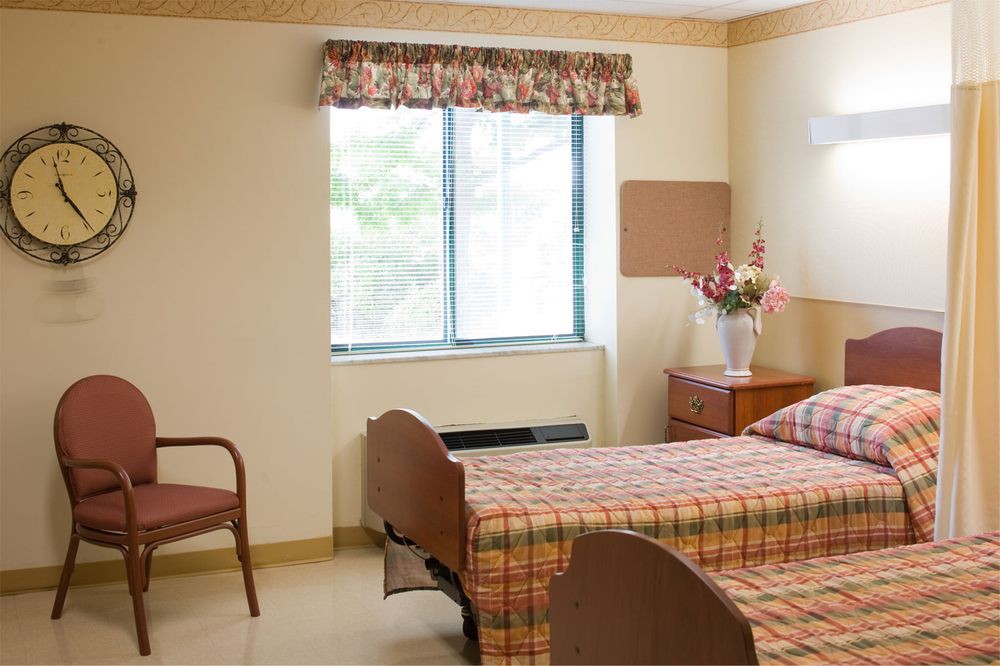
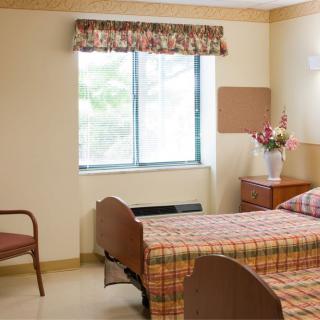
    A well-lit room with two beds, a window, and basic furniture.
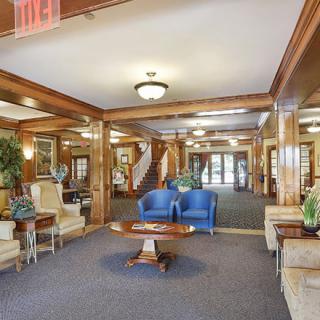
  • Decor

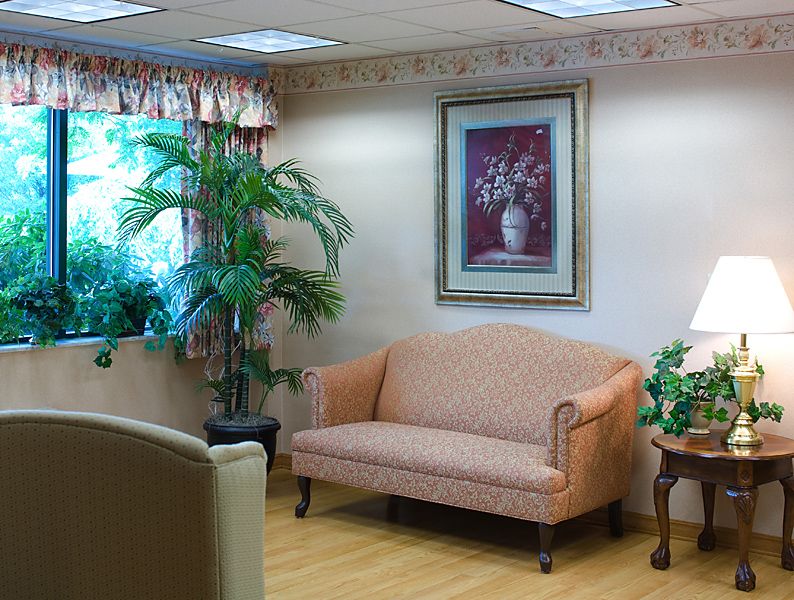
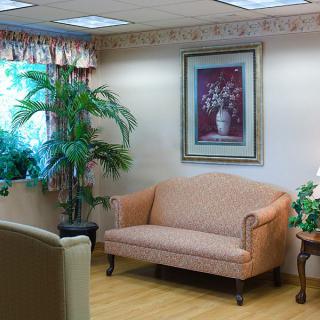
    A cozy waiting room with a pink sofa, indoor plants, and a framed painting on the wall.
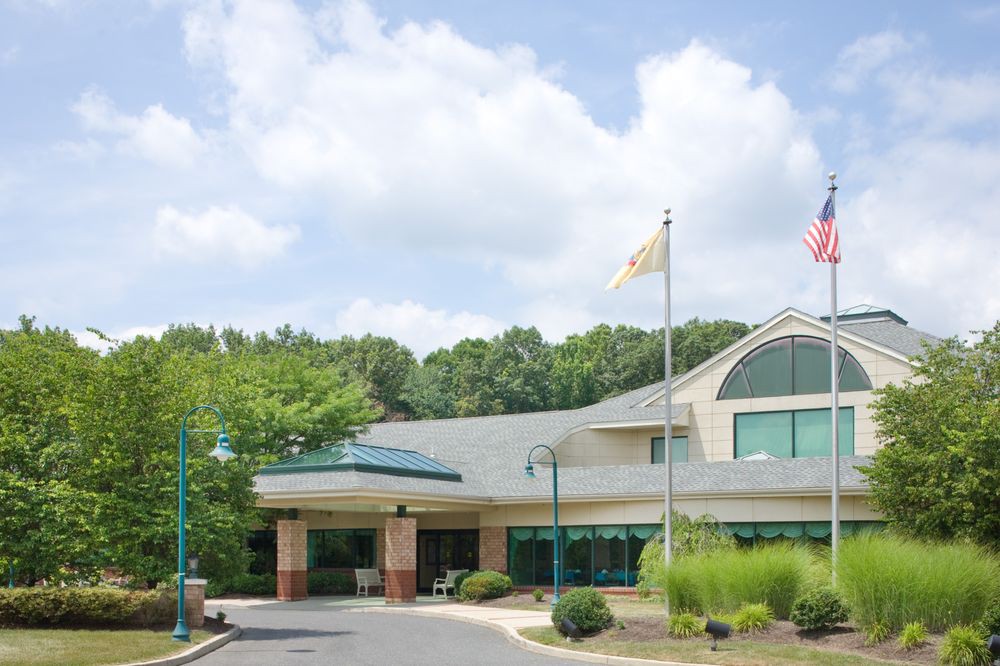
  • Building

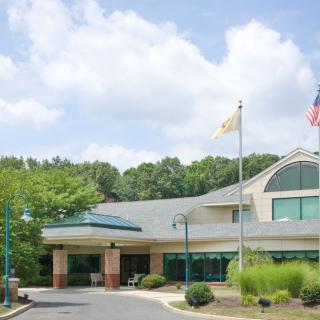
    A view of a building entrance with flags flying and a driveway leading up to it, surrounded by trees under a partly cloudy sky.
  • Bedroom

    A clean and minimalist hospital room with a single bed and window.
  • Windows

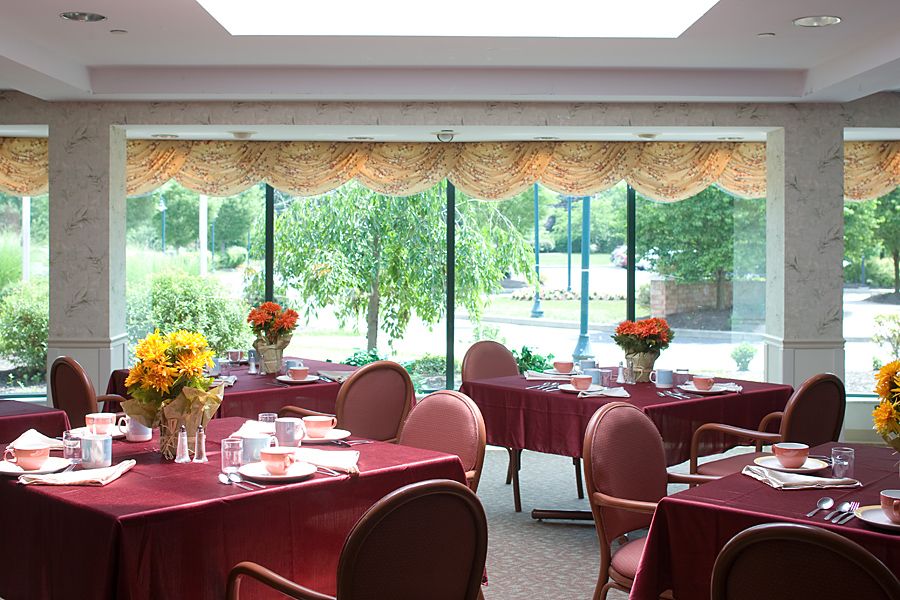
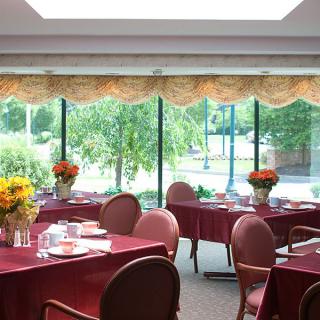
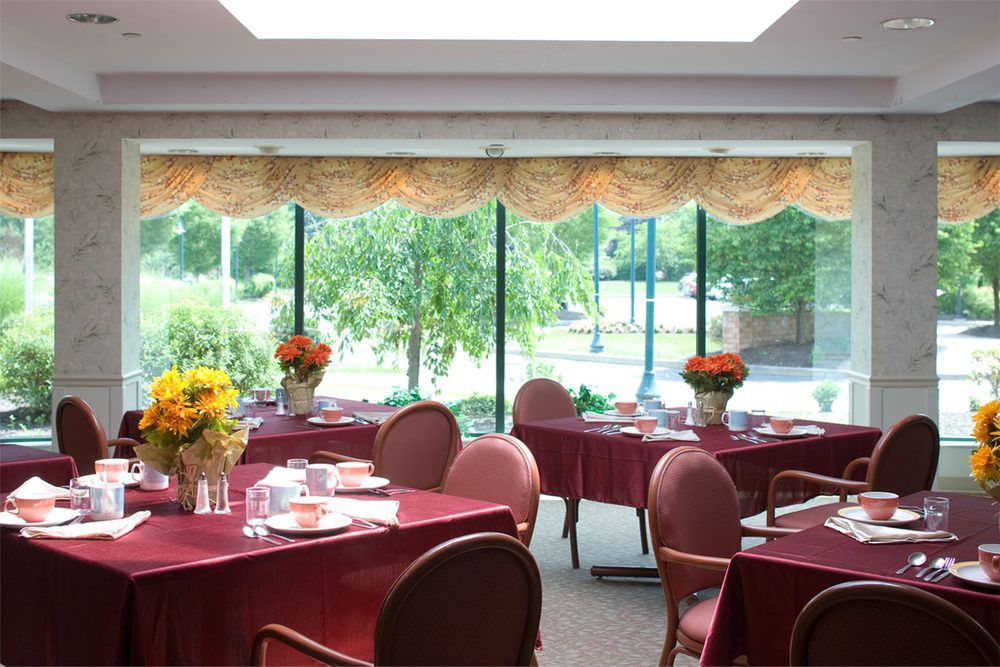
    A spacious dining area with several tables and chairs, surrounded by large windows allowing natural daylight.
  • Dining

    A well-lit restaurant dining area with tables set next to large windows, offering a pleasant view.
  • Lighting

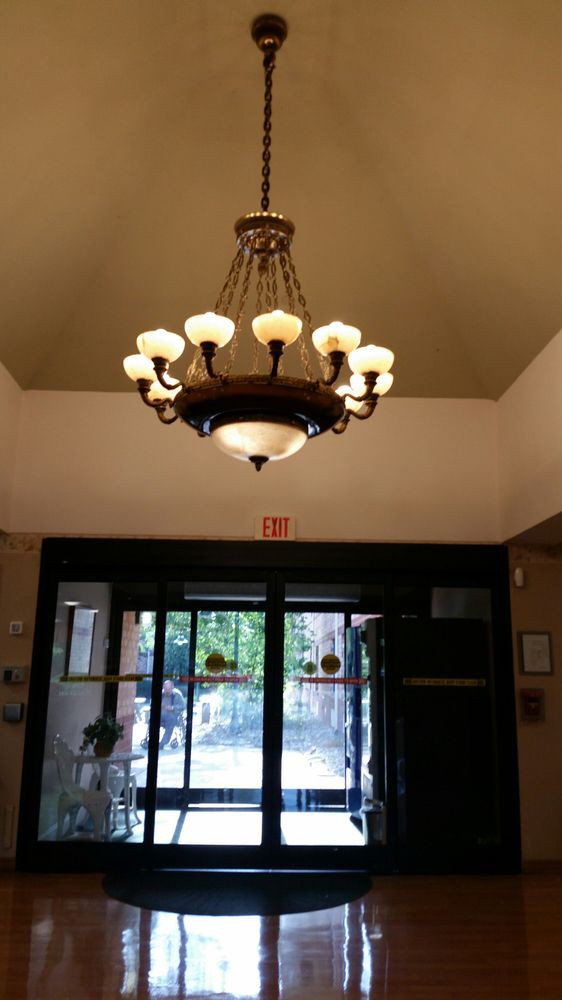
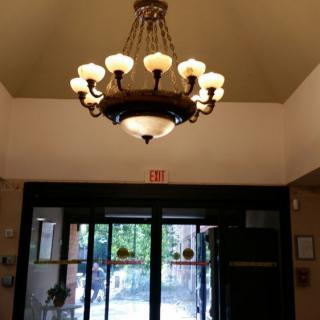
    A grand chandelier illuminating the entrance of a building.
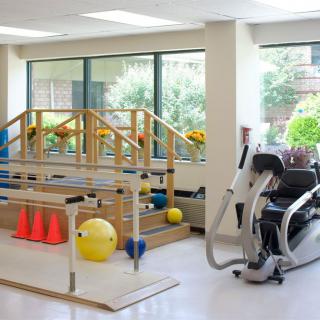
  • Exercise Equipment

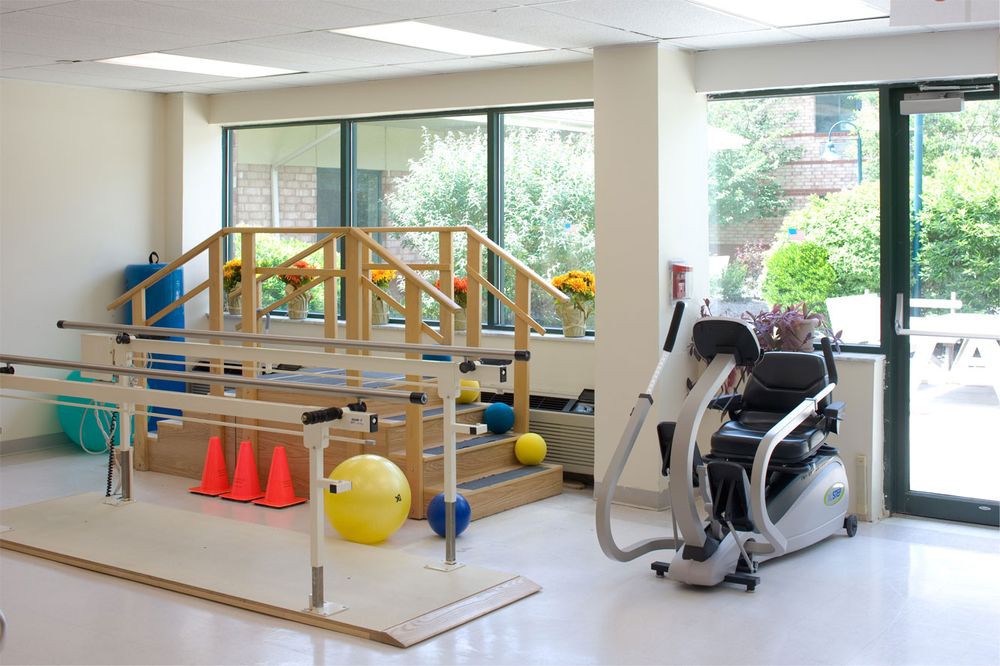
    A rehabilitation center equipped with various exercise machines and tools for physical therapy.

Cranbury Center in Monroe Township, NJ

Information last verified:

292 Applegarth Road, Monroe Township, NJ 08831

For more information about senior living options: (844) 490-3973

3.9 from 115 reviews
5 stars
72
4 stars
8
3 stars
8
2 stars
4
1 stars
23

Overall Review of Cranbury Center

Pros

  • pro The staff are described as compassionate, attentive, and professional.
  • pro The facility is clean, well-maintained, and welcoming.
  • pro The rehabilitation team is outstanding, helping patients regain mobility and independence.
  • pro Families are kept informed with regular, transparent updates and good communication.
  • pro The care is patient-centered, with the team going above and beyond to make residents feel at home.
  • pro The leadership and administration are approachable and dedicated to the community.
  • pro Residents and families describe the staff as caring and even “angels on earth” for their dedication.
  • pro The dining and activities programs are engaging and foster a sense of community.

Cons

  • pro It is described as a health hazard due to chronic understaffing and slow, delayed care.
  • pro The courtyard is dirty and not safe, with weeds, old furniture, wasps and bugs.
  • pro The staff are described as unkind and uncaring, leaving residents waiting for help for hours.
  • pro Nurses are accused of rude behavior and medical neglect, including not sending a patient to the hospital when needed.
  • pro The facility is filthy and smells terrible.
  • pro Residents were not bathed regularly, not fed properly, and basic care tasks were neglected.
  • pro There is alleged mismanagement and high staff turnover, with reliance on agency staff and few doctors.
  • pro Some reviewers claim the center hides health violations and posts fake five-star reviews.
  • pro Families report being ghosted during admissions and poor discharge planning.
  • pro Safety concerns are raised about falling risks not being adequately supervised, leading to harm.

Review

Cranbury Center in Monroe Township, NJ is best suited for families whose loved one needs aggressive rehabilitation and a therapy-forward approach, with the expectation that the care team will actively drive progress. When the goal is to regain mobility and independence after a fall or surgery, this center can deliver dramatic, measurable improvements through its therapists and structured rehabilitation program. The community also works best for families that can stay engaged, ask tough questions, and monitor care, because positive outcomes in rehab appear to hinge on consistent, hands-on collaboration between therapists, nurses, and family members. This is not where residents should land if the priority is seamless, uniform long-term supervision or a consistently spotless environment without ongoing oversight.

Those who may want to consider alternatives: long-term residents who require steady, predictable day-to-day support with minimal variability in staffing, or families who prioritze housekeeping, consistent call-bell response, and crystal-clear administration, may fare better elsewhere. The reviews show a wide split in experience, with many praising the rehab-focused teams and leadership while others report chronic understaffing, neglect concerns, and inconsistent quality of daily care. If reliable daily attention, timely aide assistance, and a consistently clean, well-maintained environment are nonnegotiable, exploring other options that emphasize staffing stability and straightforward oversight is prudent.

The key positives at Cranbury Center are hard to overlook when rehabilitation is the objective. Families repeatedly highlight the strength and dedication of the therapy team, with therapists who tailor plans, push patients to regain function, and coordinate care across disciplines. The rehab group, often named as standouts by families, has produced tangible recoveries, helping patients leave with new mobility, independent transfers, or improved balance. Beyond therapy, several nurses, aides, and the administrator leadership receive frequent commendations for genuine warmth, attentiveness, and the willingness to go the extra mile to answer questions and keep families informed. The campus atmosphere is described as clean, with a homey feel in some wings, and the ability to participate in family-friendly updates via video conferences adds a practical communications edge for distant relatives.

Yet the center does not escape persistent, credible concerns that threaten the overall experience. A substantial thread in the reviews centers on staffing gaps: claims of overwhelmed aides, delayed responses to call bells, missed care steps, and even accounts of residents not receiving basic attention in moments of need. Several families allege safety risks linked to falls, inadequate supervision for fall-prone residents, and inconsistent doctor contact. Cleanliness and maintenance are also flagged in multiple notes, with references to dirty rooms or common areas, unkept courtyards, and food service inconsistencies. These elements matter because they directly affect safety, dignity, and the daily quality of life for long-term residents and their families.

The good news is that the strong rehabilitation outcomes and the responsive leadership can partly offset these concerns, but only when the care team stays aligned and staffing remains reasonably stable. Where Cranbury Center shines, it is in the seamless collaboration among rehab therapists, nursing staff, and social services, along with proactive communications that keep families in the loop. Several reviews mention weekly or regular updates, family conferencing, and the practical support of social workers who help families navigate transitions. In facilities where administration and frontline staff consistently model transparency, families feel informed and reassured, which matters greatly when a loved one relies on a team for daily recovery progress and safety.

For families weighing a decision, the practical next steps are clear. Schedule a firsthand tour and observe a few routines: the cadence of assistance for call-bell responses, the cleanliness of patient rooms and hallways, the quality of meals, and the warmth of the front desk and therapy staff. Ask specific questions about staffing ratios on the day shift versus night shift, how often a resident is checked, and what contingency plans exist when agency staff are used. Request to speak with current residents and family members about discharge planning, therapy milestones, and how communication has worked during critical moments. If rehabilitation progress and active family involvement are the top criteria, Cranbury Center has demonstrated the capacity to deliver; if consistent, flawless daily care and a pristine, low-stress environment are non-negotiables, other options may be more reliable.

The bottom line is that Cranbury Center remains a compelling option for rehab-focused care, backed by capable therapists, a capable nursing presence on many shifts, and leadership that has earned praise for responsiveness and involvement. Its strongest value lies in the ability to move a resident from bedbound or limited mobility toward meaningful independence through intensive therapy and coordinated care. However, families should enter with a clear understanding of the trade-offs: variability in staffing, occasional concerns about supervision and cleanliness, and the imperative to maintain hands-on oversight. With diligence at the point of admission and vigilant, ongoing family involvement, Cranbury Center can be a turning point facility; without that, the risk of inconsistent daily care and unresolved concerns rises, making alternatives with steadier staffing and a simpler care model worth a closer look.

Features

Housing

  • 21 resident community capacity 21 resident community capacity

Types of Care

  • Skilled Nursing Facility Skilled Nursing FacilitySkilled Nursing Facilities are crucial for seniors as they provide round-the-clock medical care, rehabilitation services, and assistance with daily activities. These facilities ensure that seniors receive the specialized care they need to maintain their health and well-being as they age.

Amenities

  • Beauty salon Beauty salonBeauty salons are important for seniors because they provide a space for them to feel pampered, socialize, and maintain their personal grooming and hygiene. Regular visits to a beauty salon can help boost seniors' self-esteem and overall well-being.
  • Cable or satellite TV Cable or satellite TVCable or satellite TV is important for seniors because it provides entertainment, news, and companionship, helping to combat loneliness and boredom. It also offers a wide range of programming options tailored to different interests and preferences.
  • Dining room Dining roomDining rooms are important for seniors as they provide a space for socialization, connection, and nutritious meals. They offer opportunities for residents to bond over shared meals, foster a sense of community, and promote healthy eating habits. Dining rooms also ensure that seniors have access to well-balanced meals tailored to their dietary needs and preferences.
  • Fully furnished Fully furnishedFully furnished senior living communities are important for seniors because they provide convenience, comfort, and a hassle-free moving experience. Seniors can easily settle into their new living space without the stress of having to buy and move furniture. This allows them to focus on enjoying their new home and community.
  • Garden GardenGardens are important for seniors as they provide a peaceful and therapeutic environment for relaxation, physical activity, and socialization. Being in nature has been shown to reduce stress, improve mood, and promote overall well-being. Gardens also offer opportunities for seniors to engage in gardening activities, which can improve mobility, flexibility, and cognitive function. Additionally, gardens create a sense of community and connection with others who share a passion for plants and outdoor spaces.
  • Housekeeping services Housekeeping servicesHousekeeping services are important for seniors because they help maintain a clean and safe living environment, promote independence, and reduce the risk of accidents or illnesses. Additionally, having assistance with household chores can alleviate physical strain and allow seniors to focus on other aspects of their well-being.
  • Kitchenette KitchenetteKitchenettes are important for seniors living in senior living communities because they provide the convenience and independence of being able to prepare simple meals and snacks in the comfort of their own living space. This can help promote a sense of autonomy and well-being for seniors, allowing them to maintain some level of control over their dietary choices and daily routines.
  • Move-in coordination Move-in coordinationMove-in coordination is important for seniors because it helps ease the transition into their new living environment. It ensures that all logistics, such as packing, organizing movers, and setting up utilities are taken care of, allowing seniors to focus on settling in and adjusting to their new home. Having a smooth move-in process can alleviate stress and anxiety, making the transition smoother and more enjoyable for seniors.
  • Outdoor space Outdoor spaceOutdoor spaces are important for seniors as they provide opportunities for physical activity, social interaction, exposure to natural light and fresh air, and a sense of connection to nature. Having access to outdoor spaces can improve overall well-being and quality of life for older adults living in senior communities.
  • Respite or short term stays offered Respite or short term stays offeredRespite or short term stays provide seniors with a temporary solution when their regular caregiver is unavailable, offering them the opportunity to receive additional care and support during times of need, while also giving caregivers a chance to rest and recharge.
  • Telephone TelephoneTelephones are important for seniors as they provide a lifeline for communication with loved ones, emergency services, and healthcare providers. They offer a sense of security and independence, enabling seniors to stay connected and access assistance when needed.
  • Wi-Fi/high-speed internet available Wi-Fi/high-speed internet availableWi-Fi/high-speed internet is important for seniors to stay connected with loved ones, access online resources, and participate in virtual activities to combat feelings of loneliness and isolation. It also allows them to easily manage healthcare needs, access entertainment, and engage in lifelong learning opportunities.

Transportation

  • Trenton-Mercer County (18 miles away) Trenton-Mercer County (18 miles away)

Care Services

  • 24-hour call system 24-hour call system24-hour call systems are important for seniors because they provide peace of mind and immediate assistance in case of emergencies. This technology ensures that help is always available, promoting safety and security for elderly individuals living alone or in assisted living facilities.
  • 24-hour supervision 24-hour supervision24-hour supervision is important for seniors to ensure their safety, well-being, and access to immediate assistance in case of emergencies or health issues. This constant support provides peace of mind for both seniors and their loved ones, allowing them to age in place with dignity and security.
  • Activities of daily living assistance Activities of daily living assistanceActivities of daily living assistance are important for seniors because they provide essential support with tasks such as eating, bathing, dressing, and mobility. This assistance helps seniors maintain their independence, dignity, and overall quality of life as they age.
  • Assistance with bathing Assistance with bathingAssistance with bathing is crucial for seniors as it helps maintain personal hygiene, prevents infections, and ensures their overall well-being and comfort. It also provides a sense of dignity and independence for seniors who may struggle with this task on their own.
  • Assistance with dressing Assistance with dressingAssistance with dressing is important for seniors because it helps maintain their independence, promotes personal hygiene, prevents accidents and injuries, and improves overall quality of life. This service ensures that seniors can continue to dress comfortably and confidently, despite any physical limitations they may have.
  • Assistance with transfers Assistance with transfersAssistance with transfers is crucial for seniors as it helps prevent falls and injuries, maintains their independence, and ensures they can safely navigate their living environment. It also provides peace of mind for both seniors and their loved ones.
  • Coordination with health care providers Coordination with health care providersCoordination with health care providers is crucial for seniors to ensure proper medical care, medication management, and overall well-being. This collaboration helps prevent overlapping treatments, track progress more effectively, and provide comprehensive support tailored to individual needs.
  • Diabetes diet Diabetes dietA diabetes diet is crucial for seniors as it helps manage blood sugar levels, reduce risks of complications, and improve overall health and well-being. By following a balanced and nutritious diet tailored to their specific needs, seniors can better control their diabetes and enhance their quality of life.
  • Hospice care Hospice careHospice care is important for seniors as it provides specialized end-of-life support, pain management, and emotional comfort for both the senior and their loved ones. It allows seniors to maintain dignity, receive personalized care, and spend their remaining time in a peaceful and comfortable environment.
  • Meal preparation and service Meal preparation and serviceMeal preparation and service are crucial for seniors as they may have limited mobility or energy to cook nutritious meals. Having access to healthy and convenient food options can ensure they are getting the proper nutrition needed to maintain their overall health and well-being.
  • Medication management Medication managementMedication management is crucial for seniors to ensure they are taking the right medications at the correct dosages and times. This helps prevent adverse drug interactions, reduces the risk of medication errors, and promotes overall health and well-being. Proactive management also allows for adjustments as needed based on changing health conditions or new prescriptions.
  • Mental wellness program Mental wellness programMental wellness programs are essential for seniors as they promote cognitive stimulation, emotional support, and social engagement. These programs help prevent isolation, depression, and cognitive decline, ultimately enhancing the overall quality of life for older adults.
  • Special dietary restrictions Special dietary restrictionsSpecial dietary restrictions are important for seniors because age-related changes in metabolism and health conditions can make it difficult for their bodies to process certain foods. By following a diet tailored to their specific needs, seniors can maintain their overall health and well-being, manage chronic conditions, and reduce the risk of complications such as malnutrition or food interactions with medications.
  • Transportation arrangement (medical) Transportation arrangement (medical)Transportation arrangements for medical purposes are essential for seniors as they may have difficulty driving themselves to appointments or accessing public transportation. Having reliable and safe transportation options ensures that seniors can receive timely medical care and maintain their health and well-being.
  • Transportation to doctors appointments Transportation to doctors appointmentsTransportation to doctors' appointments is crucial for seniors as it ensures they have access to necessary medical care and support for their health needs. Without reliable transportation, seniors may struggle to attend important appointments, leading to potential delays in treatment and health complications. Providing transportation services helps seniors maintain their overall well-being and quality of life.

Dining

  • Diabetes diet Diabetes dietA diabetes diet is crucial for seniors as it helps manage blood sugar levels, reduce risks of complications, and improve overall health and well-being. By following a balanced and nutritious diet tailored to their specific needs, seniors can better control their diabetes and enhance their quality of life.
  • Special dietary restrictions Special dietary restrictionsSpecial dietary restrictions are important for seniors because age-related changes in metabolism and health conditions can make it difficult for their bodies to process certain foods. By following a diet tailored to their specific needs, seniors can maintain their overall health and well-being, manage chronic conditions, and reduce the risk of complications such as malnutrition or food interactions with medications.

Activities

  • Community-sponsored activities Community-sponsored activitiesCommunity-sponsored activities are important for seniors as they provide opportunities for social interaction, mental stimulation, and physical activity. These activities can help improve overall well-being, combat loneliness and isolation, and promote a sense of belonging and purpose among older adults.
  • Scheduled daily activities Scheduled daily activitiesScheduled daily activities are important for seniors because they provide structure, socialization, mental stimulation, and physical activity. Engaging in regular activities can improve overall well-being and quality of life for seniors living in a community setting.

Description

Located in Monroe Township, NJ, the Cranbury Center offers a range of amenities and care services to ensure the comfort and well-being of its residents. The fully furnished apartments are equipped with cable or satellite TV, Wi-Fi/high-speed internet, and a kitchenette for convenience. Housekeeping services are provided to maintain cleanliness, and move-in coordination is offered to assist with the transition.

The community boasts beautiful outdoor spaces and gardens for residents to enjoy. There are also respite or short-term stay options available for those who require temporary assistance or rehabilitation.

When it comes to care services, the Cranbury Center provides 24-hour supervision and assistance with activities of daily living such as bathing, dressing, and transfers. The staff also coordinates with health care providers to ensure that all medical needs are met. Special dietary restrictions, including diabetes diets, can be accommodated in meal preparation and service. Medication management is available to ensure that residents receive their prescribed medications properly.

The community goes beyond physical care by offering a mental wellness program to support residents' emotional well-being. Scheduled daily activities provide opportunities for socialization and engagement with peers.

In terms of nearby conveniences, there are various amenities located close to the Cranbury Center. These include cafes, parks, pharmacies, physicians' offices, restaurants, and transportation options for medical appointments.

Overall, the Cranbury Center in Monroe Township provides a comfortable and supportive environment for individuals seeking assisted living services. With its comprehensive amenities and care services, it offers a place where residents can feel at home while receiving personalized assistance when needed.

Nearby Places of Interest

Pharmacies

  • CVS Pharmacy (0.3 miles)
  • Palatin Technologies (2 miles)
  • Taro Pharmaceuticals USA (2.7 miles)
  • CVS Pharmacy (3.1 miles)
  • CVS Pharmacy (3.2 miles)
  • CVS Pharmacy (4 miles)
  • Walgreens (4.3 miles)

Parks

  • Half-Acre Park (0.4 miles)
  • Thompson Park (2.8 miles)
  • Monroe Twp. Veteran's Park (5.2 miles)
  • East Brunswick Dog Park (6.4 miles)
  • Mundy Ave Park (7.1 miles)
  • Rocky Top Dog Park (8.4 miles)
  • Veterans Park (8.5 miles)

Physicians

  • University Radiology Group PC (1 miles)
  • Princeton Orthopaedic Associates - Forsgate Office (2 miles)
  • Windsor Dermatology (4.7 miles)
  • Monroe Family Medicine (6.5 miles)
  • University Pediatric Associates (7.4 miles)
  • CHOP Specialty Care Center (7.9 miles)
  • Surgical Specialists at Princeton (8 miles)

Restaurants

  • Gil & Bert's Ice Cream (2.1 miles)
  • Taco Bell (4.3 miles)
  • Wendy's (4.6 miles)
  • McDonald's (4.7 miles)
  • FroYoWay (6.1 miles)
  • McDonald's (6.3 miles)
  • McDonald's (6.5 miles)

Transportation

  • Bus Stop Twin Rivers Loop (2.8 miles)
  • Avis Rent A Car (5 miles)
  • NJT - Princeton Junction Station (7.9 miles)
  • Union Hill Rd Park & Ride (9.2 miles)

Cafes

  • Panera Bread (4.2 miles)
  • Grover's Mill Coffee Company (6 miles)
  • Starbucks (9.3 miles)
  • Starbucks (9.4 miles)
  • Starbucks (9.8 miles)
  • Starbucks (10.5 miles)

Places of Worship

  • Monroe Township Jewish Center Congregation Etz Chaim (6.1 miles)
  • Baps Shri Swaminarayan Mandir, New Jersey (6.7 miles)
  • Princeton University Chapel (10 miles)

Hospitals

  • University Medical Center of Princeton at Plainsboro (8 miles)
  • Raritan Bay (9.4 miles)
  • Bright Horizons At Centrastate Medical Center (10 miles)

Theaters

  • Regal Commerce Center & RPX (9.3 miles)
  • AMC Freehold 14 (10.4 miles)

Frequently Asked Questions

Where is Cranbury Center?
What photos are available for Cranbury Center in Monroe Township, New Jersey?

Nearby Communities

  • Clearbrook

    Clearbrook

    Monroe, NJ

    3 from 8 reviews
     

    pro Well-maintained community with diverse housing options and active social amenities.
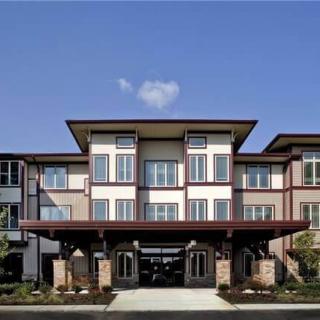

  • Four Seasons at Monroe

    Four Seasons at Monroe

    Monroe, NJ

    4 from 10 reviews
     

    pro Medication management and meal service with dietary accommodations; near shops and services.

  • Renaissance at Cranbury Crossing

    Renaissance at Cranbury Crossing

    Monroe, NJ

    4.1 from 13 reviews
     

    pro Small, personalized care in a close-knit setting with nearby amenities.

  • Encore Monroe

    Encore Monroe

    Monroe, NJ

    4.8 from 5 reviews
     

    pro Active 55+ community with extensive amenities and maintenance-free living.

  • Waterside Villas

    Waterside Villas

    Monroe, NJ

    4.3 from 58 reviews
    $2,400 to $2,650 / month

    pro Friendly, helpful staff; well-maintained, attractive apartments with active community life.

  • Greenbriar Stonebridge

    Greenbriar Stonebridge

    Monroe, NJ

    4.5 from 63 reviews
     

    pro Comprehensive care, modern amenities, and dietary accommodations with strong connectivity.

  • Elms of Cranbury

    Elms of Cranbury

    Cranbury, NJ

    3.9 from 119 reviews
     

    pro Attentive staff, clean environment, and effective rehabilitation.

  • Brookdale Monroe

    Brookdale Monroe

    Monroe Township, NJ

    4.5 from 102 reviews
    $4,760 to $7,210 / month

    pro Warm, engaging community with dedicated staff and memory care expertise.

  • Parker At Monroe

    Parker At Monroe

    Monroe, NJ

    4.1 from 17 reviews
    $3,810 to $4,953 / month

    pro Continuum of care on a single campus with competitive pricing.

Related Resources

  • nursing home costsA Detailed Examination of Nursing Home Costs Across the U.S.
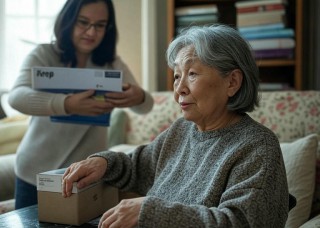
    Nursing home care costs in the U.S. vary significantly based on location, level of care, and amenities, with private room prices ranging from approximately $6,700 to over $30,000 monthly. Families need to explore various payment options and conduct thorough research to manage these expenses effectively.

  • non medical home careExploring Nonmedical Home Care: Understanding Services, Costs, and Financial Approaches

    Nonmedical home care provides assistance with daily activities and companionship for individuals wishing to maintain independence and quality of life at home, without medical intervention. Its growing popularity is driven by an aging population, the need for supportive environments for recovery, and the emotional benefits of caregiver companionship, while costs vary based on service frequency and location.

  • brain games for seniorsEngaging Brain Games and Innovative Apps to Keep Senior Minds Active
    Maintaining cognitive fitness through engaging in various brain games, both traditional and digital, is crucial for seniors as it enhances memory retention, problem-solving abilities, and emotional well-being while helping to protect against age-related decline. A holistic approach that includes diverse activities, physical exercise, a balanced diet, and social interaction further supports mental health and cognitive function.