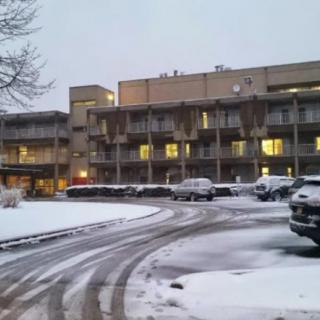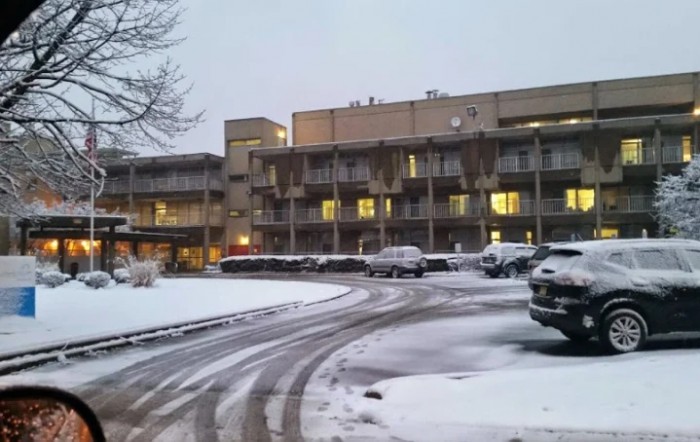


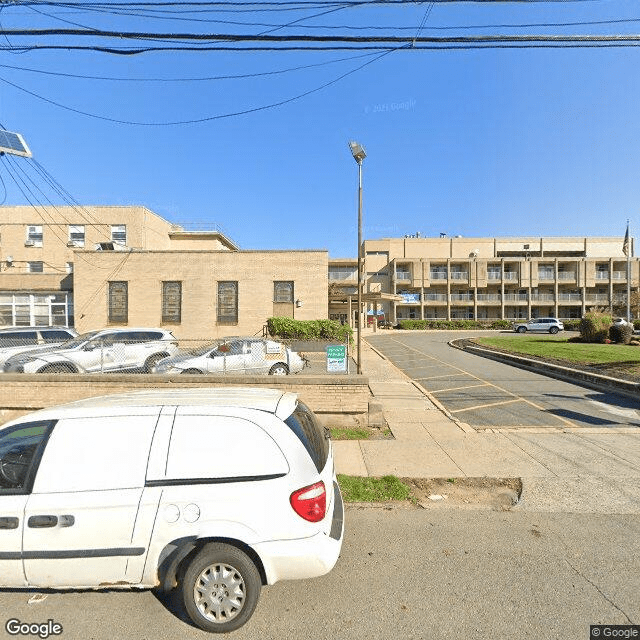
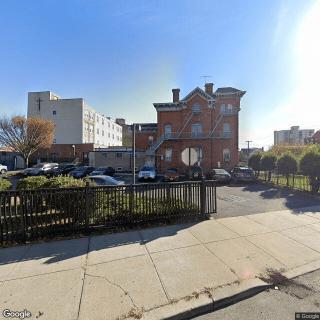
198 Stevens Ave, Jersey City, NJ 07305
To contact a resident: (201) 451-9000
For more information about senior living options: (866) 208-4318
Overall Review of Franciscan Home & Rehab
Pros
 There are a handful of aides who go far beyond what is expected of them.
Cons
 The family was never informed that the grandma was hospitalized.
- The facility is dirty and smells, with bathrooms that leak and pose slip hazards.
- A resident reportedly threw a TV at someone, indicating unsafe behavior on site.
- The staff appear clueless about patient care and take too long to respond to nurse calls.
- The building is dirty, hot in summer and cold in winter, and requires forced improvements.
- The place should be shut down, and people are advised not to place anyone there or to get loved ones out.
Review
Best suited for families with no viable alternatives and the ability to supervise care closely, this Jersey City community does not meet the bare minimum of safe, dignified senior living. Across multiple accounts, the recurring issues are cleanliness, basic safety, and accountability, which means the default expectation should be relentless family oversight rather than independent resident stability. For anyone prioritizing transparent communication and dependable care, alternatives are not just preferable but essential. In practice, this facility demands a willingness to stay on top of every detail, challenge misstatements, and be ready to act quickly if conditions deteriorate. That is the practical reality facing families weighing a move here.
Cleanliness and safety are the non-negotiables that consistently fail. Residents describe a dirty environment, persistent odors, and leaks that create slip hazards in bathrooms that should be safe and sanitary. The building is repeatedly portrayed as dirty and deteriorating, with noticeable temperature swings that leave one wing uncomfortably cold and another oppressively warm. Sanitation concerns appear ongoing, with hallway odors and general neglect contributing to a sense of systemic disregard. Communication breakdowns compound risk: families often learn of hospitalizations or injuries long after the fact, and there are serious assertions of injuries that contradict staff explanations. The absence of cameras removes a critical protective layer for vulnerable residents, and the chorus that the facility should be shut down underscores a widely held view that safety oversight is not meeting basic standards.
Yet there are glimmers of competence among the staff. A small cadre of aides is described as going beyond expectations, delivering genuine assistance and demonstrating care when present. That potential matters, but it cannot compensate for the broader pattern of neglect and mismanagement that colors the overall experience. When call bells go unanswered for extended periods, when directions about resident conditions are unclear, and when management realities hinder even basic safety and cleanliness improvements, the presence of a few conscientious workers is simply not enough to restore trust or consistency.
Consequently, serious consideration should be given to alternatives. Other facilities in the Jersey City area with sturdier records for cleanliness, dependable staffing, and proactive communication are likely to deliver a safer, more dignified experience. For families preferring in-home options, or those who can coordinate reliable home health services, those paths reduce exposure to the problems documented here. If staying local is essential, demand a facility with transparent inspection histories, adequate staffing ratios, a robust plan to address leaks and odors, and explicit procedures for notifying families about health events or injuries.
For anyone still evaluating this community, a disciplined diligence checklist is indispensable. Request the most recent state inspection reports and any corrective-action plans; talk with the director of nursing and frontline caregivers about response times and daily routines; observe during a peak shift to judge whether calls are answered promptly. Verify staffing levels, turnover, and training on safety, fall prevention, and infection control. Inquire about cameras and monitoring, and insist on clear, timely communication about any resident health events. Have a concrete contingency plan that includes alternative placements and a realistic timeline to transition if conditions do not improve within a defined period.
Bottom line: the consistent pattern of dirt, neglect, and safety concerns makes this community an unsuitable choice for most seniors. It is a place to avoid unless a family has exhausted other options and is prepared to take hands-on control of every aspect of care. Strong alternatives exist that honor dignity, cleanliness, and timely, transparent care. When a facility meets practical standards for safety, staffing, and communication, that is the standard to pursue, and it is well worth the extra effort to find that match.
 Skilled Nursing Facility
 Newark International (4 miles away)


 Comprehensive Look at Senior Blood Pressure Charts: Normal and Elevated Levels by Age
 Top Canine Companions for Older Adults
 Comprehensive Guide to Blood Pressure Charts for Older Adults: Understanding Normal and High Readings by Age