
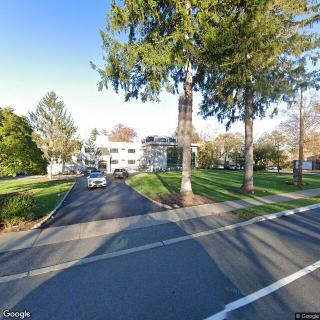
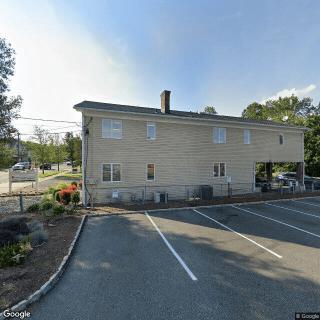
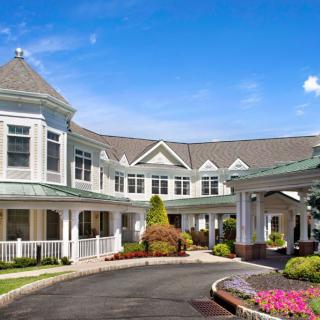
9 Ridgedale Avenue, Florham Park, NJ 07932
For more information about senior living options: (866) 208-4318
Overall Review of Cheshire Home
Pros
 Cheshire Home is described as a gift from God to the family and their loved one.
- The staff are knowledgeable, sincerely caring, and treat residents with dignity and kindness.
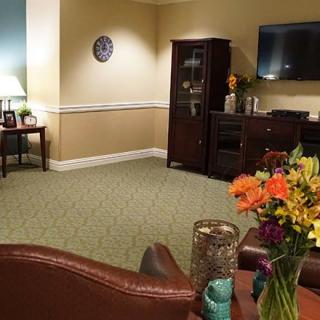
- It feels like a home away from home, offering a warm, family-like environment.
- Care is personalized, with staff going the extra mile for residents’ needs.
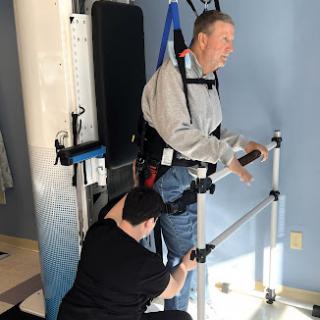
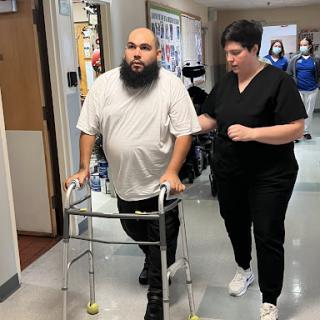
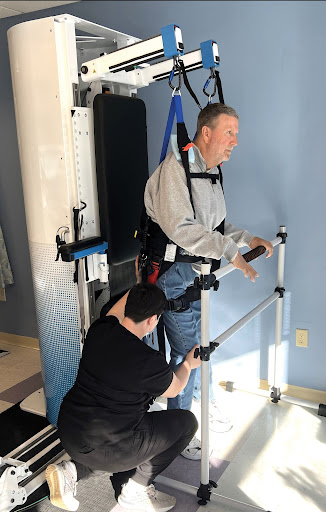
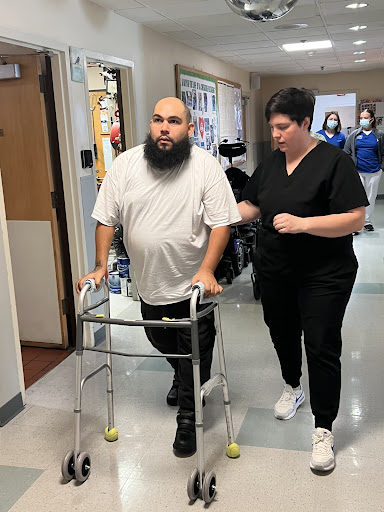
- Therapists help residents gain strength daily and support meaningful rehabilitation.
- The home provides a unique home-like environment that supports emotional, physical, and psychological recovery.
- Residents typically gain independence and successfully return to the community after rehabilitation.
Cons
 There are barely any CNAs, and the CNAs are rude, sneaky, and do not listen.
- Therapy lasts only about 30 minutes, and they barely do anything.
- It is described as a big mess there now.
- They would not recommend the facility anymore.
Review
Cheshire Home in Florham Park is best suited for young adults with spinal cord injuries or other life-changing injuries who want a rehab-forward, home-like setting as they pursue independence. The facility operates as a dedicated skilled-nursing option focused on restoring function and guiding residents toward reintegration into the community, rather than serving a broad senior population. Families considering a traditional SNF with an older-age mix or a highly metrics-driven, institutional pace will want to explore alternatives. For those who prize a warm, family-style atmosphere that emphasizes personal growth and meaningful daily participation, Cheshire offers a compelling fit.
Pros are anchored in a true home-like vibe and care that feels personal. Staff members are described as knowledgeable and sincerely invested in residents’ well-being, with particular praise for therapists who tailor work to individual needs. The program emphasizes individualized plans around goals such as regaining motor function or adapting to a power wheelchair, underpinning a hands-on, patient-focused approach. Residents report supportive emotional, physical, and psychological care, delivered with a consistency that helps stabilize routines during a difficult rehabilitation journey.
Cheshire’s mission centers on a specialized pathway for young adults pursuing independence. The setting tends to de-emphasize productivity metrics in favor of genuine attention to residents’ lives, with administration prioritizing care over numbers. This translates into opportunities for meaningful participation in rehab activities, a broader sense of community, and a sense that progress is valued. For many, the environment feels like a family, an important factor when rebuilding confidence and returning to community life after a spinal cord injury or similar trauma.
However, the experience is not uniformly perfect. Some reviews raise concerns about staffing gaps, with reports of limited CNAs and discourteous behavior. Therapy time is described variably, with some residents receiving as little as 30 minutes per day, which can stall progress. Administrative challenges and a perception of declining consistency in care have also surfaced, creating instability for families relying on predictable routines. These negatives largely offset the positives only if frontline staffing and therapy cadence are unstable; with reliable CNA coverage and regular, adequate therapy, the home-like, personalized approach remains compelling. When staffing is solid, residents can still progress within a supportive, family-like environment.
Alternatives will appeal to families prioritizing flawless staffing coverage, longer and more frequent therapy sessions, and tighter administrative oversight. Those who need steady CNA presence around the clock or who expect rigorous scheduling and documentation may find Cheshire’s current gaps challenging. It may not be the best fit for seniors outside the target young-adult demographic, or for families seeking a more standardized, outcomes-driven SNF experience. In sum, the decision hinges on whether the home-like, individualized rehab path outweighs potential staffing and therapy inconsistencies.
When weighing Cheshire, the decisive factor is alignment with long-term goals: home-based independence and meaningful rehabilitation for young adults with spinal cord injuries, balanced against the realities of staffing reliability and therapy cadence. Prospective families should engage in frank conversations about CNA coverage, therapy hours, and administration stability, and should insist on meeting current residents and observing routines. A proactive approach, visiting the site, speaking with the director and caregivers, and requesting a detailed care plan with measurable milestones, will reveal whether Cheshire is the right home for the journey toward renewed independence.
 35 resident community capacity
 Board and Care Home
 Skilled Nursing Facility
 Beauty salon
 Cable or satellite TV
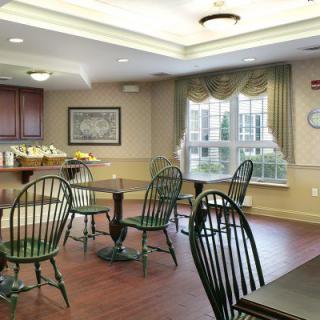
 Dining room
 Fully furnished
 Garden
 Housekeeping services
 Kitchenette
 Move-in coordination
 Outdoor space
 Restaurant-style dining
 Small library
 Telephone
 Wi-Fi/high-speed internet available
 Newark International (14 miles away)
 24-hour call system
 Activities of daily living assistance
 Assistance with bathing
 Assistance with dressing
 Assistance with transfers
 Diabetes diet
 Medication management
 Mental wellness program
 Special dietary restrictions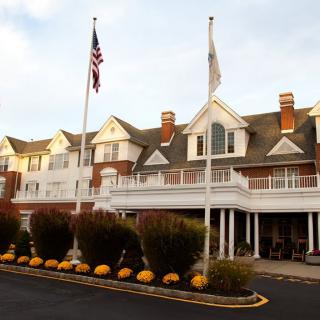

 Home Health Care Demystified: A Comprehensive Guide for Families and Caregivers
 Seniors and Modern Transportation: Exploring Uber, Lyft, and Other Ride-Hailing Options
 Comprehensive Guide to Qualifying for Home Health Care Services