


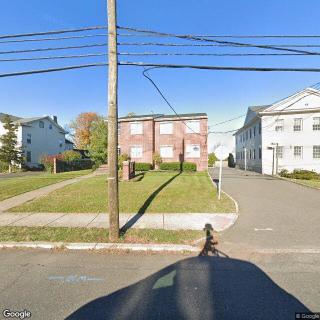
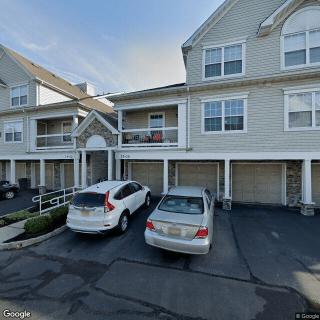
10 Brunswick Avenue, Edison, NJ 08817
For more information about senior living options: (866) 208-4318
Overall Review of Jfk Hartwyck At Edison Estates
Pros
 The place is described as pretty good.
- The staff are said to be by and large doing their best.
- A nurse arriving to take a temperature is portrayed as a fortunate moment.
Cons
 The staff isolated a COVID patient, left them to sleep all day and not eat, and failed to address a comorbidity, leading to pneumonia; something is drastically wrong.
- A mother was neglected for a week—given wrong meds, not given necessary meds, and left in a hallway in a wheelchair for hours, while a roommate’s son verbally threatened her; it’s awful in every way.
- A handicapped sister arrived delirious with a fever of 105 and an oxygen level of 78, and no one at the facility realized how sick she was; the care was dangerously inadequate.
- The overall experience is described as one of the most horrible, and it is advised not to place loved ones there.
Review
This community is not suitable for seniors who require reliable medical oversight or post-acute rehabilitation. It offers little guarantee of safe medication management, timely response to needs, or clean, supervised environments. The best-fit profile is limited: residents with only light assistance needs and a family guardian who can monitor daily and press for accountability. For anyone with significant health conditions, complex medical needs, or a high risk of infection or deterioration, alternatives with stronger clinical governance and better staffing should be the default. In short, JFK Hartwyck At Edison Estates reads as a last-resort option for most seniors and their families, not a dependable home for those counting on consistent medical care or dignified daily living.
Families should actively seek alternatives when the top priorities are safety, consistent medical oversight, and transparent, responsive care. Look for facilities with robust staffing ratios, clear medication administration protocols, and open pathways for family involvement without fear of retaliation or excuses. Check state inspection reports, staffing data, and recent complaints to gauge whether governance actually follows policy. If rehabilitation, post-hospital recovery, or memory care are needed, identify communities with dedicated nursing supervision, on-site physicians or nurse practitioners, and reliable risk management practices. The Edison Estates experience suggests that these safeguards may be missing or inconsistently applied elsewhere in the market.
From the limited positives, the surface impression that staff are only “doing their best” evaporates quickly under pressure. The core issue is not a lack of kindness but systemic lapses that endanger life: medication errors, neglect, and unsafe patient handling described as routine rather than exceptions. Even when staff respond, failures in triage and escalation leave families facing irreparable harm. The facility’s warmth and courtesy cannot compensate for fundamental deficits in clinical judgment, accountability, and hygiene that residents and their loved ones rely on every day. This is not a place where compassionate talk substitutes for consistent, compliant care.
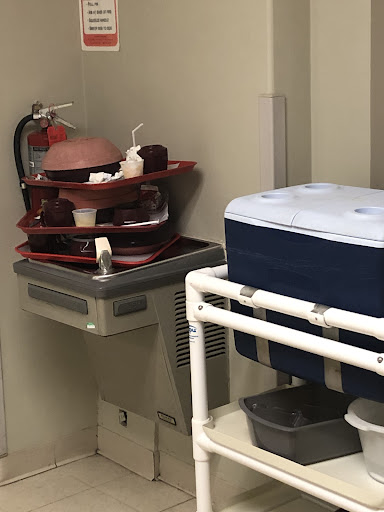
Concrete red flags include a resident isolated in a hallway, left without adequate nutrition, and deteriorating due to infection after a period of neglect; another case involved a sister with a fever of 105 degrees and dangerously low oxygen, requiring urgent hospital transfer. Reports describe a patient experiencing severe sepsis after a short stay, with delays in recognizing deterioration and delivering essential medications. There are even accounts of violent roommate situations treated as normal by staff, underscoring a dangerous environment. These episodes illuminate a pattern: medical mismanagement, poor monitoring, and unsanitary conditions that undermine any attempt at rehabilitative progress. The message is stark: risk is real, and the safety net is unreliable.
Given these realities, the informal “best efforts” by some staff do not offset the severity of the cons. The facility’s failures reflect gaps in leadership, accountability, and clinical governance that cannot be resolved by kindness alone. Corrective action would require measurable improvements in med-pass accuracy, infection control, incident reporting, and resident safety protocols, along with transparent communication with families. Until such improvements become evident, any potential benefits from small comforts or courteous staff are outweighed by the overwhelming risk to residents’ health and life. A practical decision is to pursue communities with verifiable, consistent safety records and demonstrable medical oversight.
Practical guidance for families: prioritize facilities with solid state inspections and verifiable staffing ratios; demand a detailed care plan, daily medication logs, and clear escalation processes; tour at multiple times and speak with front-line caregivers, supervisors, and residents; request references from recent residents’ families and check with the state ombudsman. If medical complexity or post-acute recovery is anticipated, pursue communities with on-site medical oversight and stronger clinical protocols. In short, strongly prefer options that demonstrate consistent safety, proactive care, and accountable management, and reserve this Edison Estates option only if no better choice exists and family oversight can be persistent and unequivocal.
 280 resident community capacity
 Skilled Nursing Facility
 Air-conditioning
 Beauty salon
 Cable or satellite TV
 Computer center
 Dining room
 Fitness room
 Fully furnished
 Gaming room
 Garden
 Housekeeping services
 Kitchenette
 Move-in coordination
 Outdoor space
 Private bathrooms
 Restaurant-style dining
 Small library
 Telephone
 Wellness center
 Wi-Fi/high-speed internet available
 Newark International (17 miles away)
 Community operated transportation
 12-16 hour nursing
 24-hour call system
 Activities of daily living assistance
 Assistance with bathing
 Assistance with dressing
 Assistance with transfers
 Diabetes diet
 Medication management
 Mental wellness program
 Special dietary restrictions
 Concierge services
 Planned day trips




 Navigating Medicare Coverage for In-Home Care Services
 In-Home Care Costs in 2025: A Detailed State-by-State Exploration
 Understanding Home Health Care: A Comprehensive Guide