For more information about senior living options: (866) 208-4318
3.6 from 80 reviews
5 stars
39
4 stars
10
3 stars
7
2 stars
4
1 stars
20
JFK Hartwyck at Oak Tree Costs & Pricing
At JFK Hartwyck at Oak Tree, the monthly costs for accommodations reflect both the quality of care provided and the regional market standards. For a semi-private room, residents can expect to pay $9,600, which is notably higher than the average of $6,083 in Union County and $5,068 statewide in New Jersey. Similarly, private rooms at Hartwyck are priced at $10,350, surpassing the local average of $7,358 and the state average of $5,799. These figures suggest that while JFK Hartwyck offers premium services likely justifying the cost difference, potential residents should consider how these expenses align with their expectations for care and community within a competitive marketplace.
Floor plans
JFK Hartwyck at Oak Tree
Union County
New Jersey
Semi-Private
$9,600
$6,083
$5,068
Private
$10,350
$7,358
$5,799
Skilled Nursing Facilities with a similar price nearby
Residents describe therapy programs that can lead to real functional gains.
Several residents and families say rehabilitation and therapy helped a loved one improve cognition, strength, and ability to walk or talk. A number of reviews specifically single out physical therapy and brain-injury/cognitive-focused therapy as standout parts of the stay. Even where other aspects drew criticism, multiple reviewers still praised the therapists and described improvements made during the program.
caveat15 reviews mention this
Staffing and response time disappoint
Multiple reviewers report staffing and responsiveness issues that left patients waiting for basic help.
Many reviews raise concerns about delays and inadequate follow-through, including missed schedules for care and follow-up needs after discharge. Residents describe problems getting assistance in time, with examples such as delayed therapy or doctor access, late medication, alarms that weren’t addressed, and situations where care needs were not met promptly. Some reviews also describe call buttons, repositioning, and nighttime coverage as unreliable, contributing to worsening conditions and distress for families.
caveat5 reviews mention this
Cleanliness concerns and pests recur
Some residents and families report cleanliness lapses and even pests in the building.
A handful of reviews describe the facility as dirty or unclean, with specific accounts of unsanitary conditions. Others mention vermin or pest-related problems, including sightings of rodents and concerns about cockroaches. A separate theme is inconsistent hygiene practices, with one review describing sanitation and cleaning not matching expectations.
common6 reviews mention this
Care is described as mixed at best
Reviews are split, with many saying some staff are kind while other care fell short.
Across the reviews, there are repeated acknowledgements that certain nurses, aides, and therapists can be polite, helpful, and caring. At the same time, multiple reviewers criticize staff professionalism and compassion, saying patients were left in poor conditions or treated without adequate respect. Taken together, it reads like experience varies by shift and coverage, even when individual caregivers earn praise.
How we summarize
Counts show how many written reviews mention each theme; a review can touch several themes, and only frequently mentioned themes are displayed.
Features
Types of Care
Memory Care
Skilled Nursing Facility
Amenities
Private
Transportation
Newark International (13 miles away)
Care Services
High acuity care
Nearby Places of Interest
This part of Edison, New Jersey, offers a convenient and diverse range of amenities for seniors looking to settle in the area. With multiple pharmacies such as CVS, Rite Aid, and Walgreens located within a short distance, access to medication and healthcare supplies is easily accessible. Additionally, there are various dining options available ranging from fast-food chains like McDonald's to sit-down restaurants like The Cheesecake Factory. Transportation is also convenient with nearby train stations like New Jersey Transit- Metropark Station and Edison Station for easy travel. For medical needs, there are reputable physicians and hospitals nearby such as University Radiology Group and Hackensack Meridian Health Raritan Bay Medical Center. Parks like Ponderosa Farm Park and cafes like Panera Bread provide opportunities for leisurely activities and socializing. Furthermore, places of worship are readily available for spiritual support within the community. Overall, this part of Edison offers a well-rounded environment conducive to senior living with easy access to essential services and recreational facilities.
Pharmacies
CVS Pharmacy (0.7 miles)
Rite Aid (2 miles)
Walgreens (3.1 miles)
CVS Pharmacy (3.6 miles)
Walgreens (4 miles)
Garden State Dispensary (4.2 miles)
Walgreens (4.3 miles)
Restaurants
Hibachi Grill & Supreme Buffet (1 miles)
The Cheesecake Factory (2.7 miles)
Chick-fil-A (3.5 miles)
McDonald's (3.5 miles)
Jose Tejas (4 miles)
Chick-Fil-A (4 miles)
Big Shots Sports Bar & Grill (4.1 miles)
Transportation
New Jersey Transit - Metropark Station (2.4 miles)
NJT - Metuchen Station (2.5 miles)
NJT - Edison Station (4.4 miles)
NJT - Rahway Station (5.5 miles)
New Brunswick Train Station (6.7 miles)
Physicians
University Radiology Group (2.7 miles)
Raritan Bay Cardiology (4.2 miles)
Medemerge (5.6 miles)
University Radiology (6.5 miles)
Cancer Institute of New Jersey (6.8 miles)
Premier Urology Group (7 miles)
Watchung Pediatrics (7.1 miles)
Theaters
AMC DINE-IN Menlo Park 12 (2.9 miles)
2220 Amc New Brunswic (6.4 miles)
Parks
Ponderosa Farm Park (3.4 miles)
Merrill Park (3.4 miles)
Columbia Park (4.4 miles)
Forest Road Park (5 miles)
Milton Lake Park (5.3 miles)
Grandview School Play Ground (5.4 miles)
Mindowaskin Park (5.7 miles)
Cafes
Panera Bread (3.7 miles)
Starbucks (4.1 miles)
Wegmans Food Markets (4.5 miles)
Starbucks (6.4 miles)
Starbucks (6.6 miles)
Starbucks (8.2 miles)
Deli Plus (8.2 miles)
Places of Worship
Our Lady of Fatima Roman Catholic Church (4.5 miles)
Muslim Center of Middlesex County (5.9 miles)
Somerset Presbyterian Church (7.8 miles)
Church of the Little Flower (7.9 miles)
Chinese Christian Church (8 miles)
Hospitals
Hackensack Meridian Health Raritan Bay Medical Center (6.3 miles)
Robert Wood Johnson University Hospital (6.9 miles)
Emergency Department, St Peter's University Hospital (6.9 miles)
At JFK Hartwyck at Oak Tree, the monthly costs for accommodations reflect both the quality of care provided and the regional market standards. For a semi-private room, residents can expect to pay $9,600, which is notably higher than the average of $6,083 in Union County and $5,068 statewide in New Jersey. Similarly, private rooms at Hartwyck are priced at $10,350, surpassing the local average of $7,358 and the state average of $5,799. These figures suggest that while JFK Hartwyck offers premium services likely justifying the cost difference, potential residents should consider how these expenses align with their expectations for care and community within a competitive marketplace.
The article compares assisted living and skilled nursing facilities, detailing their differing levels of assistance, medical support, cost structures, and day-to-day experiences. It emphasizes that assisted living is for those needing help with daily activities while maintaining independence, whereas skilled nursing facilities provide intensive medical care with 24-hour staff supervision.
Vibrant Senior Living emphasizes active senior living communities that promote independence and engagement through diverse amenities and activities, fostering wellness and social interaction among older adults. These communities range from independent to assisted living, with a focus on personal growth, family involvement, financial planning, and leveraging technology to enhance residents' experiences.
Assisted living provides moderate support for seniors seeking independence, while memory care offers specialized support for individuals with dementia or cognitive impairments through structured routines and trained staff. Key differences include care approaches, environment security measures, staff training levels, activity types, and cost considerations.
Get PricingAsk A QuestionSchedule A TourContact Senior Advisor
By clicking submit, you agree to our Partner's Terms of Use. You
also consent to receive calls and texts, which may be autodialed, from our Partner. Your consent is not a condition to
using our Partner's service. Please visit our Partner's Privacy Policy for information about their privacy practices.


 Memory Care
 Skilled Nursing Facility
 Private
 Newark International (13 miles away)
 High acuity care
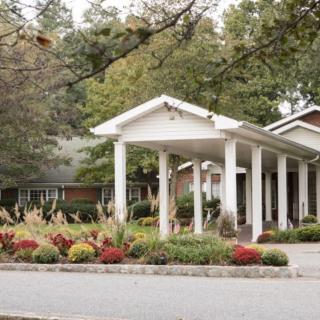
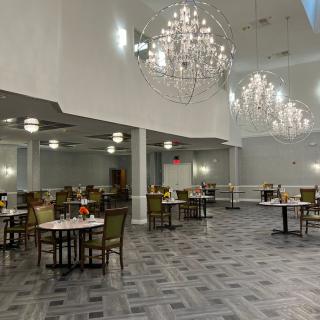
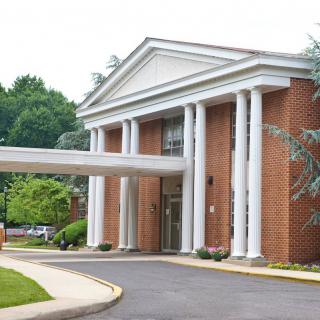
 Attentive staff delivering personalized care within a well-equipped, social environment.
 Exploring the Contrasts Between Assisted Living and Skilled Nursing
 Vibrant Senior Living: A Comprehensive Guide for Active Older Adults
 Assisted Living and Memory Care: Understanding Their Core Differences