
502 Route 9 North, Cape May Court House, NJ 08210
For more information about senior living options: (866) 208-4318
Overall Review of Oceana Rehabilitation And Nursing Care
Pros
 A nice older nurse named MaryJane took care of the mother.
- The mother was improving under MaryJane's care.
- MaryJane kept the mother dry, fed, and her sores healing.
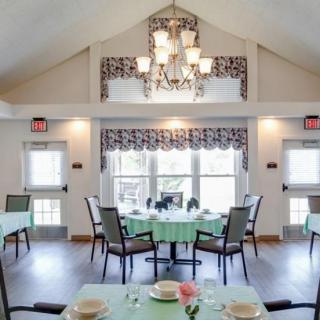
- The home was described as beautiful.
- The family remembers MaryJane's care positively.
Cons
 The facility smelled strongly of urine in the newer area where the mother was placed.
- The mother developed bedsores and never recovered after MaryJane left.
- The care declined after the room was moved to the other side of the building.
- The mother stopped eating during the stay.
- The mother expressed that she did not want to live anymore if she could not wash herself.
Review
Oceana Rehabilitation And Nursing Care in Cape May Court House is best suited for families seeking a small, home-like environment where frontline caregivers can deliver genuine, day-to-day attentiveness. The setting can feel warmly domestic in the right moments, and when a dedicated aide is on duty, the resident’s basic needs, dryness, feeding, and simple wound care, can be met with consistency. This community rewards families who value visible bedside care and a friendly, personal approach from the staff. In short, it works best for residents who respond well to a caregiver-centered rhythm and who can tolerate variability in other areas without losing trust in the people providing hands-on daily care.
Those weighing alternatives should consider the realities of staffing stability and environmental cleanliness. The lone review highlights how quickly a positive impression can falter if the care team changes or if the resident is moved to a different area. When that happens, concerns about wound management, hydration, and overall comfort can rise. Families with residents who require steady, highly coordinated wound and nutrition support, or who are especially sensitive to routine disruptions and odors, may want communities with stronger continuity of care, cleaner wing environments, and more predictable care plans.
The strong point in this account is the impact of a single, attentive caregiver who maintained basic needs and contributed to healing when circumstances aligned. MaryJane’s presence is described as dry, attentive, and effective at keeping the patient fed and comfortable, with wounds improving under that care. Those gains, however, appear fragile in the face of staff turnover and relocation within the building. When the patient was moved to a newer area, the narrative shifts to deterioration, suggesting that the beneficial effects of personal attention are tightly linked to consistent caregiving assignments rather than to the facility as a whole.
On the other hand, the downsides are substantial and must be weighed seriously. The same care episode illustrates how quickly a positive trajectory can reverse when a resident is relocated. The move coincided with a troubling change in the environment, an odor issue in the new area, and a decline in the patient’s condition, including the return of bedsores and a loss of appetite. These factors are not minor irritants; they directly affect dignity, comfort, and the likelihood of meaningful recovery or maintenance. In short, environmental hygiene and stable, continuous staffing emerge as critical failure points in this setting.
For families evaluating this community, a practical, focused visit checklist is warranted. Inquire about current staffing models: Are residents consistently assigned to the same care team, or does turnover routinely rotate shifts and wings? Seek clear answers on wound prevention protocols, pressure ulcer prevention, and how promptly changes in appetite or skin integrity are escalated. Assess housekeeping and odor control in the current wing, and request a tour of the area where a loved one would reside to observe cleanliness firsthand. Request references from families whose loved ones had similar needs to gauge how stability and communication were handled over time.
Ultimately, Oceana can work for families who prioritize a warm, responsive caregiver dynamic and are comfortable insisting on strong, ongoing oversight and consistency. The major caveat is clear: without reliable staff continuity and a consistently clean, well-managed environment, the benefits of personal attention may be overwhelmed by preventable complications and quality-of-life concerns. If a family cannot secure a stable care team and a consistently hygienic setting, it is wise to explore alternatives with proven track records in wound care, odor control, and long-term staffing stability, and to use decisive, upfront commissioning conversations to set expectations before placing a loved one.
 116 resident community capacity
 Skilled Nursing Facility
 Air-conditioning
 Beauty salon
 Cable or satellite TV
 Computer center
 Dining room
 Fitness room
 Fully furnished
 Gaming room
 Garden
 Housekeeping services
 Kitchenette
 Move-in coordination
 Outdoor space
 Private bathrooms
 Restaurant-style dining
 Small library
 Telephone
 Wellness center
 Wi-Fi/high-speed internet available
 Community operated transportation
 12-16 hour nursing
 24-hour call system
 Activities of daily living assistance
 Assistance with bathing
 Assistance with dressing
 Assistance with transfers
 Diabetes diet
 Medication management
 Mental wellness program
 Special dietary restrictions
 Concierge services
 Planned day trips





 Understanding the Sandwich Generation: Stress and Responsibilities for Multigenerational Caregivers
 8 Essential Assistive Devices for Older Adults
 Navigating the Financial Road to Nursing Home Care: In-Depth Guidance and Resources