

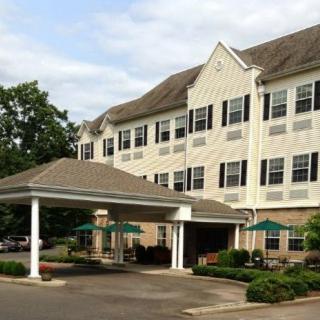
111 Finderne Ave, Bridgewater, NJ 08807
To contact a resident: (908) 722-4140
For more information about senior living options: (866) 208-4318
Overall Review of New Jersey Eastern Star Home
Pros
 They care about the patients and answer questions well.
- The facility has an easy-to-use visitor sign-in system that enhances safety for families and residents.
- The NJ Eastern Star team is dedicated and genuinely cares, consistently providing compassionate, high-quality care.
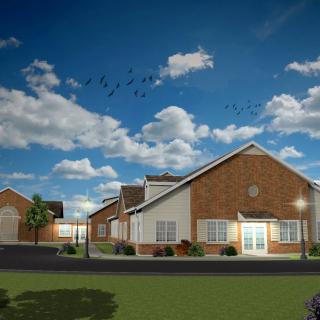
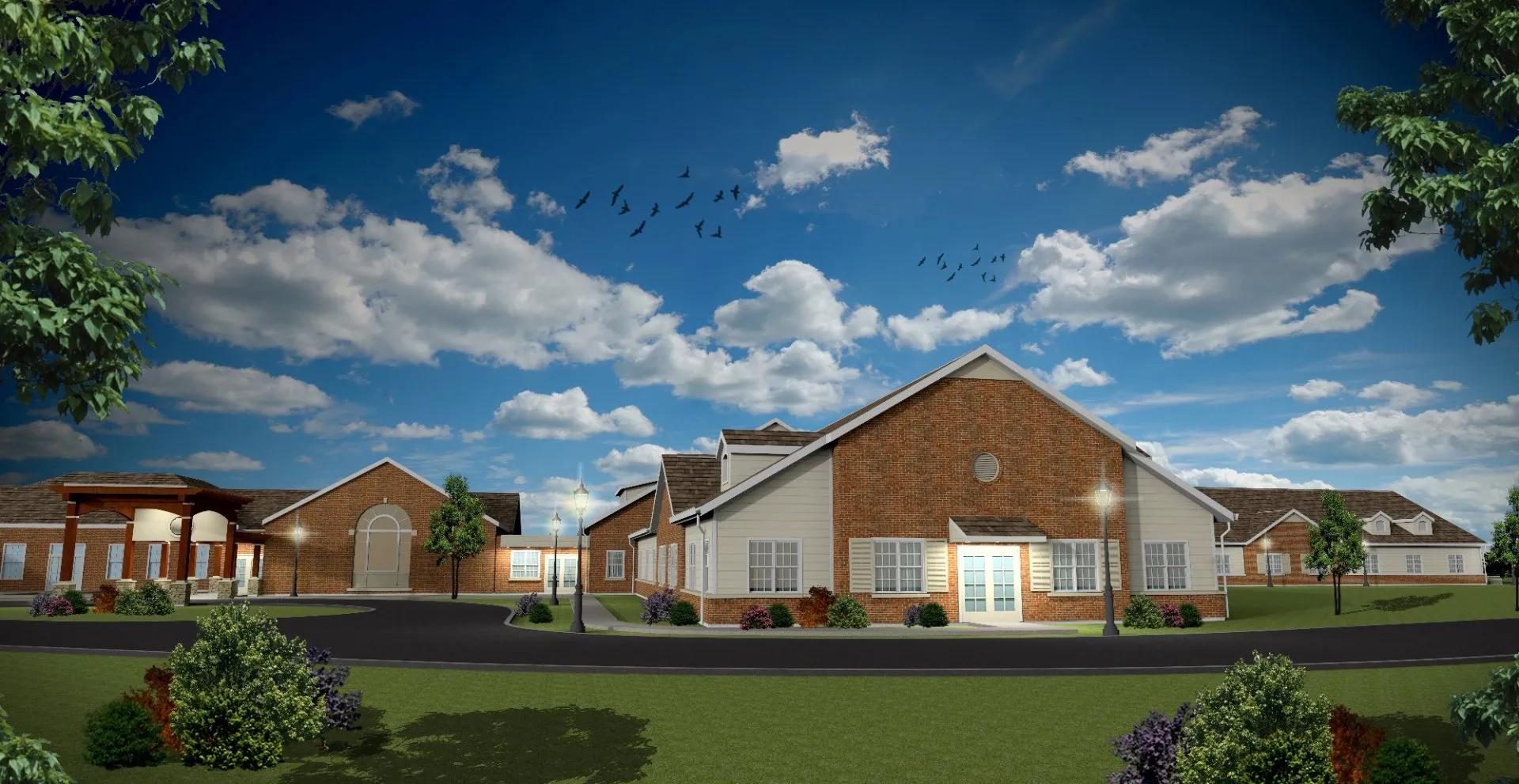
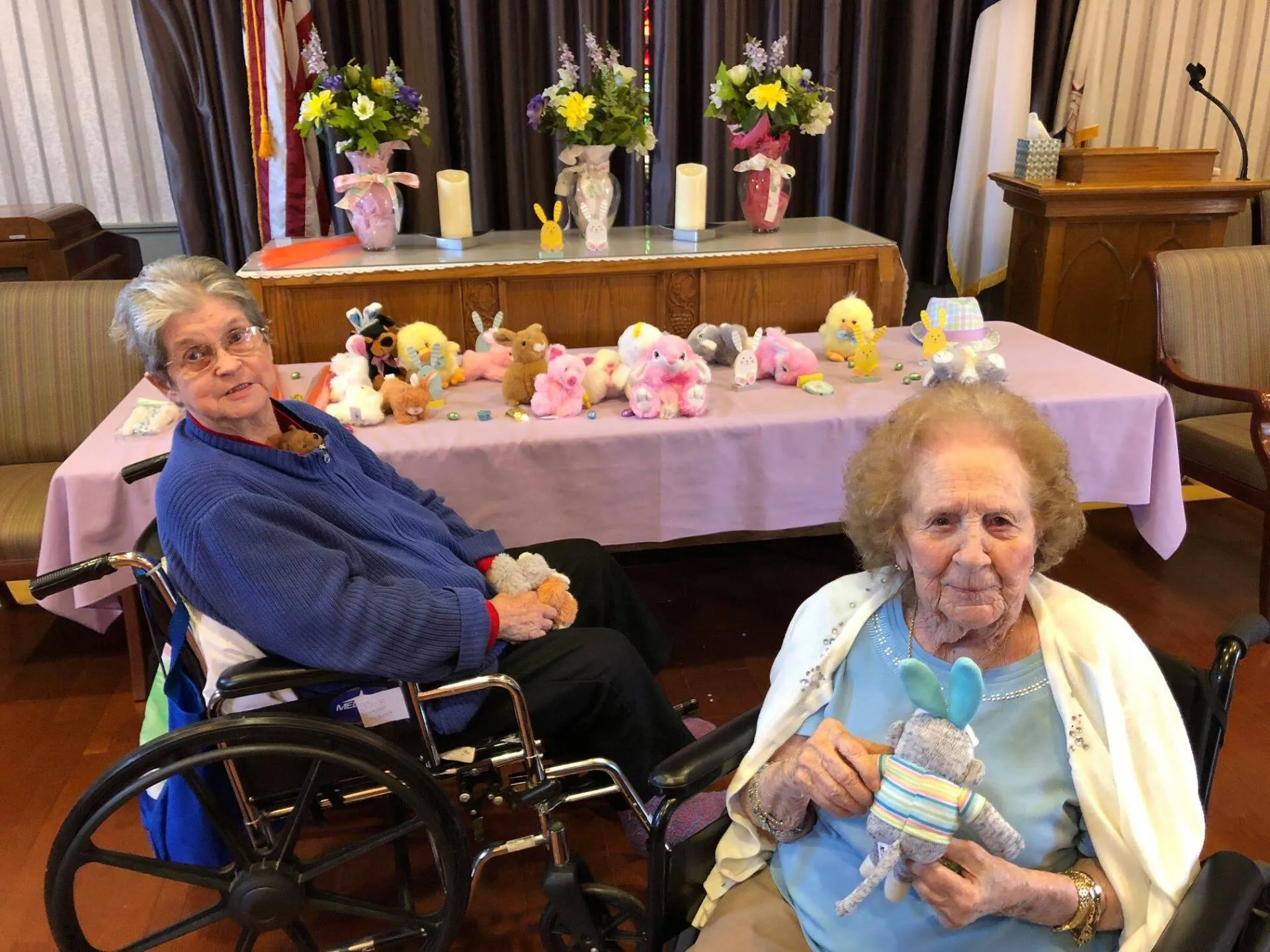
- The facility is state-of-the-art with excellent medical treatment and attentive to residents' social and emotional well-being.
- Residents feel safe, enjoy good food, and are surrounded by many loving staff.
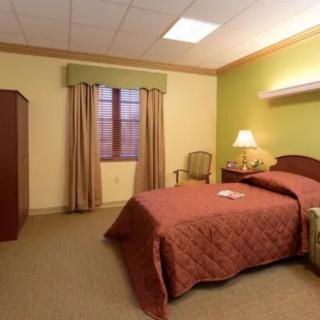
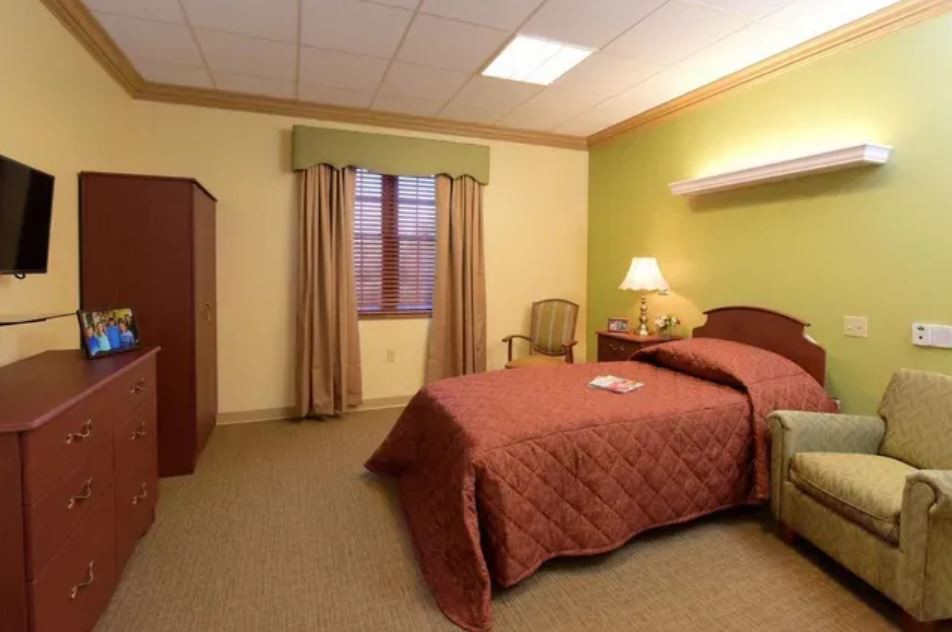
- The rooms are clean and cozy, with spacious bathrooms, and the rehabilitation and nursing staff are wonderful and informative when needed.
- The staff are amazing, attentive, and kind, with knowledgeable and warm nurses who treat every patient well.
Cons
 The staff can be slow sometimes.
- The weapon detector feels excessive for a nursing home and signals serious security issues.
- The reviewer would never return to this facility due to its security measures.
- The room was dirty, with a filthy toilet and dirty pillowcase, and staff showed little reaction to the cleanliness concerns.
- The admission process for short-term respite care was a waste of time and not well explained.
- Urgent matters were not taken seriously, and communication about care decisions was poor.
- The facility appeared seriously understaffed, leading to long delays to assist residents.
- There is concern that patients could be asked to sign things without full understanding, implying potential misuse.
Review
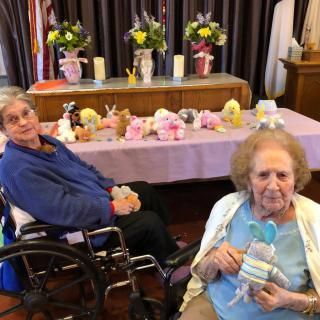
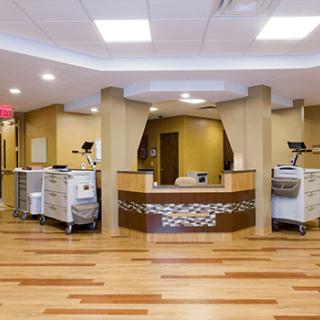
New Jersey Eastern Star Home in Bridgewater is best suited for families seeking skilled nursing care with a strong rehab focus, where compassionate, attentive staff and a social, homelike atmosphere support daily recovery and ongoing well‑being. The facility earns praise for patient‑centered care, solid rehabilitation programs, large rooms with comfortable baths, and tasty, well‑liked dining. For a loved one who benefits from consistent clinical attention combined with warmth and personal connection, this community often delivers tangible progress and a sense of safety within a welcoming setting.
However, families should consider alternatives if administrative clarity and responsiveness are nonnegotiable. Several reviewers describe admission and discharge conversations that feel opaque or inconsistent, with misunderstandings about guidelines, bed availability, and coverage. Instances of slow or uneven communication, especially from admissions and leadership, underscore a need for buyers to probe for written policies and a clear point person. Those with urgent transfer needs or who demand immediate, frictionless coordination may find the process smoother elsewhere.
The strongest positives here offset some of the notable cons in practical, decision‑driving ways. The rehabilitation department is repeatedly described as outstanding, with knowledgeable nurses and therapists who stay engaged, explain plans, and drive meaningful mobility gains. The care teams are repeatedly praised for their attentiveness and kindness, and the environment, clean, cozy rooms, generous bathrooms, and a facility touted as state‑of‑the‑art, supports a comfortable, dignified stay. When the focus is getting a loved one back on their feet and into a stable routine, these clinical strengths make a meaningful difference that can outweigh occasional service delays.
Safety and peace of mind also play a central role in how this community is evaluated. A modern visitor protocol and visible safety measures are viewed by many families as reassuring, contributing to a sense of control and protection for residents. Yet a single review cautions that some security steps feel excessive for a nursing home, highlighting that families should weigh personal comfort with security approaches. The balance here is practical: safety is prioritized without sacrificing the humane, person‑centered care that characterizes the best days in this community.
Cleanliness, staffing levels, and the admissions maze emerge as the most variable factors. Positive accounts emphasize consistently clean spaces, welcoming staff, and reliable information from dedicated nurses. Negative experiences focus on rooms needing attention before transfer, delayed responses at night, and frustration with admission decisions that appear rigid or poorly explained. These contrasts matter when evaluating a long‑term commitment: they suggest that while a strong, compassionate team and robust rehab can anchor a resident’s recovery, there is real risk of frustration if administrative processes and bedside responsiveness do not keep pace with clinical excellence.
The practical recommendation is concrete. If choosing this community, arrange a thorough on‑site tour focused on therapy availability, nurse–patient ratios, and day‑to‑day responsiveness. Ask for written admission criteria, the exact process for appeals or transfers, and a clear outline of Medicare/insurance expectations. Request to speak with current families about their ongoing experience with communication and discharge planning. Confirm the POA and ensure all advance directives are honored, so that decisions during a crisis are straightforward. With that groundwork, New Jersey Eastern Star Home can be a dependable, comforting home‑base that powerfully supports recovery and well‑being; if administrative transparency or a consistently brisk intake process are nonnegotiable, alternatives deserve serious consideration.
 Skilled Nursing Facility
 Newark International (23 miles away)




 Exploring Palliative Care in the Home: A Comprehensive Overview
 Comprehensive Insights into Palliative Home Care: What It Is and What to Expect
 Skilled Nursing Facilities vs. Nursing Homes: Making Sense of the Differences