Laurelton Village Costs & Pricing
Laurelton Village presents a unique pricing structure for its residential care options, particularly in comparison to both Ocean County and the broader New Jersey market. For semi-private accommodations, residents can expect to pay $7,050 per month, which is notably higher than the county average of $4,532 and also exceeds the state average of $5,068. When considering private room options, Laurelton Village charges $7,650, again surpassing both Ocean County's rate of $6,422 and New Jersey's average of $5,799. This trend indicates that while Laurelton Village may offer enhanced amenities or services justifying their premium rates, potential residents should carefully assess how these costs align with their personal budgets and care expectations.
| Floor plans | Laurelton Village | Ocean County | New Jersey |
|---|
| Semi-Private | $7,050 | $4,532 | $5,068 |
| Private | $7,650 | $6,422 | $5,799 |
Skilled Nursing Facilities with a similar price nearby
-
from +$330 / mo

Concord Healthcare and Rehab Center
$7,380 to $8,040 / month
2.4 miles away
-
from -$300 / mo

Atlantic Coast Rehab and Health Care Center
$6,750 / month
4.3 miles away
-
from -$377 / mo
Preferred Care at Old Bridge
$6,673 to $7,217 / month
23.4 miles away
-
About the same
Tower Lodge Care Center
$6,900 / month
8.2 miles away
-
from +$750 / mo
Harmony Village at CareOne Jackson
$7,800 / month
7.7 miles away
Overall Review of Laurelton Village
common
27 reviews mention this
Cleanliness is a recurring strength
Residents repeatedly describe the facility as very clean.
Cleanliness comes up again and again, with multiple visitors calling out spotless rooms, clean hallways, and a clean smell throughout the building. Several reviews also describe specific areas—like private rooms and the memory unit—as clean, well kept, and cared for. A few negative reviews still criticize cleanliness, including issues with bathrooms and floors, so the experience isn’t uniform across every stay.
common
Staff kindness and responsiveness stand out
Residents and families frequently describe staff as kind and helpful.
Across many reviews, people emphasize being greeted warmly, getting help quickly, and feeling supported during rehab and longer stays. Several comments also credit specific roles like therapists, nurses, social workers, admissions, and front desk staff for explaining things clearly and checking in when families have questions. A smaller set of reviews counters this by describing communication problems and instances where care didn’t feel consistently coordinated, especially at the unit level.
common
Therapy and rehab support gets praise
Therapy staff are frequently described as knowledgeable and encouraging.
Many reviews highlight physical and occupational therapy as a key part of recovery, describing therapists who keep patients working toward goals and help them regain mobility. Several people also mention activities tied to rehab, like staying engaged and participating in structured sessions. Alongside the praise, a few residents describe therapy as not meeting expectations, including accounts of understaffing or insufficient support.
differentiator
3 reviews mention this
Private rooms are appreciated
Private rooms are available and called out positively.
Several reviewers specifically note that private rooms are available, describing that as a meaningful upgrade during rehab. One review also frames private rooms as a reason they felt comfortable placing a loved one there. A downside theme is not tied to room privacy in these reviews, but other complaints focus more on staffing and day-to-day coordination.
caveat
9 reviews mention this
Staffing and coordination issues appear
Some reviews raise concerns about staffing and medical coordination.
A set of reviews describe care that felt inconsistent because of staffing shortages or gaps in supervision, including claims of being short-staffed during periods like storms. Others mention medication timing problems, communication breakdowns, or needing outside intervention to get care addressed. There are also very serious accounts alleging medical lapses, and these reviews directly contradict the otherwise strong themes about responsiveness and care quality.
caveat
7 reviews mention this
Food quality is mixed
Food quality is described both positively and negatively.
Some reviewers say meals are decent, portions are good, or that dietary needs are handled with attention, and at least one describes the food as excellent. Others describe food as terrible, not hot, or just “so-so,” and one review reports diet concerns after complaints. Taken together, dining appears to vary by unit or timeframe rather than landing in one consistent experience across all stays.
How we summarize
We summarize when many written reviews mention each theme; a review can touch several themes, and only frequently mentioned themes are displayed.

 Skilled Nursing Facility
 Private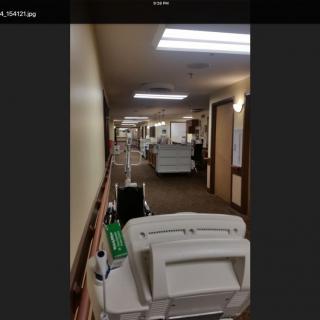
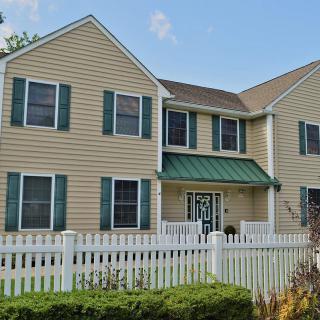
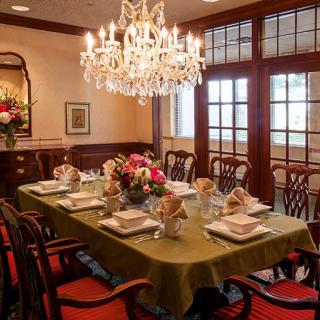
 Fully furnished private apartments with restaurant-style dining, wellness programs, and transportation.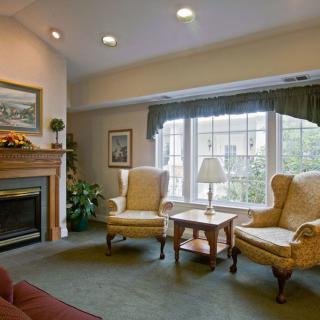

 Seniors and Modern Transportation: Exploring Uber, Lyft, and Other Ride-Hailing Options
 Comprehensive Guide to Qualifying for Home Health Care Services
 Powerful Realities of Elder Abuse and the Most Effective Ways to Report It