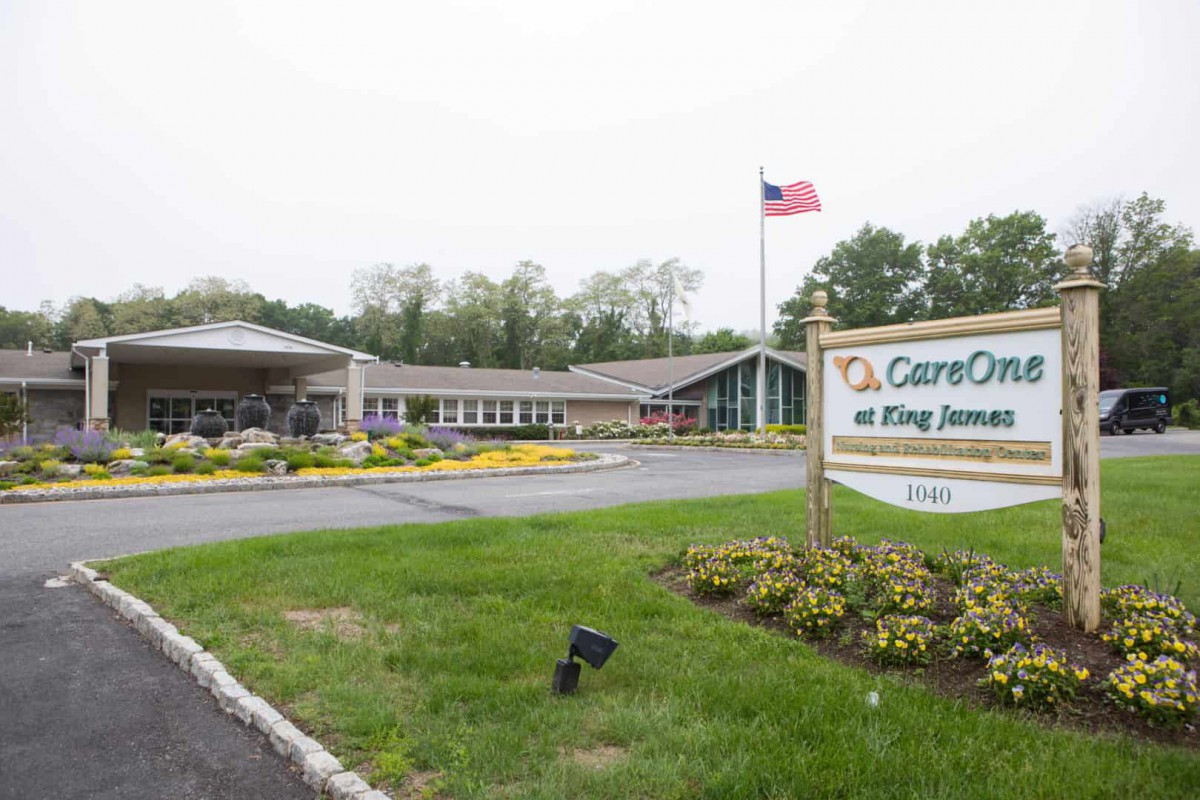
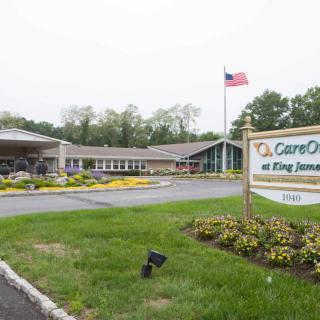
1040 Route 36, Atlantic Highlands, NJ 07716
For more information about senior living options: (866) 208-4318
Overall Review of Care One At King James
Pros
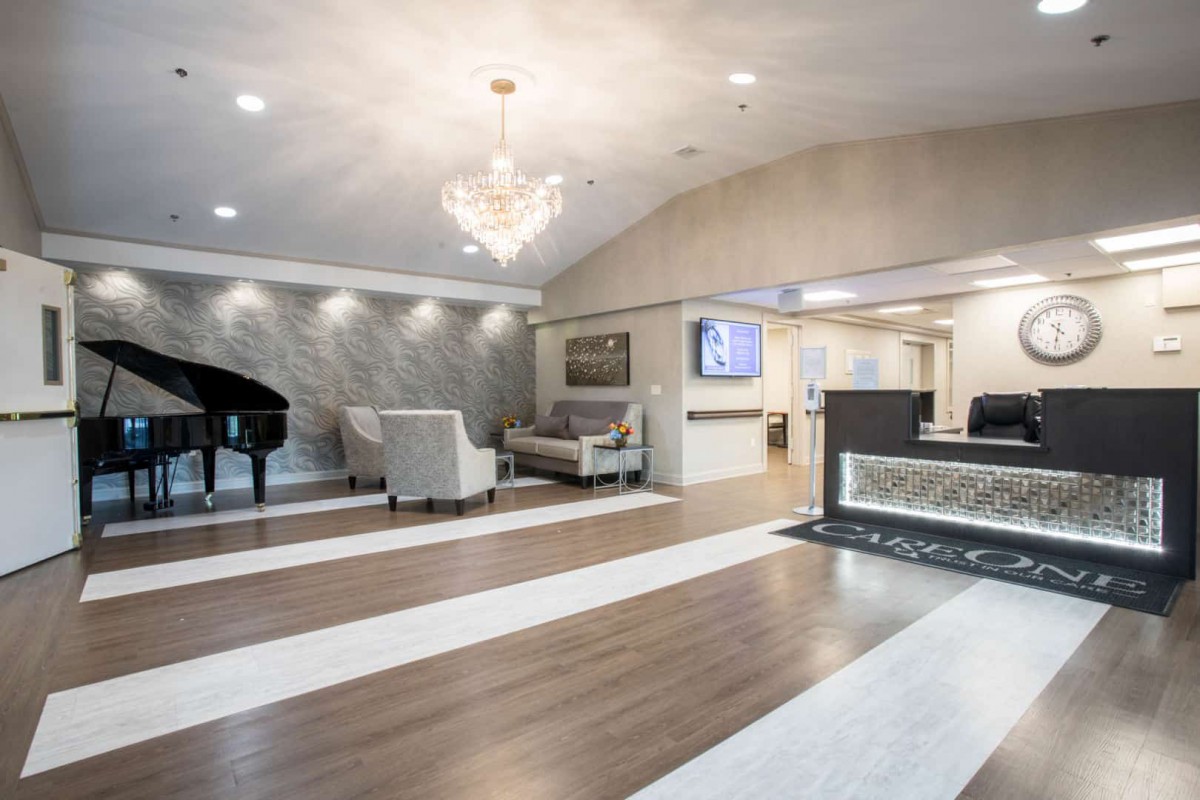
 The place was nice, clean, and well run.
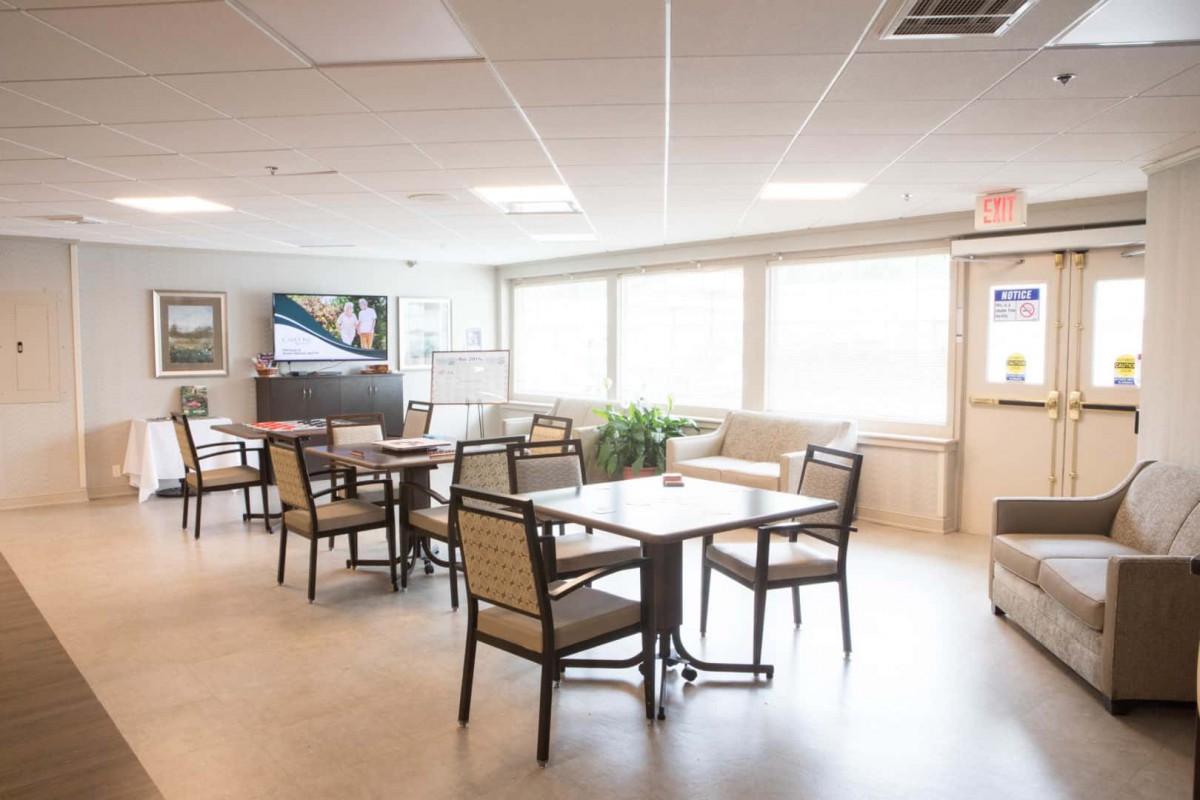
- It was bright and cheerful, with people around.
- There were always people around, and he was never left alone.
- He was fed properly and it was great.
- There is always something for people to do, and staff talk to them and help them eat.
- King James is clean, cheerful, and bright.
Cons
 She was seriously injured on the first day, and the impact is still being felt.
- The staff did not give her medication.
- The care was not as precise or as diligent as expected.
- The staff are short-handed and cannot monitor residents one-on-one.
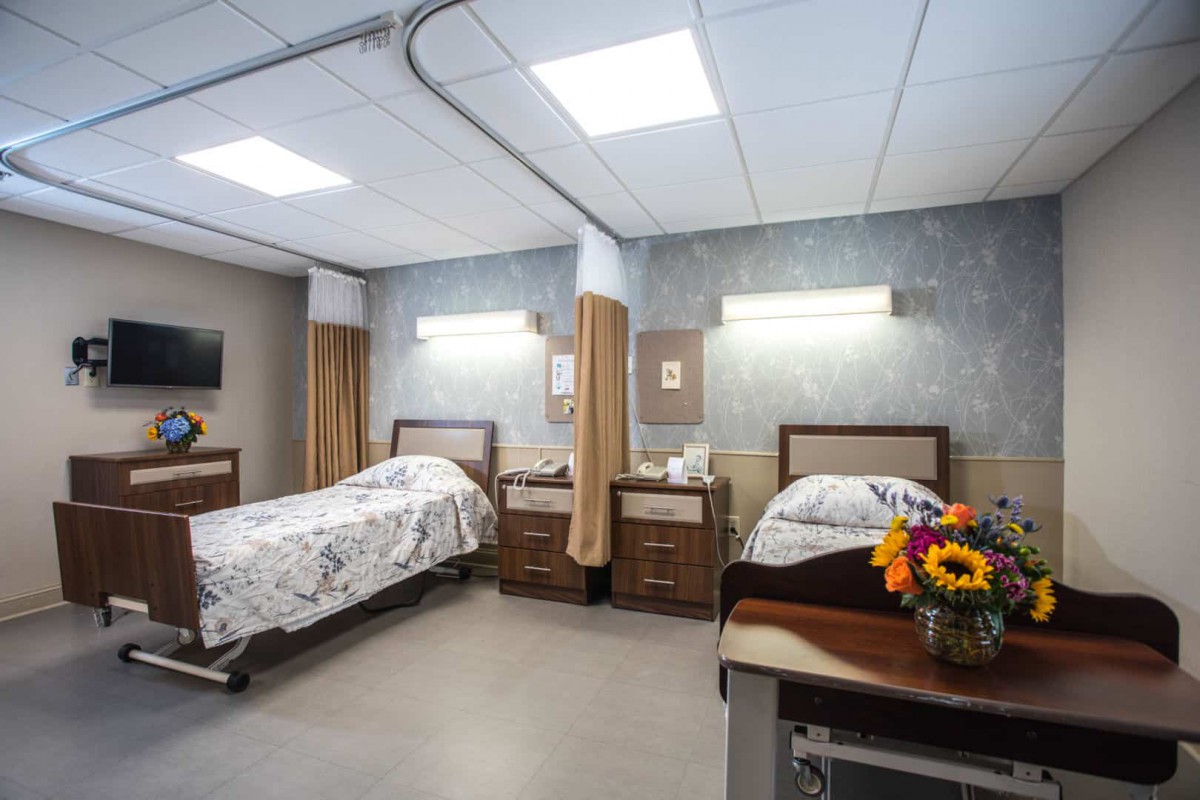
- The facility looks unsanitary, with dirty walls, dirty bathrooms, and dirty linen in sitting areas.
- Nurses performing wound care on a roommate table raise concerns about the spread of germs.
Review
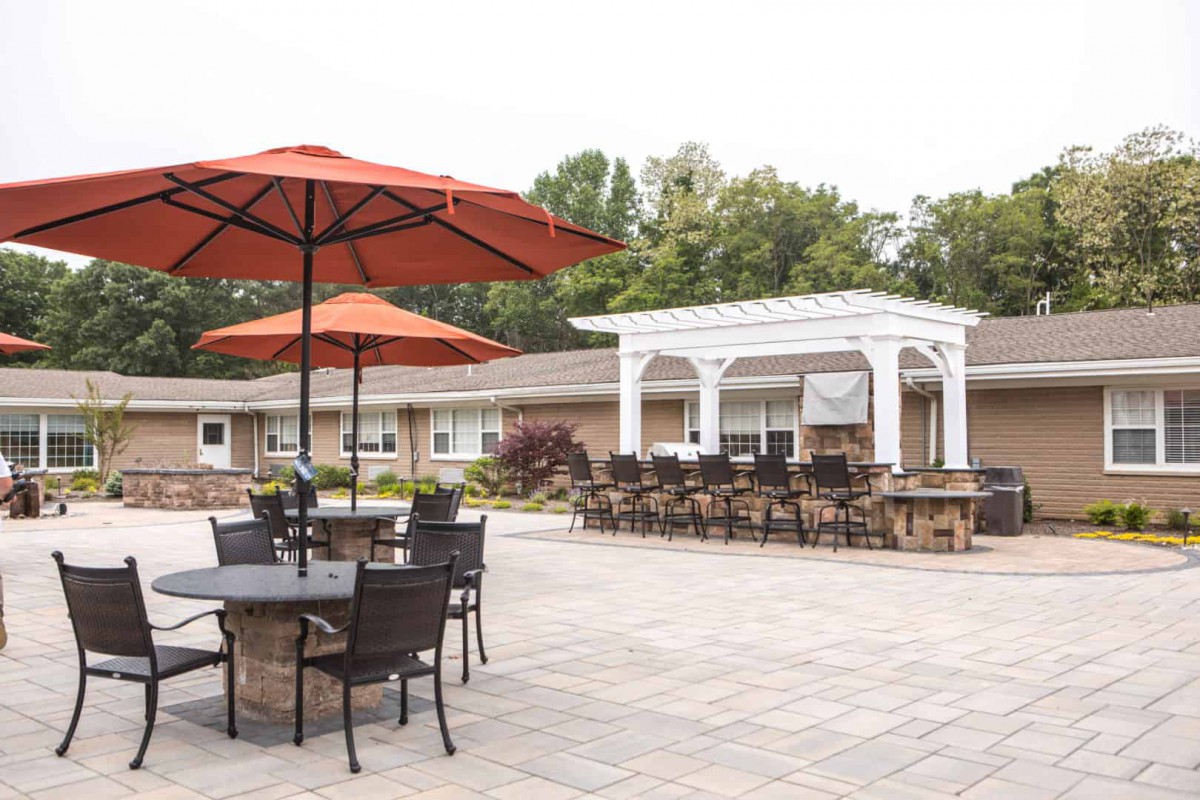
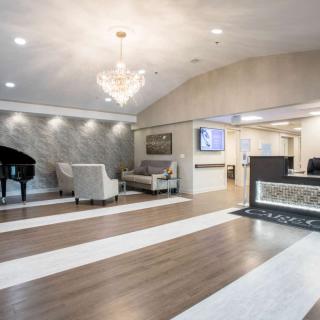
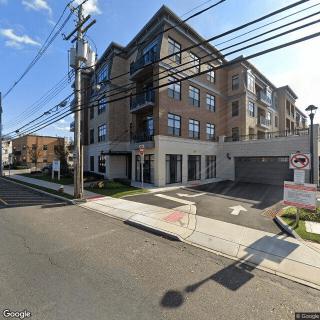
Care One at King James in Atlantic Highlands is best suited for families seeking a bright, socially active environment for a short-term transition or post-acute recovery where visible staff presence and engaging programming help keep residents connected. The facility sits in a newer building, with clean lines and easy accessibility that can be reassuring during a discharge from hospital stays. For residents who respond well to daily routines, group activities, and frequent social interaction, this setting can provide welcome momentum, neighbors to talk with, activities to attend, and staff who appear available for help during the day. When things go well, a resident can regain appetite, mood, and some independence quickly, which makes it appealing for families prioritizing liveliness and a sense of normalcy in the early days of recovery.
At the same time, the community should be approached with clear knowledge of its potential trade-offs. Those facing complex medical needs or requiring high-touch, one-on-one supervision may want to consider alternatives. The reviews consistently flag a need for strong oversight, precise medication administration, and rigorous daily monitoring. For a resident whose care plan hinges on meticulous nursing attention or protection from lapses in routine, other facilities with demonstrably higher staffing ratios and more robust medical protocols may deliver more consistent peace of mind. Families with residents who prefer a more clinical, tightly controlled environment should proceed cautiously here.
The strongest positives revolve around atmosphere and engagement. Several accounts describe a setting that is bright, cheerful, and frequently busy with activities and social interaction. When staff are present and attentive, residents can be fed appropriately and enjoy companionship, which supports mood and hydration. A favorable narrative notes that residents who stayed for shorter periods benefited from a sense of energy, interaction, and visible attempts by caregivers to keep residents involved in meals and conversations. In those favorable cases, the facility functions as a legitimate hub of social contact that can help a recovering resident feel connected and engaged during the transition from hospital care.
However, those positives are tempered by significant, affecting concerns. The most troubling reports describe a serious injury on the first day after placement, followed by ongoing worries about safety and vigilance. Medication lapses, with a resident not receiving prescribed drugs, were cited as a concrete failure in care. Staff shortages and limited capacity for one-on-one monitoring were repeatedly mentioned, suggesting that not all residents will receive the consistent attention their conditions require. Sanitation and cleanliness also appeared as recurring red flags, with remarks about dirty walls, bathrooms, and linen, and even instances of wound care performed in a shared roommate setting. These issues create real risk and undermine trust in day-to-day safety.
For families who still weigh this community, actionable guardrails are essential. Insist on a transparent, written care plan with specific medication administration procedures, a defined nurse-to-resident ratio for day and night shifts, and daily housekeeping protocols with documented checks. Request examples of recent incident reports and a clear path for escalating concerns. If possible, arrange a short, supervised trial period to observe how care teams respond to medical needs, meals, and daily activities. Also, review state inspection summaries and speak directly with the administrator about concrete improvements in staffing, sanitation, and wound-care practices. These steps are not merely prudent; they are necessary to determine whether this environment can reliably support a loved one’s safety and recovery.
Overall, Care One at King James embodies a practical paradox: a lively, accessible setting that can catalyze social engagement and short-term improvement, yet a facility with notable safety and hygiene gaps that can jeopardize even well-intentioned care. For certain residents, those who thrive on activity, companionship, and a less rigid medical routine, it can be a good fit when there is strong oversight and a clear, enforceable plan. For anyone whose loved one requires steady, exacting medical care, strong infection control, or near-constant supervision, alternatives are worth pursuing. In the decision-making process, prioritize evidence of reliable staffing, rigorous medication practices, and demonstrable cleanliness improvements above all else, and let those benchmarks drive the final choice.
 127 resident community capacity
 Skilled Nursing Facility
 Air-conditioning
 Beauty salon
 Cable or satellite TV
 Computer center
 Dining room
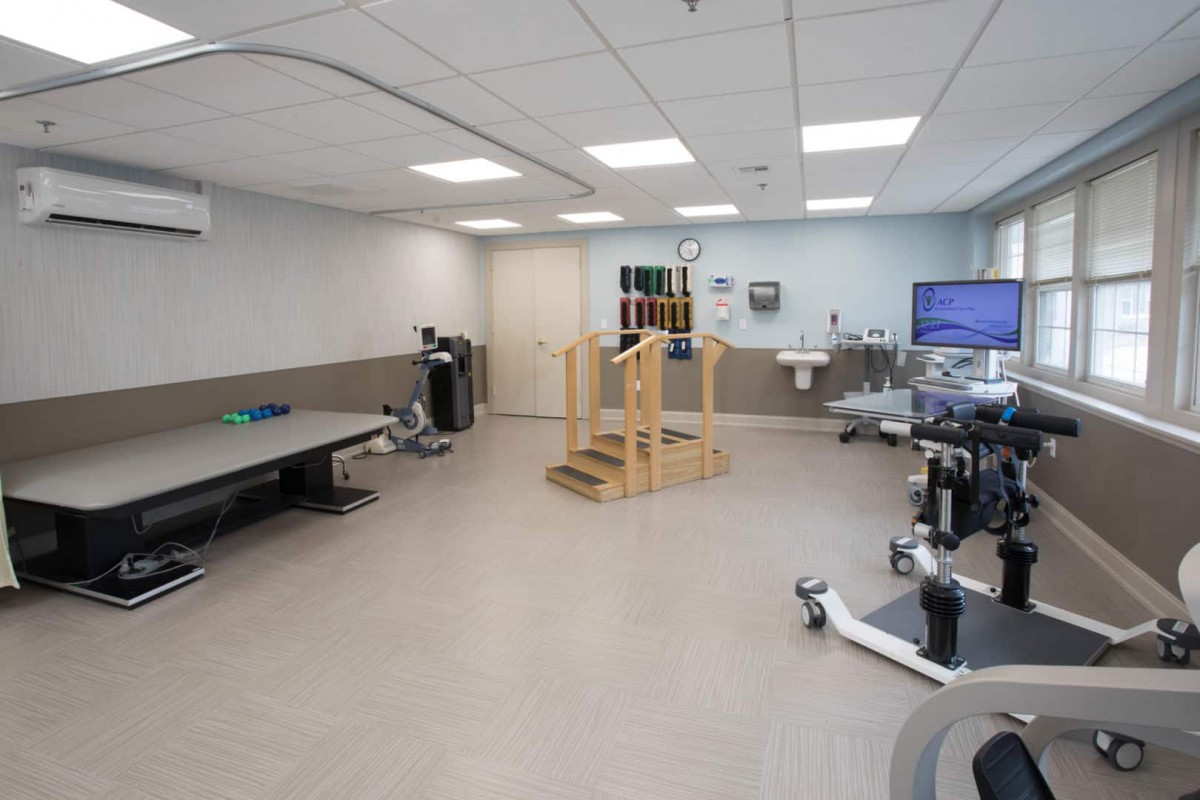
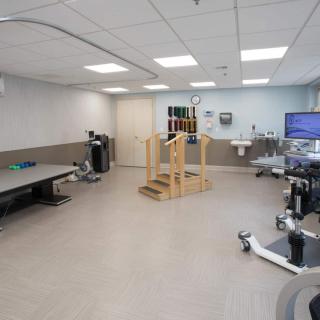
 Fitness room
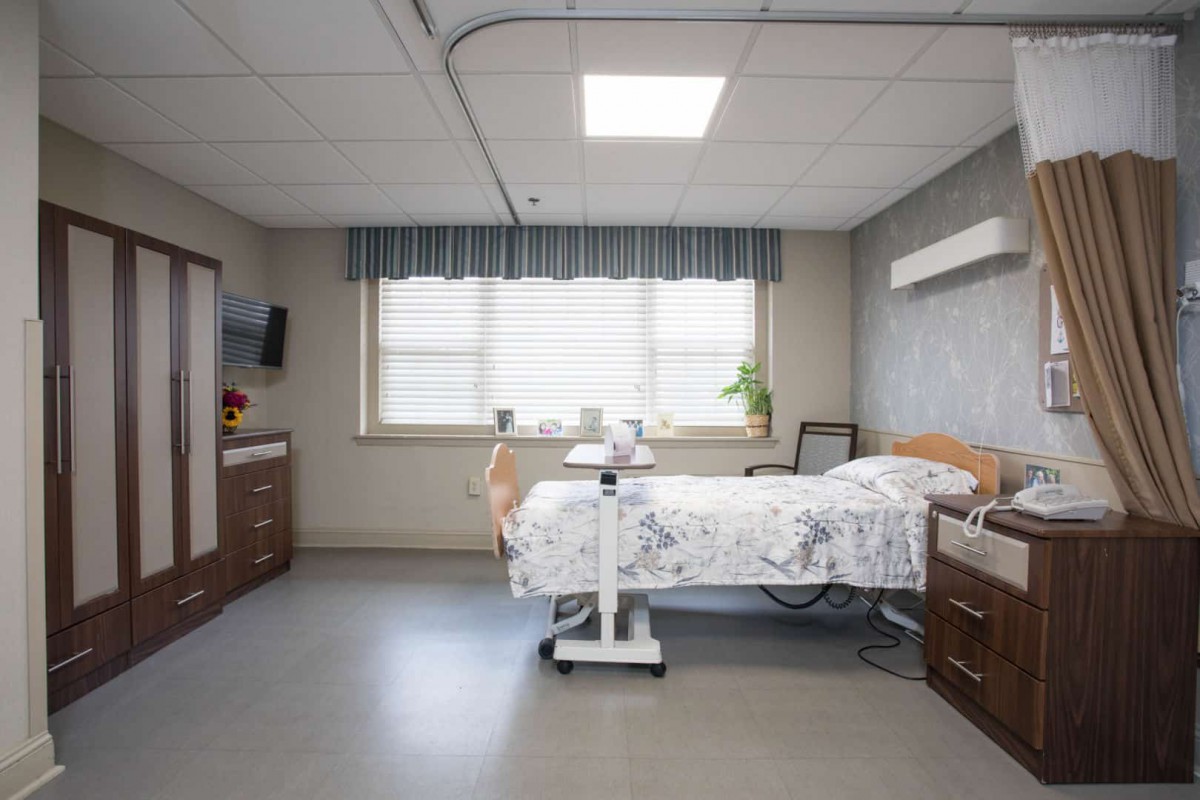
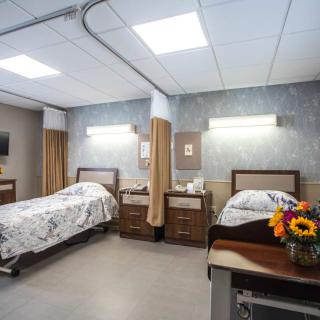
 Fully furnished
 Gaming room
 Garden
 Housekeeping services
 Kitchenette
 Move-in coordination
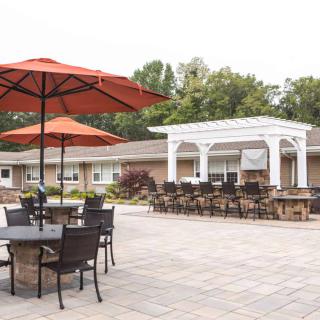
 Outdoor space
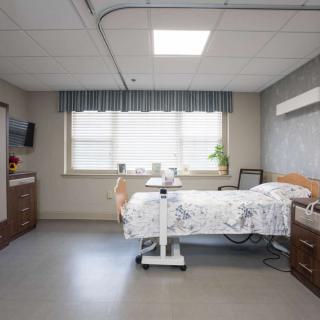
 Private bathrooms
 Restaurant-style dining
 Small library
 Telephone
 Wellness center
 Wi-Fi/high-speed internet available
 John F Kennedy International (20 miles away)
 Community operated transportation
 12-16 hour nursing
 24-hour call system
 Activities of daily living assistance
 Assistance with bathing
 Assistance with dressing
 Assistance with transfers
 Diabetes diet
 Medication management
 Mental wellness program
 Special dietary restrictions
 Concierge services
 Planned day trips




 A Detailed Examination of Nursing Home Costs Across the U.S.
 Exploring Nonmedical Home Care: Understanding Services, Costs, and Financial Approaches
 Engaging Brain Games and Innovative Apps to Keep Senior Minds Active