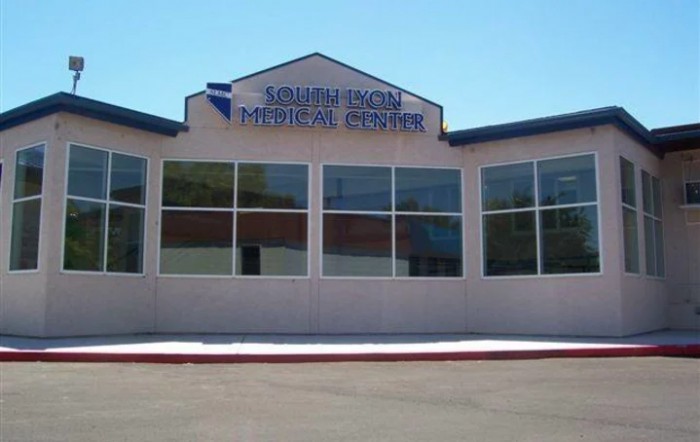
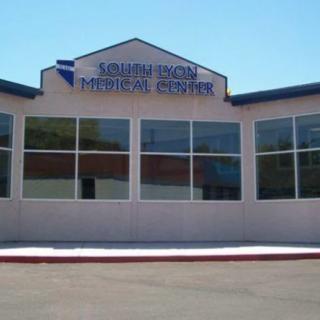
South Lyon Medical Center

Save

South Lyon Medical Center

P.O. Box 940, Yerington, NV 89447

For more information about senior living options: (844) 490-3973

2.9 from 26 reviews
5 stars
8
4 stars
2
3 stars
4
2 stars
3
1 stars
9

Skilled Nursing Facility

Overall Review of South Lyon Medical Center

Pros

  • pro The doctors and nurses were really nice there.
  • pro Dr. Welsh is really great.
  • pro Dr. Marleen is really great.
  • pro The providers do care.
  • pro The staff were very helpful and kind.
  • pro They were quick, kind and attentive.
  • pro They provided top-notch care.
  • pro The staff were very professional and friendly.
  • pro The doctor was knowledgeable about Sheehan's Syndrome.
  • pro The overnight experience was great.
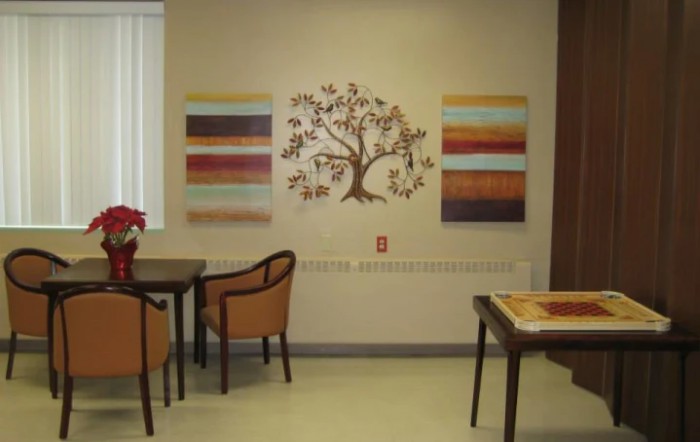
  • pro The hospital was decorated for Christmas thanks to Julia Jean Boday.

Cons

  • pro A reviewer says the hospital employs a negative and rude person who works in long-term care and should stay within her scope.
  • pro The scheduling front desk is described as the most unfriendly person on the phone.
  • pro A reviewer claims the walk-in clinic's professionals don't have a clue and refuse to provide a referral for a spine doctor.
  • pro A reviewer recounts a patient in the ER who was left in the waiting room without food and with an abusive nurse, until help arrived hours later.
  • pro A reviewer states a daughter in the ER was treated badly as if she were faking, with no pain meds for hours.
  • pro A reviewer calls the clinic "absolute garbage" and a "pathetic excuse" for a hospital/clinic.
  • pro A reviewer warns others to run as fast as they can.
  • pro A reviewer notes that a nurse was rude and turned them away.

Review

The collection of experiences at this hospital paints a picture of a place where care from doctors and nurses can be genuinely solid, even outstanding in some cases, while administrative and frontline interactions can sometimes fall short. Many reviewers emphasize kindness, professionalism, and attentiveness from medical staff, with particular praise for Dr. Welsh and Dr. Marleen. Several comments highlight that the providers truly seem to care, and that when a medical issue is being addressed, the team can be capable, thorough, and reassuring. For some patients, the care they received in the exam rooms, ER, and ICU-style settings stood in sharp contrast to frustrations they faced elsewhere, reinforcing that the medical expertise is real and valued by those who felt it.

On the positive side, multiple accounts celebrate prompt, respectful, and competent medical attention. One write-up notes that even when the ER was exceptionally busy, staff remained quick, kind, and attentive, delivering what patients felt to be top-notch care. Another reviewer recalls a granddaughter's emergency visit where the staff's professionalism and friendliness left a strong impression. In a separate instance, a patient complimented a doctor's knowledge about a specific condition - Sheehan's syndrome - and appreciated not having to explain it repeatedly, describing the overnight experience as excellent. These voices together sketch a pattern where, when the medical team is engaged, patients feel heard, supported, and confident about the diagnosis and treatment plan.

However, the other side of the ledger contains persistent concerns about administrative functioning and bedside communication outside the exam room. A number of reviewers point to the front desk and scheduling staff, with one explicitly calling the person at the Physicians Clinic scheduling front desk "the most unfriendly" they've encountered. Several stories describe a disconnect between patient needs and how questions or requests are handled in scheduling or referral processes, with remarks that administration sometimes does not address medical problems when arranging appointments or referrals. The frustration is often framed as administrative barriers rather than medical incompetence, but the impact is real: delays, confusion, and a sense that patient needs aren't being fully heard or acted upon.

Community sentiment in these reviews also reflects a tension between valuing what the hospital represents and muttering about its nonclinical shortcomings. One review speaks to pride in the hospital as a local community hub - "the home of my doctor for several years" and a place with a walk-in clinic and ER that served the area. Another note points to a decorated, community-driven environment that honors a local memory, suggesting that, despite clinical frustrations, the institution is deeply embedded in its community identity. The tension between personal affection for a local institution and dissatisfaction with administrative processes is a recurring thread, illustrating how strongly people connect to their local healthcare home even when parts of the experience fall short.

There are also alarming, highly critical accounts that describe extremely troubling frontline experiences. A reviewer recounts a patient in the ER being left in an uncomfortable waiting situation for hours, without adequate feeding, and with an abusive nurse, a scenario that rightly alarms readers about patient dignity and basic care. Another disturbing anecdote details a patient coming to the ER with chest pains and severe breathing difficulties, only to be treated as if the symptoms were faked, followed by hours with no pain relief and a fear of being left alone. A separate report claims that a patient was eventually found to have a dangerous blood clot, adding to the sense that some patients feel their serious concerns are minimized or mishandled in urgent care settings. These accounts are jarring and serve as a warning that experiences can diverge dramatically within the same system.

In sum, the narrative surrounding this hospital is multi-faceted and deeply personal. For some, the medical staff - doctors and nurses - provides compassionate, capable care that makes difficult moments more bearable, and the ER experience can be efficient and thorough when the team is aligned. For others, administrative friction, rude interactions at the front desk or over the phone, and perceived gaps in follow-through or patient advocacy create frustration and distrust. The hospital thus appears to be a place of strong professional skill and genuine care in clinical encounters, shadowed by administrative and communications challenges that can color a patient's overall experience. This mix leaves room for improvement in nonclinical operations while reinforcing the value and humanity of the clinicians who practice there.

Features

Housing

  • 49 resident community capacity 49 resident community capacity

Types of Care

  • Skilled Nursing Facility Skilled Nursing FacilitySkilled Nursing Facilities are crucial for seniors as they provide round-the-clock medical care, rehabilitation services, and assistance with daily activities. These facilities ensure that seniors receive the specialized care they need to maintain their health and well-being as they age.

Amenities

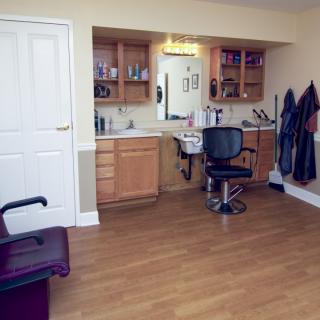
  • Beauty salon Beauty salonBeauty salons are important for seniors because they provide a space for them to feel pampered, socialize, and maintain their personal grooming and hygiene. Regular visits to a beauty salon can help boost seniors' self-esteem and overall well-being.
  • Cable or satellite TV Cable or satellite TVCable or satellite TV is important for seniors because it provides entertainment, news, and companionship, helping to combat loneliness and boredom. It also offers a wide range of programming options tailored to different interests and preferences.
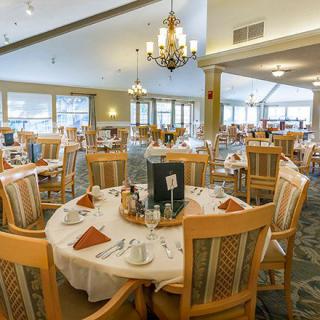
  • Dining room Dining roomDining rooms are important for seniors as they provide a space for socialization, connection, and nutritious meals. They offer opportunities for residents to bond over shared meals, foster a sense of community, and promote healthy eating habits. Dining rooms also ensure that seniors have access to well-balanced meals tailored to their dietary needs and preferences.
  • Fully furnished Fully furnishedFully furnished senior living communities are important for seniors because they provide convenience, comfort, and a hassle-free moving experience. Seniors can easily settle into their new living space without the stress of having to buy and move furniture. This allows them to focus on enjoying their new home and community.
  • Garden GardenGardens are important for seniors as they provide a peaceful and therapeutic environment for relaxation, physical activity, and socialization. Being in nature has been shown to reduce stress, improve mood, and promote overall well-being. Gardens also offer opportunities for seniors to engage in gardening activities, which can improve mobility, flexibility, and cognitive function. Additionally, gardens create a sense of community and connection with others who share a passion for plants and outdoor spaces.
  • Housekeeping services Housekeeping servicesHousekeeping services are important for seniors because they help maintain a clean and safe living environment, promote independence, and reduce the risk of accidents or illnesses. Additionally, having assistance with household chores can alleviate physical strain and allow seniors to focus on other aspects of their well-being.
  • Kitchenette KitchenetteKitchenettes are important for seniors living in senior living communities because they provide the convenience and independence of being able to prepare simple meals and snacks in the comfort of their own living space. This can help promote a sense of autonomy and well-being for seniors, allowing them to maintain some level of control over their dietary choices and daily routines.
  • Move-in coordination Move-in coordinationMove-in coordination is important for seniors because it helps ease the transition into their new living environment. It ensures that all logistics, such as packing, organizing movers, and setting up utilities are taken care of, allowing seniors to focus on settling in and adjusting to their new home. Having a smooth move-in process can alleviate stress and anxiety, making the transition smoother and more enjoyable for seniors.
  • Outdoor space Outdoor spaceOutdoor spaces are important for seniors as they provide opportunities for physical activity, social interaction, exposure to natural light and fresh air, and a sense of connection to nature. Having access to outdoor spaces can improve overall well-being and quality of life for older adults living in senior communities.
  • Restaurant-style dining Restaurant-style diningRestaurant-style dining is important for seniors because it allows them to enjoy delicious, nutritious meals in a social and upscale setting. This enhances their dining experience, promotes healthy eating habits, and fosters socialization with fellow residents, ultimately contributing to their overall well-being and quality of life.
  • Small library Small librarySmall libraries are important for seniors as they provide access to a variety of reading materials, including books, newspapers, and magazines. This can help stimulate their minds, keep them engaged, and provide a sense of community through book clubs and other social activities. Additionally, reading has been shown to improve cognitive function and overall mental well-being in older adults.
  • Telephone TelephoneTelephones are important for seniors as they provide a lifeline for communication with loved ones, emergency services, and healthcare providers. They offer a sense of security and independence, enabling seniors to stay connected and access assistance when needed.
  • Wi-Fi/high-speed internet available Wi-Fi/high-speed internet availableWi-Fi/high-speed internet is important for seniors to stay connected with loved ones, access online resources, and participate in virtual activities to combat feelings of loneliness and isolation. It also allows them to easily manage healthcare needs, access entertainment, and engage in lifelong learning opportunities.

Care Services

  • 24-hour call system 24-hour call system24-hour call systems are important for seniors because they provide peace of mind and immediate assistance in case of emergencies. This technology ensures that help is always available, promoting safety and security for elderly individuals living alone or in assisted living facilities.
  • 24-hour supervision 24-hour supervision24-hour supervision is important for seniors to ensure their safety, well-being, and access to immediate assistance in case of emergencies or health issues. This constant support provides peace of mind for both seniors and their loved ones, allowing them to age in place with dignity and security.
  • Activities of daily living assistance Activities of daily living assistanceActivities of daily living assistance are important for seniors because they provide essential support with tasks such as eating, bathing, dressing, and mobility. This assistance helps seniors maintain their independence, dignity, and overall quality of life as they age.
  • Assistance with bathing Assistance with bathingAssistance with bathing is crucial for seniors as it helps maintain personal hygiene, prevents infections, and ensures their overall well-being and comfort. It also provides a sense of dignity and independence for seniors who may struggle with this task on their own.
  • Assistance with dressing Assistance with dressingAssistance with dressing is important for seniors because it helps maintain their independence, promotes personal hygiene, prevents accidents and injuries, and improves overall quality of life. This service ensures that seniors can continue to dress comfortably and confidently, despite any physical limitations they may have.
  • Assistance with transfers Assistance with transfersAssistance with transfers is crucial for seniors as it helps prevent falls and injuries, maintains their independence, and ensures they can safely navigate their living environment. It also provides peace of mind for both seniors and their loved ones.
  • Diabetes diet Diabetes dietA diabetes diet is crucial for seniors as it helps manage blood sugar levels, reduce risks of complications, and improve overall health and well-being. By following a balanced and nutritious diet tailored to their specific needs, seniors can better control their diabetes and enhance their quality of life.
  • Meal preparation and service Meal preparation and serviceMeal preparation and service are crucial for seniors as they may have limited mobility or energy to cook nutritious meals. Having access to healthy and convenient food options can ensure they are getting the proper nutrition needed to maintain their overall health and well-being.
  • Medication management Medication managementMedication management is crucial for seniors to ensure they are taking the right medications at the correct dosages and times. This helps prevent adverse drug interactions, reduces the risk of medication errors, and promotes overall health and well-being. Proactive management also allows for adjustments as needed based on changing health conditions or new prescriptions.
  • Mental wellness program Mental wellness programMental wellness programs are essential for seniors as they promote cognitive stimulation, emotional support, and social engagement. These programs help prevent isolation, depression, and cognitive decline, ultimately enhancing the overall quality of life for older adults.
  • Special dietary restrictions Special dietary restrictionsSpecial dietary restrictions are important for seniors because age-related changes in metabolism and health conditions can make it difficult for their bodies to process certain foods. By following a diet tailored to their specific needs, seniors can maintain their overall health and well-being, manage chronic conditions, and reduce the risk of complications such as malnutrition or food interactions with medications.

Dining

  • Diabetes diet Diabetes dietA diabetes diet is crucial for seniors as it helps manage blood sugar levels, reduce risks of complications, and improve overall health and well-being. By following a balanced and nutritious diet tailored to their specific needs, seniors can better control their diabetes and enhance their quality of life.
  • Special dietary restrictions Special dietary restrictionsSpecial dietary restrictions are important for seniors because age-related changes in metabolism and health conditions can make it difficult for their bodies to process certain foods. By following a diet tailored to their specific needs, seniors can maintain their overall health and well-being, manage chronic conditions, and reduce the risk of complications such as malnutrition or food interactions with medications.

Activities

  • Community-sponsored activities Community-sponsored activitiesCommunity-sponsored activities are important for seniors as they provide opportunities for social interaction, mental stimulation, and physical activity. These activities can help improve overall well-being, combat loneliness and isolation, and promote a sense of belonging and purpose among older adults.
  • Resident-run activities Resident-run activitiesResident-run activities are important for seniors as they encourage social interaction, creativity, and a sense of autonomy. These activities empower seniors to stay engaged and active in their community while fostering meaningful connections with their peers.
  • Scheduled daily activities Scheduled daily activitiesScheduled daily activities are important for seniors because they provide structure, socialization, mental stimulation, and physical activity. Engaging in regular activities can improve overall well-being and quality of life for seniors living in a community setting.

Description

The South Lyon Medical Center in Yerington, NV is a premier assisted living community that offers a wide range of amenities and care services to its residents. This fully furnished community provides comfort and convenience to its residents with amenities such as cable or satellite TV, Wi-Fi/high-speed internet, and telephone services.

Residents can enjoy delicious meals in the dining room or restaurant-style dining area, where special dietary restrictions are accommodated. The kitchenette allows residents to prepare their own snacks and beverages as desired. Housekeeping services ensure that the living spaces are maintained clean and tidy.

Outdoor spaces and gardens provide a tranquil setting for relaxation or socializing with fellow residents. Small library facilities offer a quiet space for reading or engaging in intellectual pursuits.

The assisted living community offers 24-hour supervision and assistance with activities of daily living, including bathing, dressing, and transfers. Medication management is provided to ensure residents take their prescribed medications at the appropriate times. A mental wellness program aims to promote emotional well-being among residents.

Residents can participate in resident-run activities or engage in scheduled daily activities organized by the community staff. This encourages social interaction and helps residents maintain an active lifestyle.

The South Lyon Medical Center is conveniently located near various amenities including cafes, parks, pharmacies, physicians' offices, restaurants, transportation services, places of worship, theaters, and hospitals. This ensures that residents have easy access to essential services outside of the community.

With its comprehensive range of amenities and care services, the South Lyon Medical Center in Yerington, NV is an ideal choice for individuals seeking a comfortable and supportive assisted living community.

Nearby Places of Interest

Cafes

  • Blanhir’s Bakery & Cafe (0.1 miles)
  • Sundance Coffee & Espresso (0.4 miles)

Restaurants

  • Pioneer Crossing Casino (0.1 miles)
  • Cellar (0.2 miles)
  • Parra's Mexican Food (0.2 miles)
  • El Superior Restaurant (0.2 miles)
  • Scobies Grill (0.4 miles)
  • Tailgater's (0.4 miles)
  • El Alteno (0.5 miles)

Theaters

  • Yearington Movie House (0.1 miles)

Pharmacies

  • Rex Drug-United (0.1 miles)

Places of Worship

  • Faith Lutheran Church (0.2 miles)
  • St Alban's Episcopal Church (0.2 miles)
  • St John the Baptist Catholic Church (0.2 miles)
  • Yerington Vineyard Fellowship (0.3 miles)
  • Holy Family Catholic Church (0.3 miles)
  • Yerington Church of Christ (0.3 miles)
  • Community United Methodist Church (0.4 miles)

Physicians

  • South Lyon Medical Center Clinic (0.2 miles)

Parks

  • Mt View Park (0.3 miles)
  • Yerington Swimming Pool (0.3 miles)

Hospitals

  • South Lyon Medical Center (0.3 miles)

Transportation

  • U-Haul Moving & Storage (1.1 miles)

Frequently Asked Questions

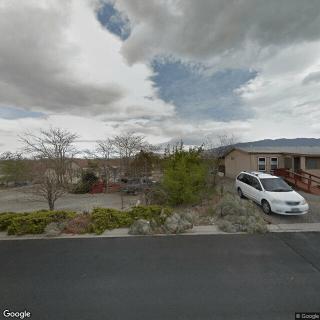
Where is South Lyon Medical Center?
What photos are available for South Lyon Medical Center in Yerington, Nevada?

Nearby Communities

Related Resources

  • skilled nursing facility vs nursing homeSkilled Nursing Facilities vs. Nursing Homes: Making Sense of the Differences

    Skilled nursing facilities (SNFs) provide high-level medical care and rehabilitation for short-term recovery, typically covered by Medicare after hospitalization, while nursing homes focus on ongoing custodial care for chronic conditions, mainly funded by Medicaid or private payments. The staffing and regulatory structures differ significantly between the two, necessitating clarity for families in choosing appropriate long-term care options.

  • nursing home costsA Detailed Examination of Nursing Home Costs Across the U.S.
    Nursing home care costs in the U.S. vary significantly based on location, level of care, and amenities, with private room prices ranging from approximately $6,700 to over $30,000 monthly. Families need to explore various payment options and conduct thorough research to manage these expenses effectively.

  • non medical home careExploring Nonmedical Home Care: Understanding Services, Costs, and Financial Approaches
    Nonmedical home care provides assistance with daily activities and companionship for individuals wishing to maintain independence and quality of life at home, without medical intervention. Its growing popularity is driven by an aging population, the need for supportive environments for recovery, and the emotional benefits of caregiver companionship, while costs vary based on service frequency and location.