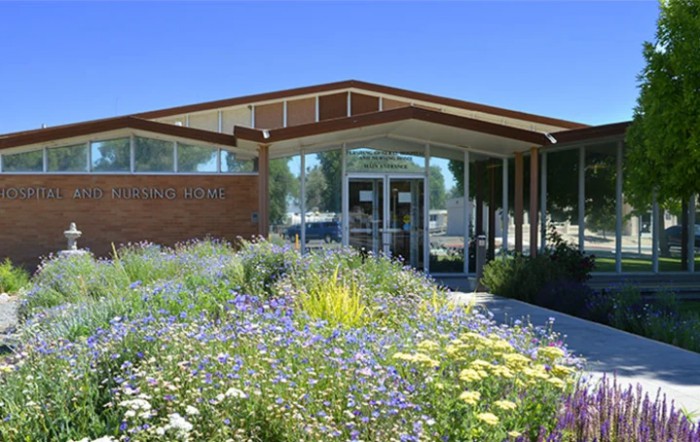


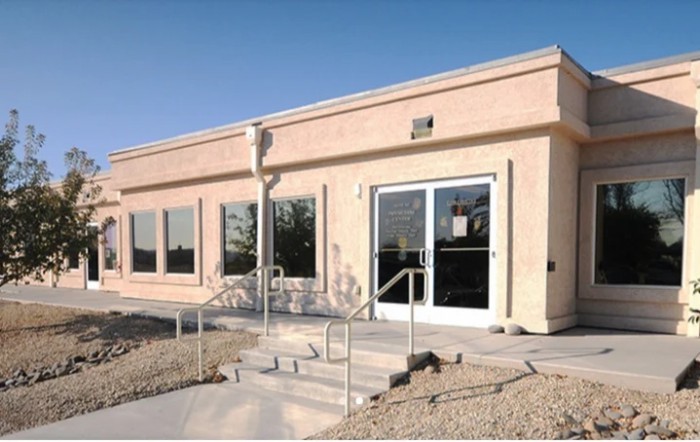
855 6Th Street, Lovelock, NV 89419
For more information about senior living options: (866) 208-4318
Overall Review of Pershing General Hospital
Pros
 Karen in the front office was super chipper, efficient, and friendly.
- Patients were well cared for by the staff.
- Dr. William Everts and the nursing staff provided relief and were a godsend.
- Awesome doctors and nurses.
- Great staff, and the doctor is very knowledgeable.
- Tyson at Persing General Hospital is amazing, and the staff are amazing.
- The hospital helps people.
- The personnel, especially the nurse and Dr. Murpjy, provided very good service.
Cons
 They do nothing for patients; the hospital is not a real hospital, and they talk to people like children.
- They waited for hours—over four hours for emergency stitches, then two more to be discharged, and the wounds weren't cleaned, leading to infection.
- The hospital billed thousands to insurance and added another $3,000, without sending it to insurance.
- The staff act as if patients are an inconvenience and are very rude.
- They never saw a doctor despite requests; the acting doctor is not certified.
- The nurse was rude to a daughter, making her feel unwanted and uncomfortable.
Review
Pershing General Hospital in Lovelock is best suited for short-term, episodic care in a rural Nevada setting and for locals who can tolerate variability in service. It serves travelers and residents who need quick assessment, stabilization, and relief from non-complex urgent issues rather than continuous, physician-led management for chronic conditions. The staff shows dedication in moments of need, with some clinicians delivering clear diagnoses and effective pain relief. For families, the value lies in proximity and the potential to obtain care without a trek to Reno. However, this is not a facility designed to function as a high-volume tertiary hospital or a dependable hub for ongoing specialty care.
Those with complex medical histories or ongoing needs should consider alternatives. The rural footprint means access to consistent specialists and rapid imaging can be spotty, and waits can stretch long when demand is high. Billing and payment processes have created real friction in several accounts, and not all staff interactions are equally professional, which matters when navigating insurance and discharge planning. For seniors requiring predictable continuity, a larger network with established geriatric programs and a steadier flow of outpatient services may be a wiser choice. For families weighing options, Reno-area facilities offer broader diagnostic capabilities, faster access to specialists, and a more transparent billing track, even if the drive adds time and cost.
Pros are tangible when the right clinician is on site: patients report effective pain relief and accurate diagnoses in some encounters, and moments of compassionate, capable care stand out. Positive reflections highlight front-desk efficiency and patience, a handful of doctors and nurses who know their craft, and the ability to stabilize an issue quickly enough to avert escalation. These strengths matter because, in emergencies or straightforward complaints, timely attention and skilled assessment can make a meaningful difference. Yet these upsides do not consistently align with every visit. The most persistent drawbacks, long waits for tests and procedures, mixed levels of patient respect, and billing confusion, undercut the value of the successful outcomes when staff turnover or miscommunication occur. The net effect is a mixed performance that can be acceptable in corner cases but risky in sustained care.
The most troubling patterns emerge in high-need scenarios. One account describes a four-hour delay for stitches, followed by a discharge wait of additional hours, with a wound that later became infected; another describes a patient spending more time in the lobby than in the exam room, and a sense of being unwelcome. Billing tensions also loom large: reports of upfront payments, large bills billed to Medicare, and disputes over refunds fuel skepticism about cost transparency and fairness. There are also reports of abrupt or unfriendly interactions, elements that can undermine trust when the goal is to triage, treat, and discharge efficiently. These experiences are not universal, but they recur enough to influence a family’s risk calculus. The practical takeaway is clear: when complex care, rapid diagnostics, or predictable billing are priorities, Reno-based options may offer a safer, calmer path.
For families navigating options, the path with Pershing General Hospital requires clear expectations and proactive planning. If choosing this facility, verify the clinician on duty, ask about imaging and lab capabilities, and obtain an upfront sense of costs before procedures. Lean on positive staff experiences, courtesy from the front desk, the reliability of certain nurses, and the occasional standout physician, as a signal of what is possible on a good day. Consider pairing a local visit with a plan for escalation to a larger center if symptoms worsen or if discharge planning remains uncertain. In short, Pershing General Hospital can meet urgent, basic needs, but only with careful navigation and a backup plan for more demanding medical issues.
Bottom line: Pershing General Hospital is a practical choice for rural residents facing episodic health concerns or travelers who need quick triage without traveling far. It is not the best option for seniors seeking steady, high-quality, long-term medical management or for families requiring transparent, consistently strong patient experience and billing. Alternatives in Reno offer broader access to specialists, faster diagnostic throughput, and more predictable billing practices, worth considering when those factors are decisive. If this facility is selected, walk in with a plan: confirm the clinician, understand costs upfront, and have a clear exit strategy that includes escalation to a larger center if care requirements exceed the hospital’s usual scope.
 25 resident community capacity
 Skilled Nursing Facility
 Beauty salon
 Cable or satellite TV
 Dining room
 Fully furnished
 Garden
 Housekeeping services
 Kitchenette
 Move-in coordination
 Outdoor space
 Restaurant-style dining
 Small library
 Telephone
 Wi-Fi/high-speed internet available
 24-hour call system
 Activities of daily living assistance
 Assistance with bathing
 Assistance with dressing
 Assistance with transfers
 Diabetes diet
 Medication management
 Mental wellness program
 Special dietary restrictions

 Seniors and Modern Transportation: Exploring Uber, Lyft, and Other Ride-Hailing Options
 Comprehensive Guide to Qualifying for Home Health Care Services
 Powerful Realities of Elder Abuse and the Most Effective Ways to Report It