
685 Amherst Avenue, Lovelock, NV 89419
For more information about senior living options: (866) 208-4318
Overall Review of Golden Years Castle Home Of Lovelock
Pros
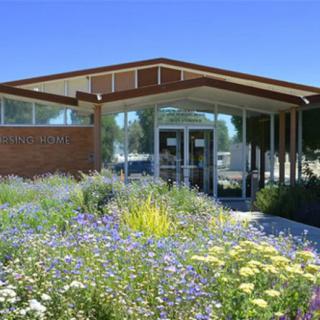
 The grounds and lobby impressed the visitors.
- The friend's room was spotless and free of any unpleasant smells.
- It was much better than the last place they visited.
- It was tastefully decorated with photographs she had taken.
- The friend was smiling and laughing during the visit.
- The staff seemed to genuinely care about her and the other residents.
- A staff member gently soothed the patient when she became agitated and even sang with her.
- They left feeling that their friend was being well taken care of.
- The friend said the food was okay, which, coming from her, is a compliment.
Review
This community is best suited for seniors who value a warm, home-like atmosphere, where grounds and a well-kept lobby set a reassuring first impression, and where attentive staff demonstrate genuine care in everyday interactions. Golden Years Castle Home Of Lovelock fits families seeking a calm, dignified setting over flashier amenities, and who are prepared to travel to Lovelock, Nevada, to visit and participate in their loved one’s daily life. The emphasis on a clean environment, tasteful decor, and staff engagement makes it a strong choice for residents who prioritize personal attention and a sense of belonging.
Those weighing alternatives should consider whether higher medical acuity or specialized memory support is required. If a resident needs comprehensive nursing oversight, a memory care environment, or closer proximity to family for frequent supervision, other communities with dedicated programs may be more appropriate. Prospective residents should also evaluate whether more expansive dining options or a broader activity calendar are priorities; this facility’s strengths lie in care tone and environment rather than culinary or entertainment pretensions.
The strongest positives rest on tangible, observable strengths: meticulously maintained grounds and lobby, a spotless resident room, and an atmosphere devoid of pervasive odors, all of which contribute to a dignified, welcoming setting. The decor, photographs and personal touches, signals a respect for resident autonomy and history, not a generic institutional vibe. The staff’s genuine concern is palpable, with moments of personalized attention that extend beyond routine tasks. The example of a staff member soothing agitation and even sharing a song underscores a culture of compassionate, person-centered care that resonates with families.
However, the review provides limited specifics on higher-level care capabilities, medical staffing, or daily programming, which means decision-makers must fill gaps with direct inquiries. There is no explicit description of memory care services, licensed nursing availability around the clock, or the breadth of therapeutic activities. The stated dining impression, food described as “okay”, suggests that culinary offerings are competent but not a standout differentiator. Potential visitors should not assume a broad menu or gourmet dining as a core strength, even as the resident’s contentment with meals remains a positive signal.
These strengths offset several potential concerns because the resident’s emotional and social well-being often outpace other factors in an satisfactory long-term choice. A clean, attractive environment paired with staff who “care about her and the other residents” creates daily reassurance for families evaluating ongoing safety and warmth. The ability of staff to respond to agitation with soothing, attentive presence and even shared moments of joy indicates a high level of engagement that can mitigate worries about isolation or neglect. In a decision context, these are compelling indicators that the community can be trusted to deliver consistent, compassionate care day after day.
For families moving forward, practical steps should anchor the evaluation. Arrange a longer, multiple-hour visit to observe care dynamics during routine and peak activity periods, and specifically request to meet the nursing or caregiving leadership to discuss staffing ratios and on-site medical capabilities. Inquire about memory care options, if relevant, and how plans evolve if health needs change. Confirm meal plans, dietary accommodations, and any guest dining policies to understand how family involvement will integrate with daily routines. If proximity to family remains a decisive factor, compare travel time and recurring visiting logistics with alternatives that may be closer yet offer comparable warmth and attentiveness.
In sum, Golden Years Castle Home Of Lovelock stands out for its inviting environment, apparent staff empathy, and resident-centered care ethos, making it a strong fit for seniors who prioritize relational warmth and a tidy, dignified setting. Those prioritizing advanced medical services, extensive programming, or convenient distance from extended family should consider alternatives that foreground medical oversight or location. When matched with the right resident profile and family expectations, this community offers a solid, practical choice grounded in authenticity, attention, and everyday comfort.
 10 resident community capacity
 Assisted Living
 Cable or satellite TV
 Dining room
 Fully furnished
 Garden
 Housekeeping services
 Move-in coordination
 Outdoor space
 Telephone
 Wi-Fi/high-speed internet available
 24-hour supervision
 Activities of daily living assistance
 Assistance with bathing
 Assistance with dressing
 Assistance with transfers
 Diabetes diet
 Meal preparation and service
 Medication management
 Special dietary restrictions
 Transportation arrangement (medical)
 Transportation to doctors appointments
 Vibrant Senior Living: A Comprehensive Guide for Active Older Adults
 When to Transition from Assisted Living to Memory Care: Key Indicators, Steps, and Finding the Right Community
 Assisted Living and Memory Care: Understanding Their Core Differences