
5644 Lucky Draw Court, Las Vegas, NV 89122
For more information about senior living options: (866) 208-4318
The Good Samaritan Care Home Costs & Pricing
The Good Samaritan Care Home offers a range of accommodations at a premium compared to the average costs in both Clark County and the state of Nevada. For instance, the monthly fee for a studio unit at Good Samaritan is $4,500, significantly higher than the county's average of $3,407 and the state's average of $3,567. One-bedroom units are priced at $5,500, again exceeding local ($3,346) and state averages ($3,619). The two-bedroom option is available for $6,300, which stands in contrast to Clark County's average of $3,433 and Nevada's average of $3,949. These figures reflect not only the enhanced services and amenities provided by The Good Samaritan Care Home but also its commitment to delivering high-quality care that may justify the higher price point for potential residents seeking comprehensive support in a comfortable environment.
| Floor plans | The Good Samaritan Care Home | Clark County | Nevada |
|---|---|---|---|
| Studio | $4,500 | $3,407 | $3,567 |
| 1 Bedroom | $5,500 | $3,346 | $3,619 |
| 2 Bedrooms | $6,300 | $3,433 | $3,949 |
Skilled Nursing Facilities with a similar price nearby
-
from -$650 / mo

Legacy House of Centennial Hills
$3,850 to $6,100 / month18.5 miles away -
About the same

Cascadia Creek Residential Home Care
$4,500 to $6,850 / month11.8 miles away -
from -$480 / mo
Angel Fern Home Care
$4,020 to $5,226 / month8.1 miles away -
from -$480 / mo
Aloha Charity Residential II
$4,020 / month1.4 miles away
Overall Review of The Good Samaritan Care Home
Pros
 The owner Ana is tremendously the sweetest person.
- Ana is dependable and reliable, and the level of care she provides is wonderful.
- The compassionate caregivers devote their time to catering to residents’ needs.
- The owners and staff live by the principle of compassionate care.
- This group home is exceptional.
- This is one of the best group homes in Vegas.
- The facility is clean and decent with 24/7 caregivers who genuinely care for the residents.
- The residents are treated with dignity and respect.
Review
The Good Samaritan Care Home in Las Vegas is best suited for families seeking a small, home-like setting where caregivers know residents well and care plans are executed with steady, hands-on attention. This community excels for seniors who prize dignity, consistent staffing, and long-term residency over flashy amenities. The owner, Ana, stands at the center of the operation: dependable, genuinely caring, and able to translate compassionate intent into reliable daily care. Families facing the emotional task of choosing a living arrangement will find a reassuring sense of continuity here, reinforced by a team that treats residents with respect and familiarity rather than impersonal poise.
Those who should consider alternatives are those who require advanced on-site medical oversight, specialized memory care, or a broader menu of structured activities and social programs. While the home environment fosters personal connections, a larger assisted living or a dedicated memory-care community typically offers more formalized medical protocols, more expansive therapy options, and a wider array of organized enrichment. For residents who demand sophisticated clinical supervision or rapid escalation of complex health needs, the intimacy of a group home may feel limiting.
The strongest advantages are cohesive, caregiver-centered care and a consistently clean, respectful milieu. Reviews repeatedly highlight 24/7 caregivers who genuinely care, staff who uphold residents’ dignity, and a clean, decent physical setting. The proximity to hospitals and clinics is not incidental: it translates into practical benefits for families who need quick coordination with medical teams or easy access to services. The culture of compassion is reinforced by the owners and staff, contributing to high retention and long-term occupancy that stabilizes routines and social connections for residents.
There is a notable elasticity in care that benefits families navigating end-of-life or high-need situations. One case mentions a resident who was hospice-visited, with attentive care maintained through the joint efforts of the group home and hospice professionals. This demonstrates a capacity to collaborate with external care providers without sacrificing personal attention. The off-street parking, along with a setting described as very clean and well-run, further reduces friction for families during transitions, an often overlooked but meaningful convenience when transporting a loved one to appointments or visiting during the day.
To make a well-informed decision, prospective families should engage early in the intake process and ask pointed questions that reveal volumes not obvious in a brochure. The owner’s described kindness, informativeness, and compassion should be verified through direct conversations, a tour, and references. Inquire about caregiver-to-resident ratios, how staff handle shifts and turnover, and how care plans are reviewed and updated as needs change. Confirm the facility’s licensing status, what medical supports are available on-site, and how hospice or external nursing services are coordinated. Practical details, like storage, laundry, meal planning, and accommodation for visitors, can strongly influence daily satisfaction and should be clarified before committing.
Overall, this community delivers what families seek in a caregiver-led home environment: authentic compassion, steady staffing, and a respectful, clean setting that promotes dignity and stability. It stands out as an excellent match for seniors who thrive on personal attention, predictable routines, and a sense of enduring familiarity. Where it may fall short is in offering the breadth of medical oversight and formal programming found in larger facilities; for those needs, exploring alternatives with more robust on-site medical teams or memory-care specialization is prudent. Yet for families prioritizing a trustworthy, low-friction transition into memory-friendly, long-term care, The Good Samaritan Care Home represents a compelling, well-executed option in Las Vegas.
 2 resident community capacity
 Skilled Nursing Facility
 Cable or satellite TV
 Dining room
 Fully furnished
 Garden
 Housekeeping services
 Move-in coordination
 Outdoor space
 Telephone
 Wi-Fi/high-speed internet available
 McCarran International (6 miles away)
 24-hour supervision
 Activities of daily living assistance
 Assistance with bathing
 Assistance with dressing
 Assistance with transfers
 Diabetes diet
 Meal preparation and service
 Medication management
 Special dietary restrictions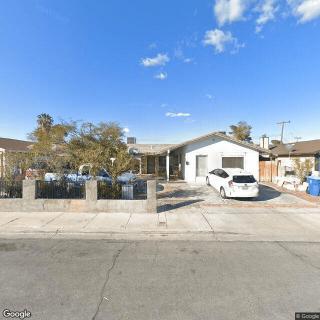



 Compassionate Conversations: How to Comfort Someone Who Is Grieving
 Home Health Care Aides: Understanding Their Role and Supporting Your Family
 Urinary Tract Infections in Older Adults: Comprehensive Insights on Symptoms, Treatment, and Prevention