2035 West Charleston Boulevard, Las Vegas, NV 89102
For more information about senior living options: (866) 208-4318
3 from 37 reviews
5 stars
17
4 stars
0
3 stars
1
2 stars
3
1 stars
16
Overall Review of St. Joseph Transitional Rehabilitation Center
caveat19 reviews mention this
Staff responsiveness is inconsistent
Residents describe major swings in staff responsiveness and follow-through.
Some residents and families say the staff can be hard to reach or slow to respond, including call buttons taking hours and medication arriving late. Others report quicker support during urgent moments, with families observing nurses answering and providing care promptly. Several accounts criticize understaffing and disorganization, while a smaller set of reviews praises attentive nursing and knowledgeable staff. Overall, day-to-day interactions appear uneven depending on the situation and unit.
caveat5 reviews mention this
Daily care concerns come up
Residents and families raise concerns about hands-on care.
Multiple reviews mention issues tied to daily care needs, including reports of bed sores, not being bathed regularly, and not being turned as needed. Some families also describe skin irritation and worsening condition that they attribute to insufficient care. A reviewer even describes delayed communication with family after a decline. These accounts point to gaps in consistent hands-on support for some residents.
caveat6 reviews mention this
Dining quality is mixed
Dining reviews range from strong praise to sharp complaints.
Several families complain about food that is cold, bland, or served in small portions, and one review calls the food terrible. In contrast, other residents and families praise the kitchen, including one account saying the food quality exceeds restaurants. The community also lists diabetes-diet and special-diet support for meals, which aligns with the idea that dietary needs are part of the service. Still, the dining experience itself seems to vary by reviewer.
common3 reviews mention this
Therapy support gets strong mentions
Physical and therapy staff are praised for helping residents recover.
Some reviews highlight therapy as a bright spot, including praise for physical therapy staff and overall therapy support. A family also describes excellent therapy alongside competent nursing, connecting therapy to progress toward going home. While other parts of the experience draw criticism, therapy is one of the more consistently positive themes in the reviews.
caveat2 reviews mention this
Cleanliness complaints appear
A couple of reviews describe an unclean environment.
Some families report the facility felt dirty, including comments about unpleasant smells. These cleanliness concerns are paired in reviews with broader worries about care. While not every review mentions cleanliness, the ones that do are clear about an unfavorable environment.
caveat2 reviews mention this
Medication timing can be delayed
Some families report delays in medication delivery.
A couple of reviews describe medication not arriving when expected, including morning medications arriving later in the day. One reviewer also reports waiting a long time for pain relief after a medication fill and notes a pharmacy timing issue. These comments suggest medication timing can be a problem for some residents.
How we summarize
Counts show how many written reviews mention each theme; a review can touch several themes, and only frequently mentioned themes are displayed.
Features
Housing
21 resident community capacity
Types of Care
Skilled Nursing Facility
Amenities
Beauty salon
Cable or satellite TV
Dining room
Fully furnished
Garden
Housekeeping services
Kitchenette
Move-in coordination
Outdoor space
Telephone
Wi-Fi/high-speed internet available
Transportation
McCarran International (5 miles away)
Care Services
24-hour call system
24-hour supervision
Activities of daily living assistance
Assistance with bathing
Assistance with dressing
Assistance with transfers
Coordination with health care providers
Diabetes diet
Meal preparation and service
Medication management
Mental wellness program
Special dietary restrictions
Transportation arrangement (medical)
Transportation to doctors appointments
Dining
Diabetes diet
Special dietary restrictions
Activities
Community-sponsored activities
Scheduled daily activities
Nearby Places of Interest
This part of Las Vegas, Nevada is a bustling and convenient area with a variety of amenities nearby. There are several pharmacies within a short distance, making it easy to access medication and healthcare services. Additionally, there are multiple physicians' offices in the vicinity, including urgent care facilities and specialty clinics, providing convenient access to medical care. For leisure and dining options, there are cafes offering a variety of coffee options, as well as restaurants serving different cuisines to cater to various tastes. Public transportation such as the Las Vegas Monorail provides easy access to other parts of the city for those without personal vehicles. Overall, this area offers a mix of services and conveniences that may be appealing for seniors looking for a lively yet accessible neighborhood to call home.
Pharmacies
CVS Pharmacy (0.1 miles)
Walgreens (1.2 miles)
Walgreens (1.2 miles)
CVS Pharmacy (1.4 miles)
Walgreens (1.7 miles)
Walgreens (1.7 miles)
Walmart Pharmacy (1.8 miles)
Physicians
Southwest Medical Rancho Urgent Care (0.3 miles)
Sunrise Hospital and Medical Center (2.5 miles)
Digestive Disease Specialists (3.2 miles)
Comprehensive Cancer Centers of Nevada (3.8 miles)
Longford Medical Building (5 miles)
Nevada Orthopedic & Spine Center (5 miles)
Cafes
Dutch Bros Coffee (1.2 miles)
Starbucks (1.5 miles)
Starbucks (2.3 miles)
The LINQ Hotel & Casino (2.7 miles)
Primrose (3.7 miles)
Hello Kitty Cafe (3.7 miles)
Restaurants
The Marketplace (1.3 miles)
McDonald's (1.5 miles)
Peppermill Inn (1.7 miles)
Fremont Street Experience (1.7 miles)
Wendy's (1.7 miles)
Tacos El Gordo (1.8 miles)
The Phoenix Bar & Lounge (1.8 miles)
Transportation
Las Vegas Monorail - Sahara Station (1.3 miles)
Las Vegas Monorail - Harrah's/Quad Station (2.7 miles)
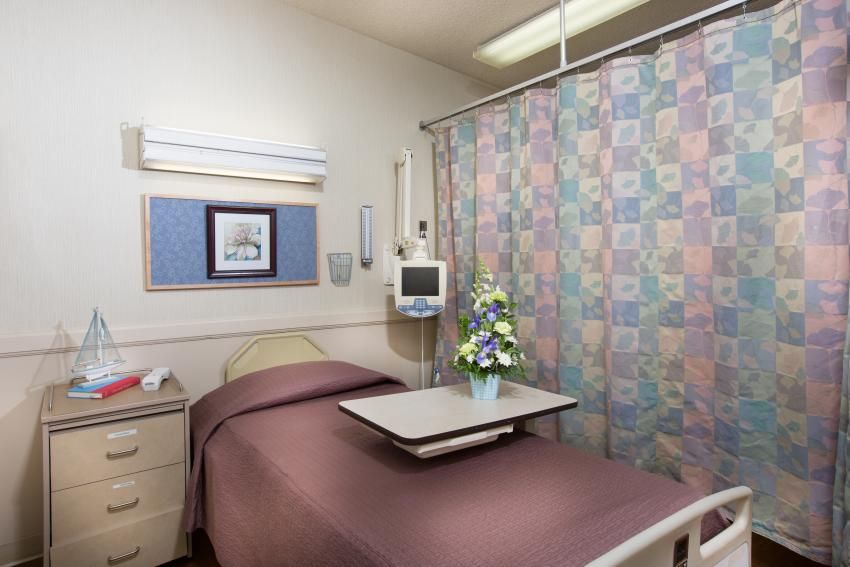
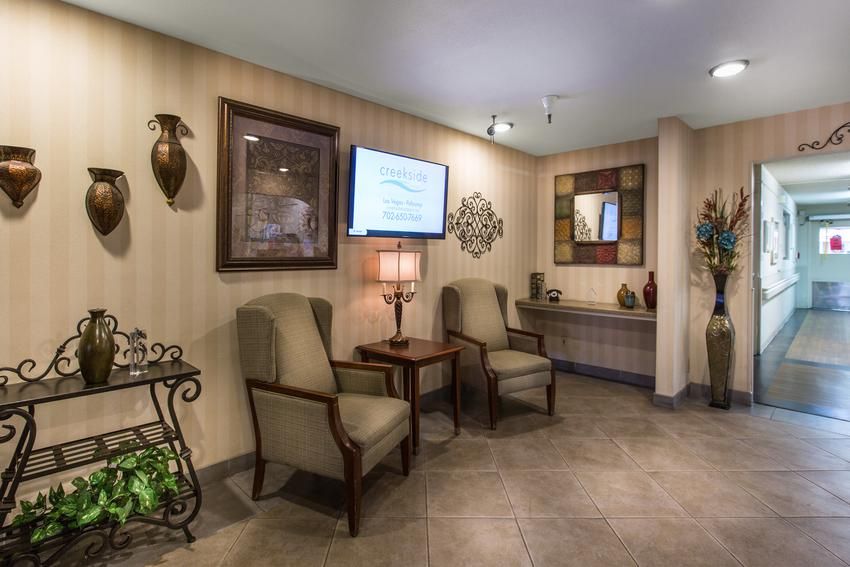
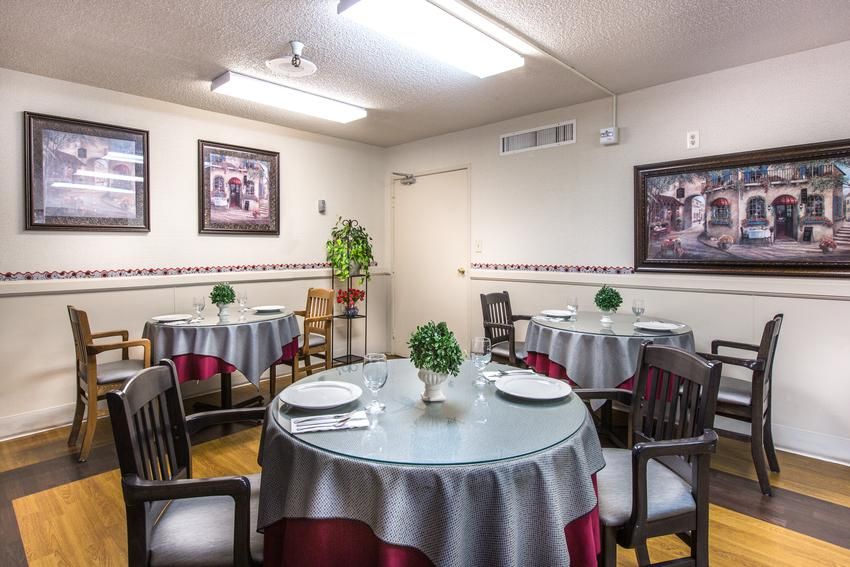
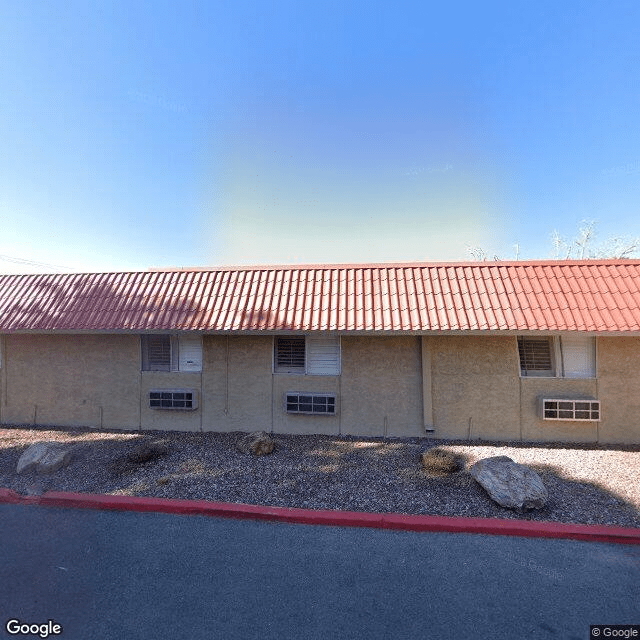
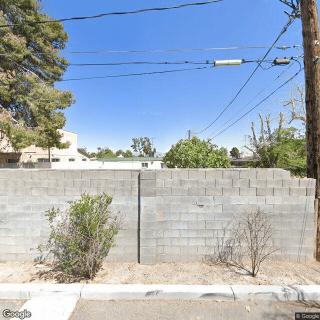
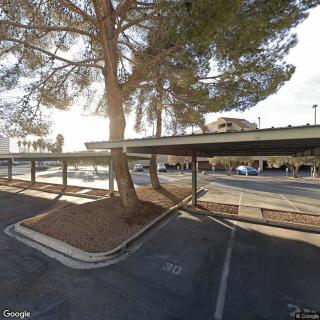
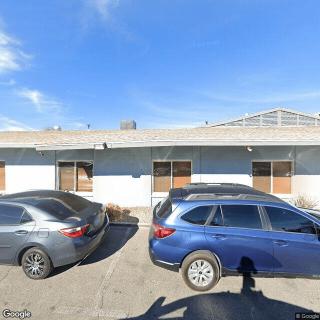
St. Joseph Transitional Rehabilitation Center on seniors.fyi includes 4 photos including images showing decor, dining, interior, bedroom, lobby, waiting area, television, artwork, and more.
Nearby Communities
Horizon Health And Rehabilitation Center
Las Vegas, NV
2.8 from 30 reviews
Caring CNAs and nurses on some units; recently remodeled rooms.
Horizon Health & Rehab Center
Las Vegas, NV
3.3 from 36 reviews
Strong rehab therapy with friendly, attentive staff and clean facilities.
Alta Care Home
Las Vegas, NV
4 from 6 reviews
$4,500 / month
Small 7-bed facility with personalized, intimate care.
A&M Care Home
Las Vegas, NV
4.4 from 7 reviews
Intimate, fully furnished assisted living with comprehensive care and amenities.
Hastings House
Las Vegas, NV
Small, personalized assisted living with furnished apartments and comprehensive care.
Home Instead - Las Vegas, NV
Las Vegas, NV
4.4 from 36 reviews
Caring staff with personalized care.
Las Vegas Post Acute & Rehab
Las Vegas, NV
2.3 from 25 reviews
Great access to nearby dining, pharmacies, physicians, transportation, and places of worship.
Premier Health & Rehabilitation Center Of Las Vegas
Las Vegas, NV
2.7 from 102 reviews
Clean rooms and friendly, capable staff.
Lake Tonopah Apartments
Las Vegas, NV
4.5 from 115 reviews
$510 to $520 / month
Caring staff and well-kept grounds that foster community.
The article highlights the high risk of falls among older adults due to factors like muscle weakness, vision issues, and environmental hazards, with one in four experiencing a fall annually. It advocates for a comprehensive prevention approach that includes exercise, home safety modifications, medication management, social support, and caregiver involvement.
Elder law attorneys assist older adults and their families with legal matters such as estate planning, Medicaid eligibility, and guardianships, while also providing protection against elder abuse. They help navigate complex regulations to safeguard financial resources, ensure well-being, and maintain autonomy for seniors.
Caregiving for an aging parent entails emotional and financial responsibilities accompanied by significant tax implications, including potential benefits from claiming them as dependents and deductions for medical expenses and caregiving costs. Caregivers must understand eligibility requirements, maintain thorough documentation, and consider consulting a tax professional to navigate these complexities effectively.
St. Joseph Transitional Rehabilitation Center photos
×
Interior
Decor
Bedroom
Interior and Dining
Decor
Bedroom
Artwork, Television, Lobby, and Waiting Area
Get PricingAsk A QuestionSchedule A TourContact Senior Advisor
By clicking submit, you agree to our Partner's Terms of Use. You
also consent to receive calls and texts, which may be autodialed, from our Partner. Your consent is not a condition to
using our Partner's service. Please visit our Partner's Privacy Policy for information about their privacy practices.

 21 resident community capacity
 Skilled Nursing Facility
 Beauty salon
 Cable or satellite TV
 Dining room
 Fully furnished
 Garden
 Housekeeping services
 Kitchenette
 Move-in coordination
 Outdoor space
 Telephone
 Wi-Fi/high-speed internet available
 McCarran International (5 miles away)
 24-hour call system
 Activities of daily living assistance
 Assistance with bathing
 Assistance with dressing
 Assistance with transfers
 Diabetes diet
 Meal preparation and service
 Medication management
 Mental wellness program
 Special dietary restrictions
 Transportation arrangement (medical)
 Transportation to doctors appointments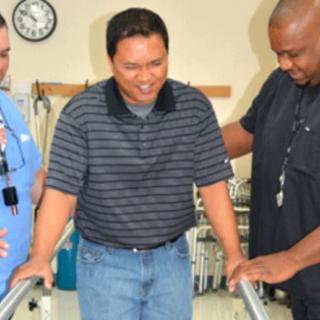
 Caring CNAs and nurses on some units; recently remodeled rooms.


 Comprehensive Insights and Practical Strategies to Help Older Adults Avoid Falls
 6 Crucial Ways an Elder Law Attorney Assists Families
 Navigating the Tax Landscape of Caregiving: Credits, Deductions, and Beyond