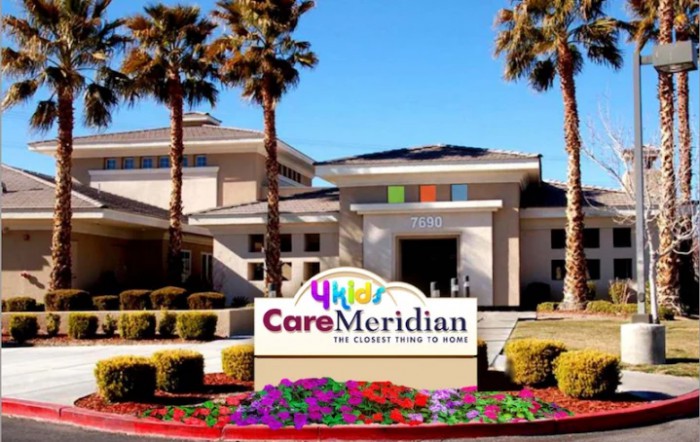
7690 Carmen Boulevard, Las Vegas, NV 89128
For more information about senior living options: (866) 208-4318
Overall Review of Neurorestorative 4 Kids
Pros
 The staff at Silver State Pediatrics genuinely treat him like their own son.
- He has been at Silver State Pediatrics for four weeks and has not had a single problem.
- There are a few good staff there.
- The staff are caring and attentive at Silver State Pediatrics, especially in contrast to the other facility.
Cons
 The facility caused a urinary tract infection and MRSA in the tracheostomy tube and left the patient uncovered for hours after a shower, with a dangerously low body temperature.
- The patient developed a fever of 105 and was not taken to a doctor or hospital, while seizures were described as not seizures.
- A large head sore was attributed to dandruff/yeast buildup and only sent to the hospital after insistence, leading to hospitalization for the injuries.
- The staff were on their phones constantly and ignored alarms, creating a warehousing environment that endangered patient safety.
- The administration and doctor were accused of care crimes and of keeping problems in-house.
- Misty, the administrator, is described as dishonest and as someone who covers up patient neglect reports.
- The facility reportedly had 29 deficiencies in the 2023 survey, with rampant abuse and neglect, abandonment, no gloves, broken sinks, and rancid smells; the reviewer says it should be closed.
- The reviewer warns not to trust them with a child’s life, calling the place horrific and not recommending it.
Review
Neurorestorative 4 Kids is best suited for families seeking a highly specialized pediatric neurorehabilitation program in Las Vegas, where the aim is to deliver intensive therapy and medical coordination for children with complex neurological needs. The setting promises a single-point system, therapy, nursing, respiratory care, and physician oversight, designed to advance motor and cognitive goals within a structured, recovery-focused environment. That fit, however, rests on accepting a level of risk awareness and a demand for rigorous staff accountability, since experiential reports raise serious questions about daily safety, responsiveness, and oversight.
Those who should seriously consider alternatives are families for whom safety, reliability, and transparent, proactive care are nonnegotiable. Multiple accounts describe neglectful moments, delayed responses to alarms, and inappropriate handling of medical issues that escalated into hospitalizations. The strongest argument against proceeding without substantial vetting is the pattern of safety lapses and care-management gaps, which blunt the potential benefits of a high-intensity rehab program. If a family cannot tolerate repeated red flags around basic safety and emergency decision-making, a different provider, especially one with verifiable staffing standards and robust incident reporting, will be the wiser path. In Las Vegas, Silver State Pediatrics and other pediatric SNFs are commonly cited as sturdier alternatives when family input on day-to-day care and oversight matters most.
The core pros, an ostensibly specialized rehabilitation framework, on-site multidisciplinary care, and the convenience of a single setting for complex needs, do not meaningfully offset the principal cons in these reviews. A program that bills itself as a pediatric neuro-rehab hub cannot compensate for care that appears inconsistent, with documented incidents ranging from infections and equipment failures to concerning gaps in monitoring and urgent medical escalation. Even a few positive staff interactions cannot erase the overarching impression of a “warehousing” approach, where alarms and patient distress were not addressed promptly. When the clinical environment is tethered to questions about documentation, transparency, and rapid access to hospital-level intervention, the perceived benefits fail to counterbalance the real and recurring safety concerns.
Families should pursue a disciplined due-diligence process before any commitment. Obtain the most recent state and survey findings, request direct conversations with frontline nurses and therapists, and verify staffing ratios and on-call medical coverage around the clock. Seek out current families for candid, long-term impressions and insist on a clear, written emergency response plan, with explicit escalation steps and documented incident-resolution procedures. If visiting, observe how alarms are managed, how staff respond to drills or alarms, and whether the care philosophy centers on timely, compassionate intervention. Compare these findings against alternatives like Silver State Pediatrics, and construct a decision matrix that weighs safety and supervision as heavily as rehabilitation intensity and program branding.
The practical verdict is that this community should not be the first choice for most families, given the documented concerns and the absence of compensating strengths that reliably address safety and accountability. A child with complex neurorehabilitation needs can, in rare circumstances, benefit from a program with a strong medical spine and rehab emphasis if the family can enforce stringent oversight, insist on ongoing third-party clinical review, and prepare to transition quickly if red flags persist. For the majority, however, the recommended course is to prioritize facilities with verifiable staffing stability, transparent incident reporting, and demonstrated incident-free track records, even if those options require longer travel or a different care model.
If the decision leans toward continuing with this community, proceed only with a comprehensive, safeguard-heavy plan. Require a formal performance agreement detailing minimum staffing levels, nurse presence, daily physician rounds, and a guaranteed rapid access protocol to hospital services. Insist on weekly family meetings, transparent communication logs, and direct contact with the administrator and medical director to review any incidents within 24 hours. Simultaneously, actively explore alternatives, schedule parallel tours, and compare outcomes across providers with strong pediatric-quality assurance records. The end goal remains clear: secure a setting where complex pediatric neurorehabilitation thrives without compromising safety, dignity, or timely medical intervention.
 35 resident community capacity
 Skilled Nursing Facility
 Beauty salon
 Cable or satellite TV
 Dining room
 Fully furnished
 Garden
 Housekeeping services
 Kitchenette
 Move-in coordination
 Outdoor space
 Restaurant-style dining
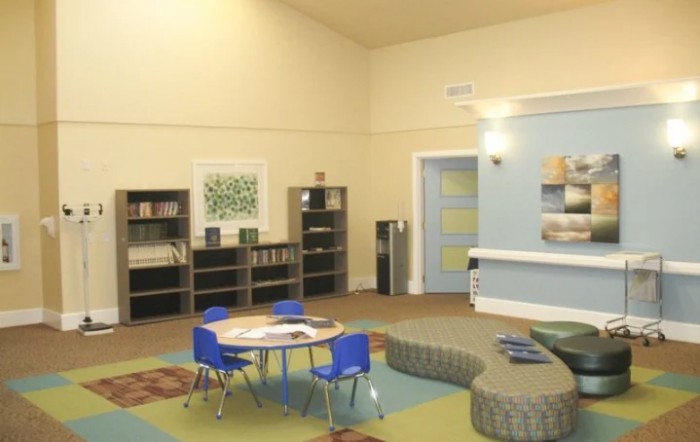
 Small library
 Telephone
 Wi-Fi/high-speed internet available
 McCarran International (10 miles away)
 24-hour call system
 Activities of daily living assistance
 Assistance with bathing
 Assistance with dressing
 Assistance with transfers
 Diabetes diet
 Medication management
 Mental wellness program
 Special dietary restrictions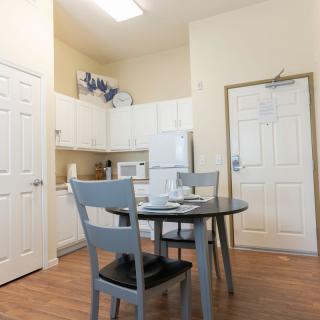





 A Detailed Exploration of Living Wills and Advance Directives
 Comprehensive Guide to Medicare Coverage for Hospice Care
 Caring for Those Who Care: Recognizing, Understanding, and Overcoming Caregiver Burnout