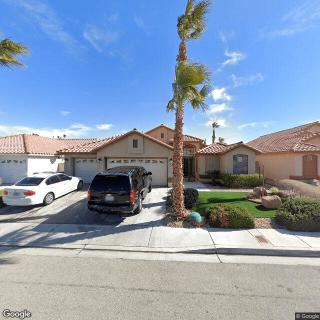
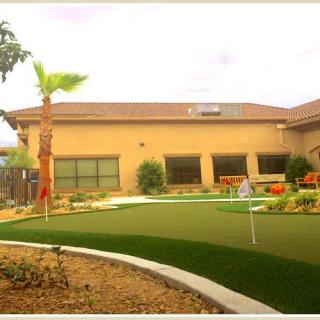
Kindred Transitional Care & Rehabilitation - Spring

5650 South Rainbow Boulevard, Las Vegas, NV 89118

For more information about senior living options: (844) 490-3973

3.3 from 100 reviews
5 stars
50
4 stars
5
3 stars
6
2 stars
3
1 stars
36

Skilled Nursing Facility

Overall Review of Kindred Transitional Care & Rehabilitation - Spring

Pros

  • pro The nursing staff was outstanding and attentive, ensuring medications were administered on time and explained clearly.
  • pro The Activities Department created a joyful, welcoming environment that helped patients connect with others.
  • pro Evangeline Tolentino, Jason Jarlos, and Edylyn Day contributed energy and warmth that made activities enjoyable.
  • pro The Physical Therapy team of Dale, Jason, Michael, Janelle, and Katie helped patients regain strength and mobility with supportive encouragement.
  • pro Shae from Occupational Therapy provided motivating guidance that accelerated progress.
  • pro Mehrnoosh from Wound Care created a healing cream that helped address a medication-related rash, offering gentle reassurance.
  • pro The nursing staff, including Kristine, Gabe, Bernard, Kate, Michelle, and Brian Doyle, were attentive and professional, building confidence in care.
  • pro Dia and Livier Gamboa offered compassionate day and night care, making patients feel like family.
  • pro Samantha at the front desk went above and beyond, including helping assemble a scooter with a friendly smile.
  • pro Jiji, the social case worker, ensured all needs were met and provided support beyond medical care.

Cons

  • pro The staff is so overworked.
  • pro The DON and two ADONs are useless.
  • pro The DON talks down to the staff.
  • pro Medications were never ordered, and patients went days without pain relief.
  • pro The rooms were not being cleaned, and bed linens were changed only after accidents.
  • pro Patients were lucky to get one shower a week, with some waiting weeks for another.
  • pro The food was awful.
  • pro One CNA named Ebony had a bad attitude from hell.
  • pro The AC unit was broken, so fans were used in the hallways.
  • pro The front of the building was refurbished, but patient rooms remained dull and depressing.
  • pro They lie right to your face to get you in there and then no one has the answers when you arrive.
  • pro A patient walked around in the same clothes for over two weeks.
  • pro They could use more help.

Review

Sandstone Spring Valley Rehabilitation Hospital emerges in these accounts as a place of strong, often shining, moments of care alongside sharper warnings about uneven experiences. Across several reviews, families and patients repeatedly praise the staff for warmth, attentiveness, and professional skill, while other accounts raise concerns about consistency in care, management, and basic comforts. Taken together, the narratives sketch a facility that can be inspiring in its dedication but may also reveal gaps that matter to patients and their loved ones.

One of the most vivid affirmations centers on the frontline experience. A visitor described arriving to a scene where a first-floor nurse's station worker named Ann immediately ensured that the person's needs were met, signaling a culture of responsiveness. The same sentiment of gratitude extended to the attending nurse Aguira, whose kindness left a lasting impression. The caller emphasized not only the cleanliness and modern feel of the facility but also a sense that, for some, this is exactly the right place to receive rehabilitation when loved ones require careful, attentive care.

The extensive letter from Cindy Stephens offers a sweeping, heartfelt tribute to the team she encountered over a two-and-a-half-week stay. She highlights an Activities Department that brought joy and connection through Evangeline Tolentino, Jason Jarlos, and Edylyn Day, whose energy helped patients feel part of a community and look forward to daily programs. In physical therapy, Dale, Jason, Michael, Janelle, and Katie are credited with balancing encouragement with the push needed to regain strength and mobility. Occupational therapy's Shae earns praise for a "tough love" approach that accelerated progress, while Mehrnoosh in Wound Care is lauded for both her practical cream and the comforting mindset she fosters. The nursing staff - Kristine, Gabe, Bernard, Kate, Michelle, and Brian Doyle - are commended for punctual medications, clear explanations, and patient-centered care, even in the challenge of relocating IVs with patience and skill. Dia and Livier Gamboa, the day and night CNAs, are praised for treating Cindy as family. Samantha at the front desk and Jacob, the security guard, receive recognition for going above and beyond, with small acts that meant a great deal. Fred from housekeeping, Jerome from facilities, and Jiji, the social worker, round out a picture of a holistic teamworking to support both medical and emotional needs. Cindy's closing reflection casts Sandstone Spring Valley as more than a rehab hospital - a place where compassion and professionalism work together to restore not only the body but also the heart.

Other reviewers reinforce positive experiences in specific domains. Several accounts note clean facilities, helpful therapy teams, and attentive nursing care. One review, focused on the husband's stay, lauds nurses and CNAs as awesome, with particular shout-outs to Nurse Selena, night nurses Gringo and Kristi, and CNAs Dea and Katrina. The overall impression is of a cohesive winged team that manages to deliver supportive, gentle care while attending to medical needs. There is also praise for the therapy department and the caring, capable staff who kept the patient motivated and moving forward.

There are also lighter, highly specific moments that leave lasting impressions. A patient who stayed 11 days mentions not only the care but also the lighter, human touches - such as 3am ham sandwiches - that made a difference in a difficult period. This comment, while humorous, underscores a broader theme in these reviews: that comfort and small comforts can significantly color the perceived quality of care, even as clinical outcomes matter.

Not every review lands in the same positive zone, however. A number of voices offer cautionary notes that mix praise with serious caveats. One reviewer labeled Sandstone a wonderful facility in some respects - clean rooms, welcoming staff, good food, engaging activities, and a therapy team that keeps patients motivated - but others recount more troubling conditions: infrequent showers for patients, inconsistent room cleanliness, and reports of slow response to calls for help. The account notes a situation where bed linens were only changed after accidents, showers were rare, and hallways relied on fans due to a broken air conditioning unit. In this narrative, a particular CNA, Ebony, is described as having a problematic attitude, which colored the overall impression of care for that reviewer. There are also concerns about the pace and reliability of medications, with a claim of three days passing without pain medication and criticisms aimed at upper management, including the DON and ADONs, for not supporting the nursing staff adequately.

Another strongly negative perspective focuses on leadership and organizational culture. This reviewer urges others to tour the facility and consider the experiences of current patients before deciding to place a loved one there. They describe the leadership team - the DON and the ADONs - as not only overworked but also dismissive of staff concerns, with particular frustration about medication questions going unanswered and a sense that leadership is more focused on appearances than on day-to-day patient care. In this account, the reviewer's mother benefited from therapy and wound care, yet the overall impression remains that management issues can erode the quality of care and patient experience.

A different positive thread highlights the Director of Therapy and the broader therapy team's hard work. In several comments, Christine and her colleagues are described as actively contributing to a culture of care and competence in rehabilitation. This persistent recognition of the therapy leadership suggests that when staffing is stable and communication is strong, the facility can deliver the cohesive, outcomes-focused rehab experience many families seek.

Taken together, these reviews portray Sandstone Spring Valley Rehabilitation Hospital as a place of dual realities: moments of exceptional compassion, professionalism, and collaborative care, balanced by concerns about consistency, administration, and basic daily comforts. The strong endorsements for specific staff members, the warmth of patient-centered approaches, and the evident dedication of therapy teams stand in clear contrast to reports of delayed medications, limited showers, and tensions around leadership. For families considering this facility, the message is nuanced: there are clearly individuals and teams delivering outstanding, life-affirming care; there are also operational and administrative gaps that can affect a patient's sense of safety and comfort.

If you are evaluating Sandstone Spring Valley, the consensus across these accounts is to engage in direct, thorough conversations with the staff and leadership, request a comprehensive tour, and ask specific questions about shower schedules, medication processes, response times to call lights, and how the facility handles transitions between departments. Many reviewers found the bedside care and therapy to be genuinely commendable, especially when the staff-to-patient ratio and leadership support were strong. Others caution that these positives can be uneven in practice, underscoring the importance of a careful, informed visit and a clear understanding of what to expect during a rehabilitation stay.

Features

Housing

  • 160 resident community capacity 160 resident community capacity

Types of Care

  • Skilled Nursing Facility Skilled Nursing FacilitySkilled Nursing Facilities are crucial for seniors as they provide round-the-clock medical care, rehabilitation services, and assistance with daily activities. These facilities ensure that seniors receive the specialized care they need to maintain their health and well-being as they age.

Amenities

  • Air-conditioning Air-conditioningAir conditioning is important for seniors as they are more vulnerable to heat-related illnesses and may have underlying health conditions that make it difficult for them to regulate their body temperature. It helps to keep them comfortable, safe, and healthy in hot weather.
  • Beauty salon Beauty salonBeauty salons are important for seniors because they provide a space for them to feel pampered, socialize, and maintain their personal grooming and hygiene. Regular visits to a beauty salon can help boost seniors' self-esteem and overall well-being.
  • Cable or satellite TV Cable or satellite TVCable or satellite TV is important for seniors because it provides entertainment, news, and companionship, helping to combat loneliness and boredom. It also offers a wide range of programming options tailored to different interests and preferences.
  • Computer center Computer centerA computer center is essential for seniors as it provides access to technology, communication tools, and resources that can enhance their daily lives. It allows them to stay connected with loved ones, engage in online activities, and learn new skills, ultimately promoting socialization and mental stimulation.
  • Dining room Dining roomDining rooms are important for seniors as they provide a space for socialization, connection, and nutritious meals. They offer opportunities for residents to bond over shared meals, foster a sense of community, and promote healthy eating habits. Dining rooms also ensure that seniors have access to well-balanced meals tailored to their dietary needs and preferences.
  • Fitness room Fitness roomHaving a fitness room in a senior living community is essential for seniors to stay active, maintain their physical health, and improve their overall well-being. Regular exercise can help prevent falls, reduce the risk of chronic diseases, and promote mental sharpness. It also provides social opportunities for residents to connect with others and enjoy a sense of community.
  • Fully furnished Fully furnishedFully furnished senior living communities are important for seniors because they provide convenience, comfort, and a hassle-free moving experience. Seniors can easily settle into their new living space without the stress of having to buy and move furniture. This allows them to focus on enjoying their new home and community.
  • Gaming room Gaming roomGaming rooms are important for seniors as they provide a fun and engaging environment for socializing, cognitive stimulation, and physical activity. Games can improve memory, problem-solving skills, and overall mental well-being while fostering friendships and reducing feelings of isolation.
  • Garden GardenGardens are important for seniors as they provide a peaceful and therapeutic environment for relaxation, physical activity, and socialization. Being in nature has been shown to reduce stress, improve mood, and promote overall well-being. Gardens also offer opportunities for seniors to engage in gardening activities, which can improve mobility, flexibility, and cognitive function. Additionally, gardens create a sense of community and connection with others who share a passion for plants and outdoor spaces.
  • Housekeeping services Housekeeping servicesHousekeeping services are important for seniors because they help maintain a clean and safe living environment, promote independence, and reduce the risk of accidents or illnesses. Additionally, having assistance with household chores can alleviate physical strain and allow seniors to focus on other aspects of their well-being.
  • Kitchenette KitchenetteKitchenettes are important for seniors living in senior living communities because they provide the convenience and independence of being able to prepare simple meals and snacks in the comfort of their own living space. This can help promote a sense of autonomy and well-being for seniors, allowing them to maintain some level of control over their dietary choices and daily routines.
  • Move-in coordination Move-in coordinationMove-in coordination is important for seniors because it helps ease the transition into their new living environment. It ensures that all logistics, such as packing, organizing movers, and setting up utilities are taken care of, allowing seniors to focus on settling in and adjusting to their new home. Having a smooth move-in process can alleviate stress and anxiety, making the transition smoother and more enjoyable for seniors.
  • Outdoor space Outdoor spaceOutdoor spaces are important for seniors as they provide opportunities for physical activity, social interaction, exposure to natural light and fresh air, and a sense of connection to nature. Having access to outdoor spaces can improve overall well-being and quality of life for older adults living in senior communities.
  • Private bathrooms Private bathroomsPrivate bathrooms are important for seniors in senior living communities because they provide independence, dignity, and comfort. Having a private bathroom allows seniors to maintain their personal hygiene routines without the need for assistance, promoting a sense of autonomy and privacy. Additionally, private bathrooms help prevent the spread of infections and provide a safe and clean environment for seniors to navigate safely.
  • Restaurant-style dining Restaurant-style diningRestaurant-style dining is important for seniors because it allows them to enjoy delicious, nutritious meals in a social and upscale setting. This enhances their dining experience, promotes healthy eating habits, and fosters socialization with fellow residents, ultimately contributing to their overall well-being and quality of life.
  • Small library Small librarySmall libraries are important for seniors as they provide access to a variety of reading materials, including books, newspapers, and magazines. This can help stimulate their minds, keep them engaged, and provide a sense of community through book clubs and other social activities. Additionally, reading has been shown to improve cognitive function and overall mental well-being in older adults.
  • Telephone TelephoneTelephones are important for seniors as they provide a lifeline for communication with loved ones, emergency services, and healthcare providers. They offer a sense of security and independence, enabling seniors to stay connected and access assistance when needed.
  • Wellness center Wellness centerWellness centers are important for seniors because they offer a variety of programs and services that promote physical, mental, and emotional well-being. These centers provide opportunities for exercise, socialization, education, and relaxation, helping seniors maintain their overall health and quality of life.
  • Wi-Fi/high-speed internet available Wi-Fi/high-speed internet availableWi-Fi/high-speed internet is important for seniors to stay connected with loved ones, access online resources, and participate in virtual activities to combat feelings of loneliness and isolation. It also allows them to easily manage healthcare needs, access entertainment, and engage in lifelong learning opportunities.

Transportation

  • McCarran International (5 miles away) McCarran International (5 miles away)
  • Community operated transportation Community operated transportationCommunity operated transportation is crucial for seniors as it provides them with the means to access essential services, social activities, and medical appointments. It allows seniors to maintain their independence and quality of life by ensuring they can participate in activities outside of their homes. Additionally, community-operated transportation services offer a safe and reliable way for seniors to travel without having to rely on family or friends for assistance.
  • Transportation arrangement Transportation arrangementTransportation arrangements are crucial for seniors as they may face challenges with driving, mobility, or access to public transportation. Having reliable transportation services ensures that seniors can easily attend appointments, social activities, and maintain their independence and quality of life.
  • Transportation arrangement (non-medical) Transportation arrangement (non-medical)Transportation arrangements are essential for seniors as they provide access to essential services, activities, and social interactions outside the home. This service helps maintain independence, mobility, and overall well-being for seniors who may have limited transportation options.
  • Transportation to doctors appointments Transportation to doctors appointmentsTransportation to doctors appointments is crucial for seniors as it ensures they have access to necessary medical care and support, promoting their health and well-being. It allows them to receive timely treatment, monitor existing conditions, and address any new health concerns efficiently. Additionally, transportation services can help seniors maintain their independence and quality of life by enabling them to stay connected with their healthcare providers.

Care Services

  • 12-16 hour nursing 12-16 hour nursing12-16 hour nursing care is crucial for seniors in order to ensure around-the-clock monitoring, timely medication administration, and prompt response to any health concerns or emergencies. This level of care helps to promote the overall well-being and safety of seniors living in senior living communities.
  • 24-hour call system 24-hour call system24-hour call systems are important for seniors because they provide peace of mind and immediate assistance in case of emergencies. This technology ensures that help is always available, promoting safety and security for elderly individuals living alone or in assisted living facilities.
  • 24-hour supervision 24-hour supervision24-hour supervision is important for seniors to ensure their safety, well-being, and access to immediate assistance in case of emergencies or health issues. This constant support provides peace of mind for both seniors and their loved ones, allowing them to age in place with dignity and security.
  • Activities of daily living assistance Activities of daily living assistanceActivities of daily living assistance are important for seniors because they provide essential support with tasks such as eating, bathing, dressing, and mobility. This assistance helps seniors maintain their independence, dignity, and overall quality of life as they age.
  • Assistance with bathing Assistance with bathingAssistance with bathing is crucial for seniors as it helps maintain personal hygiene, prevents infections, and ensures their overall well-being and comfort. It also provides a sense of dignity and independence for seniors who may struggle with this task on their own.
  • Assistance with dressing Assistance with dressingAssistance with dressing is important for seniors because it helps maintain their independence, promotes personal hygiene, prevents accidents and injuries, and improves overall quality of life. This service ensures that seniors can continue to dress comfortably and confidently, despite any physical limitations they may have.
  • Assistance with transfers Assistance with transfersAssistance with transfers is crucial for seniors as it helps prevent falls and injuries, maintains their independence, and ensures they can safely navigate their living environment. It also provides peace of mind for both seniors and their loved ones.
  • Diabetes diet Diabetes dietA diabetes diet is crucial for seniors as it helps manage blood sugar levels, reduce risks of complications, and improve overall health and well-being. By following a balanced and nutritious diet tailored to their specific needs, seniors can better control their diabetes and enhance their quality of life.
  • Meal preparation and service Meal preparation and serviceMeal preparation and service are crucial for seniors as they may have limited mobility or energy to cook nutritious meals. Having access to healthy and convenient food options can ensure they are getting the proper nutrition needed to maintain their overall health and well-being.
  • Medication management Medication managementMedication management is crucial for seniors to ensure they are taking the right medications at the correct dosages and times. This helps prevent adverse drug interactions, reduces the risk of medication errors, and promotes overall health and well-being. Proactive management also allows for adjustments as needed based on changing health conditions or new prescriptions.
  • Mental wellness program Mental wellness programMental wellness programs are essential for seniors as they promote cognitive stimulation, emotional support, and social engagement. These programs help prevent isolation, depression, and cognitive decline, ultimately enhancing the overall quality of life for older adults.
  • Special dietary restrictions Special dietary restrictionsSpecial dietary restrictions are important for seniors because age-related changes in metabolism and health conditions can make it difficult for their bodies to process certain foods. By following a diet tailored to their specific needs, seniors can maintain their overall health and well-being, manage chronic conditions, and reduce the risk of complications such as malnutrition or food interactions with medications.

Dining

  • Diabetes diet Diabetes dietA diabetes diet is crucial for seniors as it helps manage blood sugar levels, reduce risks of complications, and improve overall health and well-being. By following a balanced and nutritious diet tailored to their specific needs, seniors can better control their diabetes and enhance their quality of life.
  • Special dietary restrictions Special dietary restrictionsSpecial dietary restrictions are important for seniors because age-related changes in metabolism and health conditions can make it difficult for their bodies to process certain foods. By following a diet tailored to their specific needs, seniors can maintain their overall health and well-being, manage chronic conditions, and reduce the risk of complications such as malnutrition or food interactions with medications.

Activities

  • Community-sponsored activities Community-sponsored activitiesCommunity-sponsored activities are important for seniors as they provide opportunities for social interaction, mental stimulation, and physical activity. These activities can help improve overall well-being, combat loneliness and isolation, and promote a sense of belonging and purpose among older adults.
  • Concierge services Concierge servicesConcierge services are essential for seniors as they provide assistance with daily tasks and errands, enhance their quality of life by offering convenience and personalized care, and promote a sense of safety and security.
  • Fitness programs Fitness programsFitness programs are crucial for seniors as they help improve strength, flexibility, balance, and overall well-being. Staying active can reduce the risk of chronic diseases, improve mental health, and enhance quality of life in older adults.
  • Planned day trips Planned day tripsPlanned day trips are important for seniors because they offer opportunities for socialization, mental stimulation, and physical activity. They provide a change of scenery and help seniors stay engaged and connected to their community, promoting overall well-being and quality of life.
  • Resident-run activities Resident-run activitiesResident-run activities are important for seniors as they encourage social interaction, creativity, and a sense of autonomy. These activities empower seniors to stay engaged and active in their community while fostering meaningful connections with their peers.
  • Scheduled daily activities Scheduled daily activitiesScheduled daily activities are important for seniors because they provide structure, socialization, mental stimulation, and physical activity. Engaging in regular activities can improve overall well-being and quality of life for seniors living in a community setting.

Description

Kindred Transitional Care & Rehabilitation - Spring is an assisted living community located in Las Vegas, NV. Our community offers a wide range of amenities to ensure that our residents have everything they need for a comfortable and enjoyable stay.

For the convenience and well-being of our residents, we provide a beauty salon, where they can get their hair and nails done, and cable or satellite TV for their entertainment. We also offer community-operated transportation for outings and appointments, as well as a computer center for those who want to stay connected.

Our dining room provides restaurant-style meals, prepared by our staff, and special dietary restrictions are accommodated. Residents can also enjoy the outdoor space, garden, or relax in our small library.

To keep our residents active and engaged, we offer a fitness room with exercise programs tailored to their needs. We also have a gaming room for recreational activities and planned day trips for some adventure outside of the community.

At Kindred Transitional Care & Rehabilitation - Spring, we understand the importance of personal care. Therefore, we provide assistance with daily living activities such as bathing, dressing, transfers, and medication management. Our staff is available 24/7 through our call system to ensure safety and supervision.

We prioritize the mental wellness of our residents by offering a mental wellness program to support their emotional well-being. Additionally, transportation arrangements can be made for non-medical purposes as well as medical appointments.

Residents will also appreciate our move-in coordination services to simplify the transition into our community. Housekeeping services are provided to maintain cleanliness, while Wi-Fi/high-speed internet ensures connectivity.

Nearby amenities include five cafes, 30 pharmacies, three physicians' offices, 36 restaurants offering diverse dining options nearby. Additionally, there are five transportation options in close proximity for convenience.

With all these amenities and care services offered at Kindred Transitional Care & Rehabilitation - Spring in Las Vegas Nevada residents can expect an enriching and comfortable experience in our assisted living community.

Nearby Places of Interest

Physicians

  • Hope Cancer Care of Nevada (0.8 miles)
  • Desert Radiology - Centra Point (2.1 miles)
  • Meadows Women's Center (2.9 miles)

Pharmacies

  • Walgreens (0.9 miles)
  • CVS Pharmacy (1.3 miles)
  • Walmart Pharmacy (1.5 miles)
  • CVS Pharmacy (2.1 miles)
  • Walgreens (2.1 miles)
  • CVS Pharmacy (2.1 miles)
  • Walgreens (2.6 miles)

Restaurants

  • Sonic Drive-In (3.2 miles)
  • Chick-Fil-A (3.4 miles)
  • In-N-Out Burger (3.4 miles)
  • In-N-Out Burger (3.6 miles)
  • Border Grill (3.6 miles)
  • Ri Ra - Las Vegas (3.6 miles)
  • Hussong's Mexican Cantina - Mandalay Place (3.7 miles)

Cafes

  • Primrose (3.8 miles)
  • Hello Kitty Cafe (3.9 miles)
  • Dutch Bros (4.2 miles)
  • The LINQ Hotel & Casino (4.5 miles)
  • Starbucks (4.7 miles)
  • Dutch Bros Coffee (5.1 miles)

Transportation

  • ARIA Express Bellagio Station (3.9 miles)
  • Avis Rent A Car (4.6 miles)
  • Las Vegas Monorail - Harrah's/Quad Station (4.6 miles)
  • Hertz Rent A Car (4.7 miles)
  • Concourse A (4.9 miles)
  • United Club (5 miles)
  • A Gates / B Gates Security Checkpoint (5 miles)

Frequently Asked Questions

Where is Kindred Transitional Care & Rehabilitation - Spring?

Nearby Communities

Skilled Nursing Facility in Nearby Cities

Related Resources

  • does medicare cover home health careNavigating Medicare Coverage for In-Home Care Services

    Medicare covers in-home health care services, which are medical and provided by licensed professionals under a physician's supervision, whereas non-medical personal assistance is generally not covered unless part of a broader skilled care plan. Eligibility for benefits depends on being homebound and needing intermittent skilled services from a Medicare-certified agency, with specific coverage limitations and additional resources available for navigating options.

  • how much does private home care cost per hourIn-Home Care Costs in 2025: A Detailed State-by-State Exploration

    In-home care is increasingly sought after by older adults for maintaining independence, with average private home care rates in 2025 varying by state and service type, reflecting geographical and local labor market influences. As demand rises, families are considering funding options like Medicaid waivers and long-term care insurance to manage costs effectively while ensuring quality care.

  • what is home health careUnderstanding Home Health Care: A Comprehensive Guide

    Home health care has become essential for supporting independence among the aging population, offering diverse services such as skilled nursing and rehabilitation in familiar environments, while also incorporating technology for personalized care. Despite its benefits, including improved recovery rates and emotional well-being, challenges like safety, staff availability, and insurance navigation must be managed for effective implementation.