Frances Residential Care is a nursing home community in Las Vegas, NV.
Information last verified:
5540 Kings Row Court, Las Vegas, NV 89148
For more information about senior living options: (866) 208-4318
5 from 22 reviews
5 stars
22
4 stars
0
3 stars
0
2 stars
0
1 stars
0
Overall Review of Frances Residential Care
differentiator4 reviews mention this
Around-the-clock supervision stands out
Residents and families describe care that’s available around the clock when it’s needed.
Several reviewers emphasize that help is available continuously, including references to 24-hour needs and 24/7 assistance. Families also describe being able to visit during the day or night, reinforcing that the home operates with ongoing support. One reviewer specifically mentions around-the-clock comfort during an end-of-life stay, reflecting the pace of care they experienced.
common5 reviews mention this
Activities keep residents engaged
Many reviews highlight activities that keep residents involved and smiling.
Reviewers repeatedly mention that the home keeps residents engaged, not just occupied. Multiple families describe a schedule with meaningful group experiences and creative options, including music-focused programming. A reviewer also notes that staff worked to keep their loved one active and entertained, which helped restore social energy during a difficult period.
differentiator2 reviews mention this
Music therapy receives special praise
Music therapy is a recurring point of positive feedback for resident engagement.
More than one reviewer calls out music therapy as a standout part of the care routine. One family describes dementia music therapy in particular, while another mentions music therapy as part of the broader activities program. Together, these comments suggest it’s one of the programs residents appear to enjoy most.
common3 reviews mention this
Families report strong communication
Families say they receive frequent updates and responsive guidance.
Several reviewers describe clear, proactive communication from staff, including staying in contact with family members who were out of state. One reviewer specifically mentions being kept informed and even being able to connect with their loved one once cell phone use stopped. Others describe working closely with the team and feeling reassured as care needs and plans evolved.
common4 reviews mention this
Home-like setting and meal comfort
Reviewers describe a home-like setting with meals that feel thoughtfully prepared.
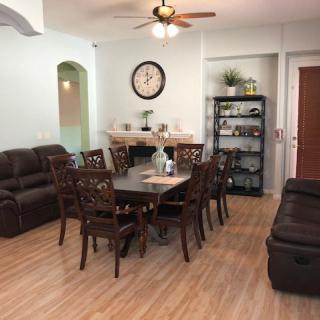
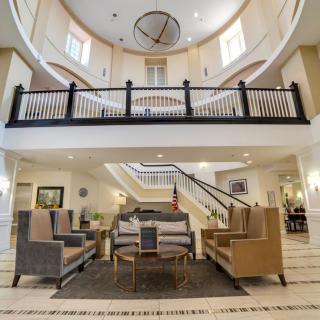
Multiple reviews describe an atmosphere that feels more like home than a typical facility, with shared spaces designed for comfort and ease of movement. A few families specifically mention upkeep and inviting common areas when they visited. Dining also shows up in the feedback, including references to meals that feel especially cared for, such as a standout gourmet touch.
How we summarize
Counts show how many written reviews mention each theme; a review can touch several themes, and only frequently mentioned themes are displayed.
Features
Housing
2 resident community capacity
Types of Care
Skilled Nursing Facility
Amenities
Cable or satellite TV
Dining room
Fully furnished
Garden
Housekeeping services
Move-in coordination
Outdoor space
Telephone
Wi-Fi/high-speed internet available
Transportation
McCarran International (8 miles away)
Care Services
24-hour supervision
Activities of daily living assistance
Assistance with bathing
Assistance with dressing
Assistance with transfers
Diabetes diet
Meal preparation and service
Medication management
Special dietary restrictions
Dining
Diabetes diet
Special dietary restrictions
Activities
Community-sponsored activities
Scheduled daily activities
Nearby Places of Interest
Pharmacies
CVS Pharmacy (0.3 miles)
Walgreens (0.9 miles)
Smith's Food & Drug (1.2 miles)
Walgreens (1.2 miles)
CVS Pharmacy (2.5 miles)
Walgreens (2.6 miles)
Smith's Food & Drug (2.7 miles)
Restaurants
In-N-Out Burger (0.9 miles)
Chicago Brewing Company (4.1 miles)
Lazy Dog Restaurant & Bar (4.8 miles)
Chick-Fil-A (4.9 miles)
Taco Bell (5 miles)
McDonald's (5.1 miles)
Lucille's Smokehouse BBQ - Red Rock Casino (5.1 miles)
Physicians
Meadows Women's Center (1.1 miles)
Desert Radiology - Centra Point (2.2 miles)
Hope Cancer Care of Nevada (3.4 miles)
Khavkin Clinic (6.5 miles)
Longford Medical Building (6.8 miles)
Nevada Orthopedic & Spine Center (6.8 miles)
Theaters
Regal Red Rock 4DX & IMAX (5 miles)
Cafes
Dutch Bros (6.6 miles)
Primrose (7 miles)
Hello Kitty Cafe (7.1 miles)
The LINQ Hotel & Casino (7.6 miles)
Dutch Bros Coffee (7.6 miles)
Starbucks (7.7 miles)
Transportation
ARIA Express Bellagio Station (7.1 miles)
Las Vegas Monorail - Harrah's/Quad Station (7.7 miles)
The Sandwich Generation comprises adults managing the dual responsibilities of caring for aging parents and raising children, leading to significant emotional, logistical, and financial challenges. This situation is exacerbated by longer life expectancies and cultural expectations, necessitating effective coping strategies and support resources to alleviate caregiver stress and burnout.
The article highlights eight essential assistive devices that improve the independence and safety of older adults, addressing issues related to mobility, balance, vision, hearing, and dexterity. It emphasizes the importance of proper selection guided by healthcare professionals to enhance seniors' quality of life while allowing them to age in place.
The article offers detailed guidance on the financial complexities of nursing home care, covering costs, payment methods, and alternative funding strategies while emphasizing the importance of proactive planning and legal considerations for individuals and families making care decisions.
Get PricingAsk A QuestionSchedule A TourContact Senior Advisor
By clicking submit, you agree to our Partner's Terms of Use. You
also consent to receive calls and texts, which may be autodialed, from our Partner. Your consent is not a condition to
using our Partner's service. Please visit our Partner's Privacy Policy for information about their privacy practices.

 2 resident community capacity
 Skilled Nursing Facility
 Cable or satellite TV
 Dining room
 Fully furnished
 Garden
 Housekeeping services
 Move-in coordination
 Outdoor space
 Telephone
 Wi-Fi/high-speed internet available
 McCarran International (8 miles away)
 24-hour supervision
 Activities of daily living assistance
 Assistance with bathing
 Assistance with dressing
 Assistance with transfers
 Diabetes diet
 Meal preparation and service
 Medication management
 Special dietary restrictions
 Fully furnished, personalized care with 24-hour supervision and comprehensive amenities.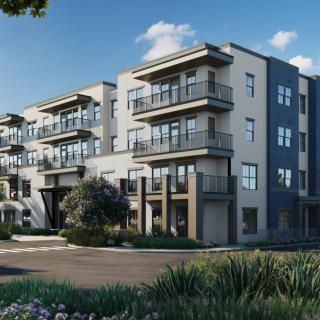

 Understanding the Sandwich Generation: Stress and Responsibilities for Multigenerational Caregivers
 8 Essential Assistive Devices for Older Adults
 Navigating the Financial Road to Nursing Home Care: In-Depth Guidance and Resources