
8225 West Robindale Road, Las Vegas, NV 89113
For more information about senior living options: (866) 208-4318
Overall Review of Desert Hills Post-Acute & Rehabilitation Center
Pros
 Mitchell Green describes Desert Hills Rehabilitation Center as state-of-the-art with brand-new beds and as the best facility among those he and his mother have visited.
- He would recommend the facility and would even keep it secret to ensure a bed is available if he returns.
- He notes the rooms look better than hotel rooms and the facility feels brand-new, unlike other places they’ve seen.
- The facility is very clean and the staff are respectful.
- The new facility offers better food, and the nurses and physical therapists are much better.
- The staff care deeply, and the patient is flourishing and rebounding from her stroke thanks to their care.
Cons
 The place was described as a joke and given a zero rating.
- One nurse was rude, unkind, and had a very bad attitude.
- The staff never seemed to have a sense of urgency to do anything.
- They were not informed about a medication and staff did not seem to know why.
- The grandfather fell out of bed and busted his head, and padding was added only after the damage was done.
- After the grandfather's death, the facility did not call or send condolences, which was described as heartless and cold-blooded.
- There was no response when trying to reach the facility by phone; calls were not answered.
Review
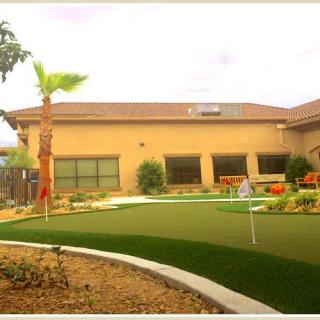
Desert Hills Post-Acute & Rehabilitation Center in Las Vegas is best suited for families seeking a modern, comfort-forward setting with a strong rehabilitation focus and hands-on nursing care. The community appeals to those who want a recently built facility, hotel-like rooms, and a sense that every inch of the campus is designed to support recovery. It is a good fit for families pursuing post-acute rehab after hospitalization, including stroke recovery, where active therapy and daily oversight are valued. Price, pacing, and a willingness to advocate for the patient will matter, because this is not a cookie-cutter option. Those who prioritize flawless, consistently proactive communication and uniformly reliable staffing across all shifts should consider alternatives until Desert Hills demonstrates steadier performance.
On the positive side, the atmosphere and operational basics frequently earn high marks. Reviewers praise cleanliness and respectful staff, with stories of a facility that feels fresh and well maintained. The new-build advantage translates into visibly upgraded rooms, sometimes described as better than typical hospital or long-term care interiors, and an improving dining experience. Families commonly notice that the nurses and physical therapists are capable, engaged, and dedicated to helping patients progress. Even where reception coverage is incomplete, the prevailing sentiment is that the care team remains attentive and present, contributing to an overall sense of security during the rehospitalization journey.
Another strong thread centers on rehabilitation outcomes. Several accounts highlight meaningful progress for residents recovering from strokes, driven by capable nursing staff and dedicated therapists. The combination of a modern campus and a proactive rehab culture appears to create an environment where patients can rebound and regain function more efficiently than in other facilities the reviewers have tried. For families who plan to be involved, visiting, observing, and coordinating with therapists, the facility supports that engagement, which seems to correlate with positive momentum in many residents’ recoveries.
However, there is a serious caveat reflected in at least one troubling account. A family-run review paints Desert Hills as a place where urgency and communication can falter: delayed responses, difficulty reaching staff, and a lack of timely information about medications. The most extreme assertion involves harm to a resident (a fall resulting in injury) followed by a perception of slow, insufficient follow-through and a lack of condolence after a death. While this represents a single, highly negative experience among several positive reports, it cannot be ignored. Potential families must weigh the possibility of inconsistent communication and variable responsiveness alongside the facility’s evident strengths.
Taken together, the key pros, modern facilities, clean environment, improved food narratives, and a capable rehab cadre, do offset many concerns for families who can stay actively involved and demand transparent, proactive updates. Yet the cons uncovered in the harsh review serve as a meaningful counterweight: the risk of gaps in critical communication, possible delays in addressing safety incidents, and a perceived inconsistency in how staff across shifts manage complex needs. These elements matter most when lives hinge on timely decisions, clear medication management, and rapid response to falls or medical changes.
The practical takeaway is clear. Desert Hills is an excellent choice for families seeking a contemporary setting with strong rehabilitation potential and a care team that generally cares deeply about progress. It is less ideal for families requiring near-perfect consistency in staffing and communication or for those who cannot commit to vigilant advocacy and routine checks. Prospective residents should plan a thorough on-site visit, request to meet the director of nursing, tour recent patient rooms, review the care plan structures, and ask pointed questions about falls prevention, incident reporting, and how staff communicate changes in treatment. If these assurances can be obtained and maintained, Desert Hills offers a compelling path to meaningful recovery. If not, exploring alternatives with a track record of steadier responsiveness and documented family communication may be the wiser course.
 75 resident community capacity
 Skilled Nursing Facility
 Air-conditioning
 Beauty salon
 Cable or satellite TV
 Computer center
 Dining room
 Fitness room
 Fully furnished
 Gaming room
 Garden
 Housekeeping services
 Kitchenette
 Move-in coordination
 Outdoor space
 Private bathrooms
 Restaurant-style dining
 Small library
 Telephone
 Wellness center
 Wi-Fi/high-speed internet available
 McCarran International (7 miles away)
 Community operated transportation
 12-16 hour nursing
 24-hour call system
 Activities of daily living assistance
 Assistance with bathing
 Assistance with dressing
 Assistance with transfers
 Diabetes diet
 Medication management
 Mental wellness program
 Special dietary restrictions
 Concierge services
 Planned day trips


 Understanding Home Health Care: A Comprehensive Guide
 Home Health Care Demystified: A Comprehensive Guide for Families and Caregivers
 Seniors and Modern Transportation: Exploring Uber, Lyft, and Other Ride-Hailing Options