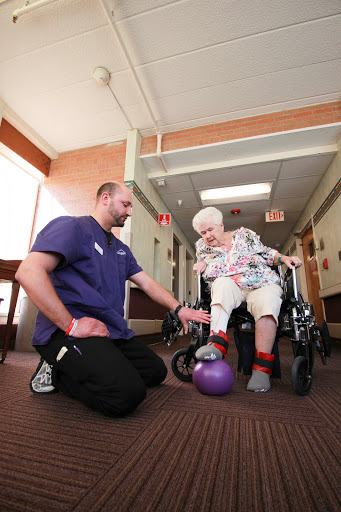
Residents and families consistently describe caring, responsive staff.
Many reviews highlight staff members as kind, compassionate, and attentive during rehab stays and pediatric care. Several residents and families also mention timely call-button responses and that nurses and therapists kept close watch on needs. Even when reviews are negative, the contrast is that some families felt their loved ones’ care needs were not met—making the positive staff praise stand out.
common9 reviews mention this
Clean building and rooms
Multiple reviews praise the facility’s cleanliness.
A number of reviewers describe the facility as clean, including clean rooms and a building that did not have unpleasant odors. Some reviews also mention cleanliness issues—such as carpet not being cleaned or a lack of bathing—showing that the experience is not always consistent. Still, the overall cleanliness feedback is frequently positive.
common5 reviews mention this
Food is frequently praised
Residents and families often describe the food positively.
Several reviews say meals were excellent, delicious, or tasted homemade. One reviewer also noted that a loved one liked the food, and another described the food as OK. At the same time, the strongest negative reviews focus on care problems and do not emphasize dining quality, so food praise appears as a separate, recurring bright spot.
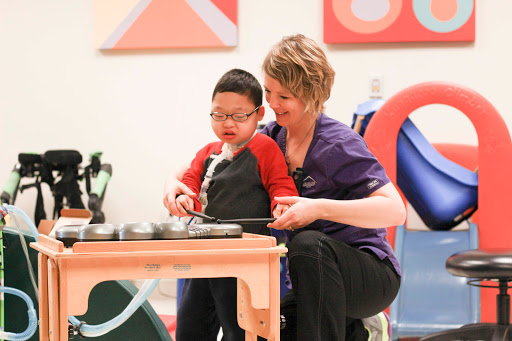
Residents and families describe physical therapy and occupational therapy as knowledgeable and encouraging, with at least one review also mentioning speech therapy. Another review points to respiratory therapy as a key part of care for a child. Even when readers express dissatisfaction, a recurring positive thread is that therapy participation supported recovery for some families.
caveat10 reviews mention this
Concerns about safety and care
Some reviews raise serious concerns about safety and oversight.
A subset of reviews describes breakdowns in care, including issues such as medication and oxygen not being provided as ordered, delays in responding to concerns, or neglectful support. Others mention security and supervision problems—such as visitors entering without checks, safety risks in rooms, or items left behind after a transfer. These negative reviews also include examples of falls, infection-related concerns, and basic hygiene lapses.
How we summarize
Counts show how many written reviews mention each theme; a review can touch several themes, and only frequently mentioned themes are displayed.
Features
Housing
146 resident community capacity
Types of Care
Skilled Nursing Facility
Amenities
Air-conditioning
Beauty salon
Cable or satellite TV
Computer center
Dining room
Fitness room
Fully furnished
Gaming room
Garden
Housekeeping services
Kitchenette
Move-in coordination
Outdoor space
Private bathrooms
Restaurant-style dining
Small library
Telephone
Wellness center
Wi-Fi/high-speed internet available
Transportation
Eppley Airfield (7 miles away)
Community operated transportation
Transportation arrangement
Transportation arrangement (non-medical)
Transportation to doctors appointments
Care Services
12-16 hour nursing
24-hour call system
24-hour supervision
Activities of daily living assistance
Assistance with bathing
Assistance with dressing
Assistance with transfers
Diabetes diet
Meal preparation and service
Medication management
Mental wellness program
Special dietary restrictions
Dining
Diabetes diet
Special dietary restrictions
Activities
Community-sponsored activities
Concierge services
Fitness programs
Planned day trips
Resident-run activities
Scheduled daily activities
Videos
Nearby Places of Interest
Pharmacies
Walgreens (0.8 miles)
Target Pharmacy (0.9 miles)
CVS Pharmacy (1.4 miles)
Walmart Pharmacy (1.4 miles)
Walgreens (1.5 miles)
CVS Pharmacy (2.2 miles)
Walgreens (2.6 miles)
Restaurants
Charleston's Restaurant (1 miles)
Raising Cane's Chicken Fingers (1 miles)
Chick-Fil-A (1.1 miles)
Wayside Tavern (1.3 miles)
Casual Pint (2 miles)
Sonic Drive-In (2.3 miles)
Tracks Lounge (2.3 miles)
Hospitals
Davita Omaha Dialysis (1 miles)
Methodist Hospital 6 South (1.4 miles)
Nebraska Medical Center (2.8 miles)
Omaha Surgical Center (2.9 miles)
University of NE Medical Center (2.9 miles)
Alegent Health Immanuel Medical Center (3.3 miles)
Va Medical Center (3.4 miles)
Physicians
Alegent Health Family Care (1.2 miles)
Neurological & Headache Center (1.3 miles)
Infectious Diseases Associates, PC (1.3 miles)
Heartland Cardiology (1.3 miles)
Omaha Imaging (1.3 miles)
Midwest Gastrointestinal Associates PC (1.6 miles)
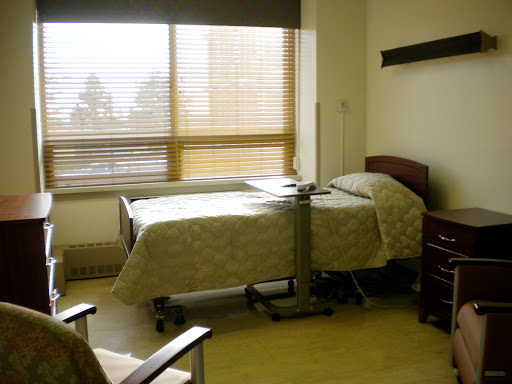
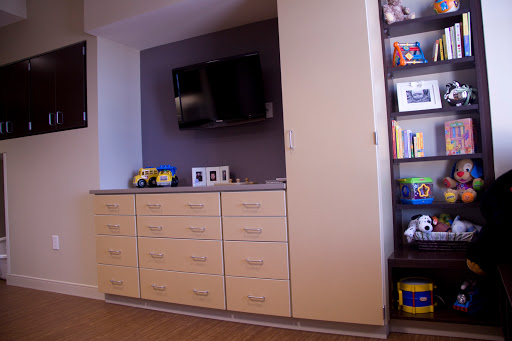
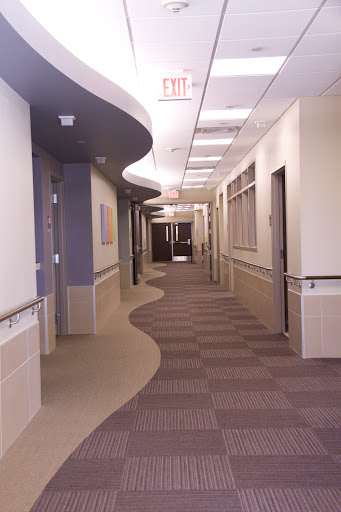
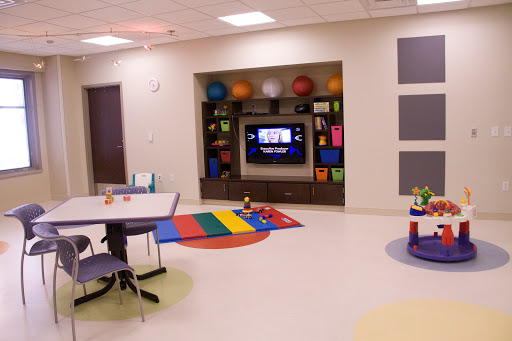
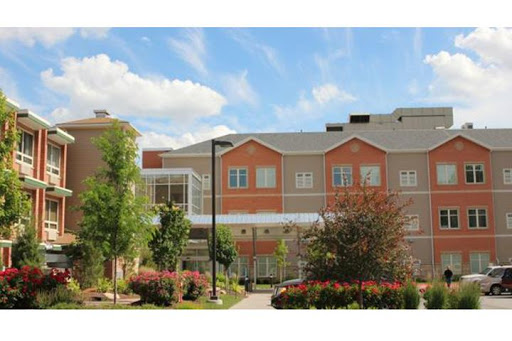
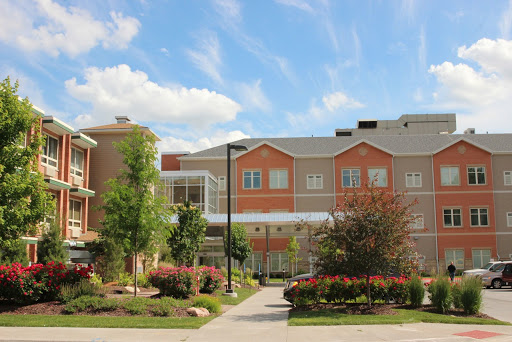
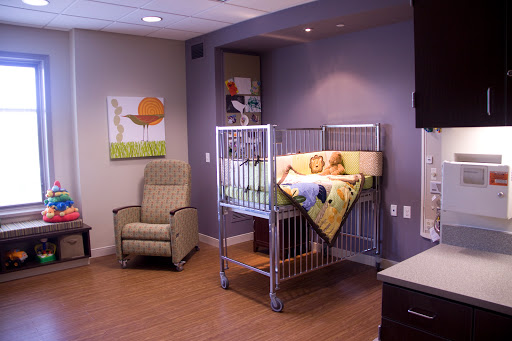
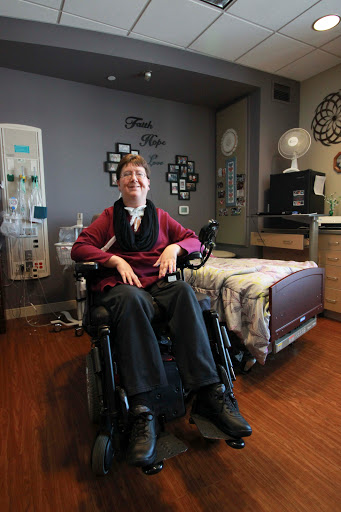
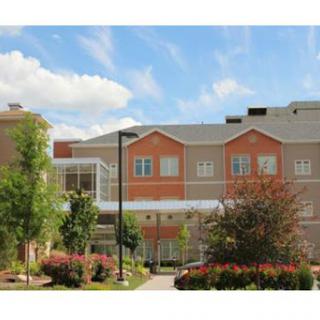
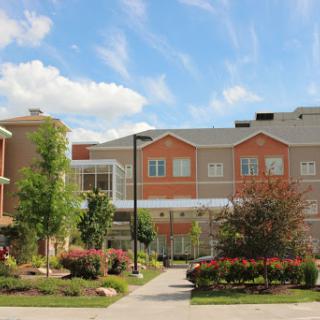
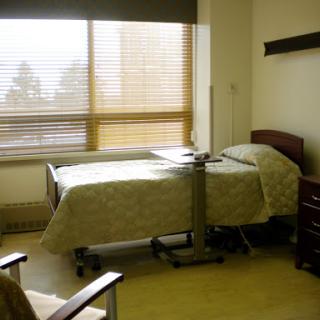
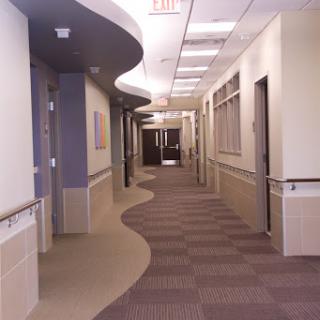
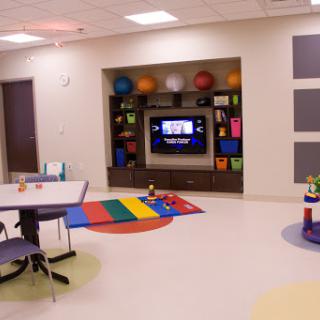
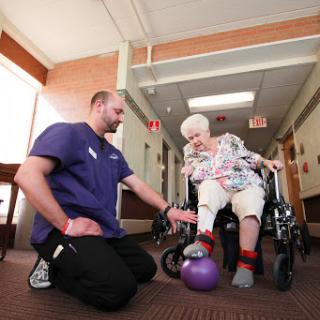
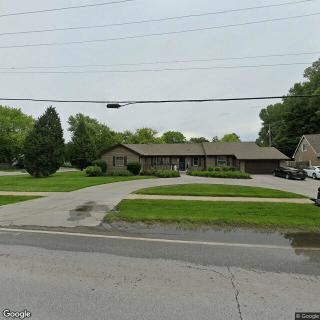
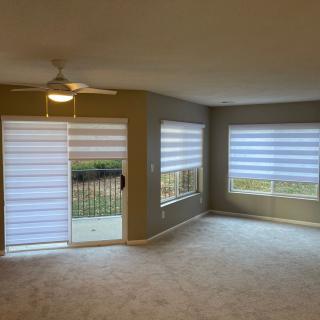
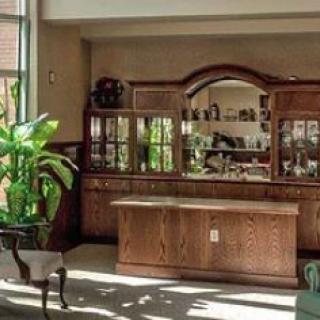
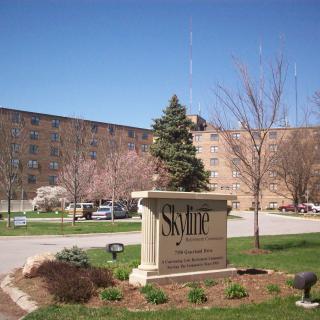
The Ambassador Omaha on seniors.fyi includes 10 photos including images showing interior, bedroom, building, landscaping, architecture, wheelchair, accessibility, physical therapy, and more.
Nearby Communities
Maple Crest Health Center
Omaha, NE
3.8 from 61 reviews
Comprehensive amenities and 24/7 care.
Silver Memories
Omaha, NE
2.2 from 10 reviews
$4,650 / month
Friendly staff and memory-care focus in a home-like setting.
An Angel's Touch
Omaha, NE
4.9 from 8 reviews
$4,278 / month
Specialized memory-care with 24/7 supervision and comprehensive daily living support in a small, intimate setting.
ODA Homecare
Omaha, NE
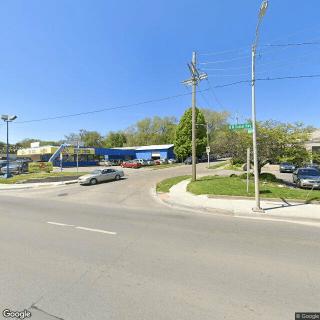
Prime location with easy access to restaurants, parks, pharmacies, hospitals, and transportation.
The Arboretum
Omaha, NE
4.3 from 22 reviews
$1,709 to $2,139 / month
Friendly staff, well-kept grounds, and affordable independent living with a strong sense of community.
New Cassel Retirement Center
Omaha, NE
4.5 from 38 reviews
Beautiful, well-maintained facilities (cathedral-like chapel) with friendly staff and varied activities and meals.
Keystone Villas Senior Living
Omaha, NE
3.4 from 53 reviews
$675 to $2,600 / month
Affordable pricing with newly available amenities and an active social scene.
Royale Oaks/House Of Hope Alzheimers Care
Omaha, NE
4.4 from 10 reviews
$2,950 to $3,295 / month
Clean, well-maintained facility with beautiful grounds and friendly, accommodating staff; seamless progression between care levels.
Villa de Sante Terrace
Omaha, NE
5 from 1 review
$575 to $655 / month
Excellent tour and favorable impression of amenities.
In-home care is increasingly sought after by older adults for maintaining independence, with average private home care rates in 2025 varying by state and service type, reflecting geographical and local labor market influences. As demand rises, families are considering funding options like Medicaid waivers and long-term care insurance to manage costs effectively while ensuring quality care.
Home health care has become essential for supporting independence among the aging population, offering diverse services such as skilled nursing and rehabilitation in familiar environments, while also incorporating technology for personalized care. Despite its benefits, including improved recovery rates and emotional well-being, challenges like safety, staff availability, and insurance navigation must be managed for effective implementation.
Home health care offers a range of clinical services provided in a patient's home, including nursing and therapy, tailored to individual needs, particularly for aging seniors with chronic conditions. This approach enhances patient independence, promotes better disease management, and utilizes technology for real-time monitoring while fostering collaboration among healthcare providers and family members.
Rehabilitation, Physical Therapy, Fitness, and Exercise
Wheelchair
Accessibility
Additional Photos
Get PricingAsk A QuestionSchedule A TourContact Senior Advisor
By clicking submit, you agree to our Partner's Terms of Use. You
also consent to receive calls and texts, which may be autodialed, from our Partner. Your consent is not a condition to
using our Partner's service. Please visit our Partner's Privacy Policy for information about their privacy practices.

 146 resident community capacity
 Skilled Nursing Facility
 Air-conditioning
 Beauty salon
 Cable or satellite TV
 Computer center
 Dining room
 Fitness room
 Fully furnished
 Gaming room
 Garden
 Housekeeping services
 Kitchenette
 Move-in coordination
 Outdoor space
 Private bathrooms
 Restaurant-style dining
 Small library
 Telephone
 Wellness center
 Wi-Fi/high-speed internet available
 Eppley Airfield (7 miles away)
 Community operated transportation
 12-16 hour nursing
 24-hour call system
 Activities of daily living assistance
 Assistance with bathing
 Assistance with dressing
 Assistance with transfers
 Diabetes diet
 Medication management
 Mental wellness program
 Special dietary restrictions
 Concierge services
 Planned day trips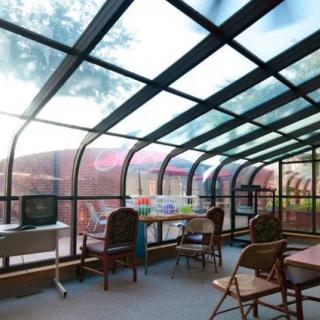
 Comprehensive amenities and 24/7 care.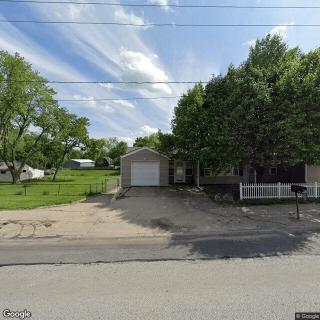
 In-Home Care Costs in 2025: A Detailed State-by-State Exploration
 Understanding Home Health Care: A Comprehensive Guide
 Home Health Care Demystified: A Comprehensive Guide for Families and Caregivers